
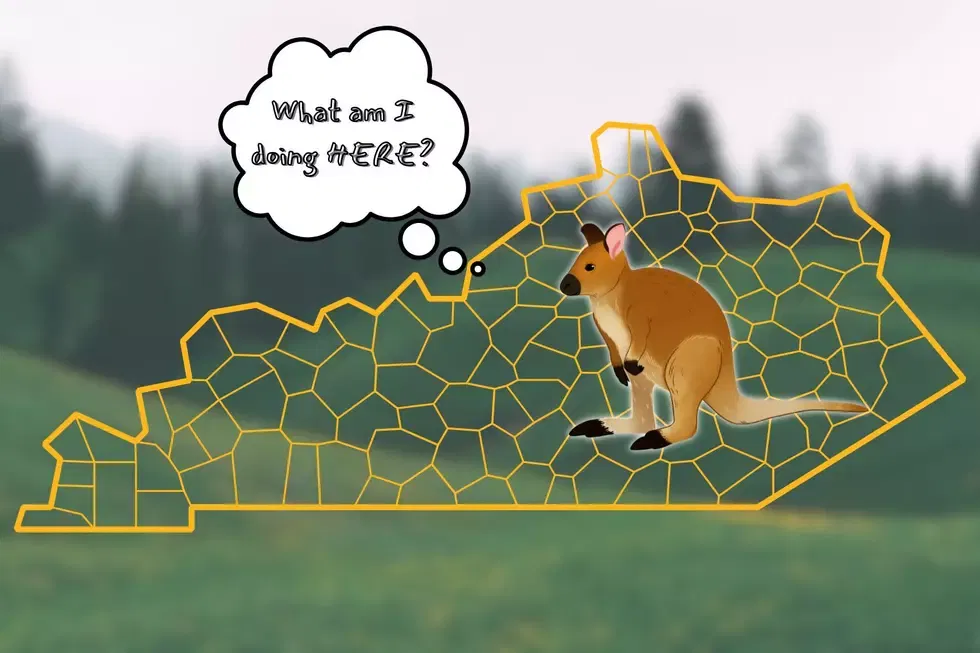
When residents of Perry County, Kentucky checked their Ring cameras in November 2024, they discovered something unexpected wandering through their neighborhood—an Australian wallaby. The marsupial, which belongs to a local resident, was eventually captured by East Kentucky Thermal Drone Recovery, but the incident highlighted a growing trend across the United States: wallabies and other exotic animals are becoming sought-after pets, prompting states like Illinois to pass legislation banning their ownership.
How Illinois Is Responding to the Exotic Pet Trend
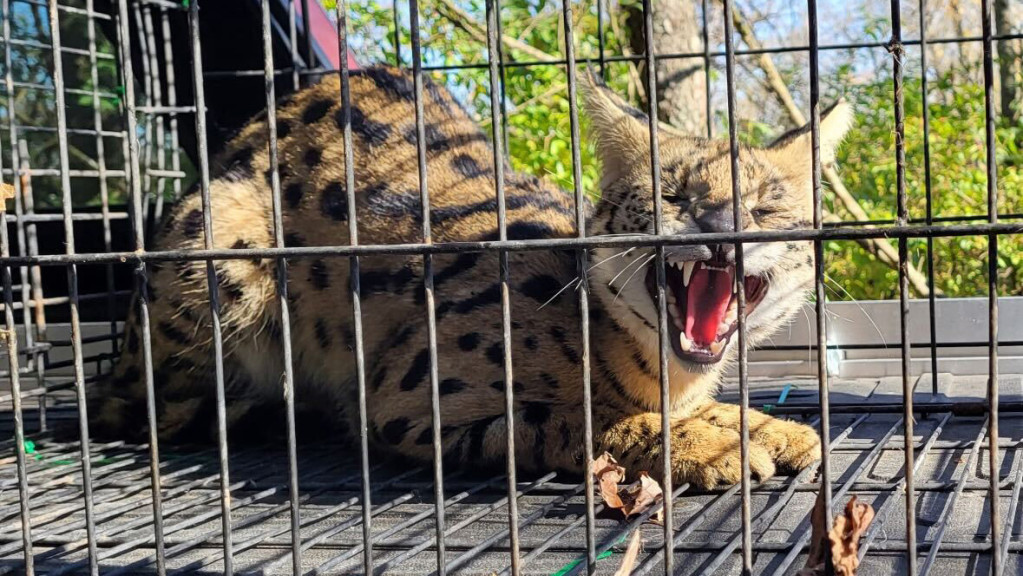
In April 2024, the Illinois House passed House Bill 4446, which would add wallabies, kangaroos, servals, and caracals to the state's list of banned animals. The bill, sponsored by Representative Daniel Didech (D-Buffalo Grove), passed with a 67-34 vote and now moves to the Senate. Didech explained that the legislation was prompted by several aggressive animal encounters, including a serval cat that escaped in Vernon Hills and "spent the afternoon terrorizing the neighborhood" and another serval that was loose in Decatur for approximately two months before being captured.
"I think more and more people are starting to buy these animals because they're trendy and new and they're beautiful animals," Didech told Illinois Public Media. "But the reality is: they're wild, dangerous, non-domesticated animals that really aren't appropriate to have in a residential neighborhood."
Timeline: How the Wallaby Pet Issue Developed
The push to regulate exotic pets in Illinois didn't happen overnight. The timeline below shows key events that led to the current legislation:
- Fall 2023: A serval cat escapes in Decatur, Illinois, and remains loose for about two months before being captured by animal control.
- Early 2024: Another serval escapes in Vernon Hills, prompting safety concerns among residents.
- April 22, 2024: Illinois House passes HB 4446, which would ban ownership of servals, caracals, kangaroos, and wallabies.
- May 14, 2024: Illinois Public Media reports on the growing exotic pet trend and the proposed legislation.
- November 13, 2024: A wallaby is found loose in Perry County, Kentucky, highlighting the ongoing issue of exotic pet ownership.
The bill includes exemptions for federally licensed facilities, veterinary hospitals, motion picture companies, and petting zoos with licensed handlers. The penalty for illegally owning one of these animals remains a Class C misdemeanor.
Why Wallabies Are a Problematic Pet Choice
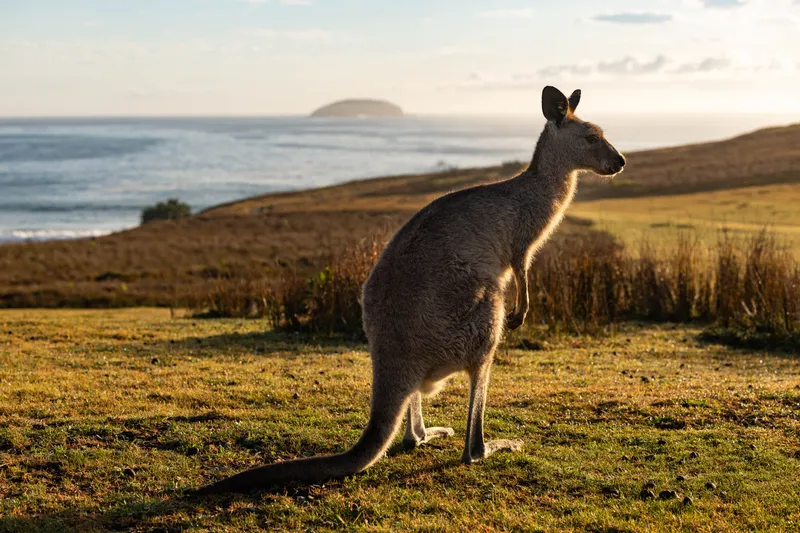
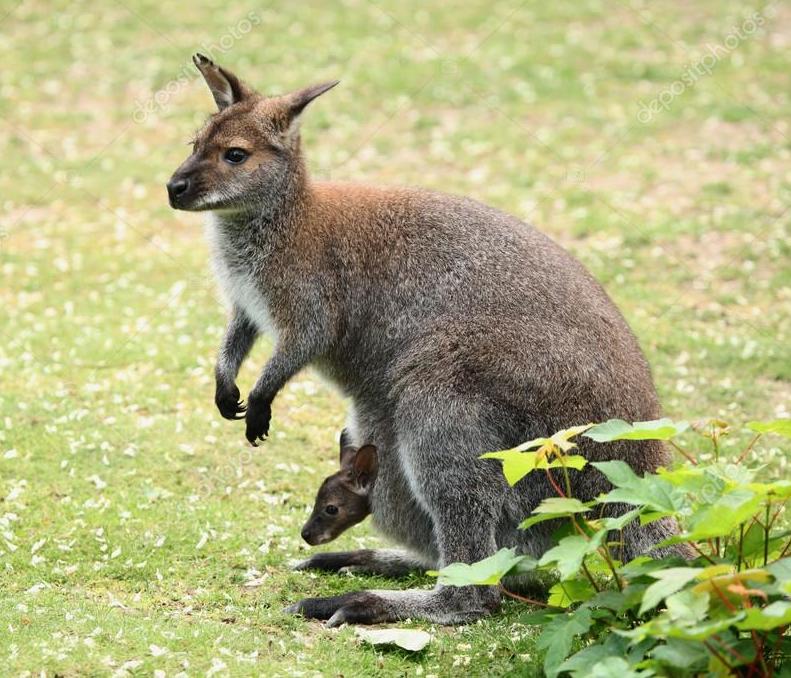
Wallabies are wild marsupials native to Australia and New Guinea that require specialized care far beyond what most pet owners can provide. According to Arizona Exotic Animal Hospital, wallabies need large outdoor enclosures—at minimum 50 x 50 feet, but ideally up to one acre of fenced space. They're foregut fermenters that require a diet high in fiber, consisting mainly of grass hay, with limited pellets and fresh vegetables. Adult wallabies range from 2-3 feet tall and weigh 30-50 pounds, with a lifespan of 12-15 years in captivity.
"Wallabies are wild animals, thus housing and enclosures should mimic the natural history for the species," advises Arizona Exotics. The hospital notes that they don't encourage wallaby ownership "without thorough research into the amount of time, space, energy, and financial investment they require."
Val Cairney of Val Talks Pets expressed similar concerns: "Who on earth would bring a Wallaby to Canada as a pet? These small kangaroo look-alikes are meant to wander and graze on grass." Cairney's podcast episode on exotic pet ownership questions the ethics of keeping wild animals as pets, noting that many owners underestimate the care requirements and that the exotic pet trade can be cruel and inhumane.
Where Things Stand Now: The Legal Landscape
Currently, wallaby ownership laws vary significantly by state. While Illinois is moving to ban them, other states like Kentucky and Arizona allow wallabies as pets with proper permits. In Kentucky, wallabies are not forbidden under state statutes, and the Perry County wallaby owner had a valid transportation permit. However, the incident has raised questions about whether such laws should be reevaluated.
Nationally, about half of U.S. states now ban ownership of serval cats, according to Representative Didech, and the trend is extending to other exotic animals. The Humane Society of the United States has advocated for federal legislation that would standardize bans on owning large cats, bears, primates, and large poisonous snakes as pets.
Ronald Atkins, administrator for Macon County Animal Control in Illinois, told Illinois Public Media that clearer laws would help: "I do find that it makes our job easier when there's clearly defined statutes. It's illegal to sell them but not necessarily illegal to possess them… It makes life easier when things are clear cut."
What Happens Next: The Future of Exotic Pet Ownership
As social media continues to drive interest in exotic pets through viral videos and trends, experts predict more states will consider legislation similar to Illinois' HB 4446. The bill's progress through the Illinois Senate will be closely watched, and its passage could inspire other states to update their exotic animal laws.
Animal welfare organizations emphasize that prospective exotic pet owners should thoroughly research care requirements and legal restrictions before acquiring any non-traditional animal. They also warn that the exotic pet trade often involves unethical practices, including smuggling and poor treatment of animals.
For wallabies specifically, the consensus among veterinarians and animal experts is clear: these wild marsupials are not suitable pets for the vast majority of people. Their complex needs, potential danger, and ethical considerations make them better left in their natural habitats or in accredited zoological facilities.
Key Takeaways for Pet Owners
- Illinois is moving to ban wallaby ownership along with other exotic animals through HB 4446.
- Wallabies require extensive space, specialized diets, and can live over 12 years in captivity.
- Social media trends are contributing to increased interest in exotic pets, leading to safety concerns.
- Laws regarding exotic pet ownership vary by state and are evolving rapidly.
- Ethical concerns about the exotic pet trade and animal welfare should be carefully considered.
As the debate over exotic pet ownership continues, one thing remains certain: wild animals like wallabies belong in the wild, not in suburban backyards. The recent legislation and escaped animal incidents serve as important reminders of the responsibilities and risks involved in keeping exotic pets.