
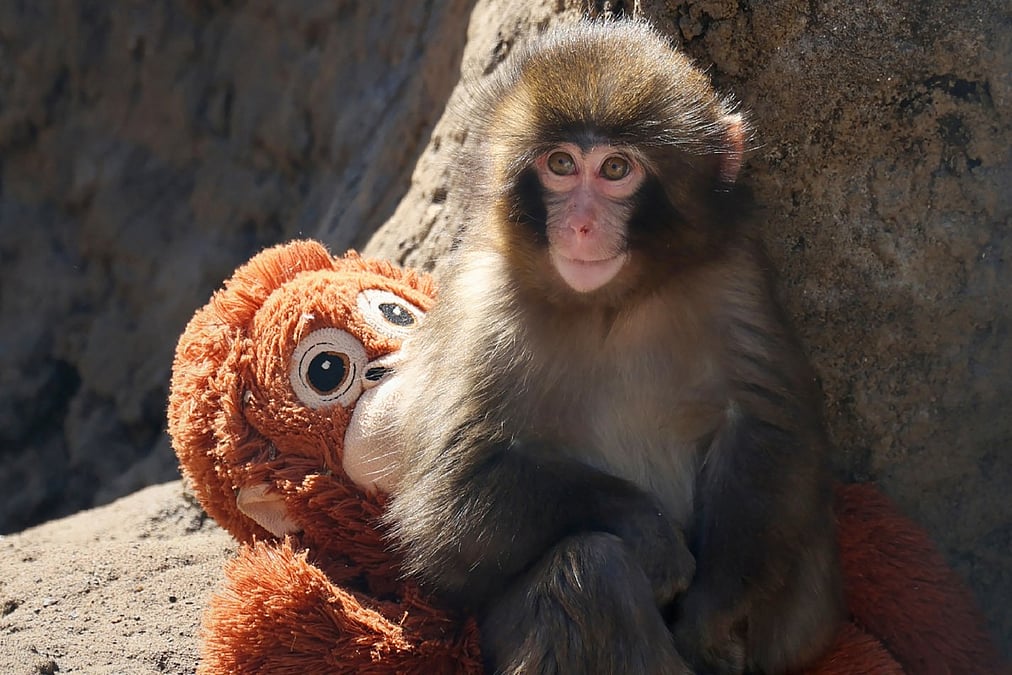
A baby monkey named Punch has captured the world's heart, but his viral story reveals deeper truths about what it really means to keep primates as pets. In February 2026, images of a seven-month-old Japanese macaque clinging to a stuffed orangutan toy at Ichikawa City Zoo spread across social media, generating millions of views and an outpouring of emotional responses. Born on July 26, 2025, and abandoned by his mother shortly after birth, Punch's journey from rejection to viral fame highlights both our fascination with primates and the complex realities of monkey ownership. As thousands flock to see the internet's newest celebrity, animal experts are using this moment to educate the public about the challenges, responsibilities, and ethical considerations of keeping monkeys as pets.
How Punch's Heartbreaking Story Captured Global Attention
The story began when zookeepers at Ichikawa City Zoo, located about 20 miles outside Tokyo, noticed that a newborn macaque had been rejected by his mother. "As soon as he was born," zookeepers explained, Punch was abandoned likely due to his mother's inexperience and the intense summer heat. The zoo staff made a decision that would unexpectedly launch an internet phenomenon: they gave the orphaned baby a stuffed orangutan toy for comfort. "Providing a stuffed toy and towels to hold onto not only stimulates clinging to a mother but also prevents excessive dependence on humans," the zoo stated in a post on X (formerly Twitter).
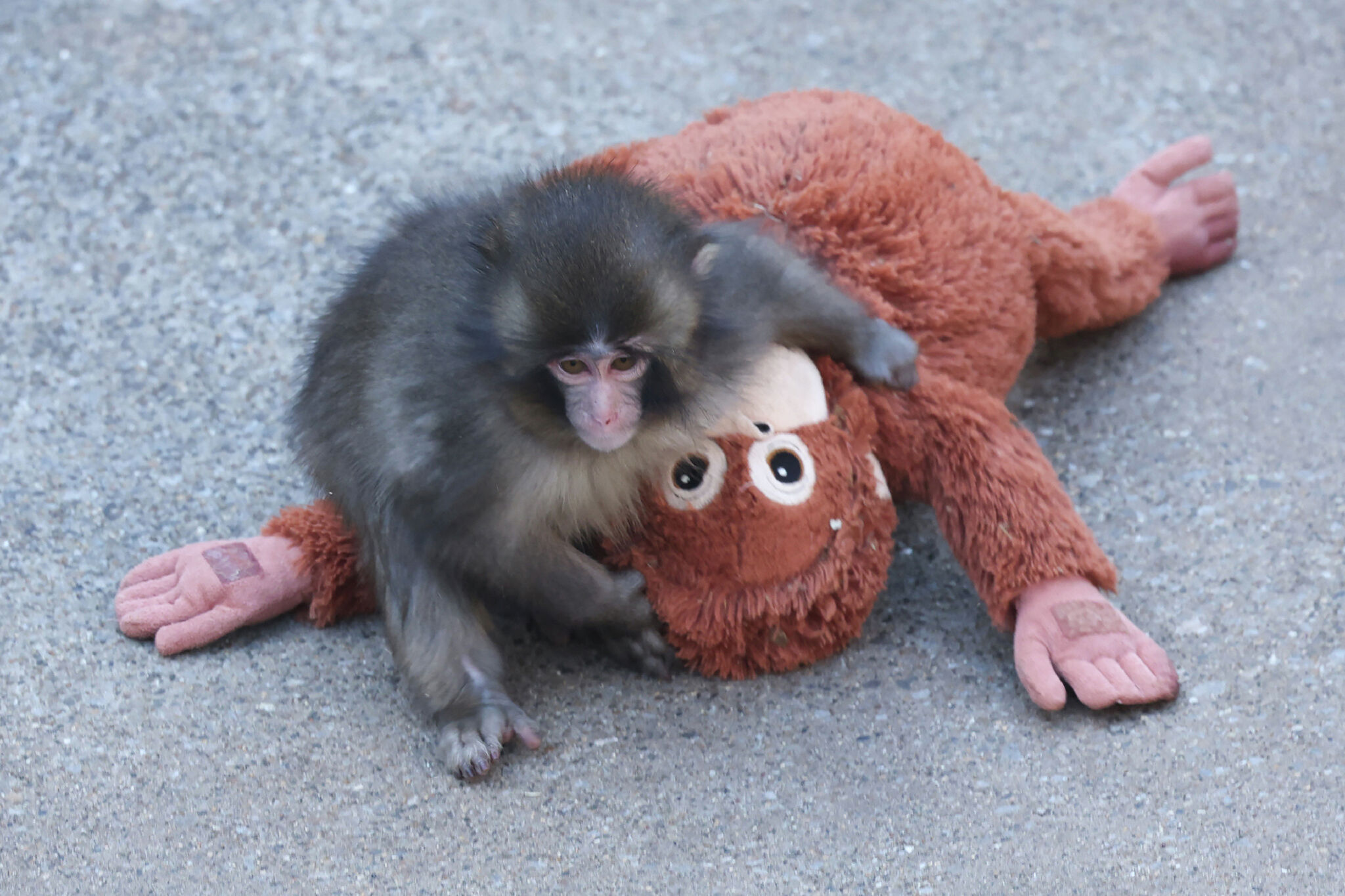
Videos of Punch carrying, cuddling, and playing with his orange stuffed companion quickly went viral, with animal lovers worldwide following his every development. The zoo began sharing regular updates using the hashtag #HangInTherePunch, documenting his attempts to integrate with the larger macaque troop. While early footage showed other monkeys swatting at him or pushing him away, more recent updates have been encouraging. "From what I could see, there were no scenes of him being scolded, and he was observed playing with the other baby monkeys," a keeper reported in late February. Perhaps most significantly, Punch has started eating independently rather than clinging to keepers during meals—a sign of growing confidence that has delighted his online followers.
Timeline: From Abandoned Infant to Internet Sensation
Punch's journey from vulnerable newborn to global celebrity unfolded over seven dramatic months. The timeline begins with his birth on July 26, 2025, at Ichikawa City Zoo, followed almost immediately by maternal rejection. Zoo staff intervened within days, providing round-the-clock care and introducing the stuffed orangutan that would become his security object. By January 2026, attempts began to reintegrate Punch with the main macaque troop, resulting in those heartbreaking videos of rejection that initially circulated online.
The viral explosion occurred in mid-February 2026, when footage of Punch with his toy spread across TikTok, Twitter, and Instagram. Within days, the zoo reported unprecedented visitor numbers, with lines stretching outside the gates and parking lots filled to capacity. By February 23, keepers documented positive changes: Punch playing with other young monkeys, grooming behaviors, and even opening doors on his own. The most recent updates show him climbing on another monkey's back, receiving grooming, and exploring his enclosure with increasing confidence—all while still carrying his beloved stuffed companion.
Why Monkeys Make Problematic Pets: Expert Analysis
While Punch's story tugs at heartstrings, animal welfare organizations stress that monkeys generally make poor pets for private owners. "Monkeys are cute. There's no doubt about it!" begins one pet care guide, immediately followed by warnings about the substantial challenges. Primates have complex social, psychological, and physical needs that are difficult to meet in a home environment. They require specialized diets, extensive enrichment, and social interaction with their own species—needs that even well-meaning owners often struggle to fulfill.
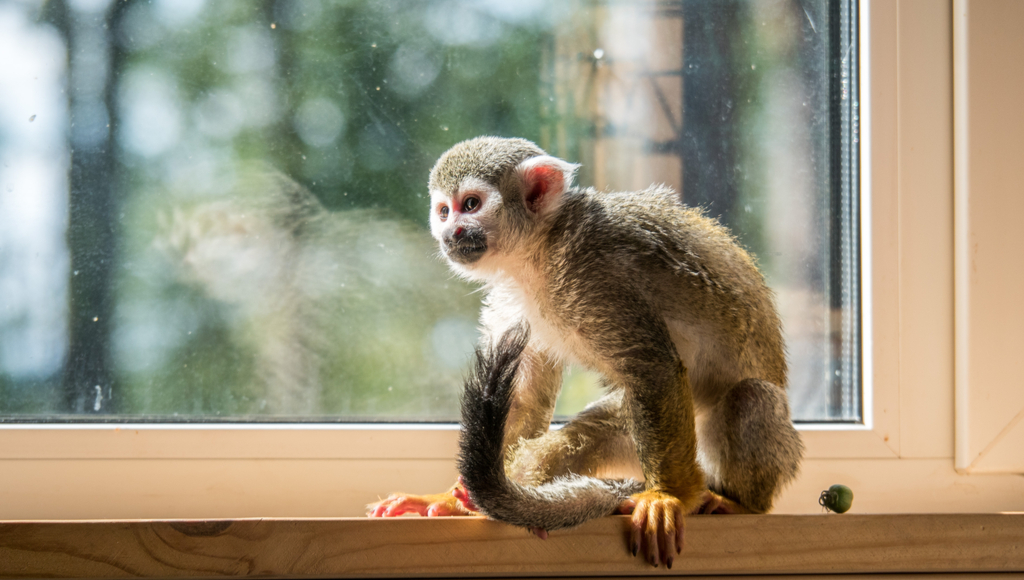
Monkeys like macaques, capuchins, and marmosets can live 20 to 40 years—a longer commitment than most dogs or cats. They're intelligent, curious, and strong animals that can become destructive when bored or stressed. Unlike domesticated animals, primates retain wild instincts and may bite or scratch when frightened. Veterinary care presents another challenge, as few veterinarians have expertise with primates, and those who do charge premium rates. Perhaps most importantly, monkeys are highly social creatures who suffer psychologically when isolated from their own kind, a reality highlighted by Punch's initial loneliness before his integration with the troop.
The Legal Landscape: Where Are Pet Monkeys Actually Allowed?
The legality of owning a pet monkey varies dramatically depending on location. In the United States, only 14 states allow private ownership with proper permits, while others completely prohibit keeping primates as pets. Even where legal, prospective owners must navigate a complex web of federal, state, and local regulations. The U.S. Centers for Disease Control and Prevention (CDC) maintains strict import restrictions on nonhuman primates, effectively banning the import of monkeys for the pet trade since 1975.
States that do permit ownership typically require special permits, proof of adequate enclosures, and sometimes liability insurance. Some jurisdictions mandate that owners demonstrate specific expertise in primate care. The regulatory patchwork reflects ongoing debates about animal welfare, public safety, and conservation. Animal rights organizations argue that even legal ownership often results in poor outcomes for monkeys, pointing to high rates of abandonment, inadequate care, and behavioral problems when primates are kept in private homes.
Current Status: Punch's Progress and Broader Implications
As of late February 2026, Punch continues to thrive under professional care at Ichikawa City Zoo. His story has had unexpected positive effects, drawing attention to proper primate care standards and sparking conversations about ethical animal ownership. The zoo has used the increased visibility to educate visitors about macaque behavior, conservation issues, and the resources required to care for primates properly. Meanwhile, animal welfare advocates hope Punch's popularity will lead to greater support for stronger exotic pet regulations and increased funding for primate sanctuaries.
The viral phenomenon has also highlighted the gap between public perception and reality regarding monkey care. Many people see adorable videos without understanding the years of specialized care behind them. Professional zookeepers spend years training to work with primates, yet private owners often undertake similar responsibilities with little preparation. Punch's initial rejection by his mother and subsequent difficulties integrating with the troop underscore how complex primate social structures are—complexities that home environments cannot replicate.
What Happens Next: The Future of Monkey Ownership
Looking forward, several developments could shape the future of primate ownership. Legislation like the Captive Primate Safety Act, which would restrict interstate trade of primates for the pet trade, continues to be debated in the U.S. Congress. Meanwhile, growing awareness of animal welfare issues is driving changes in public attitudes. The very fact that Punch's story resonated so deeply suggests increasing public sensitivity to animal emotions and needs—a shift that could translate to stronger protections for primates.
For prospective pet owners fascinated by monkeys, experts recommend alternative ways to engage with primates that don't involve ownership. Supporting reputable sanctuaries, volunteering at zoological institutions, or advocating for conservation efforts all provide meaningful connections to these remarkable animals without the ethical complications of private ownership. As for Punch, his caretakers remain cautiously optimistic about his continued integration with the troop while acknowledging that his journey—like that of any primate—will require ongoing support and understanding.
The Bottom Line: Key Takeaways from Punch's Story
Punch's viral moment offers more than just heartwarming content—it provides valuable lessons about our relationship with primates. First, monkeys have complex emotional and social needs that are difficult to meet outside professional settings. Second, legal restrictions on primate ownership exist for important animal welfare and public safety reasons. Third, the resources required for proper primate care—specialized diets, enrichment, veterinary attention, and appropriate social groupings—are substantial and long-term. Finally, while we can celebrate Punch's progress under expert care, his story should remind us that wild animals, no matter how charismatic, generally belong in the wild or in professional care facilities rather than private homes.