
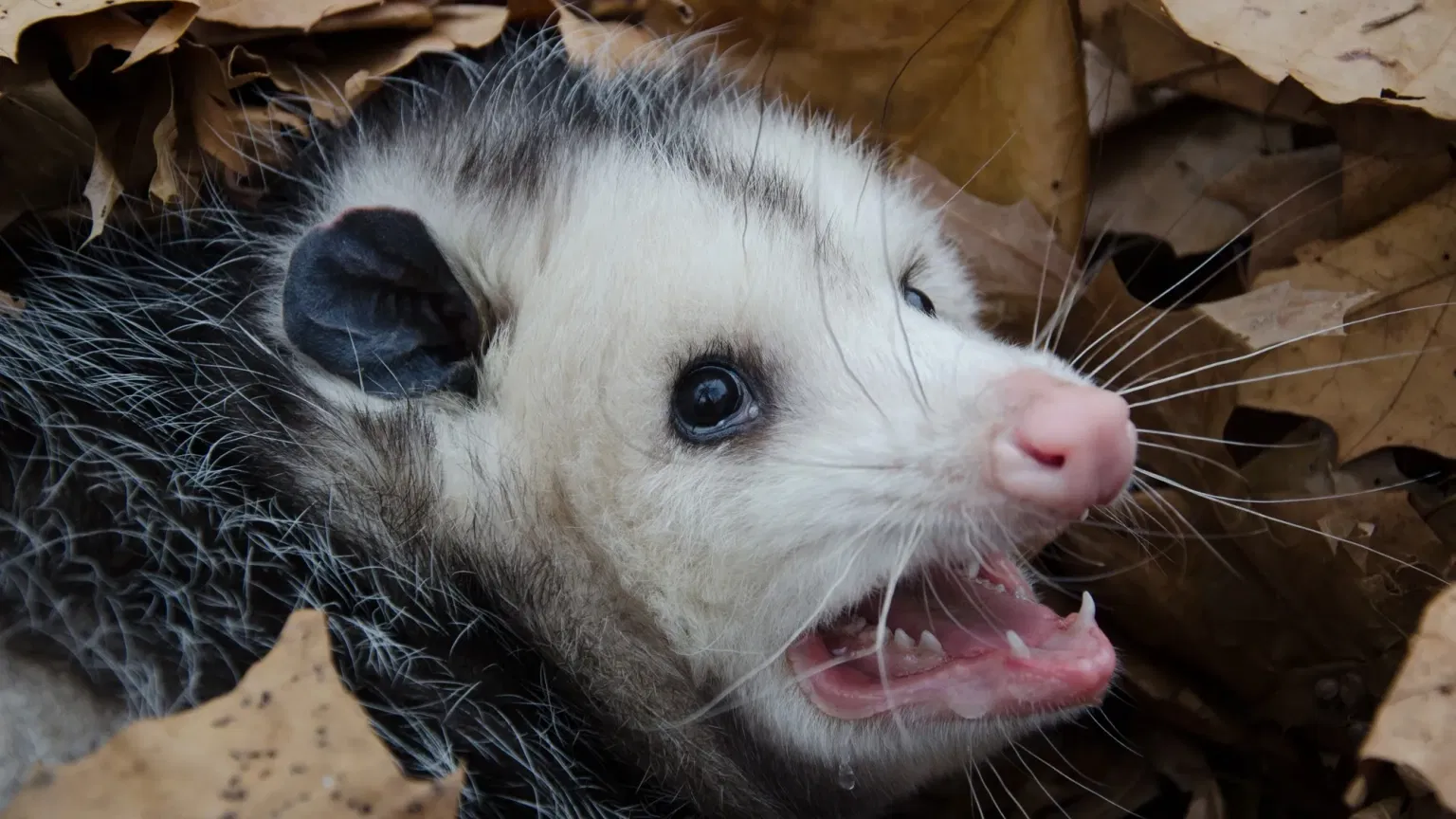
Opossums have been making headlines across Florida, and for a surprising reason: these humble marsupials are now at the center of an innovative strategy to combat invasive Burmese pythons in the Everglades. Researchers from the North Carolina Museum of Natural Sciences discovered that GPS tracking collars fitted on opossums continue transmitting even after the animals have been consumed by pythons, leading scientists directly to the snakes. But beyond their newfound role as wildlife detectives, opossums—particularly short-tailed opossums—are also gaining popularity as unique and rewarding exotic pets. Here's everything you need to know about these fascinating creatures and what it takes to care for one.
How Opossums Became Florida's Unexpected Python Hunters
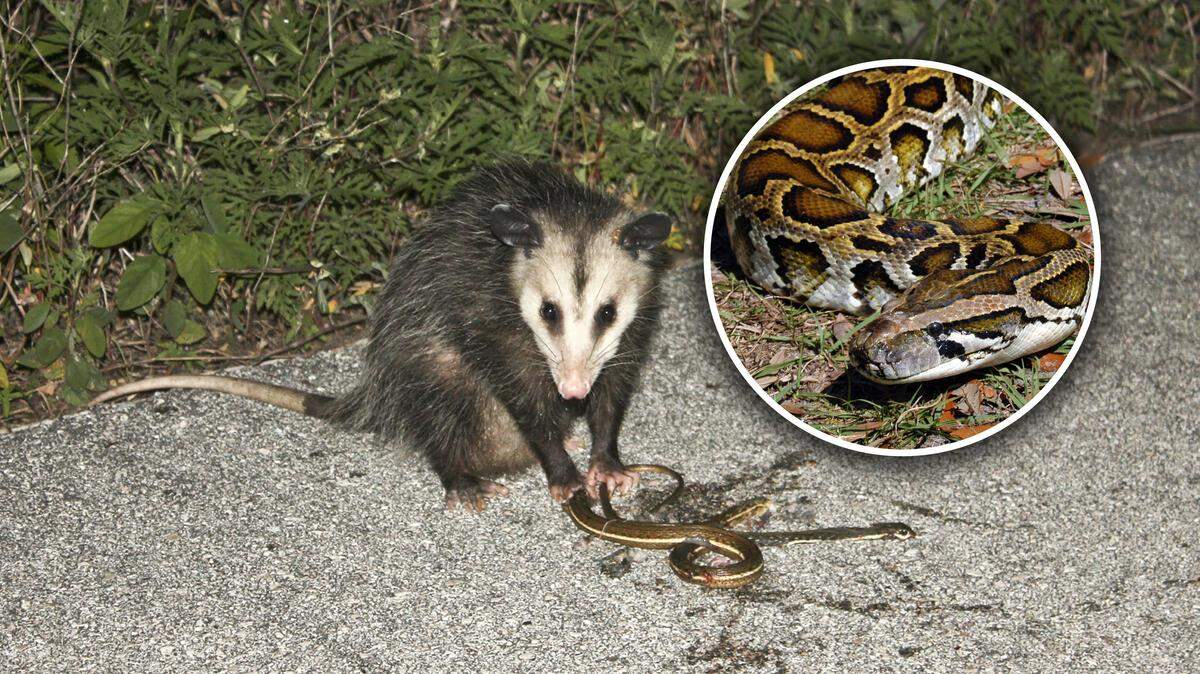
Wildlife biologists A.J. Sanjar and Michael Cove originally traveled to Florida in 2022 to study opossum behavior, fitting the animals with tracking collars. They quickly encountered an unexpected problem: Burmese pythons kept eating their study participants. Each lost opossum meant not only lost data but also a significant financial blow—each collar at the time cost about $1,500. However, the researchers soon realized that the pythons that ate the collared opossums were being euthanized as part of Florida's conservation efforts anyway. This sparked a breakthrough idea: what if they intentionally deployed opossums with cheaper tracking collars as bait to locate and remove invasive pythons? After securing funding for $190 collars, Sanjar and Cove are now planning to deploy at least 40 opossums at Crocodile Lake National Wildlife Refuge in Key Largo by later this summer. "We're not putting these animals out there and in harm's way," Crocodile Lake National Wildlife Refuge manager Jeremy Dixon told the South Florida Sun Sentinel. "Harm's way is there. We're just documenting what's happening."
Timeline: From Research Setback to Conservation Breakthrough
- 1970s: Burmese pythons are first introduced to the Florida Everglades, likely through the exotic pet trade, and begin establishing an invasive population.
- 2022: Wildlife biologists A.J. Sanjar and Michael Cove begin tracking opossums with GPS collars in Florida to study their habits, discovering that pythons keep eating their collared subjects.
- 2023-2025: Researchers develop the concept of using opossums as "bait" to track pythons and secure funding for more affordable $190 tracking collars.
- April 2026: The story goes viral after being covered by major outlets including Popular Science, People, USA Today, and the Miami Herald, bringing widespread attention to the innovative conservation strategy.
- Summer 2026 (planned): Researchers aim to deploy at least 40 GPS-collared opossums at Crocodile Lake National Wildlife Refuge in Key Largo to begin the python tracking experiment in earnest.
Why Opossums Make Unique and Rewarding Pets
While the Florida python story highlights opossums in the wild, many people don't realize that certain species of opossums—particularly short-tailed opossums (Monodelphis domestica)—can be kept as pets. Unlike their larger Virginia opossum cousins that roam North American backyards, short-tailed opossums are smaller, generally more adaptable to captivity, and have become increasingly popular in the exotic pet community. These pint-sized marsupials are naturally curious, relatively clean, and can be quite social when handled regularly from a young age. However, they are nocturnal and can be shy, so patience is key. Opossums are not like cats or dogs—they require specialized care, a carefully controlled environment, and a diet that mimics their natural nutritional needs. Before considering an opossum as a pet, it's essential to understand their unique requirements and the legal considerations in your state.
Setting Up the Perfect Opossum Enclosure
A proper enclosure is the foundation of good opossum care. Short-tailed opossums need a minimum of 4 to 6 square feet of floor space, though larger is always better. A glass terrarium or a modified wire cage with narrow bar spacing (no more than half an inch) works well, as opossums are expert escape artists. The enclosure should include plenty of enrichment: climbing branches, PVC tubes, rope toys, exercise wheels (solid-surface, not wire), and nesting boxes where they can sleep during the day. Temperature is critical—opossums thrive at around 71°F (22°C), with an acceptable range of 50-86°F (10-30°C). Humidity should be maintained at 50% or higher to prevent dry skin and respiratory issues. Use a substrate like aspen shavings, paper-based bedding, or coconut fiber, and spot-clean daily with a full cleaning weekly. Opossums are solitary animals and should be housed alone to prevent aggression.
What to Feed a Pet Opossum
Diet is perhaps the most important aspect of opossum care—and the most容易 to get wrong. In the wild, opossums are opportunistic omnivores, eating everything from insects and small vertebrates to fruits and carrion. For pet opossums, a balanced diet typically includes a high-quality, low-protein insectivore diet or a specially formulated opossum food as a base, supplemented with fresh protein sources like cooked chicken (meat and hearts), mealworms, crickets, and hard-boiled eggs. Fresh fruits and vegetables—such as berries, melon, sweet potato, and leafy greens—should make up about 20-30% of their diet. Crucially, opossums are prone to metabolic bone disease (MBD) because they require high levels of calcium and vitamin D3. Most experts recommend dusting food with a reptile calcium supplement (with vitamin D3) at a rate of about 1/3 teaspoon per cup of food. Feed adult opossums about one tablespoon of protein per day, offered in the evening since they are nocturnal. Fresh water must always be available.
Is It Legal to Own an Opossum in Your State?
Before bringing an opossum home, check your local laws carefully. Opossum ownership regulations vary significantly by state. Some states allow ownership without a permit, including Arkansas, Wyoming, and Wisconsin. Others require permits or licenses, such as Indiana, Iowa, Kentucky, Michigan, Missouri, Nebraska, Nevada, New Jersey, and North Carolina. Many states—including California, Colorado, Oregon, and several others—prohibit private opossum ownership outright, as opossums are classified as native wildlife that cannot be kept as pets. Even in states where ownership is legal, you may need to source your opossum from a licensed breeder rather than taking one from the wild. Never take a wild opossum as a pet; wild-caught individuals are stressed, may carry diseases, and rarely adapt to captivity. Always work with reputable breeders who can provide health records and guidance.
The Future of Opossums: From Pets to Conservation Heroes
As the Florida python tracking experiment unfolds, opossums are gaining unprecedented public attention. What was once viewed as a backyard nuisance is now being recognized as a clever, adaptable marsupial that plays a vital role in ecosystem management. For those considering an opossum as a pet, this spotlight offers a perfect opportunity to learn more about these misunderstood animals. The same traits that make opossums effective in the wild—their resilience, curiosity, and ability to thrive in diverse environments—also make them fascinating companions in captivity. Whether they're helping scientists track invasive snakes in the Everglades or curling up in a nesting box in your living room, opossums continue to surprise and delight us.
Key Takeaways for Prospective Opossum Owners
- Legality first: Check your state and local laws before acquiring an opossum—ownership is restricted or prohibited in many areas.
- Short-tailed opossums are the species most commonly kept as pets; Virginia opossums are larger and more challenging to care for.
- Enclosure requirements: Minimum 4-6 sq ft of floor space, secure lid, climbing enrichment, nesting boxes, and controlled temperature (71°F ideal) and humidity (50%+).
- Diet: Insectivore base with fresh protein, fruits, vegetables, and essential calcium supplementation with vitamin D3 to prevent metabolic bone disease.
- Social needs: Opossums are solitary and nocturnal; handle regularly from a young age for best temperament, but respect their daytime sleep.
- Veterinary care: Find an exotic animal vet experienced with marsupials before bringing your opossum home—not all vets treat them.