
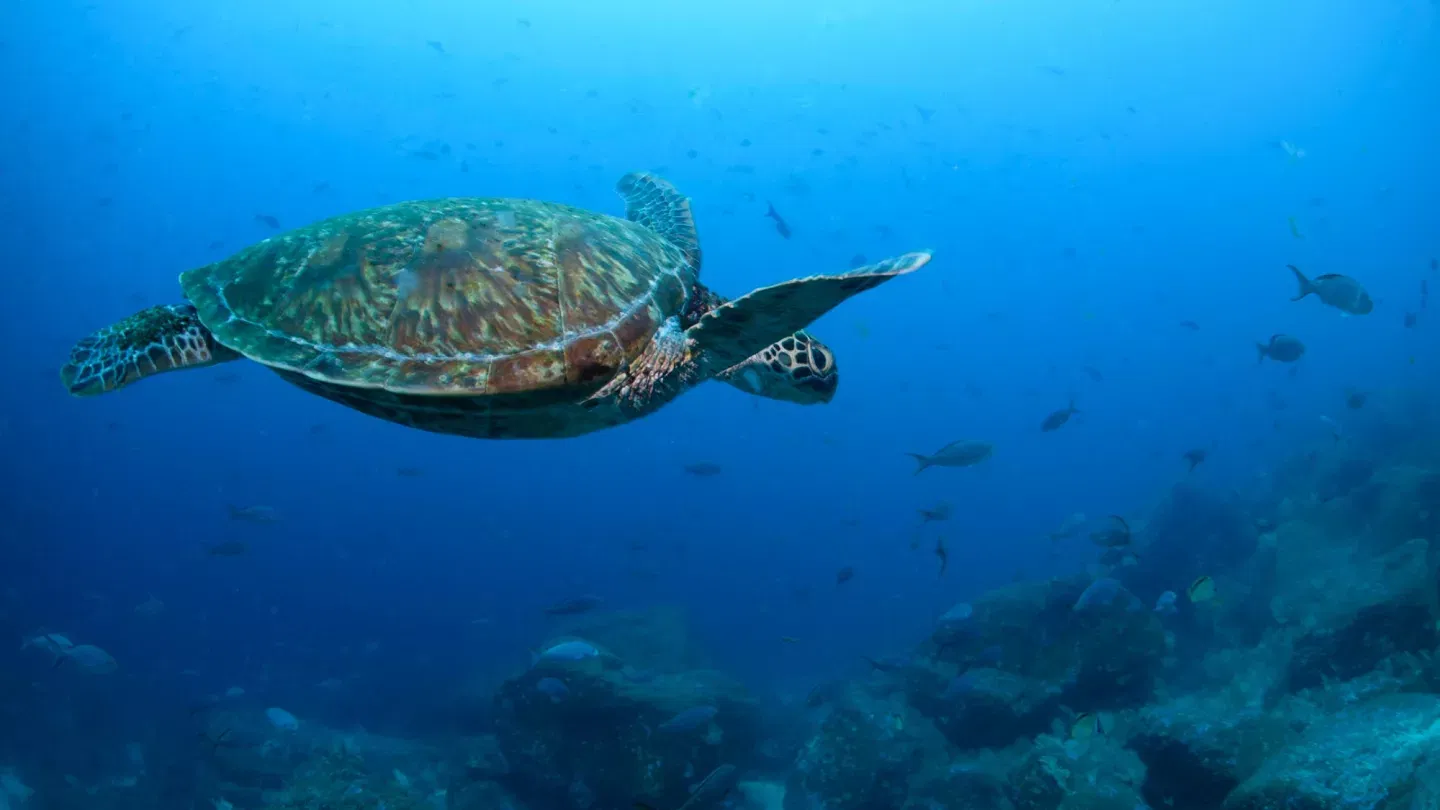
In a stunning conservation victory that’s making waves across the pet world, green sea turtles have officially been saved from the brink of extinction. The International Union for Conservation of Nature (IUCN) announced in 2025 that the global population of green sea turtles has rebounded by approximately 28% since the 1970s, leading to their reclassification from “endangered” to “least concern.” This remarkable turnaround offers hope not only for marine conservation but also for pet turtle enthusiasts who play a role in protecting turtle species worldwide.
How the Green Sea Turtle Made a Historic Comeback
Found in tropical and subtropical waters around the world, green sea turtles (Chelonia mydas) saw their populations plummet to alarming lows in the 1980s due to years of extensive human hunting. The species was frequently killed to make soup and other culinary delicacies, while their eggs were commonly used for decoration in many cultures. After spending more than 40 years on the IUCN’s Red List of Threatened Species, green sea turtles have made a dramatic comeback—a testament to decades of coordinated marine conservation.
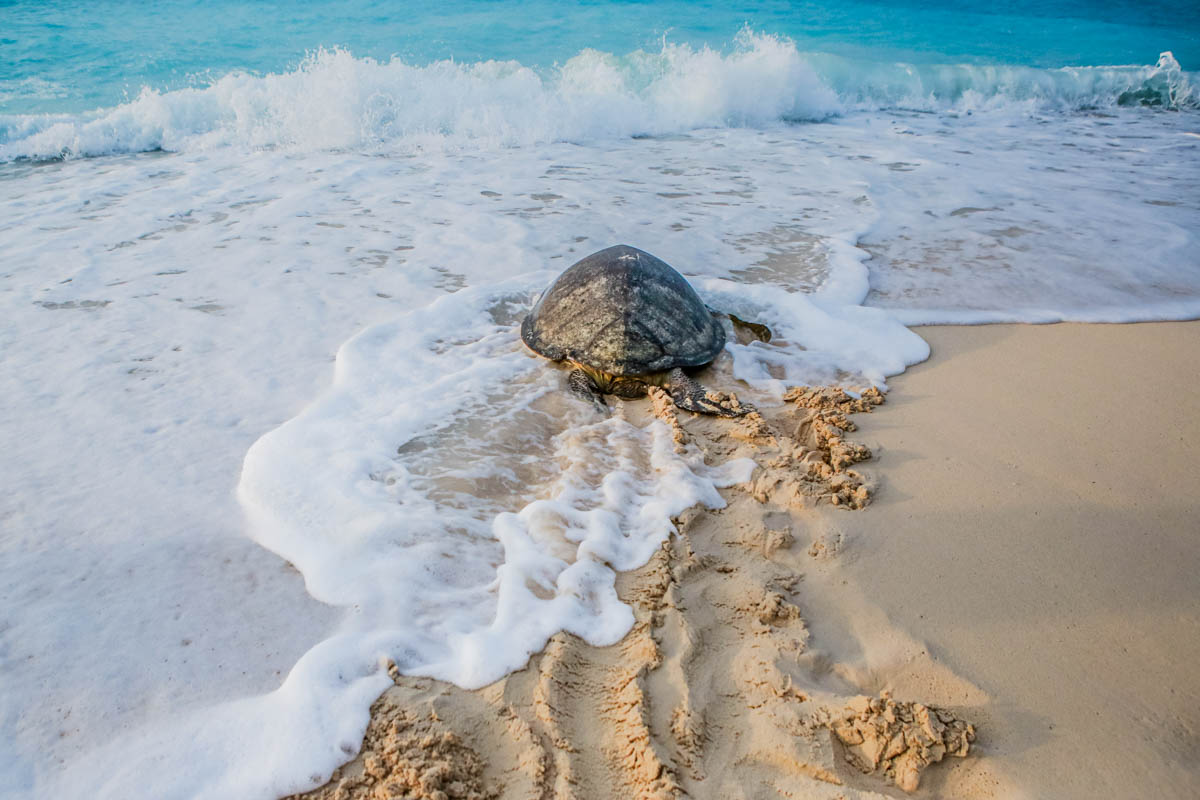
The turning point came at the IUCN World Conservation Congress in Abu Dhabi, where experts revealed that the global population of green sea turtles has increased by about 28% since the 1970s. This improvement was so significant that the species skipped both the “vulnerable” and “near threatened” categories entirely, moving directly from “endangered” to “least concern.” According to the Turtle Foundation, this downlisting represents “a success for international species conservation” and highlights what can be achieved through sustained effort.
Timeline: How Sea Turtle Conservation Unfolded Over Four Decades
The road to recovery wasn’t quick—it required a multi‑generational commitment. In the 1970s and 80s, green sea turtles were hunted intensively for meat, shells, and eggs, driving them toward extinction. The 1990s saw the first major international agreements, such as the Convention on International Trade in Endangered Species (CITES), which banned commercial trade of sea turtles. Throughout the 2000s, beach‑protection programs expanded, safeguarding nesting females and their eggs. By the 2010s, satellite tracking and bycatch‑reduction devices helped reduce accidental capture in fishing gear. Finally, in 2025, the IUCN confirmed the population had rebounded enough to warrant the “least concern” status.
Why This Conservation Win Matters for Pet Turtle Owners
While sea turtles are not kept as pets—they are protected wildlife—their recovery holds valuable lessons for anyone who cares for turtles. “This is a major win for turtle conservation and proof that coordinated action can reverse populations at risk of extinction,” says Christine Madden, WWF’s global marine turtle conservation lead. For pet turtle enthusiasts, the success underscores the importance of responsible pet‑keeping: providing proper habitats, supporting conservation organizations, and never releasing pet turtles into the wild, where they can disrupt local ecosystems.
NOAA Fisheries’ Sea Turtle Week 2025 campaign reminds the public that everyone can contribute to turtle conservation, whether by watching for sea turtles in the water, slowing down boats in turtle‑rich areas, or choosing seafood caught with turtle‑safe practices. Pet owners can extend these principles by ensuring their own turtles are sourced ethically, housed in appropriate enclosures, and receive regular veterinary care.
Where Things Stand Now: The Current Status of Sea Turtles
Despite the encouraging news, green sea turtles remain “significantly depleted” compared to pre‑European colonization levels. Threats such as climate change, plastic pollution, habitat loss, and illegal harvesting persist in many regions. Moreover, other sea‑turtle species—like the critically endangered hawksbill—are still at high risk. As Roderic Mast of IUCN notes, “Sea turtles cannot survive without healthy oceans and coasts, and humans can’t either. Sustained conservation efforts are key to assuring that this recovery lasts.”
What Happens Next: The Road Ahead for Turtle Conservation
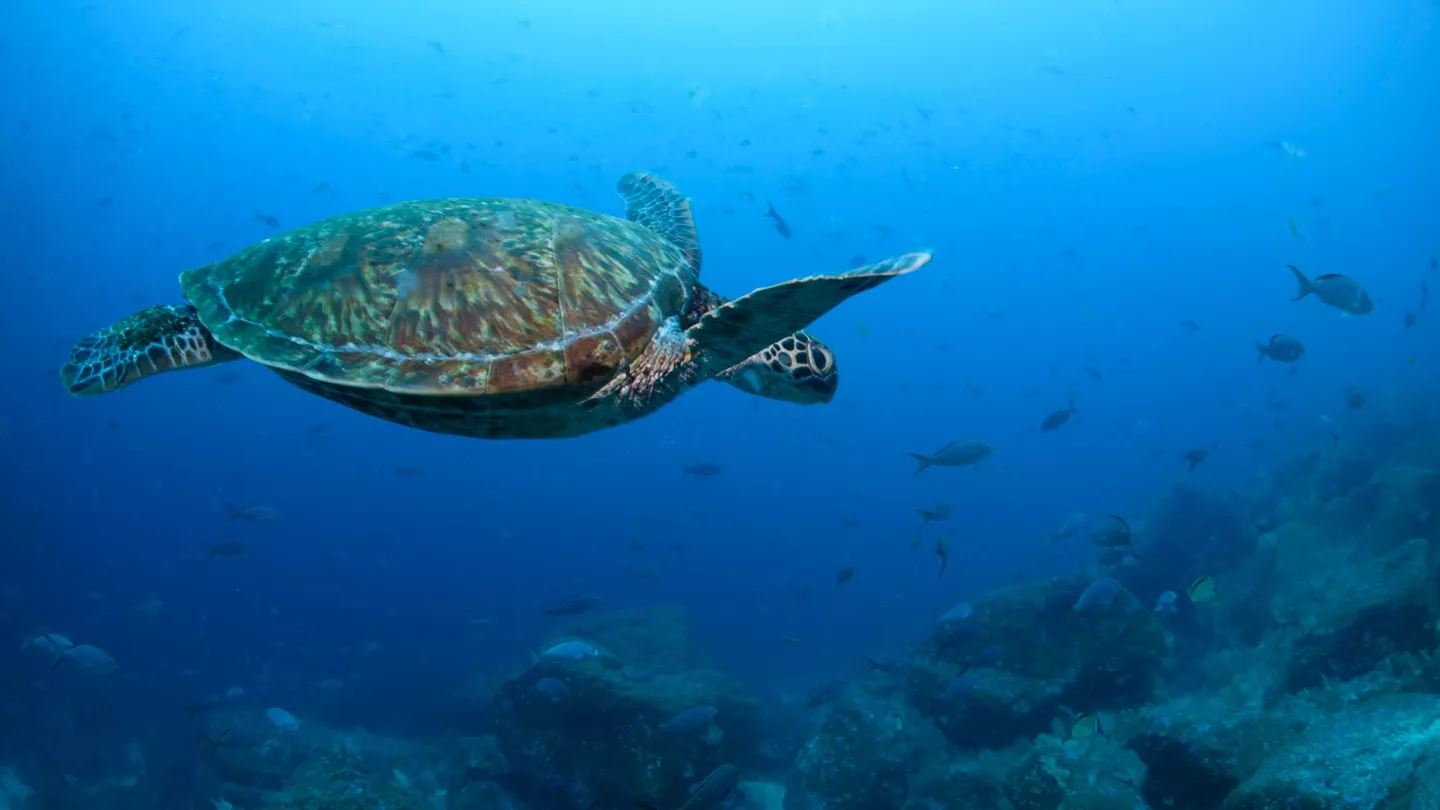
The future of sea turtles depends on continuing the proven strategies that brought them back: protecting nesting beaches, reducing bycatch, combating illegal trade, and mitigating climate‑change impacts. For pet turtle owners, the path forward includes educating others about conservation, supporting turtle‑rescue organizations, and advocating for policies that protect all turtle species. As the Oceanic Society observes, the green turtle’s recovery “shows that when we give nature a chance, it can heal.”
The Bottom Line: Key Points to Remember
• Green sea turtles are no longer endangered—their status improved to “least concern” in 2025 after a 28% population increase since the 1970s.
• Decades of conservation work, including beach protection, hunting bans, and bycatch reduction, made this recovery possible.
• While sea turtles are not pets, their comeback demonstrates the power of collective action—a lesson that resonates with pet‑turtle enthusiasts.
• Responsible pet‑keeping, habitat preservation, and support for conservation groups are practical ways turtle owners can contribute to the broader effort.
• The fight isn’t over: green turtles remain depleted compared to historical numbers, and other turtle species still need urgent protection.
The story of the green sea turtle is one of hope and hard work. It proves that even species on the brink can rebound when people come together—a message that inspires not only conservationists but also every pet owner who wants to make a difference for turtles everywhere.