
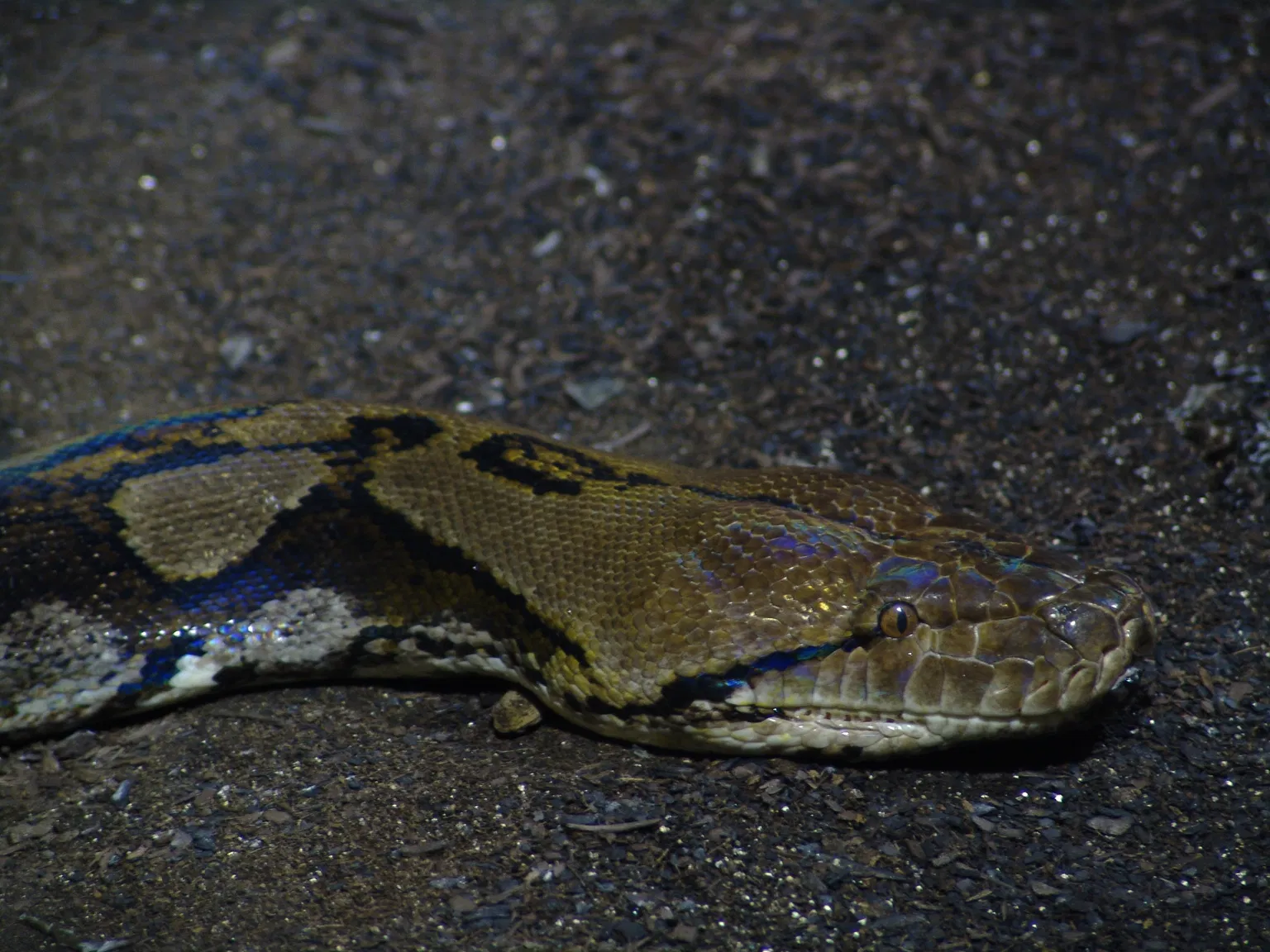
South Florida snake wrangler Kevin Pavlidis — better known to his online followers as "Snakeaholic" — helped capture the longest live reticulated python ever recorded in Puerto Rico this week: an 18-foot-4-inch giant that was found after it reportedly strangled a pet cat. The capture quickly made national headlines as a wild wildlife story, but for pet owners and exotic animal enthusiasts, it carries a serious lesson about the world's longest snake species and what happens when giant reptiles end up thousands of miles from their native Southeast Asia.
How a Pet Cat Led Hunters to Puerto Rico's Biggest Reticulated Python
The chain of events started when a homeowner reported that a massive invasive snake was attacking a pet cat. Pavlidis and members of Proyecto Retic PR, a Puerto Rico-based conservation organization that works to remove invasive reptiles from the island, tracked the snake into the jungle after it was spotted strangling the cat. According to reports, bystanders intervened and the python released the cat and fled toward the dense vegetation bordering the mountain foothills.
The team pursued the snake and located it within roughly 20 minutes. After securing the animal, they measured it on camera, confirming a length of 18 feet, 4 inches — enough to set a new official record for the longest live-captured reticulated python ever caught in Puerto Rico. The "live captured" distinction matters: many record-setting pythons are only measured after being euthanized, but this snake was documented alive, and the feat quickly spread among reptile enthusiasts and conservation circles alike.

Reticulated pythons (Malayopython reticulatus) are the longest snake species on Earth and are native to Southeast Asia. They are not native to Puerto Rico, where they have become an established invasive species — a problem researchers link directly to the exotic pet trade. Just like the Burmese pythons that now dominate parts of the Florida Everglades, Puerto Rico's reticulated pythons trace back to captive animals that escaped or were deliberately released by owners who could no longer care for them.
From Florida's Record Burmese Python to a Puerto Rico Giant
Pavlidis is no stranger to record-setting snakes. A professional python hunter contracted by the Florida Fish and Wildlife Conservation Commission (FWC) and an alligator wrestler at Everglades Holiday Park, he previously helped catch Florida's record-breaking 18-foot-9-inch Burmese python alongside hunting partner Ryan Ausburn. In Florida's python removal program, contractors like Pavlidis are paid per snake, with reports noting a rate of $50 for the first four feet and $25 for each additional foot.
The "Snakeaholic" nickname stems from a lifelong fascination with snakes. His work in Puerto Rico is part of a wider effort to control invasive constrictors on the island, where the snakes have found a hospitable tropical climate and an abundant food supply. Florida's own Burmese python crisis offers a cautionary preview: since the 1970s, released pet pythons have multiplied into a self-sustaining population that now numbers in the tens of thousands and has devastated native wildlife.
Why This Giant Snake Story Matters for Every Pet Owner
For most pet owners, an 18-foot constrictor may feel like a distant news curiosity. But the story highlights exactly why giant snake species are rarely appropriate pets — and why responsible ownership matters for the animals, for people, and for local ecosystems.
Reticulated pythons are remarkable animals, but their care demands are enormous. A mature mainland reticulated python can exceed 20 feet, and reptile care guides generally recommend an enclosure at least one and a half times the snake's length. Even the smaller "dwarf" and "super dwarf" lines need substantial space, with a minimum enclosure for a smaller reticulated python commonly cited around 8 feet long by 4 feet wide by 4 feet tall.
Their environmental needs are equally demanding. Keepers must maintain a thermal gradient with a warm side of roughly 88–92°F, a cooler side of 76–80°F, and nighttime temperatures of 74–78°F. Humidity should stay between about 65% and 90%, with extra moisture during shedding. They are strict carnivores, typically fed frozen-thawed rodents or other appropriately sized prey, and a single large meal can sustain a big python for weeks.
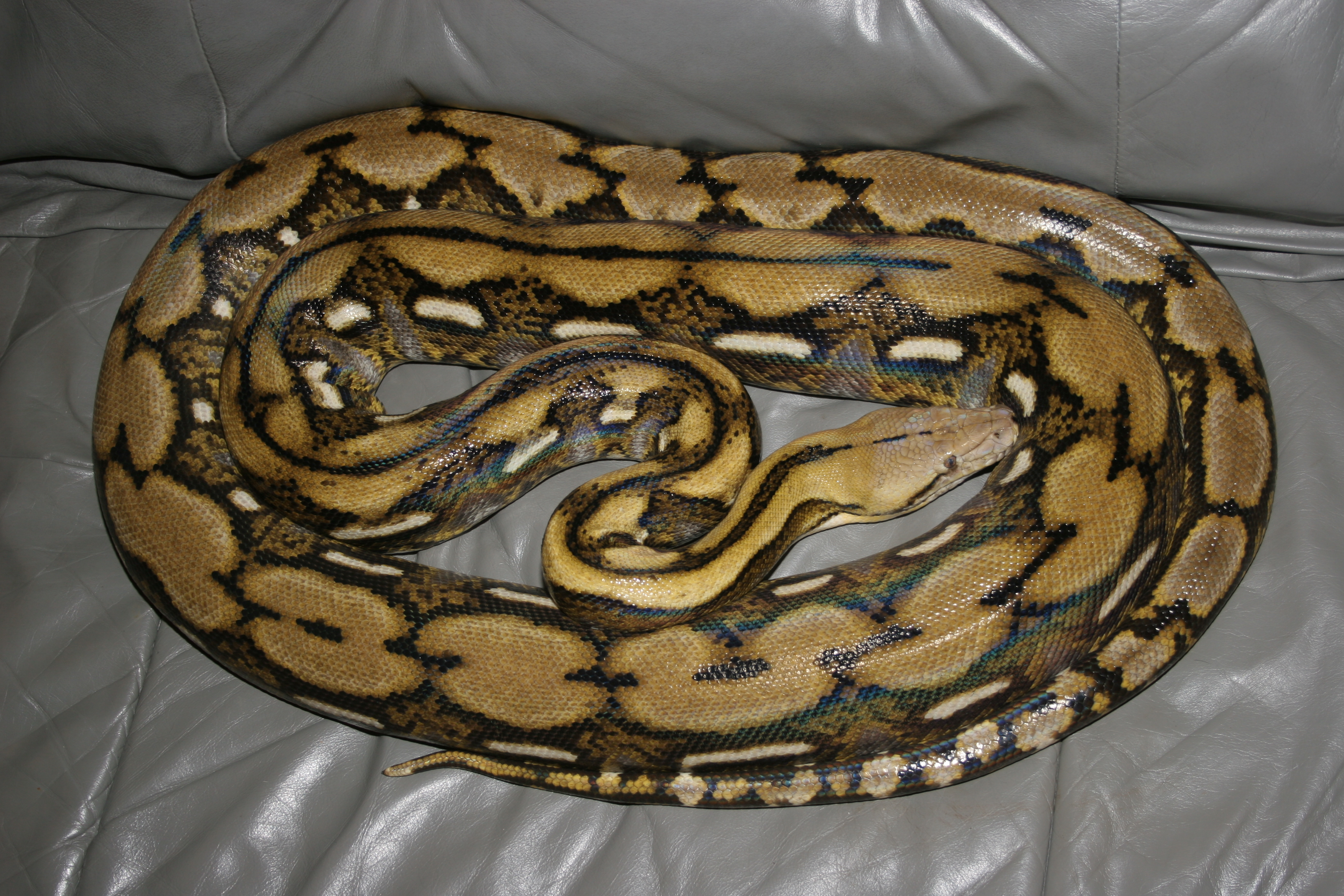
Because of their size, strength, and care requirements, reticulated pythons are widely considered a species for experienced keepers only — not beginners. A large reticulated python should never be handled alone, and its feeding response and power demand respect. Exotic animal veterinarians and reptile rescues consistently warn that these snakes outgrow casual ownership quickly, which is exactly how animals like the one captured in Puerto Rico end up abandoned in the wild. The cost of building and maintaining a proper enclosure, combined with decades of feeding and veterinary care, makes giant constrictors a serious, long-term commitment.
Where Things Stand Now for Puerto Rico's Invasive Pythons
Puerto Rico now recognizes a reproducing population of reticulated pythons. In June 2024, the island's Department of Natural and Environmental Resources (DRNA) issued an administrative order addressing exotic snakes, a sign of growing concern over established invasive constrictors. Researchers note that reticulated pythons have been found in the wild there, including both adults and neonates, indicating the animals are breeding successfully.
The captured 18-foot-4-inch snake is a stark reminder of how large these invaders can grow. For scale, the longest reticulated python ever measured was a 23-foot-8-inch female known as "The Baroness" from Indonesia, and the longest recorded in captivity was "Medusa," which measured more than 25 feet and weighed over 350 pounds.
What Happens Next for the Reticulated Python Invasion
Conservation groups like Proyecto Retic PR continue working to remove invasive pythons from Puerto Rico and educate the public about the risks of releasing exotic pets. Experts say the key to preventing future problems lies in responsible pet ownership: never releasing a snake or other exotic animal into the wild, researching a species' adult size and care needs before bringing one home, and rehoming unwanted pets through licensed rescues rather than abandoning them.
For prospective reptile keepers, the takeaway is to start with a manageable species and to choose smaller morphs if a reticulated python is truly the goal. "Super dwarf" and "dwarf" lines can stay dramatically smaller than their mainland cousins, but they still require the same careful temperature, humidity, and enclosure management — and the same long-term commitment.
The Bottom Line: What Pet Owners Should Remember
- Kevin "Snakeaholic" Pavlidis helped capture an 18-foot-4-inch reticulated python in Puerto Rico after it was spotted strangling a pet cat.
- The snake is the longest live reticulated python ever caught in Puerto Rico and highlights a growing invasive species problem.
- Reticulated pythons are the world's longest snakes, native to Southeast Asia and introduced to Puerto Rico through the pet trade.
- They require enormous enclosures, precise heat and humidity, and are not recommended for beginner keepers.
- Never release an exotic pet into the wild — rehome it through a licensed rescue instead.