
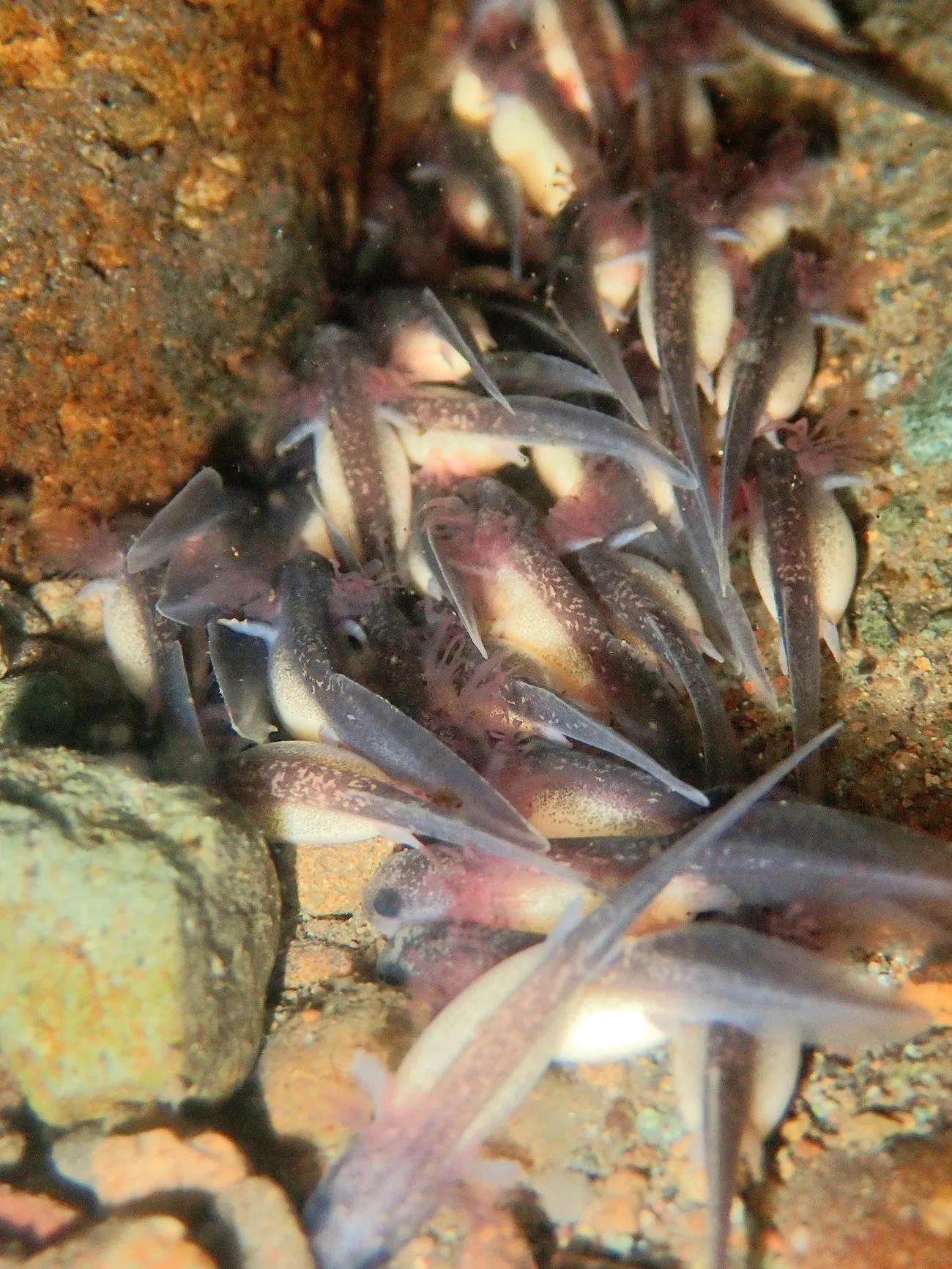
In a groundbreaking discovery that has excited both scientists and amphibian enthusiasts, National Park Service fish biologist Michael Reichmuth captured the first-ever photographs of newly hatched California giant salamander larvae in their natural habitat. The historic images, taken on September 10, 2025, during a routine snorkel survey in Point Reyes National Seashore’s Olema Creek, provide unprecedented insights into the early life stages of this elusive species that has remained virtually unchanged since the age of dinosaurs.
How a Routine Survey Led to Historic Discovery
For over two decades, Michael Reichmuth has braved the cold waters of Northern California's tree-lined creeks to monitor endangered juvenile coho salmon populations. What began as another routine survey day turned into a moment of scientific serendipity when Reichmuth spotted an unfamiliar cluster of tiny creatures beneath rocks in a calm pool. "At first glance, I thought they were fish," Reichmuth noted in the National Park Service report. Fortunately, he had a camera with him and captured images of what amphibian expert Patrick Kleeman of the U.S. Geological Survey would later confirm were California giant salamander larvae—a sight never before documented in the wild.
Timeline: From Discovery to Scientific Confirmation
The journey from initial sighting to verified discovery unfolded over several months. On September 10, 2025, Reichmuth photographed the larval cluster during his snorkel survey. By March 2026, the National Park Service had published the findings in their "Picturing the Unseen" series. U.S. Geological Survey biologist Patrick Kleeman confirmed the identification based on location and physical characteristics, noting that the tight clustering and visible yolk sacs indicated recent hatching. The scientific community quickly recognized the significance of these photographs, which filled critical gaps in understanding this species' reproductive biology.
Why This Discovery Matters for Amphibian Conservation
California giant salamanders (Dicamptodon ensatus) are classified as a "species of special concern" in California and listed as near threatened by the International Union for Conservation of Nature. Their limited range along coastal central California and sensitivity to environmental changes make them particularly vulnerable. "This discovery provides crucial baseline data about their nesting preferences and timing of larval development," explains Kleeman. For conservationists, understanding where and when these salamanders breed is essential for protecting critical habitats from development, pollution, and climate change impacts.
Current Status: What We Know About California Giant Salamanders
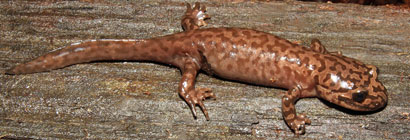
Adult California giant salamanders are impressive creatures, reaching 6-12 inches in length and featuring distinctive speckled patterning that provides camouflage in their forest stream habitats. Unlike many amphibians that undergo complete metamorphosis, some populations of this species exhibit paedomorphosis—retaining larval characteristics like gills into adulthood while becoming sexually mature. They primarily inhabit clear, cold streams in coastal redwood and mixed evergreen forests, where they feed on insects, small fish, and even other salamanders. Despite their size and ecological importance, their secretive nature has made them notoriously difficult to study until now.
What Happens Next: Implications for Research and Pet Enthusiasts
The photographic documentation of larvae opens new avenues for research into California giant salamander life cycles, habitat requirements, and population trends. For amphibian enthusiasts and pet owners, this discovery highlights the importance of conservation-minded practices. While California giant salamanders are protected and not available in the pet trade, their care requirements mirror those of other large salamander species kept by experienced hobbyists. Proper housing for similar species includes spacious aquaterrariums with cool, clean, oxygenated water, hiding places, and appropriate diets of live invertebrates and small fish.
The Bottom Line: Key Takeaways for the Pet Community
This historic discovery reminds us that even well-studied regions like California still harbor biological mysteries waiting to be uncovered. For pet owners interested in amphibians, it underscores the importance of supporting conservation efforts and ethical pet sourcing. While we may never keep California giant salamanders as pets, we can apply lessons from their conservation to care for other amphibian species responsibly. The photographs represent not just a scientific breakthrough but a call to protect the delicate ecosystems that sustain these remarkable creatures for generations to come.