
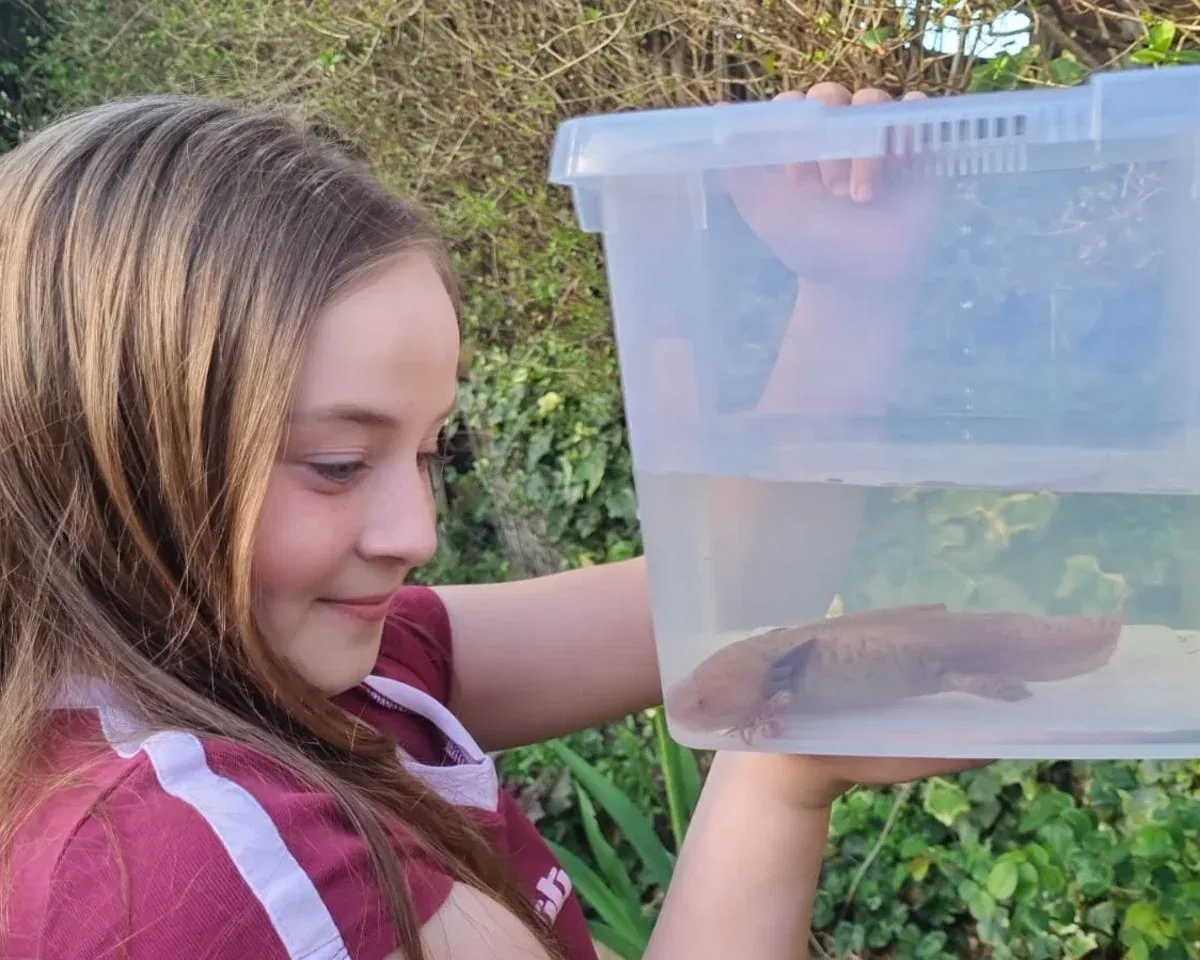
The Mexican axolotl (Ambystoma mexicanum) has taken the internet by storm. Known for their feathery external gills, perpetual half-smile, and remarkable ability to regrow lost body parts, these aquatic salamanders have become beloved pets and social media stars. But a recent discovery in Wales has brought these fascinating creatures into the spotlight for a different reason: a 10-year-old girl named Evie Hill found a rare Mexican axolotl living under a bridge near Bridgend, South Wales, sparking conversations about exotic pet ownership and conservation.
A Surprising Discovery Under a Welsh Bridge
In April 2026, Evie Hill was playing by the River Ogmore when she spotted something unusual in the water: a Mexican axolotl, a species native to the canals of Mexico City and critically endangered in the wild. She named the salamander Dippy and, with her family's help, contacted experts who confirmed it was the first known wild sighting of an axolotl in the United Kingdom.
Wildlife experts, however, believe Dippy was likely an abandoned pet. "The craze for Mexican salamanders as pets has been fuelled by Pokémon and Minecraft," experts told The Guardian, "but inexperienced owners are often out of their depths." The axolotl was taken to a specialist facility where it can receive proper care. This heartwarming but cautionary tale highlights a growing trend: axolotls are more popular than ever as exotic pets, but they come with specific needs that every potential owner should understand before bringing one home.
Timeline: The Axolotl in the Spotlight
1864 — French naturalists bring 34 live axolotls from Mexico to Paris. These become the ancestors of most pet axolotls worldwide today.
2000s–2010s — Axolotls gain global fame through Minecraft, where the axolotl mob was introduced, and Pokémon, inspiring the character Wooper.
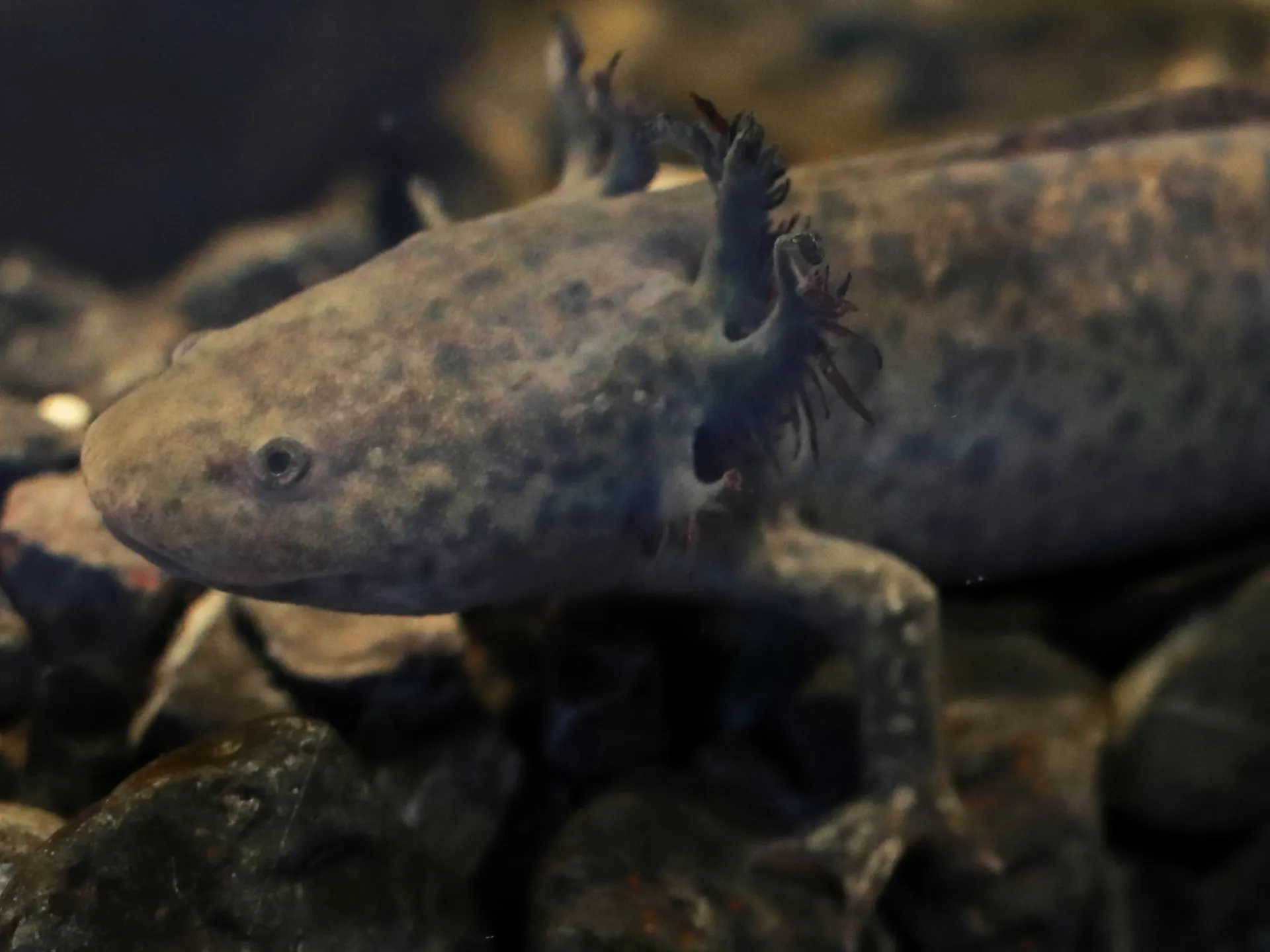
2025 — Al Jazeera reports that pollution has reduced wild axolotl numbers by 99.5 percent, with only 50 to 1,000 individuals remaining in their sole natural habitat — the Xochimilco canal system near Mexico City. Conservation International begins restoring the lake system using ancient chinampa farming techniques.
April 2026 — Ten-year-old Evie Hill discovers an axolotl under a bridge in Wales, making headlines worldwide and highlighting the growing pet axolotl trend.
Why Axolotls Need Specialized Care
Axolotls are not your average pet. Unlike most amphibians, they never undergo metamorphosis to live on land. Instead, they remain in their aquatic larval form their entire lives — a trait called neoteny. This means they require a carefully maintained aquatic environment to thrive.
Tank Setup Requirements
A single adult axolotl needs at least a 15- to 20-gallon tank. According to care experts from Libertyland Axolotl Rescue and specialists at Swell UK, the following conditions are critical:
- Water Temperature: Axolotls are cold-water amphibians. The ideal range is 60–68°F (15–20°C). Temperatures above 72°F cause stress, reduced appetite, and increased risk of fungal infections. No heater is needed — in fact, in warmer climates, a water chiller may be necessary.
- Filtration: A gentle filter with low water flow is essential. Axolotls are sensitive to strong currents. Sponge filters or canister filters with spray bars work well.
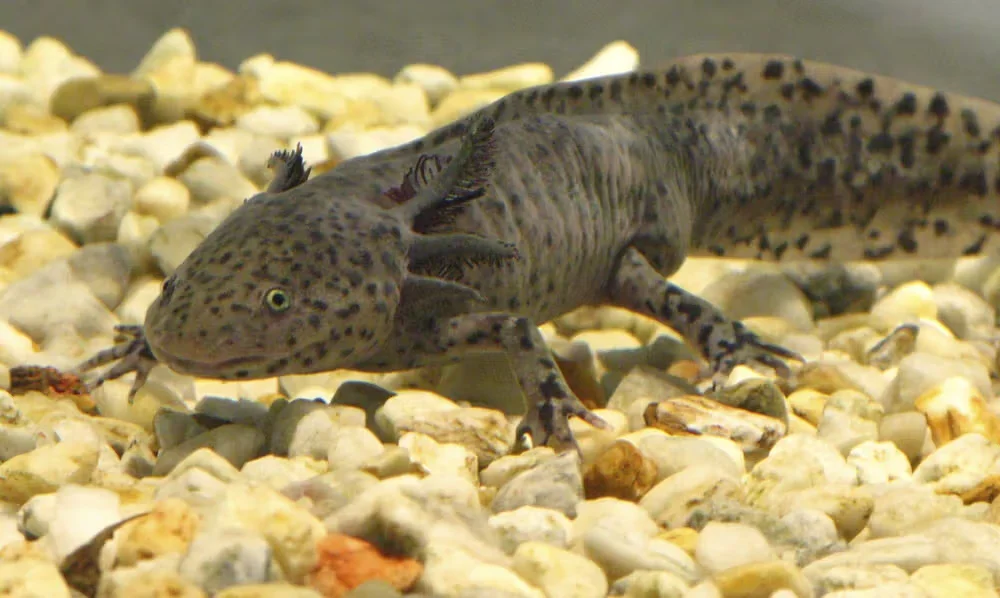
- Substrate: Fine sand or bare-bottom tanks are safest. Gravel or small pebbles can be ingested accidentally and cause fatal impaction.
- Water Quality: Ammonia and nitrite levels must always be at 0 ppm. Weekly water changes of 20% are required using a dechlorinator.
- Hides: Provide caves, PVC pipes, or aquarium-safe decorations where your axolotl can retreat from light.
Feeding Your Axolotl
Axolotls are carnivorous suction-feeders. They eat by opening their mouths quickly and vacuuming in their prey. A healthy diet includes:
- Earthworms (the gold standard for nutrition)
- Bloodworms (as a treat, not a staple)
- Axolotl pellets or salmon pellets
- Daphnia and brine shrimp for juveniles
Young axolotls should be fed daily, while adults only need feeding every 2–3 days. They are opportunistic eaters and can become overweight if overfed.
Conservation Status: Why Wild Axolotls Are Disappearing
While axolotls are abundant in captivity — with most pet specimens being descendants of that original 1864 shipment to Paris — their wild counterparts are on the brink of extinction. The International Union for Conservation of Nature (IUCN) lists the axolotl as critically endangered.
The only place axolotls exist in the wild is the Xochimilco lake system in central Mexico, an ancient network of canals built by the Xochimilca people over a thousand years ago. Today, this habitat faces severe threats: pollution from Mexico City's urban sprawl, invasive fish species introduced into the canals, and water extraction for agriculture.
Conservation International is partnering with local communities to restore Xochimilco using chinampas — artificial floating islands used for centuries by Indigenous farmers. By transitioning to pesticide-free farming and installing biofilters, the project aims to clean the water so axolotls can thrive again.
Where Things Stand Now: The Axolotl as a Pet
The rescued axolotl Dippy is now receiving professional care, and the story has prompted discussions about responsible exotic pet ownership. Axolotls can live 10–15 years in captivity with proper care, making them a long-term commitment. Before purchasing an axolotl, consider these essential points:
- They require a fully cycled aquarium before introduction — this process takes 4–8 weeks.
- They are sensitive to water parameters and prone to stress-related illnesses.
- Handling should be minimized as their skin is delicate and permeable.
- Never release an unwanted axolotl into the wild — they are not native outside Mexico and releasing them can harm local ecosystems while being fatal to the animal.
What's Next: The Future of Axolotls
Scientists are optimistic about the axolotl's future, both in captivity and in the wild. The axolotl's genome — ten times the size of the human genome — continues to be studied for insights into regeneration that could one day benefit human medicine. Meanwhile, conservation projects in Xochimilco are showing promising results, and the growing community of responsible pet owners ensures that captive populations remain healthy and diverse.
For those considering an axolotl as a pet, the message from experts is clear: do your research, set up the tank properly before bringing one home, and source your axolotl from reputable breeders rather than contributing to wild population decline.
Key Takeaways: Everything You Need to Know About Axolotls
- Axolotls are critically endangered in the wild but widely bred in captivity as pets.
- They require cool water (60–68°F), a cycled tank with gentle filtration, and a sand or bare-bottom substrate.
- They eat worms, pellets, and bloodworms, with adults needing feeding only 2–3 times per week.
- Never release an axolotl into the wild — they are not native outside Mexico.
- With proper care, axolotls can live 10–15 years and make fascinating, low-maintenance aquatic pets.
- Conservation efforts using ancient chinampa farming techniques aim to restore their natural habitat in Mexico.