
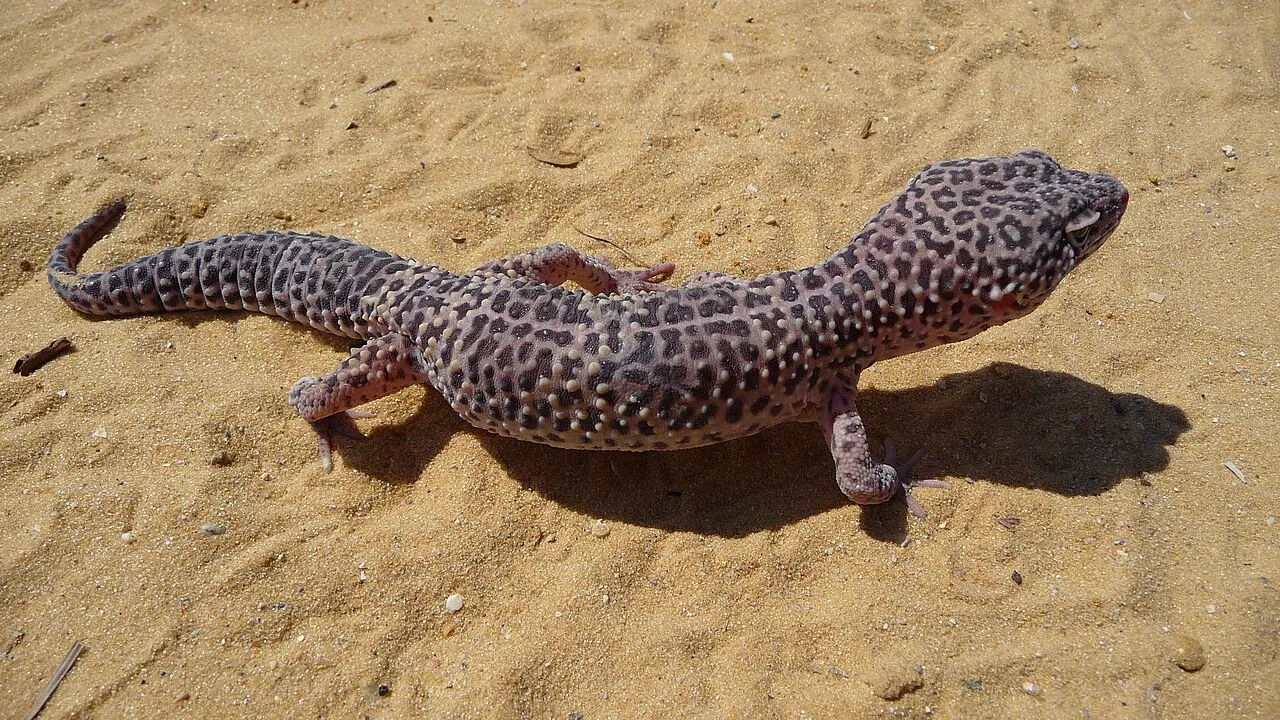
Leopard geckos (Eublepharis macularius) have quietly become one of the most popular pet reptiles on the planet — and for good reason. These gentle, wide-eyed lizards from the rocky deserts of South Asia are widely considered the ideal first reptile: easy to handle, relatively low-maintenance, and capable of living 15 to 20 years or more with proper care. But in 2026, the leopard gecko is making headlines for an entirely different reason. A rare color morph called the Lemon Frost, prized for its brilliant yellow-and-white pattern, is helping scientists unlock the genetic secrets behind tumor growth — turning a beloved pet into an unexpected ally in cancer research. Here is everything you need to know about leopard gecko care, from habitat setup and diet to lifespan and the science that has put these lizards in the spotlight.
Why Leopard Geckos Rule the Beginner Reptile World
Leopard geckos are native to the rocky, dry grasslands and desert regions of Afghanistan, Pakistan, northwestern India, Iran, and parts of Nepal. Unlike most geckos, they possess movable eyelids — the genus name Eublepharis literally means "true eyelid" — which gives them their famously expressive, almost smiling faces. They also lack the sticky toe pads that let other geckos scale smooth glass; instead, they have small claws built for scrambling over rocks and hiding in crevices.
Their calm, tolerant temperament is a major part of their appeal. Adult leopard geckos typically measure 7 to 11 inches long, with males generally larger than females, and weigh roughly 50 to 80 grams. They are often cited as one of the first lizard species to be domesticated, and modern breeders have developed more than 150 recognized color and pattern morphs — from Tangerine and Mack Snow to the jet-black Black Night and the all-white Diablo Blanco.
From Hatchling to 20-Year Companion: The Leopard Gecko Lifecycle
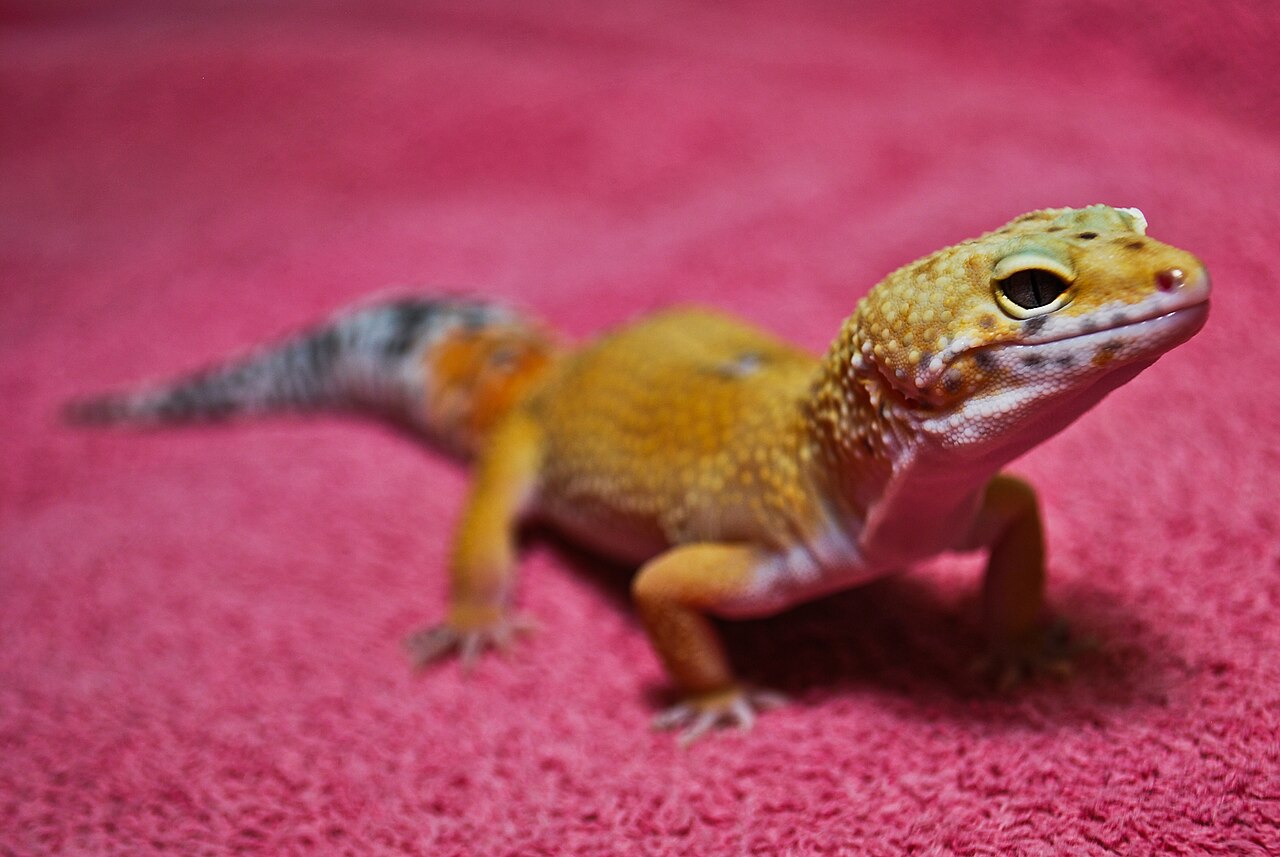
Leopard geckos move through four clear life stages: hatchling, juvenile, adult, and senior. Hatchlings start life at just 1.5 to 2 inches and shed their skin every two to four weeks as they grow quickly. Juveniles should be fed daily to fuel that growth, while adults transition to every-other-day feedings. Adults shed every four to eight weeks and, like many lizards, eat their shed skin to recycle precious nutrients.
One of the leopard gecko's most famous survival tricks is autotomy — the ability to drop its tail when grabbed by a predator. The detached tail keeps wriggling to distract the threat while the gecko escapes, and a new tail eventually regrows. In captivity, this is a reminder to always handle these lizards gently and never grab them by the tail.
The Lemon Frost Breakthrough: A Pet Gecko's Role in Cancer Research
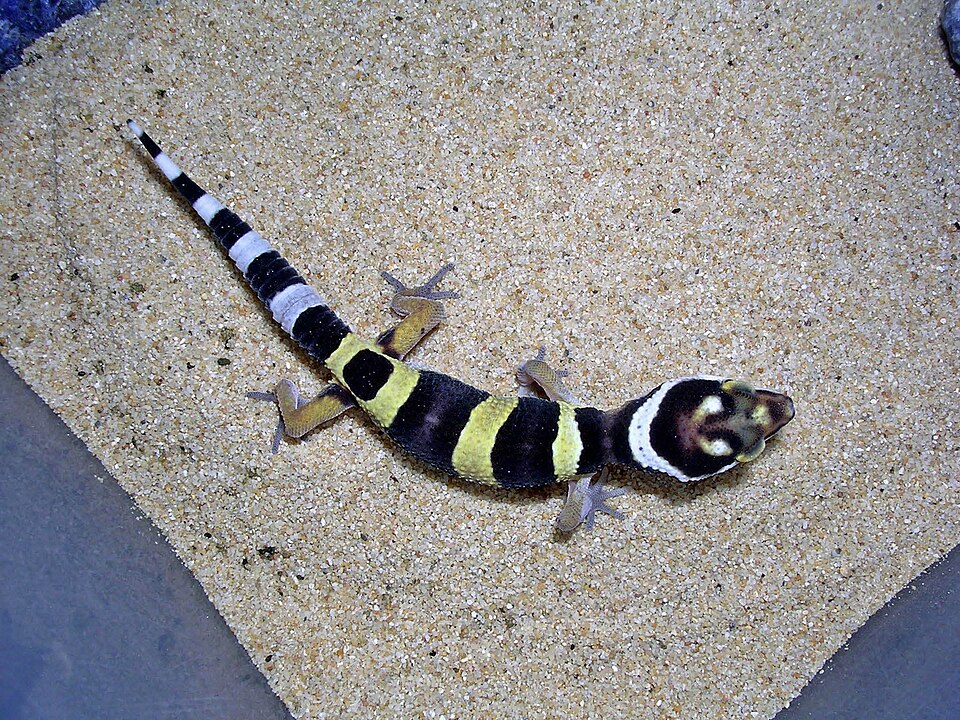
Here is where the leopard gecko's story turns genuinely remarkable. The Lemon Frost morph emerged circa 2015 from a spontaneous genetic mutation during selective breeding, descended from a striking founder male nicknamed "Mr. Frosty." It quickly became sought-after for its dazzling bright-yellow and white coloring. But breeders soon uncovered a dark secret: Lemon Frost geckos develop a type of tumor called an iridophoroma at rates exceeding 80 percent, often before the age of five.
In 2020, scientists traced the trait to a mutation in a gene called SPINT1, a tumor-suppressor gene that is also connected to skin cancer and melanoma in humans. Remarkably, the same genetic change drives both the gecko's vivid color and its tumor growth. That quirk has transformed the Lemon Frost gecko into a living laboratory: researchers are now studying these animals to understand how cancers form, how tumors develop, and why some individuals are more vulnerable than others.
Building the Perfect Leopard Gecko Habitat
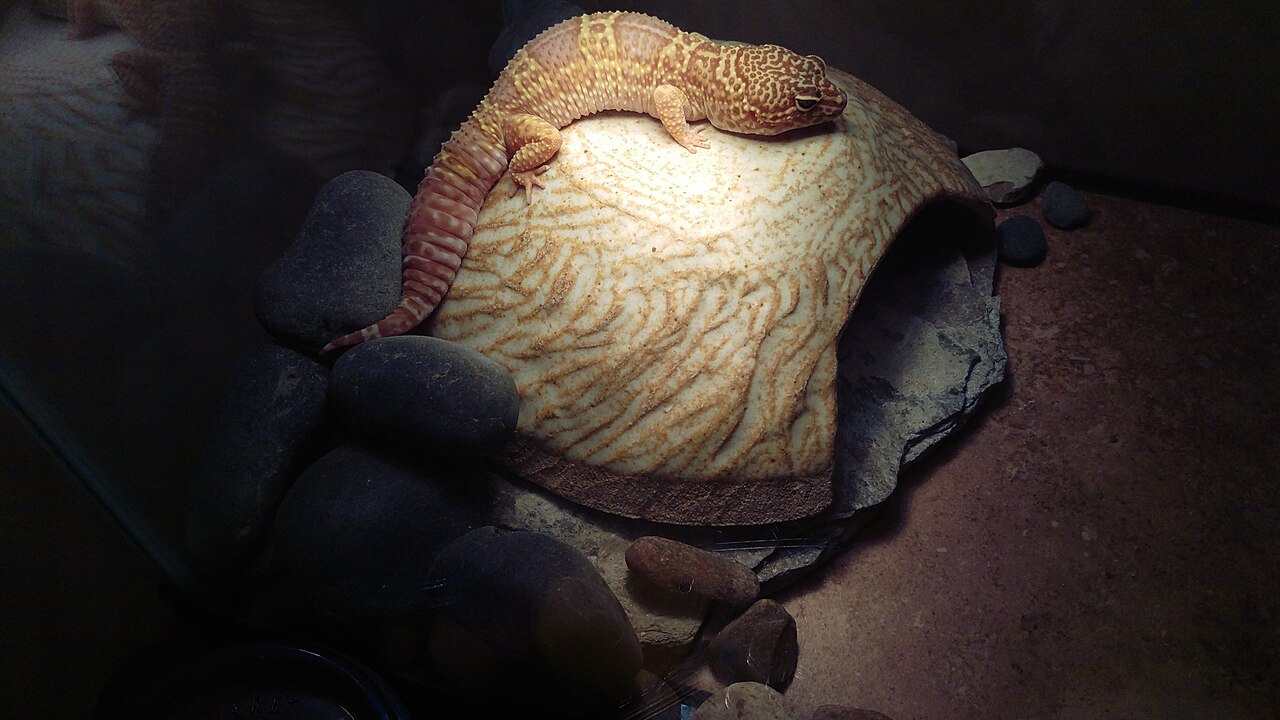
A proper enclosure is the foundation of leopard gecko health. Because these lizards are cold-blooded, they need a temperature gradient to regulate their body heat: a warm side of 88 to 92 degrees Fahrenheit, a cool side around 70 to 77 degrees, and a basking spot that can reach the mid-90s. Heat should come from a source that does not produce overly bright light, since leopard geckos are crepuscular and most active at dawn and dusk.
Substrate matters too. For healthy adult geckos, a 50/50 mix of organic topsoil and sand closely mimics their natural habitat, while younger geckos are often kept on paper towels or reptile carpet to reduce the risk of accidental ingestion. Every enclosure should include a warm hide, a cool hide, and a moist hide to support shedding, plus a shallow dish of clean water at all times.
Feeding Your Leopard Gecko: An Insect-Only Menu
Leopard geckos are strict insectivores — they eat no fruit or vegetables. A varied menu of live insects is key: crickets, mealworms, waxworms, dubia roaches, calci-worms, and silkworms are all good options. Waxworms should be treated as an occasional treat because of their high fat content. Most adults eat two to ten appropriately sized insects per feeding, every other day.
Supplementation is non-negotiable. In the wild, geckos obtain calcium from varied prey, but captive insects are nutritionally poor on their own. Dust feeder insects with a calcium and vitamin D3 powder at nearly every feeding, plus a multivitamin once or twice a week. "Gut-loading" — feeding the insects nutritious food 24 hours before offering them — further boosts the meal's nutritional value.
Where Leopard Gecko Care Stands in 2026
Leopard gecko husbandry has evolved considerably in recent years. Modern keepers increasingly favor larger, more naturalistic enclosures and bioactive setups with live plants and clean-up crews, rather than the sparse, bare tanks of the past. There is also growing awareness that low-level UVB lighting can benefit these animals even though they are nocturnal-adjacent, and many care guides now recommend it alongside proper supplementation.
Cleaning remains straightforward but essential: spot-clean the enclosure daily to remove droppings and uneaten insects, and do a full clean roughly every four weeks. Leopard geckos should be housed alone to prevent territorial fights, and any handling should be gentle and brief at first to build trust.
What's Next for Leopard Geckos and Their Keepers
The Lemon Frost research is far from finished. As scientists continue to map the SPINT1 gene and its role in iridophore cells, the leopard gecko could help illuminate pathways relevant to melanoma and other human cancers. At the same time, responsible breeders are increasingly open about the ethical questions surrounding cancer-prone morphs, and many now discourage breeding Lemon Frost geckos despite their beauty.
For everyday pet owners, the future of leopard gecko care points toward more naturalistic husbandry, better nutrition, and longer, healthier lives. With proper setup and attention, a well-cared-for leopard gecko can remain a fascinating companion for two decades or more.
The Bottom Line: Leopard Gecko Essentials
If you are considering a leopard gecko, keep these core facts in mind:
- They are insectivores that need a varied live-insect diet plus calcium and vitamin D3 supplements.
- They require a temperature gradient (warm side 88–92°F, cool side 70–77°F) and at least three hides.
- Adults live 15 to 20-plus years, making them a long-term commitment.
- More than 150 morphs exist, but the cancer-prone Lemon Frost morph highlights the importance of ethical breeding.
- Gentle handling, daily spot cleaning, and a 50/50 soil-sand substrate for adults are keys to a thriving gecko.