
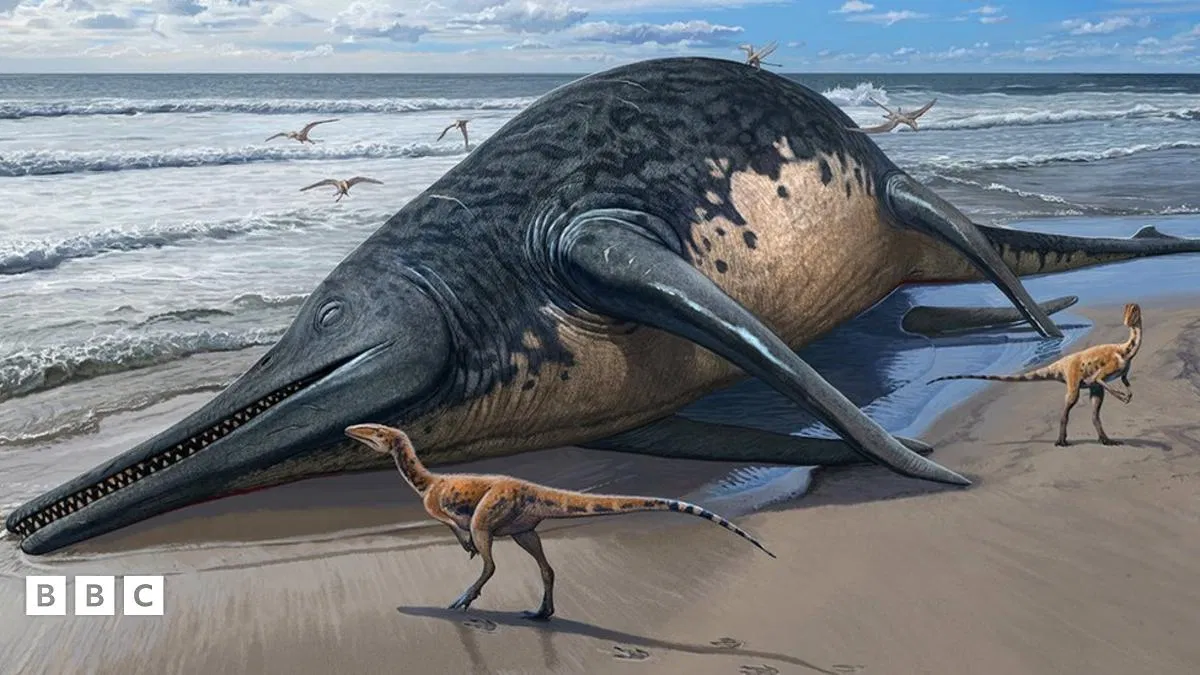
In a remarkable story that bridges ancient history and modern discovery, an 11-year-old girl’s casual fossil hunt on a British beach has led to the identification of what may be the largest marine reptile ever to swim Earth’s oceans. Ruby Reynolds and her father, Justin, were exploring the mudflats at Blue Anchor in Somerset when they spotted fragments of an enormous jawbone—a find that would soon be named Ichthyotitan severnensis and rewrite our understanding of Triassic sea giants.
How a Family Fossil Hunt Uncovered a Prehistoric Giant
According to NPR, Ruby Reynolds was just 11 years old when she and her father noticed a strange, large bone protruding from the sediment. What they initially thought might be a piece of dinosaur turned out to be part of the lower jaw (surangular) of a colossal ichthyosaur, a group of extinct marine reptiles that ruled the seas during the age of dinosaurs. The discovery, made in 2020, followed an earlier find of a similar jawbone in 2016 by amateur fossil collector Paul de la Salle. Together, these two fossils allowed paleontologists to confirm they were dealing with a new species—one that dwarfed even the largest known ichthyosaurs.
Timeline: The Step‑by‑Step Discovery of a Sea Monster
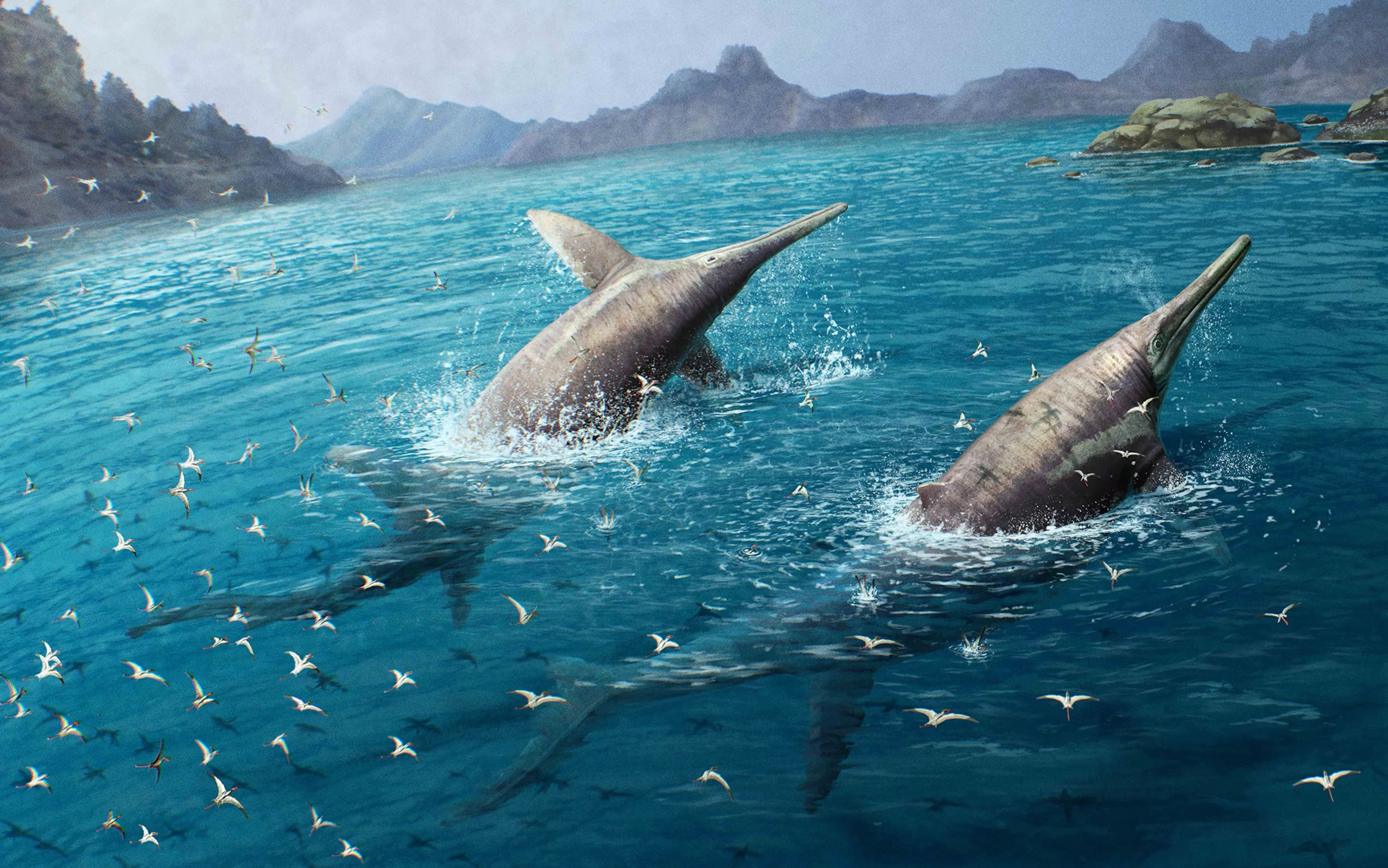
The story of Ichthyotitan severnensis unfolded over nearly a decade. In 2016, Paul de la Salle found the first surangular bone on the Somerset coast and contacted ichthyosaur expert Dean Lomax. Years later, Ruby and Justin Reynolds found the second, even larger piece. As reported by BBC Newsround, the two fossils were compared and studied for three years before the team, led by Lomax and published in the journal PLOS ONE, announced the new species in April 2024. The name Ichthyotitan severnensis means “giant fish lizard of the Severn,” honoring the nearby Severn Estuary where the fossils were discovered.
Why This Ancient Reptile Matters to Modern Pet Enthusiasts
At first glance, a 202‑million‑year‑old marine reptile might seem far removed from today’s pet world. But Ichthyotitan severnensis offers a fascinating lesson in convergent evolution—the same phenomenon that shapes many of the aquatic animals we keep in home aquariums. Just as ichthyosaurs independently evolved streamlined, dolphin‑like bodies to thrive in open water, many modern fish have developed similar adaptations for speed, maneuverability, and predation. National Geographic notes that ichthyosaurs were the “killer whales of their time,” apex predators that filled an ecological niche similar to that of modern orcas and large sharks.
For aquarium hobbyists, understanding how ancient reptiles adapted to marine life deepens our appreciation of the evolutionary pressures that have shaped today’s popular aquarium species. From the sleek bodies of angelfish to the powerful tails of cichlids, the same principles of hydrodynamics and natural selection that crafted Ichthyotitan are still at work in our tanks.
Where Things Stand Now: The Fossil’s Journey to Public Display
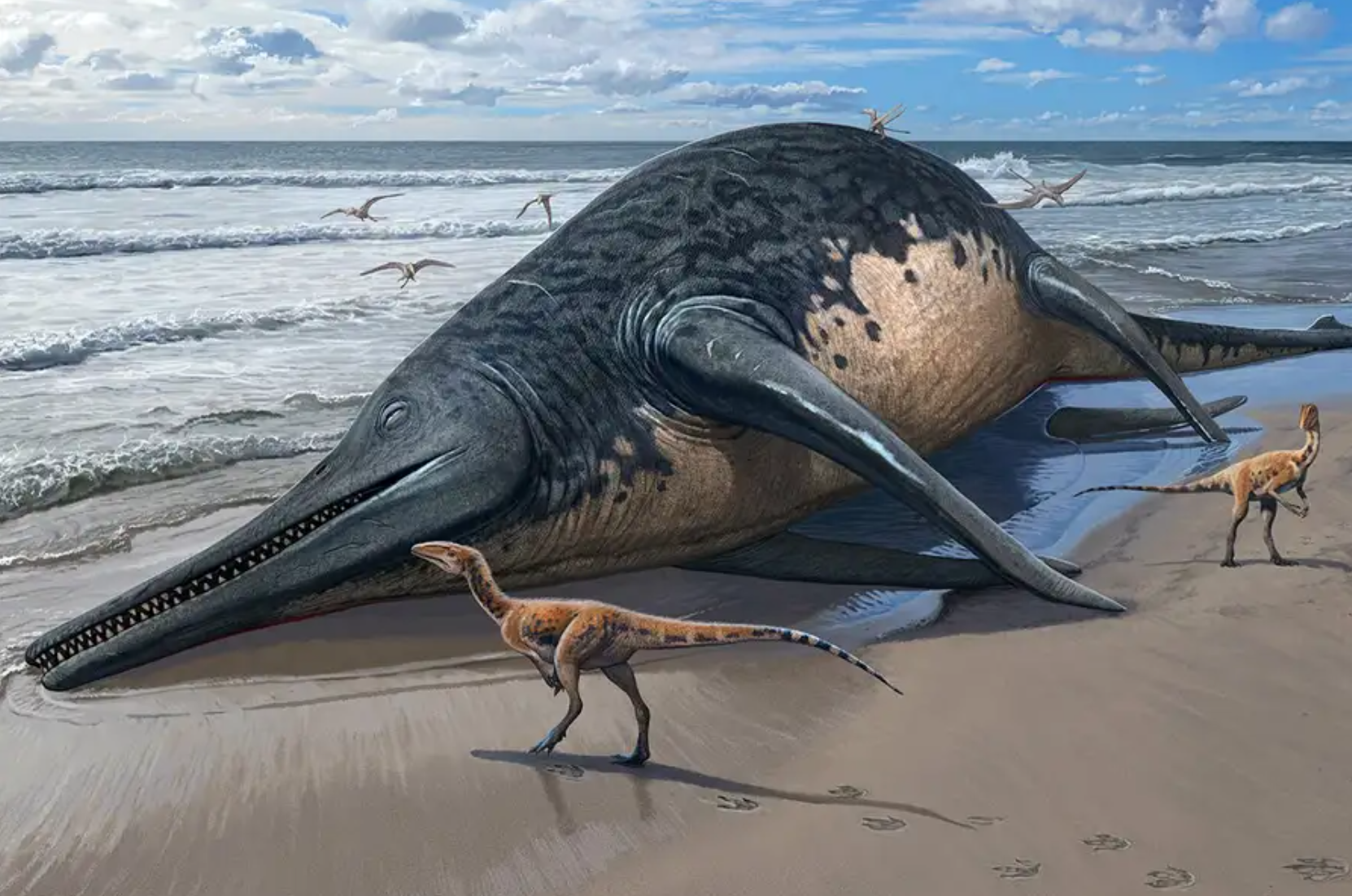
After years of careful study, the fossils of Ichthyotitan severnensis are now poised to enter the public eye. According to Open Access Government, the bones will soon go on display at the Bristol Museum and Art Gallery, allowing visitors to come face‑to‑jaw with one of the most colossal creatures ever to inhabit our planet. The exhibition will also highlight the vital role that amateur fossil hunters—including a young girl and her father—play in advancing paleontology.
What Happens Next: Unlocking More Secrets of the Ancient Oceans
Scientists are eager to search for more complete remains of Ichthyotitan. As Sci.News reports, the current fossils are only jaw fragments; a full skeleton could reveal details about its feeding habits, growth rate, and how it compared to other giant marine reptiles. Future finds may also help explain why these leviathans disappeared at the end of the Triassic, an extinction event that cleared the way for new marine predators. For pet and aquarium enthusiasts, each new discovery adds another piece to the puzzle of how aquatic life has evolved—and how the animals we care for today are connected to a lineage that stretches back hundreds of millions of years.
The Bottom Line: Key Takeaways from the Ichthyotitan Discovery
The story of Ichthyotitan severnensis is more than just a paleontological headline. It reminds us that groundbreaking discoveries can come from the most unexpected places—even a child’s day at the beach. It illustrates the power of convergent evolution, showing how similar body plans arise independently in different lineages. And for anyone fascinated by aquatic life, whether ancient or modern, it underscores the deep evolutionary threads that link the giants of the past to the creatures in our home aquariums. As research continues, this giant “fish lizard” will surely keep teaching us about the incredible history of life in the sea.