
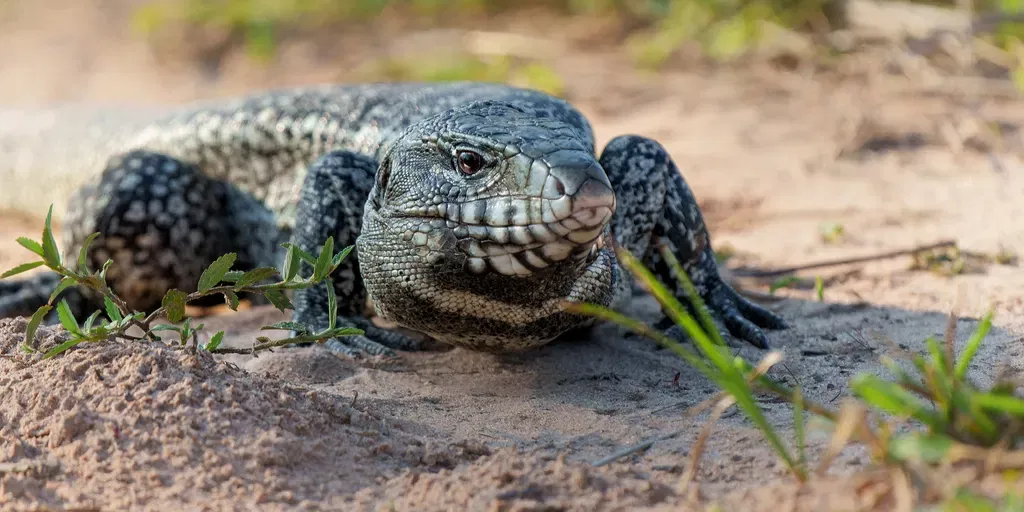
Georgia residents may not expect to find a four-foot-long lizard native to South America roaming their backyards, but that's exactly what's happening across the southeastern part of the state. Argentine black and white tegus (Salvator merianae) have established a breeding population in Georgia, and wildlife officials are sounding the alarm. The invasive reptiles — once popular in the exotic pet trade — are now threatening native wildlife, spreading diseases like salmonella, and prompting urgent calls for public action.
How the Tegu Invasion Unfolded in Georgia
First reported in Georgia back in 2018, the Argentine black and white tegu population has expanded rapidly in just a few years. According to the Georgia Department of Natural Resources (DNR), the lizards are now concentrated in Toombs and Tattnall counties in the southeastern part of the state. Measuring up to four feet long and weighing over ten pounds, these large omnivores are opportunistic eaters with a taste for just about anything.
Their diet includes the eggs of ground-nesting birds like quail and wild turkeys, as well as reptile eggs from protected species such as American alligators and gopher tortoises. They'll also eat chicken eggs, fruits, vegetables, pet food, carrion, and small animals ranging from grasshoppers to young tortoises. This adaptability makes them a serious threat to Georgia's native ecosystems.
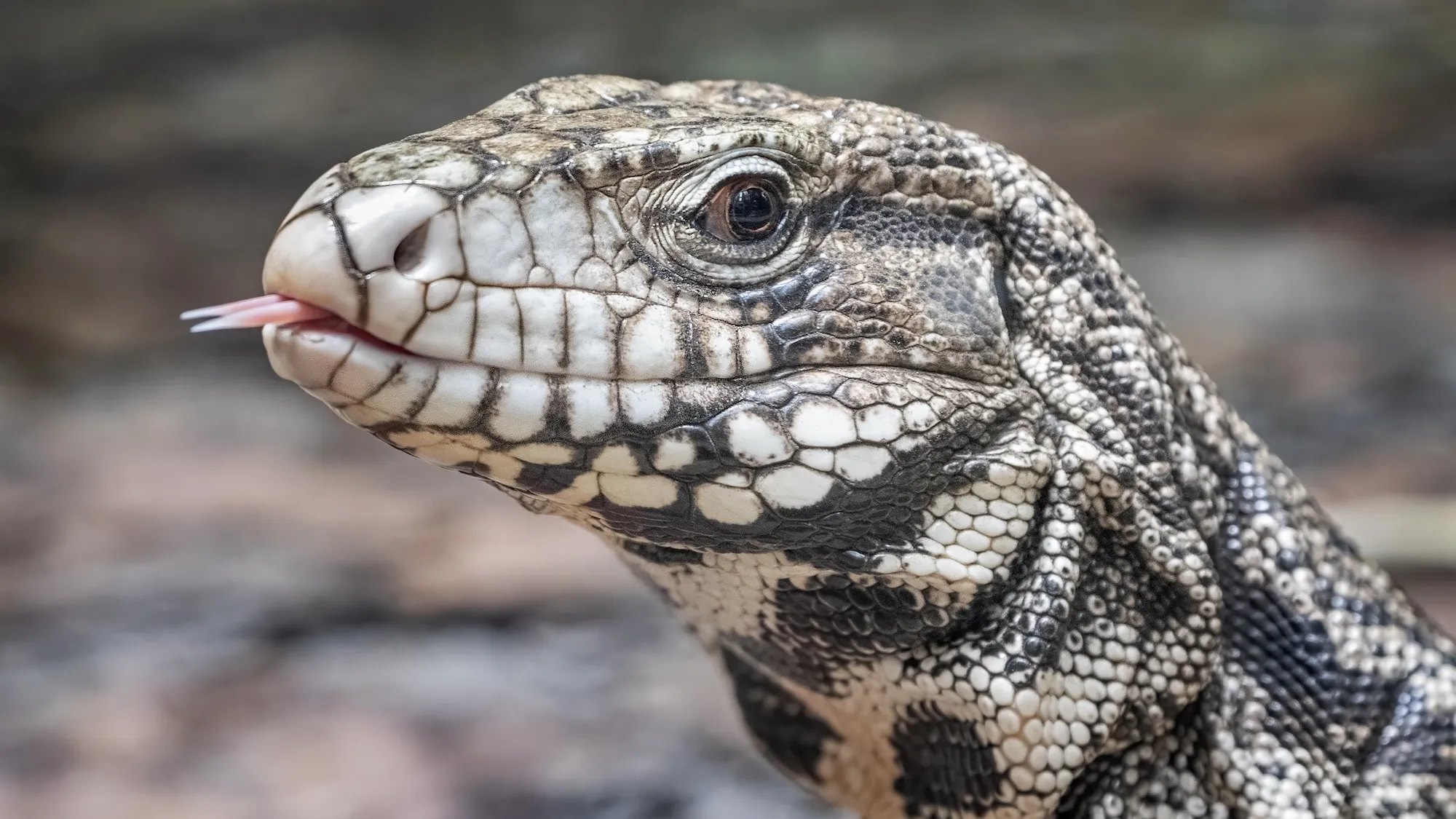
Beyond direct predation, tegus carry exotic parasites and salmonella bacteria, which can contaminate crops and water sources. The DNR stresses that while tegus are not typically aggressive toward humans, they will defend themselves with sharp teeth, strong jaws, and a lashing tail if threatened.
Timeline: From Pet Trade to Public Nuisance
The story of the Argentine black and white tegu in Georgia is a cautionary tale about exotic pet ownership gone wrong. Native to Brazil, Paraguay, Uruguay, and Argentina, these lizards became popular in the U.S. pet trade due to their relatively docile temperament and striking black-and-white speckled appearance. But as they grew — sometimes reaching four feet and living up to 20 years — many owners found them difficult to care for.
- 2018: Georgia DNR first begins investigating reports of Argentine black and white tegus in the wild.
- 2022: Georgia adds Argentine black and white tegus to its wild animal list, banning importing, breeding, and new ownership.
- December 2023: Deadline for existing pet owners to microchip (PIT tag) and register their tegus with the DNR. Any unregistered tegus after this date are illegal.
- 2024-2025: Ongoing trapping efforts by DNR, USGS, and Georgia Southern University. Traps capture hundreds of tegus.
- June 2026: Multiple news outlets report on the growing crisis as tegu hatchlings emerge in summer months, prompting fresh public warnings.
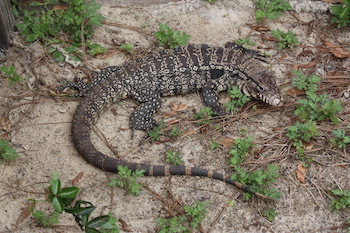
According to Dr. Brett Albanese of Georgia DNR, the tegu found living under a porch in Athens in 2023 perfectly illustrates the problem. “This is definitely an example of why we need to regulate these species,” Albanese said. “They can be difficult to keep and as they grow their owners may not want to care for them or be able to afford to.”
Why This Matters: Ecological and Pet Ownership Implications
The Argentine black and white tegu crisis in Georgia is a textbook case of what happens when exotic pets escape or are released into non-native environments. Female tegus reach reproductive age at about 12 inches long and can lay up to 35 eggs every year, with hatchlings typically emerging in June and July. With few natural predators in the United States, the population can explode rapidly.
The DNR is working with the U.S. Geological Survey and Georgia Southern University on a coordinated trapping and research program. According to Fox Weather, hundreds of tegus have been captured in recent years, but officials fear the population has already spread beyond the initial hotspot counties. Sightings have also been reported in Florida, Alabama, South Carolina, and Texas, according to an ongoing USGS mapping project.
For current and prospective exotic pet owners, the situation offers a stark reminder. Georgia now lists Argentine black and white tegus as wild animals. They cannot be kept as pets unless they were registered and tagged before December 4, 2023. Importing and breeding them is illegal. The message from wildlife officials is clear: research thoroughly before acquiring any exotic pet, and never release an unwanted animal into the wild.
Where Things Stand Now
As of June 2026, Georgia DNR continues to urge residents to report any tegu sightings, alive or dead. The agency asks that sightings be reported online at gainvasives.org, by phone at (478) 994-1438, or by email at [email protected]. Because tegus are a non-native species, they are not protected by state wildlife laws. They can be legally trapped or killed year-round on private property with landowner permission, though local ordinances apply.
The DNR advises against direct contact due to the risk of salmonella and exotic parasites. Instead, officials encourage residents to note the location, take a photo if possible, and contact authorities. In Toombs and Tattnall counties specifically, residents are advised to keep pet food indoors, fill holes that might serve as shelter, and clear yard debris that could provide cover for tegus.
For those who already own registered tegus, proper care includes secure enclosures, regular veterinary checkups, and never allowing the animal to escape or be released. The DNR emphasizes that responsible pet ownership is the single most effective way to prevent future invasive species crises.
What Happens Next: The Road Ahead for Georgia's Tegu Problem
Wildlife experts are cautiously optimistic that with continued public cooperation and trapping efforts, the tegu population in Georgia could be contained or even eradicated. However, the species' high reproductive rate and adaptability make this a challenging goal. Modeling studies published in scientific journals suggest that under current climate conditions, tegus have the potential to spread across large portions of the continental United States if left unchecked.
For the exotic pet community, the Georgia tegu situation serves as a powerful lesson. The same qualities that make tegus appealing pets — their intelligence, size, and longevity — also make them a serious ecological threat when they enter the wild. As more states consider regulations on large reptiles, the message is consistent: know the laws, plan for the animal's entire lifetime, and never release a pet into the environment.
The Bottom Line: Key Points to Remember
- Argentine black and white tegus are invasive in Georgia and pose a serious threat to native wildlife, including protected species like gopher tortoises and alligators.
- Illegal pet releases and escapes are the primary cause of the invasion, highlighting the importance of responsible exotic pet ownership.
- New ownership is banned in Georgia; existing owners had to register and microchip their animals by December 2023.
- If you see a tegu in the wild, report it to Georgia DNR. Do not approach or handle the animal.
- Always research thoroughly before purchasing any exotic pet, and plan for the animal's full lifespan, which can exceed 20 years for tegus.