
Copperhead snakes are among the most frequently encountered venomous snakes in the United States, particularly throughout the South and Midwestern states. For pet owners, understanding these reptiles is essential — not just for safety, but for fostering peaceful coexistence. With snake season ramping up each spring and summer, knowing how to identify copperheads, prevent dangerous encounters, and respond to bites can make all the difference for your four-legged family members.
How to Identify a Copperhead Snake: What Every Pet Owner Should Know
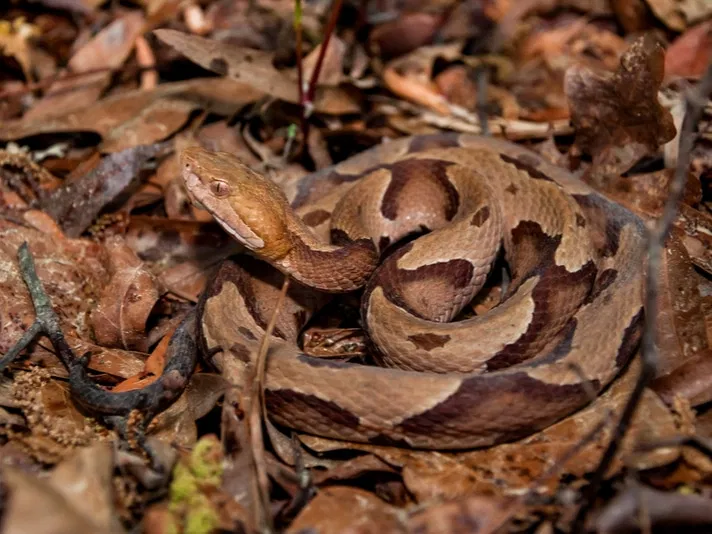
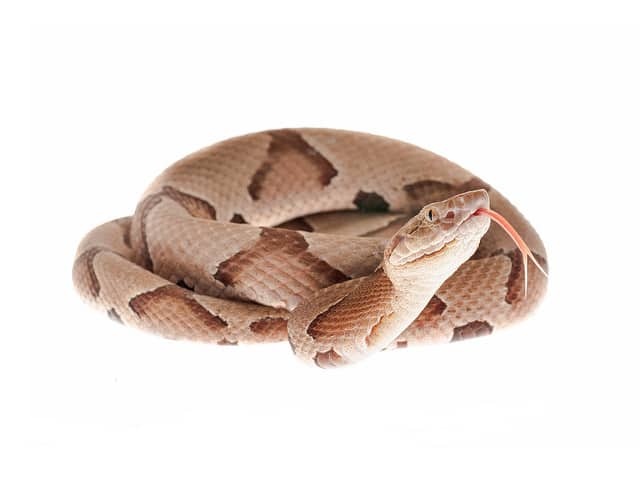
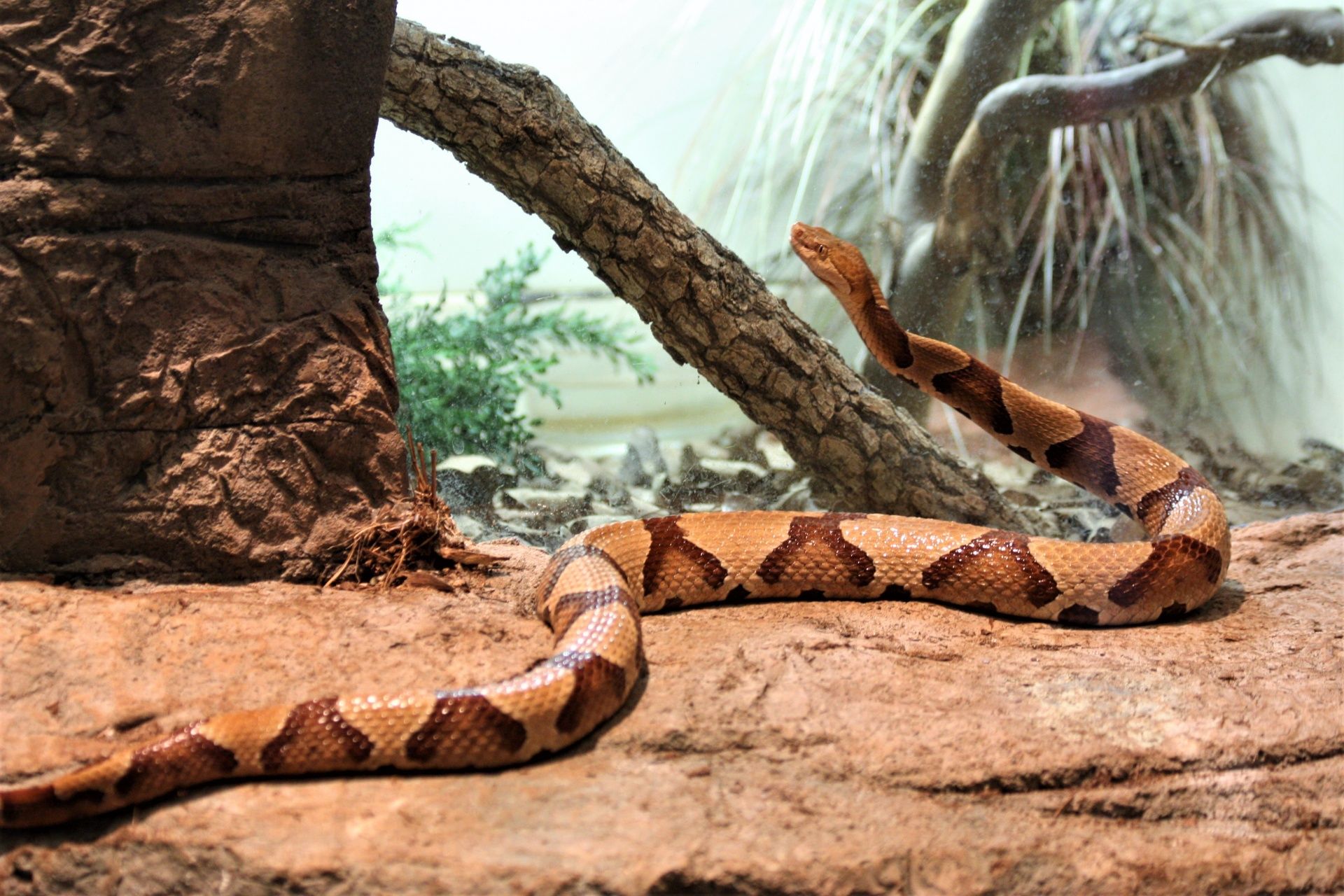
Copperheads (Agkistrodon contortrix) are pit vipers with several distinctive features that set them apart from harmless lookalikes. "The typical copperhead, when you look from their side, you will see what looks like a Hershey's kiss pattern," explains Dr. Justin Oguni, a veterinarian with The Veterinary Clinic in Marietta, Georgia. "It is something that water snakes, that are commonly confused with copperheads, do not have."
Other key identification markers include a spade-shaped or triangular head, narrow slit-like eyes, and a short, thick body. Juvenile copperheads are especially distinctive — they have a bright yellow-tipped tail that they use to lure prey. "Anytime you see a small snake with a yellow tail, do not touch it. It is venomous, at least here in Georgia," Oguni warns. Adult copperheads typically grow to 2-3 feet in length and have reddish-brown bodies with darker hourglass-shaped crossbands.
Shockingly, many snakes that people assume are copperheads turn out to be harmless. The Amphibian Foundation's Copperhead Rescue and Advocacy Program reports that only about 6% of calls to their hotline are about actual copperheads. Before taking any action, take a photo from a safe distance and consult local experts or resources.
Copperhead Encounters: Where and When Pets Are Most at Risk
Copperheads are masters of camouflage, making them difficult to spot even when you're looking right at them. "The thing about snakes is they want to stay out of your way," Oguni notes. "So stay in areas that are clear. Places snakes like to be in are hidden, brush piles, heavy vegetation."
These snakes are commonly found hiding in leaves (where they're virtually invisible while waiting for prey), in trees or bushes basking in sunlight, under rocks escaping the heat, in ivy or shrubs hiding from predators, near water sources like creeks or lakes, and around woodpiles, sheds, or grills seeking shelter. Encounters spike during warmer months when both snakes and people become more active. Oguni notes that when nighttime temperatures stay above 70 degrees Fahrenheit, copperheads become more active after dark, making evening walks with pets particularly risky without a flashlight.
Urban sprawl has also played a significant role in increased snake encounters. "Copperheads are probably the most common venomous snake in the metro Atlanta area," says Oguni. "It is a snake that typically stays hidden and out of sight. Unfortunately, with urban sprawl, encounters have become more common."
Pet Safety: How to Copperhead-Proof Your Yard and Walks
Prevention is the most effective strategy for protecting your pets from copperhead bites. The Amphibian Foundation recommends several critical measures for pet owners:
Yard maintenance: Keep your yard clean by removing brush, leaves, ivy, and woodpiles. Trim vegetation to reduce hiding spots and eliminate rodent attractants by covering trash cans, moving bird feeders and compost piles away from your home, avoiding feeding pets outdoors, disposing of fallen fruit, and keeping barbecue grills clean. Products like mothballs or snake repellents are largely ineffective.
Walk safety: Keep dogs on short leashes and stick to established trails. Prevent pets from exploring under bushes, logs, or rocks. For evening walks, always use a flashlight to scan the path ahead. Keep cats indoors whenever possible, as they are naturally curious and may investigate snakes without recognizing the danger.
According to Kelsey Thompson, writing for The Telegraph via GPB News, "When in doubt, have your dog checked out. Dogs are smaller than people, so a snake that is venomous to humans is even more so to dogs."
What to Do If a Copperhead Bites Your Dog or Cat
If your pet is bitten by a copperhead, time is of the essence. Here is the step-by-step protocol veterinarians recommend:
1. Stay calm and call your vet immediately. Call your veterinarian or local emergency veterinary clinic right away and let them know your pet was bitten by a snake. Ask if they carry antivenom. "The key is getting a picture and then seeking a veterinarian as soon as you can," Oguni advises.
2. Keep your pet as still and calm as possible. Limit your dog's activity to slow the spread of venom through the bloodstream. Carry small dogs if necessary. Do not attempt to suck out the venom, apply a tourniquet, or cut the wound.
3. Look for symptoms. With copperhead bites, your pet will typically show signs of swelling, redness, pain, and there could be some bleeding at the bite site. More severe symptoms include pale gums, mental dullness, changes in breathing (either slower or faster than usual), drooling, and tremors.
4. Get veterinary care immediately. Most copperhead bites do not require antivenom, but it is critical to have your pet evaluated by a professional. Treatment may include intravenous fluids, pain management with opioids, anti-inflammatory medications, and antibiotics. Oguni says most copperhead bites do not need antivenom, but it is good to call ahead and know where to go in case the bite reaction escalates.
It is worth noting that copperheads can deliver "dry bites" without injecting venom. However, "when a pit viper such as an eastern copperhead, rattlesnake, or cottonmouth bites and injects venom, there will be significant pain and swelling," Oguni explains. Never assume a bite is dry — always have your pet professionally evaluated.
Can You Keep a Copperhead as a Pet? Legalities and Care
For reptile enthusiasts interested in venomous snake keeping, copperheads are often considered an entry-level "hot" snake due to their relatively mild venom and generally docile temperament. "The copperhead is a good choice for a 'first' hot because of its relatively mild venom and usually docile manner," notes the venomous reptiles community.
However, legality varies significantly by state. South Carolina, for example, has "zero snake law," according to a 2023 report from The State newspaper — meaning no permit is required to keep copperheads as pets. Many other states require permits or licenses. "Most states allow you to keep copperheads as pets with a permit," reports Regarding Reptiles. "At the end of the day however, it is up to you to check the laws regarding where you live." Some states, like Tennessee, make it "highly illegal" without a zoo or educational facility permit.
Copperhead care requires specialized knowledge and equipment. Enclosures must be escape-proof with secure, locking tops. Temperature gradients should be maintained between 76-83 degrees Fahrenheit. Keep clean, fresh water available at all times, and provide appropriate hides and substrate. Safety protocols are non-negotiable: "As a general rule of venomous, ALWAYS remove snake from cage before servicing, as well as using proper tools (hooks, etc.)," advises ReptileTalk NET.
Why Copperheads Matter: Ecological Benefits and Medical Research
Beyond the fear they inspire, copperheads play a vital role in controlling rodent and tick populations — making them valuable allies in reducing Lyme disease risk. Their venom is also being researched for potential medical breakthroughs. A derivative of copperhead venom called Contortrostatin has shown promise in cancer treatments by limiting tumor growth and metastasis.
"By fostering understanding and respect for Copperheads, we can coexist safely while preserving their critical role in our ecosystem," emphasizes the Amphibian Foundation. The foundation offers a Copperhead Hotline (678-753-4302) for Atlanta-area residents who need help identifying snakes or need confirmed copperheads relocated free of charge.
Key Takeaways for Pet Owners
- Learn to identify copperheads by their Hershey's kiss pattern, triangular heads, and the yellow-tipped tails on juveniles — but remember, most snakes people think are copperheads are actually harmless
- Prevent encounters by keeping yards clear of debris, walking dogs on short leashes, using flashlights at night, and keeping cats indoors
- If bitten, stay calm and call your veterinarian immediately — keep your pet still, don't attempt home remedies, and transport them to a vet as soon as possible
- Copperheads are valuable parts of the ecosystem that control rodents and ticks, and their venom is being studied for medical applications — peaceful coexistence should always be the first goal