
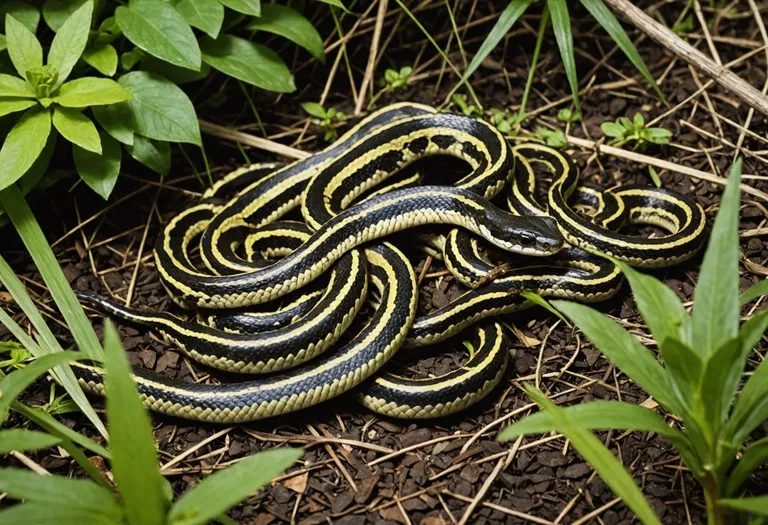
Sixty-two young San Francisco garter snakes have slithered back into the wild, marking the first successful "head-starting" program ever carried out for one of North America's most colorful — and most endangered — reptiles. In a Nov. 10, 2026 announcement, the San Francisco Zoo & Gardens confirmed the release of dozens of zoo-raised juveniles across sites in San Mateo County, a conservation milestone nearly six decades after the species was first placed on the federal endangered list.
The news is a bright spot for wildlife biologists, but it also shines a spotlight on garter snakes as a whole — a group that has quietly become one of the most popular beginner reptiles in the pet trade. While the San Francisco garter snake is strictly off-limits as a pet, its close cousin, the common garter snake (Thamnophis sirtalis), is widely and legally kept, and the science behind this release offers useful lessons for anyone who cares for these slender, stripe-backed snakes.
Inside the Head-Starting Rescue: How 62 Snakes Got a Second Chance
The program began in 2025, when biologists with the U.S. Geological Survey collected pregnant female San Francisco garter snakes from a healthy, established population and brought them to the San Francisco Zoo. Rather than facing predators, disease, and habitat pressures in the wild, the mothers gave birth in a protected setting, and their offspring were raised through the most vulnerable stage of their lives — a technique conservationists call "head-starting."
Before release, every snake was genetically tested to ensure the group would strengthen, not dilute, the wild population's genetic diversity. The result: 62 juveniles returned to carefully selected wetland sites across San Mateo County, one of only two counties on Earth where the subspecies is still found. The zoo says roughly 120 neonates were reared in 2025, with this first cohort now back in the wild and work already underway for the next generation.
"By providing these young snakes with a safe environment during their most vulnerable stage of life, we're giving them a far better chance of surviving once they're released," the zoo said. The collaborative effort also involved the U.S. Fish and Wildlife Service and regional land managers.
A Snake Worth Saving: What Makes the San Francisco Garter Snake Special
The San Francisco garter snake (Thamnophis sirtalis tetrataenia) is often called the most beautiful snake in North America. Adults typically reach 18 to 55 inches, with a rust-red or orange head, a vivid turquoise-blue body, and bold black and red stripes running the length of their backs, punctuated by a greenish-yellow dorsal stripe.
That beauty has a downside. Decades of urban development, habitat fragmentation, droughts, invasive species, disease, low genetic diversity, and illegal collection have pushed the snake to the brink. Today, scientists estimate only 1,000 to 2,000 individuals remain in the wild, restricted to San Mateo and Santa Cruz counties on the San Francisco Peninsula.
Timeline: From 1967 Endangered Listing to 2026 Release
- March 11, 1967: The San Francisco garter snake is listed under the precursor to the Endangered Species Act, becoming one of the first species in the nation to receive federal protection.
- 1971: California lists the snake as a state endangered species.
- 1985: The U.S. Fish and Wildlife Service finalizes a formal recovery plan for the subspecies.
- 2025: USGS biologists collect pregnant females and bring them to the San Francisco Zoo, launching the head-starting program.
- Fall 2026: After genetic testing, 62 zoo-raised juveniles are released into the wild in San Mateo County.
What the Release Means for Garter Snake Owners and Pet Keepers
For pet owners, the headline comes with an important distinction: the San Francisco garter snake is endangered and cannot legally be kept, bred, or sold. The snakes people keep as pets are almost always the common garter snake and its various subspecies, which are abundant, inexpensive, and comparatively easy to care for.
Even so, the traits that make the San Francisco garter snake worth saving — its vivid coloring, alert personality, and active daytime behavior — are shared by its common cousins. Here's what keepers should know about caring for a garter snake at home:
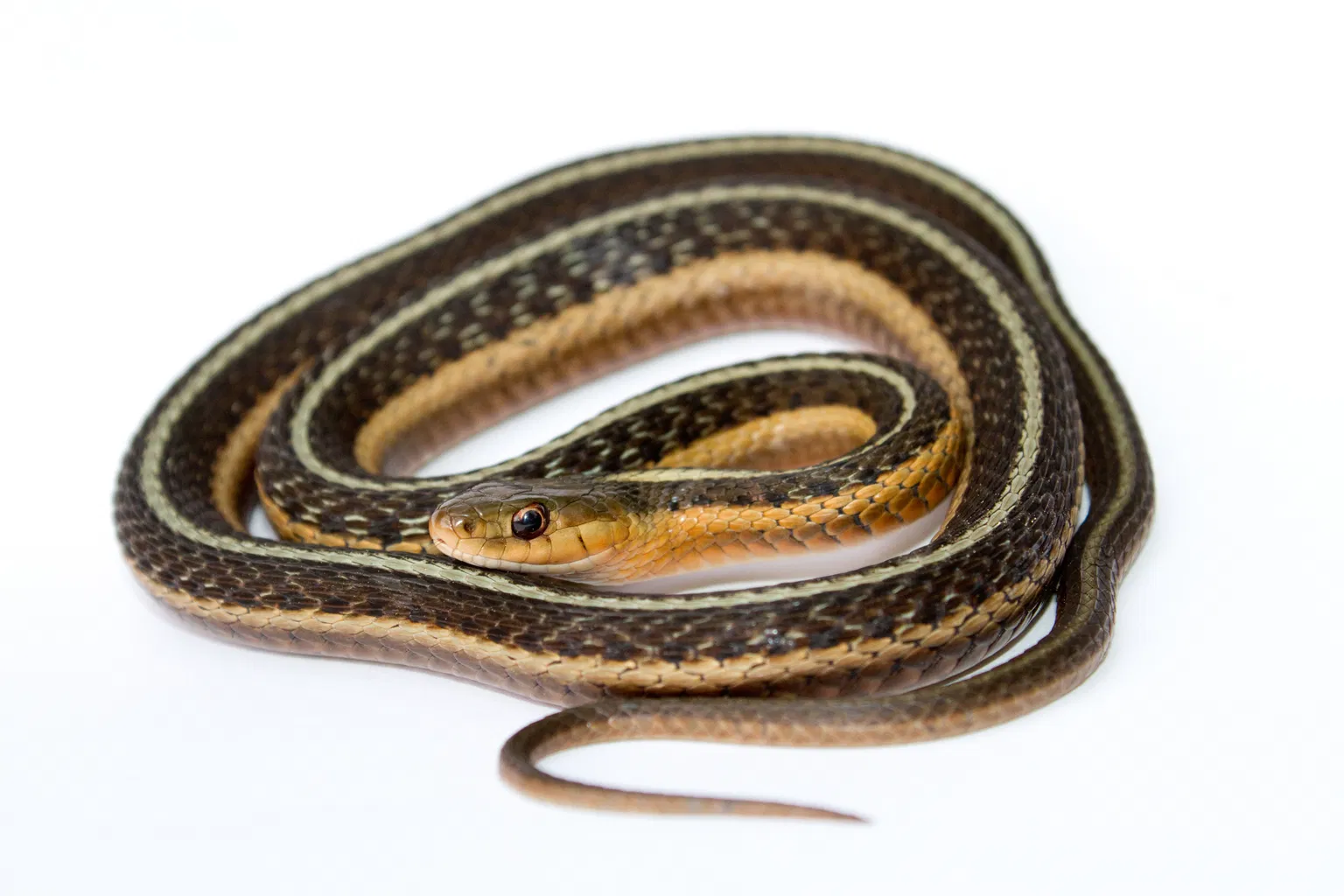
Enclosure: A secure 20- to 48-inch tank with a tight-fitting, escape-proof lid works well for a single adult. Line the bottom with aspen shavings, sphagnum moss, or another reptile-safe substrate, and avoid cedar and pine, which can irritate a snake's skin and respiratory system.
Heating: Garter snakes need a temperature gradient — a warm basking spot in the mid-80s°F and a cooler side in the low 70s°F — so they can thermoregulate. A heat mat or low-wattage basking lamp on one side of the enclosure does the job.
Diet: Garter snakes are unusual among pet snakes because they thrive on a varied menu. Earthworms, appropriately sized feeder fish, and frozen-thawed mice all work, though keepers should rotate prey and be cautious with fish that contain thiaminase, an enzyme linked to vitamin B1 deficiency over time.
Handling: Garter snakes are generally docile and tolerate brief, gentle handling sessions well. Like most garter snakes, they produce a mild venom that is harmless to humans, and they may release a musky odor when startled — a quirk most keepers quickly get used to.
Garter snakes also make appealing first snakes because they are diurnal (active during the day), stay modestly sized, and generally eat readily. With proper care, a captive common garter snake can live a decade or more, making it a manageable long-term companion for new reptile keepers.
Where the Recovery Stands Now
The release is the first of its kind for the subspecies, and officials describe it as a proof of concept for rebuilding wild populations through captive head-starting. The zoo says post-release monitoring will be critical to understanding how well the young snakes survive, disperse, and reproduce in their new homes.
"The future of the San Francisco garter snake depends on sustained collaboration and support from partners," the zoo said, noting that work is already underway to prepare the next generation for release. Conservationists add that the project's methods could be applied to other at-risk reptiles facing similar pressures.
What Happens Next for the San Francisco Garter Snake
With more than 100 snakes raised in the program and additional releases likely in the coming years, researchers will be watching survival rates closely. The long-term goal, the zoo says, is to build "healthy, genetically diverse, resilient populations" across the snake's historic range on the San Francisco Peninsula and in Santa Cruz County.
For everyday reptile lovers, the takeaway is twofold: the story shows how fragile wild populations can be — and how responsible pet ownership starts with choosing captive-bred, legally available species like the common garter snake rather than their protected, endangered relatives.
The Bottom Line: Key Takeaways
- The San Francisco Zoo & Gardens released 62 zoo-raised San Francisco garter snakes into San Mateo County in fall 2026.
- It marks the first successful head-starting program for this subspecies, which has been federally endangered since March 11, 1967.
- Pregnant females were collected by USGS biologists in 2025, and each offspring was genetically tested before release.
- Only 1,000 to 2,000 San Francisco garter snakes are believed to remain in the wild, found in just San Mateo and Santa Cruz counties.
- The San Francisco garter snake is protected and illegal to keep; pet garter snakes are the common garter snake (Thamnophis sirtalis), an easygoing, beginner-friendly species.