
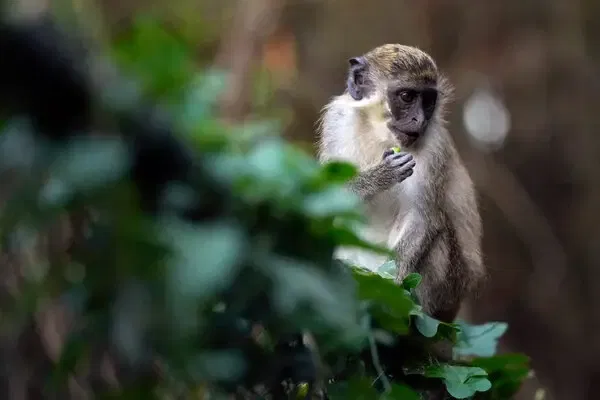
Multiple vervet monkeys are on the loose in St. Louis, sparking a citywide search and raising urgent questions about the dangers of exotic pet ownership in urban areas. As of January 10, 2026, an unknown number of primates remain at large near O’Fallon Park in North St. Louis, with city health officials warning residents to avoid approaching the animals and instead report sightings to Animal Care and Control at 314-657-1500. The incident marks the first time St. Louis has dealt with monkeys at large, highlighting the hidden risks of keeping primates as pets and the challenges of managing escaped exotic wildlife.
How the Monkey Escape Unfolded: Inside the St. Louis Search
The first reports of loose monkeys came from residents on Redbud Avenue in the O’Fallon Park neighborhood on Thursday, January 8. Justen Hauser, the city’s environmental health bureau chief, said initial accounts suggested four animals were roaming the area, but officials “cannot confirm an actual number at this time, only that there is more than one.” An Animal Care and Control officer was dispatched Thursday but found no trace of the primates. On Friday, January 9, additional officers patrolled the neighborhood after more sightings were reported, yet the monkeys remained elusive.
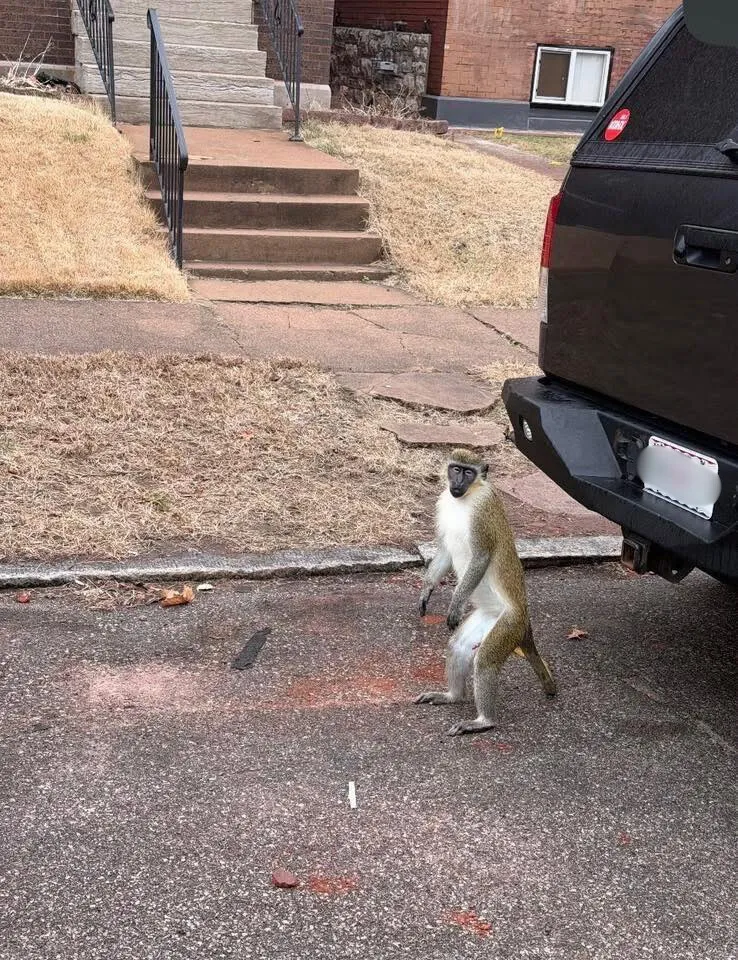
“We are working to get an idea of where they may be hiding or seeking food,” Hauser told USA TODAY. “We are engaging with partner agencies that are properly trained and equipped to safely capture these animals.” Once captured, the monkeys will be transported to a facility certified to care for exotic animals. The St. Louis Zoo helped identify the primates as vervet monkeys—small, black-faced primates native to East Africa that can live up to 30 years and are known for their intelligence and social nature, but also for being unpredictable under stress.
Timeline: How the St. Louis Monkey Saga Developed
The sequence of events began on Thursday, January 8, when neighbors first spotted the monkeys near Redbud Avenue. By Friday, January 9, the city’s Health Department had issued a public warning, and Animal Control officers intensified patrols. Over the weekend, search efforts continued with no confirmed captures, leaving the monkeys still at large as of Saturday, January 10. The city has not previously been aware of any illegal primate ownership, as exotic animals are prohibited by local ordinance, making the origin of the monkeys a mystery.
Why Monkey Escapes Highlight the Dangers of Exotic Pet Ownership
The St. Louis incident is not an isolated case. In November 2025, a truck carrying 21 rhesus monkeys overturned in Mississippi, leading to several escapes and two monkeys being shot. Just a year earlier, in November 2024, 43 rhesus macaque monkeys broke out of a South Carolina research facility after a caretaker failed to secure doors. These episodes underscore the inherent risks of keeping primates as pets: they are strong, intelligent, and can become aggressive when stressed, posing a threat to public safety and animal welfare.
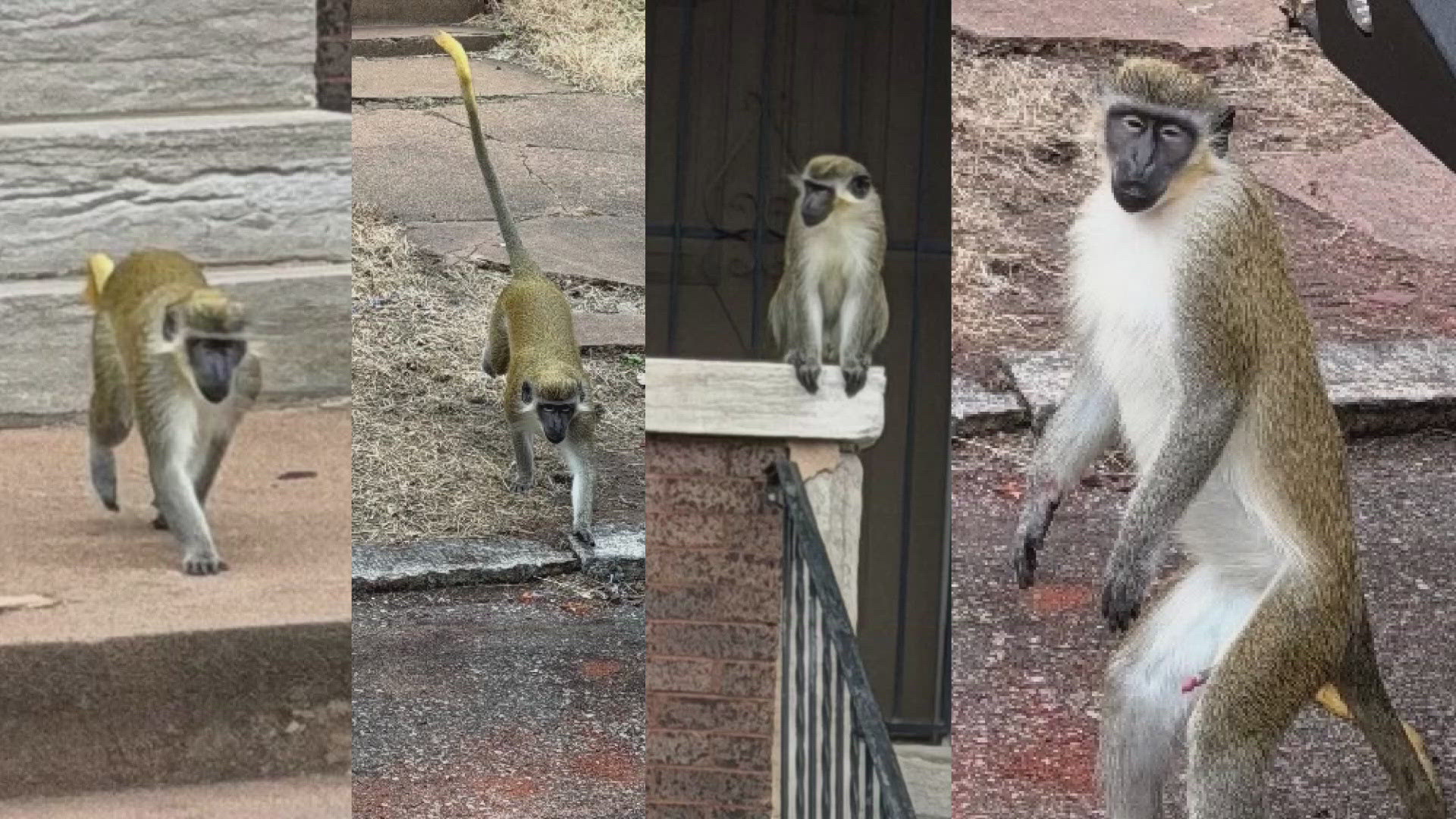
Vervet monkeys, like those loose in St. Louis, are omnivores that weigh 6–11 pounds and are adapted to life in African savannas, not Midwestern cities. Their presence in a U.S. urban setting likely stems from the exotic pet trade, which often ignores the complex needs of wild animals. “They are very intelligent and social, but may be unpredictable or aggressive under stress,” Hauser noted, echoing experts who warn that primates are unsuitable as household pets. Beyond behavioral concerns, illegal ownership undermines conservation efforts and can introduce diseases to native wildlife.
Where the Search Stands Now: Latest Updates
As of January 10, the search continues with Animal Control officers and partner agencies monitoring the O’Fallon Park area. No monkeys have been captured, and officials are relying on community tips to narrow down their location. The city’s Health Department stresses that residents should not attempt to approach or feed the monkeys, as this could provoke an aggressive response. Instead, anyone who sees a monkey is urged to call 314-657-1500 immediately. The department is also investigating the source of the animals, though no leads have been made public.
What Happens Next: The Road Ahead for St. Louis’s Loose Primates
Once the monkeys are located, trained professionals from partnering agencies will attempt a safe capture using sedation or specialized traps. The animals will then be relocated to a licensed exotic animal facility, where they can receive appropriate care. In the longer term, the incident may prompt stricter enforcement of exotic pet laws and greater public education about the risks of keeping wild animals as pets. For now, the priority is ensuring the safety of both the monkeys and the community.
Key Takeaways for Pet Owners: What This Incident Teaches Us
This unusual event serves as a stark reminder for all pet enthusiasts. First, exotic animals like monkeys are not domesticated and can pose serious safety risks. Second, local laws often prohibit keeping such pets for good reason. Third, when exotic pets escape, they face starvation, injury, or euthanasia, while also endangering people and native ecosystems. Responsible pet ownership means choosing species suited to captivity and supporting ethical conservation efforts instead of the exotic pet trade.