
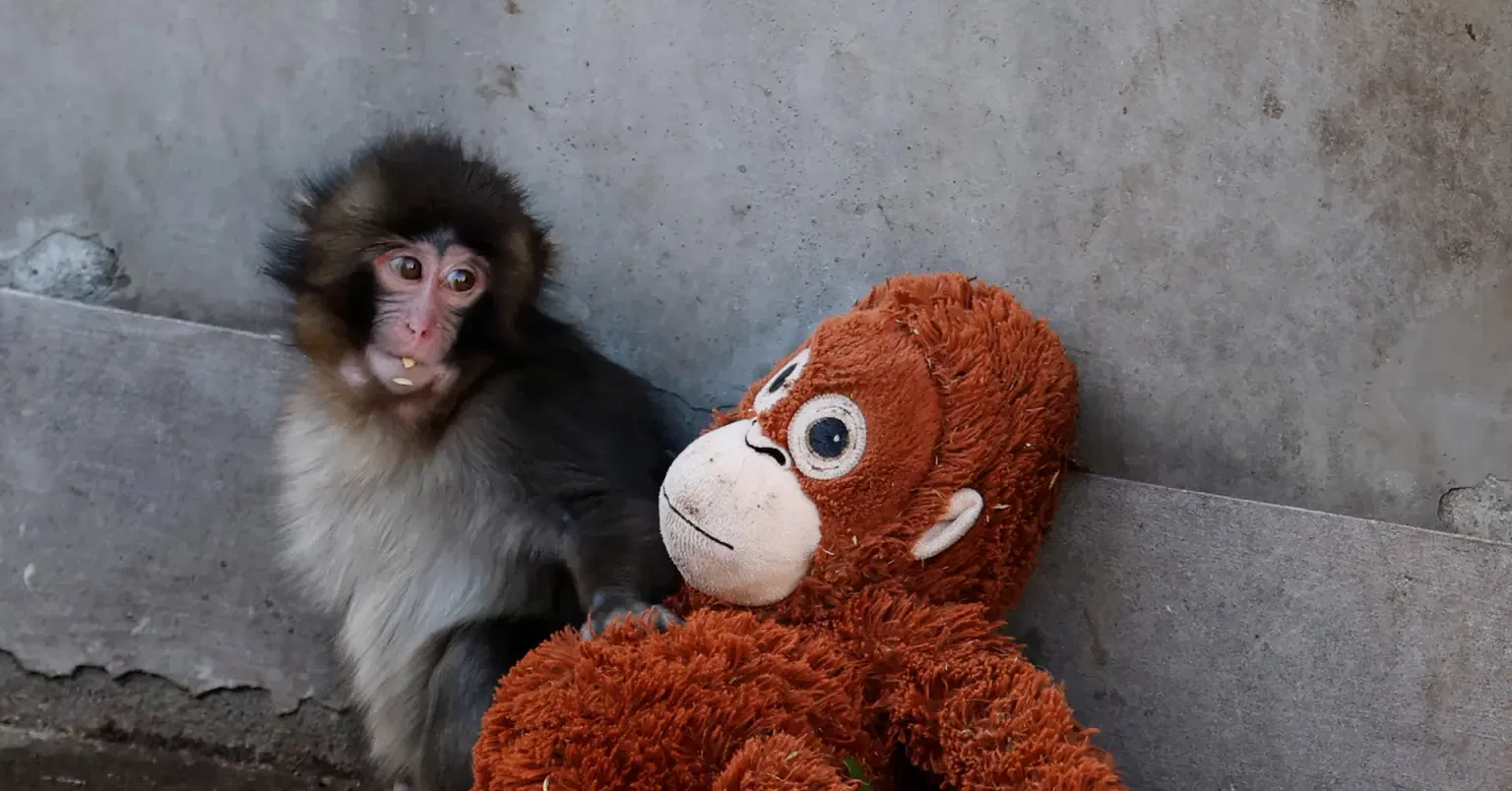
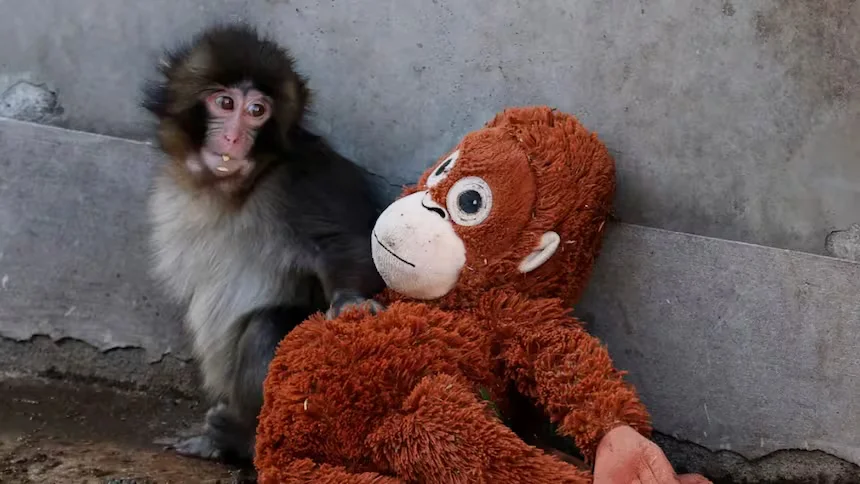
The internet has fallen in love with a baby Japanese macaque named Punch, whose heartbreaking story of abandonment and unexpected comfort in an IKEA stuffed orangutan has captivated millions worldwide. Born at Ichikawa City Zoo in Japan in July 2026, Punch was rejected by his mother shortly after birth, leaving zookeepers scrambling to find a replacement for the maternal bond crucial to infant macaques. What followed was a viral sensation that not only transformed a $20 plush toy into a global sold-out commodity but also sparked important conversations about animal welfare, exotic pet ownership, and the complex emotional lives of primates.
How Punch's Story Unfolded: From Abandonment to Viral Fame
When Punch was born on July 26, 2026, at the Ichikawa City Zoo, his mother immediately rejected him—a rare but devastating occurrence in Japanese macaque society. Zookeepers knew they needed to act quickly, as baby macaques rely on their mothers not just for nutrition but for crucial physical contact that helps them develop strength and security. The zoo team tried various alternatives, from rolled-up towels to different stuffed animals, but it was an IKEA Djungelskog orangutan plush that finally captured Punch's heart. Videos of the tiny monkey dragging the oversized orange primate through his enclosure quickly spread across social media, touching viewers with their poignant display of an animal seeking comfort in artificial companionship.
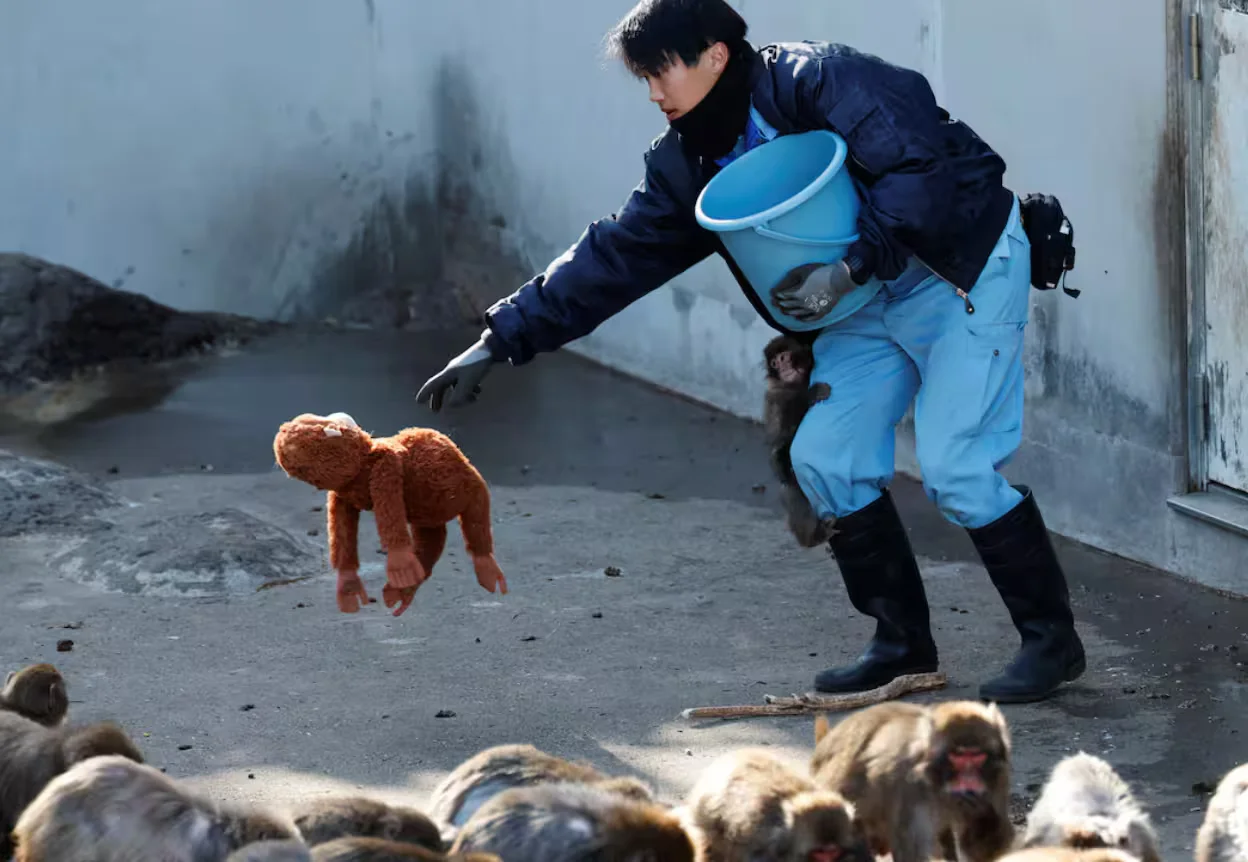
According to zoo officials, the choice of the orangutan plush was intentional. "We thought that its resemblance to a monkey might help Punch integrate back into the troop later on," explained zookeeper Kosuke Shikano in an interview with Reuters. The strategy appears to be working, albeit slowly, as Punch navigates the complex social dynamics of his enclosure without the guidance of a biological mother.
Timeline: The Rapid Rise of a Baby Monkey Sensation
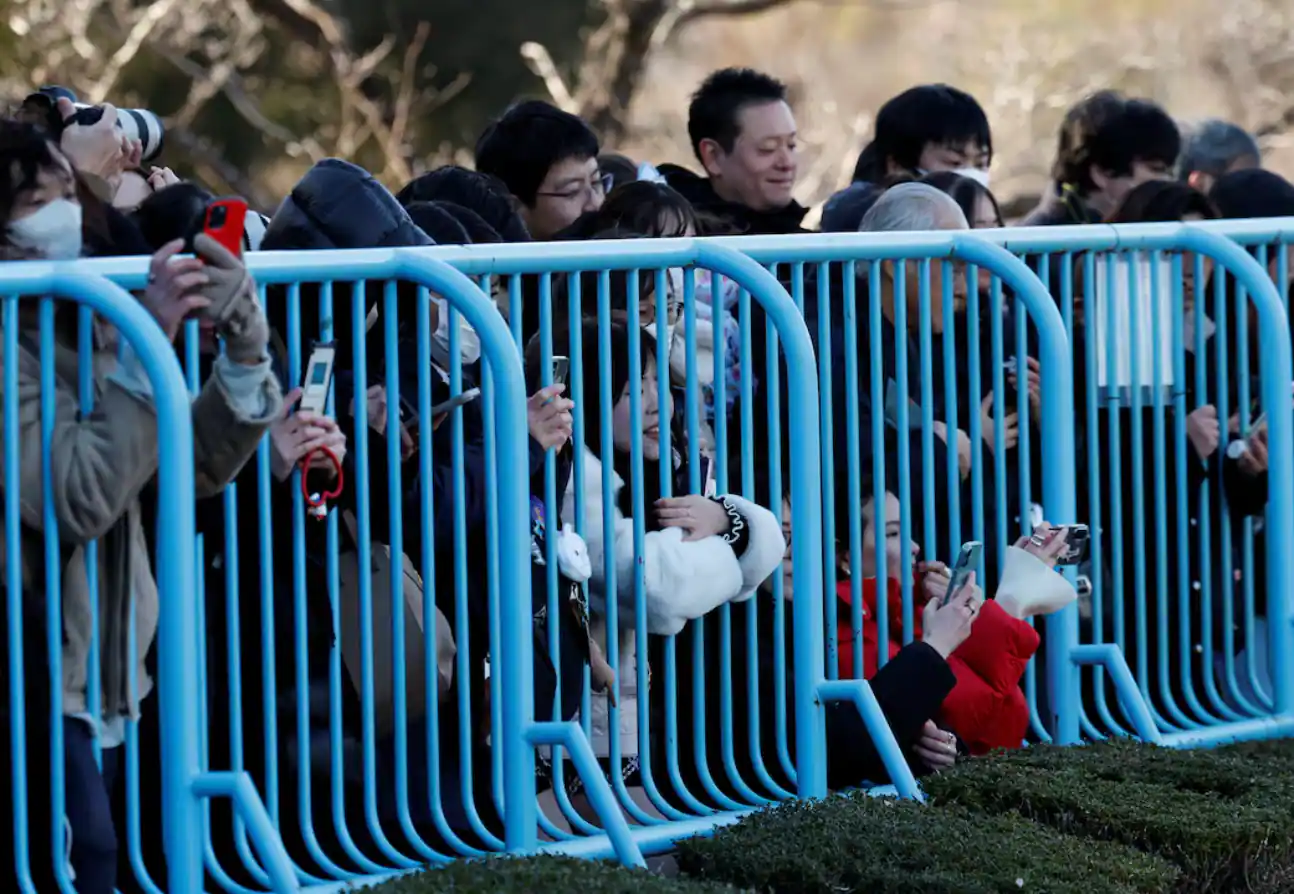
Punch's journey from obscure zoo resident to international phenomenon happened with astonishing speed. Within days of the first videos appearing online in February 2026, views skyrocketed into the millions. By late February, IKEA reported complete sell-outs of their Djungelskog orangutan plush across Japan, the United States, and South Korea. The $20 toy began appearing on eBay for over $200—a tenfold increase—as collectors and sympathetic fans sought their own piece of the heartwarming story. The zoo itself saw visitor numbers surge by approximately 300%, with crowds gathering specifically to catch a glimpse of Punch and his stuffed companion.
The timeline of events highlights how quickly digital empathy can translate into real-world economic and social impacts:
- July 26, 2026: Punch is born at Ichikawa City Zoo and immediately abandoned by his mother
- Early February 2026: Zookeepers introduce the IKEA orangutan plush as a comfort item
- February 20, 2026: Reuters publishes feature story, bringing international attention
- February 23-25, 2026: Videos go viral globally; IKEA reports sell-outs in multiple countries
- Late February 2026: Zoo visitor numbers triple; eBay prices for the plush reach $200+
- March 2026: Positive signs of integration observed as Punch grooms other monkeys
Why Mother Monkeys Abandon Their Babies: Expert Insights
The phenomenon of maternal abandonment in primates, while rare in wild populations, occurs more frequently in captive settings according to primatologists. Dr. Alison Behie, a primatology expert quoted in The Guardian's coverage, explains that first-time mothers in captivity may lack the necessary skills and experience to care for their offspring. "In the wild, female monkeys learn parenting by observing their own mothers and other females in the group," Behie notes. "In captivity, especially if they were hand-raised by humans, they may never have seen infant care modeled properly."
Sarah Turner, a primatologist at Concordia University who has worked with Japanese macaques since the 1990s, told CBC Kids News that abandonment "really doesn't happen" in wild populations. "Mothers will go to great lengths in order to not abandon their infants," she emphasized. Turner suggests that Punch's story represents one of the downsides of animal captivity, where natural parenting knowledge isn't transmitted across generations. This insight has particular relevance for the exotic pet trade, where animals are often removed from their natural social structures and raised in isolation.
The Exotic Pet Dilemma: What Punch Teaches Us About Primate Care
Punch's story serves as a powerful case study for why primates make poor pets, despite their occasional appearance in the exotic animal trade. Organizations like the RSPCA and Born Free USA have long warned against keeping monkeys as pets, citing their complex social needs, potential for aggression as they mature, and specialized dietary and environmental requirements. A well-cared-for monkey can live 20-40 years, requiring a lifetime commitment that few owners are prepared to meet.
"Primates are not domestic animals and therefore should not be kept as pets," states the evidence submitted to the UK Parliament regarding primate ownership. They require large, secure enclosures, specialized veterinary care, and most importantly, companionship of their own kind. Punch's reliance on a stuffed animal highlights just how crucial social bonds are for these intelligent creatures—a need that cannot be met by even the most dedicated human owner.
The viral attention has also drawn focus to the ethical considerations of keeping any exotic animal. As the World Animal Protection organization noted in response to Punch's story, macaques across Asia are commonly kept in captivity for entertainment, as exotic pets, or confiscated from illegal wildlife trade networks. Punch's plight underscores why such practices often fail to meet the animals' psychological and physical needs.
Where Punch Stands Now: Progress and Integration
Recent updates from Ichikawa City Zoo offer encouraging signs for Punch's future. While he still carries his orange companion through the enclosure, zookeepers have observed positive interactions with other monkeys in recent weeks. In one heartening video clip, another monkey briefly hugs Punch—a significant gesture in macaque social behavior. Another shows Punch grooming a fellow monkey, indicating he's beginning to learn appropriate social signals despite his unusual upbringing.
"I think there will come a day when he no longer needs his stuffed toy," Shikano told reporters, expressing cautious optimism about Punch's integration. Turner notes that Punch's small size and youth work in his favor: "He is little and young, and by definition not very threatening, so thankfully that will help in the long term for him to integrate into the group."
The zoo has also addressed visitor concerns about the monkeys' welfare, particularly regarding hair loss observed in some animals. Officials assure the public that veterinary staff monitor all animals closely and that "animal welfare is our top priority." The increased attention has prompted the zoo to implement additional educational signage about macaque behavior and conservation.
What's Next for Punch and the Future of Captive Primates
Looking forward, primatologists will be watching Punch's development closely as a case study in animal resilience and captive management. His story has already influenced public perception about zoo animals and sparked discussions about improving conditions for captive primates worldwide. Some animal welfare advocates hope the attention will lead to stronger regulations around exotic pet ownership and improved standards for primates in captivity.
For IKEA, the unexpected marketing phenomenon has demonstrated the power of authentic animal stories—though the company has been careful not to commercially exploit Punch's situation. Instead, they've quietly relabeled the Djungelskog as "Punch's comfort orangutan" in some markets, with proceeds from certain regions reportedly directed toward primate conservation efforts.
As for Punch himself, the coming months will be crucial for his social development. Zookeepers hope to gradually wean him from the plush as he becomes more integrated with the troop, though they emphasize this must happen at his own pace. "What's important is that he feels secure," explained one keeper. "The toy provides that security right now, and we won't remove it until he's ready."
Key Takeaways for Pet Owners and Animal Lovers
Punch's extraordinary story offers several important lessons for anyone who cares about animals:
- Social bonds are fundamental to primate well-being, a need that cannot be replicated by human companionship alone
- Exotic animals rarely make suitable pets due to their complex behavioral, social, and medical requirements
- Captive environments, even in well-managed zoos, can create challenges not found in wild populations
- Digital empathy can drive real-world change, from consumer behavior to increased support for animal welfare
- Patience and understanding are essential when rehabilitating animals with traumatic early experiences
While Punch's future remains a work in progress, his journey from abandoned infant to global symbol of resilience continues to inspire and educate. His story reminds us that behind every viral animal video lies a complex reality of animal needs, human responsibility, and the enduring power of compassion—lessons that extend far beyond the walls of any zoo or pet owner's home.