
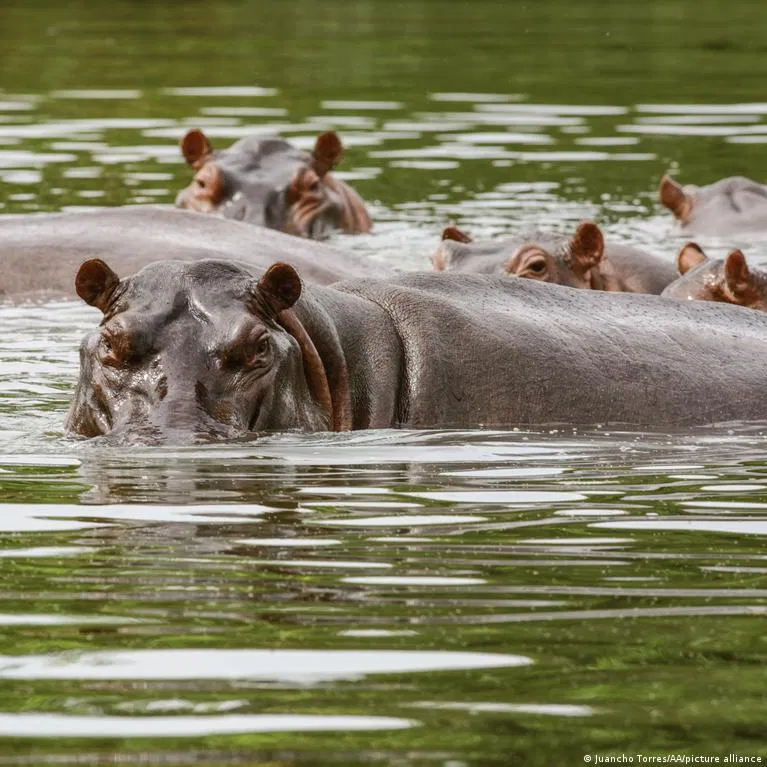
Colombia's government has approved a controversial plan to cull up to 80 hippopotamuses descended from Pablo Escobar's private zoo, marking a tragic end to one of the world's most infamous exotic pet stories. As authorities prepare to euthanize these invasive animals in the second half of 2026, pet owners worldwide are getting a stark reminder of the ecological dangers that can unfold when exotic animals are introduced into non-native environments. With an estimated 200 hippos now roaming Colombia's Magdalena River basin—the largest population outside Africa—this case demonstrates how quickly a small number of captive animals can spiral into an environmental crisis.
How Four Hippos Sparked an Ecological Time Bomb
In the 1980s, drug lord Pablo Escobar imported four hippos (one male and three females) for his private zoo at Hacienda Nápoles, a lavish estate in the Magdalena River valley. After Escobar's death in 1993, the animals were left to roam free, eventually escaping into the surrounding waterways. According to Deutsche Welle, what began as four animals has now grown into a population of approximately 200 hippos, with numbers projected to reach 1,000 by 2035 without intervention. This explosive growth—a classic example of an invasive species finding ideal conditions—has turned a status symbol for a criminal into an ecological nightmare for an entire region.
The Ecological Tipping Point: Why Colombia Can't Wait
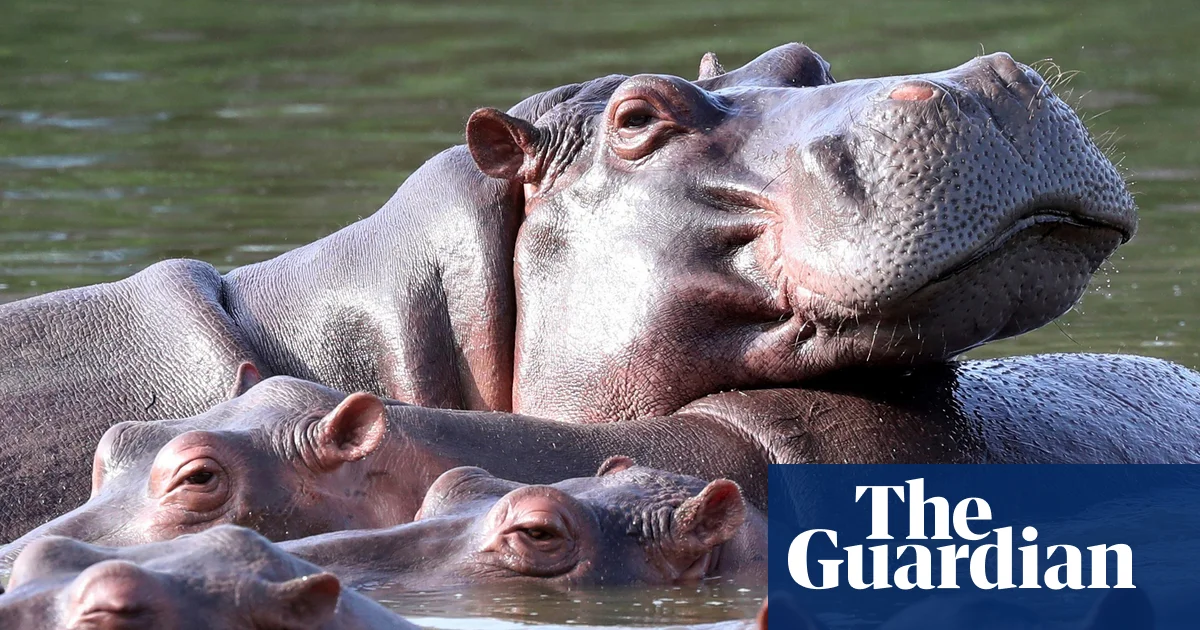
The hippos' impact on Colombia's ecosystems has reached critical levels. Each adult hippo consumes about 110 pounds of vegetation nightly and produces up to 13 pounds of waste daily, dramatically altering nutrient cycles in the Magdalena River basin. Research cited by Scientific American indicates this excessive nutrient loading can cause eutrophication—deadly algal blooms that suffocate fish and other aquatic life. The invasive hippos also physically reshape river geography through their wallowing, creating new channels and ponds that disrupt natural water flows. Perhaps most alarmingly, they pose a direct threat to native species like the endangered Antillean manatee and create dangerous encounters for local farmers and fishermen.
Failed Solutions: Sterilization, Relocation, and International Appeals
Colombian authorities have spent years attempting non-lethal solutions. In 2022 and 2023, the government launched sterilization and relocation programs, but according to Environment Minister Velez, these measures proved "expensive and unsuccessful" and produced "no tangible results." The country also engaged in months of negotiations with eight foreign governments, including India and Mexico, hoping to transfer some hippos to zoos or sanctuaries abroad. No authorizations were granted, partly because the herd suffers from genetic defects caused by inbreeding within the limited original gene pool. As The City Paper Bogotá reported, these failed alternatives have forced the government to adopt what it calls a "last resort" measure: targeted euthanasia of up to 80 animals.
Animal Rights vs. Ecological Necessity: The Ethical Debate
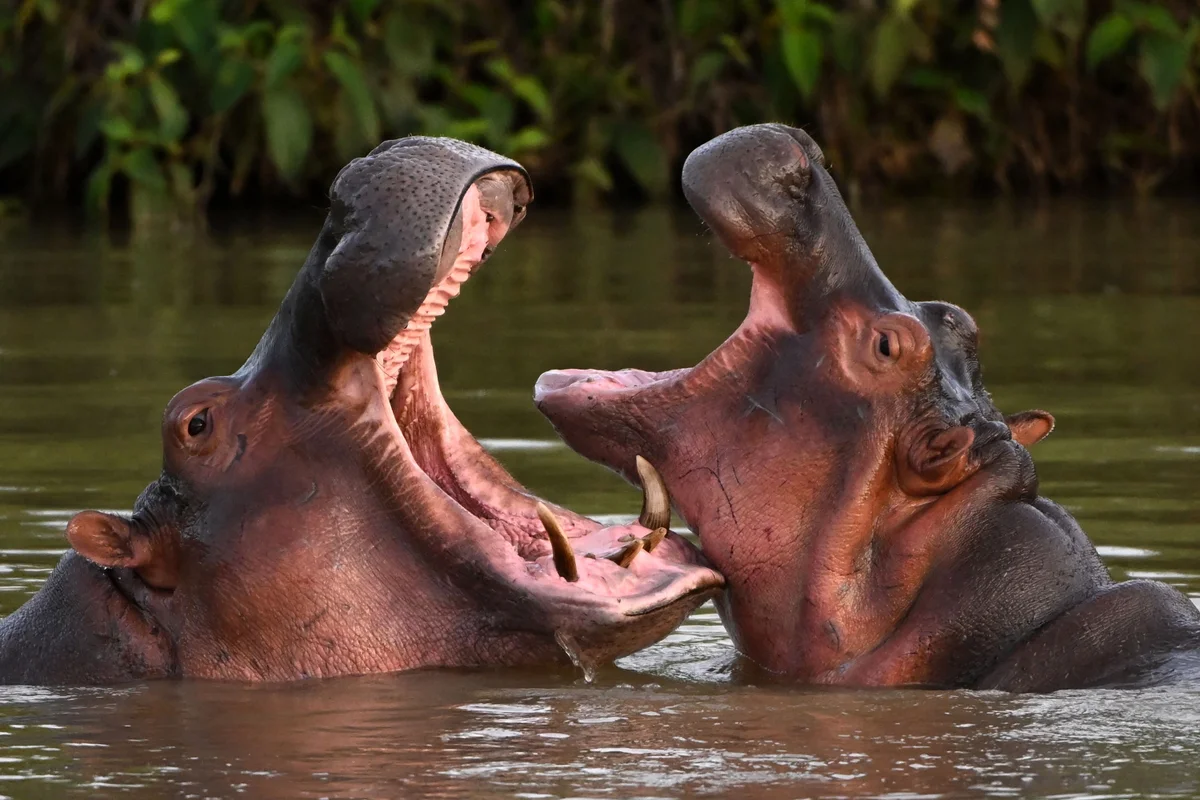
The cull plan has sparked intense controversy. Animal welfare activists, led by senator and animal rights advocate Andrea Padilla, have denounced the decision as "cruel" and accused the government of choosing the "easy way out." Padilla stated on social media: "Killings and massacres will never be acceptable. These are healthy creatures who are victims of the negligence of government entities." However, environmental scientists counter that the hippos' continued expansion threatens entire ecosystems and could lead to irreversible damage. This conflict highlights the difficult balance between compassion for individual animals and responsibility for broader environmental health—a tension familiar to conservationists worldwide.
The Cull Plan: Budget, Timeline, and Methods
The Colombian government has allocated 7.2 billion pesos (approximately $2 million) for the program, which is scheduled to begin in the second half of 2026. According to Deutsche Welle, the plan includes not only euthanasia but also confinement and relocation measures where possible. Officials will target key hotspots near Puerto Triunfo and other areas where hippo densities are highest and human-wildlife conflict most severe. The goal is to reduce the population by at least 80 animals initially, with ongoing management to prevent regrowth. This structured approach reflects lessons learned from invasive species management globally, though its implementation will be closely watched by conservationists and animal rights groups alike.
Lessons for Exotic Pet Owners: Beyond Hippos
While hippos represent an extreme case, the Colombia situation illustrates broader principles relevant to all exotic pet owners. As documented by Treehugger, numerous species—from Burmese pythons in Florida to red-eared sliders worldwide—have become invasive after being released or escaping from captivity. The common factors: animals that reproduce quickly, lack natural predators in new environments, and find suitable climate and food sources. Before acquiring any exotic pet, responsible owners must consider not only their ability to care for the animal throughout its lifetime but also the potential ecological consequences if it were to escape or be released. Proper containment, sterilization where appropriate, and never releasing animals into the wild are essential practices.
What Happens Next: Monitoring and Future Challenges
As Colombia moves forward with its culling program, scientists will monitor both ecological recovery and population dynamics closely. The remaining hippos will continue to breed, requiring ongoing management that may include additional culls or new sterilization technologies. The case has already prompted broader discussions about international regulations on exotic animal trade and stricter enforcement of laws against private ownership of dangerous wildlife. For now, Colombia's "cocaine hippos" serve as a sobering case study in how quickly human actions—even those seemingly contained to private property—can ripple through ecosystems with consequences lasting decades.
The Bottom Line: Key Points to Remember
1. Colombia will cull up to 80 invasive hippos starting in late 2026, with a budget of 7.2 billion pesos, after non-lethal methods failed.
2. The population grew from 4 animals in the 1980s to approximately 200 today—the largest outside Africa—and could reach 1,000 by 2035.
3. Hippos cause severe ecological damage: altering nutrient cycles, reshaping rivers, and threatening native species like manatees.
4. The case highlights why exotic pet ownership requires careful consideration of long-term consequences and ecological risks.
5. Responsible pet ownership includes proper containment, sterilization when possible, and never releasing animals into the wild.
The story of Colombia's hippos is more than just a curious footnote about a drug lord's extravagance—it's a powerful lesson in ecological responsibility that resonates with anyone who cares about animals, the environment, and the unintended consequences of our choices.