
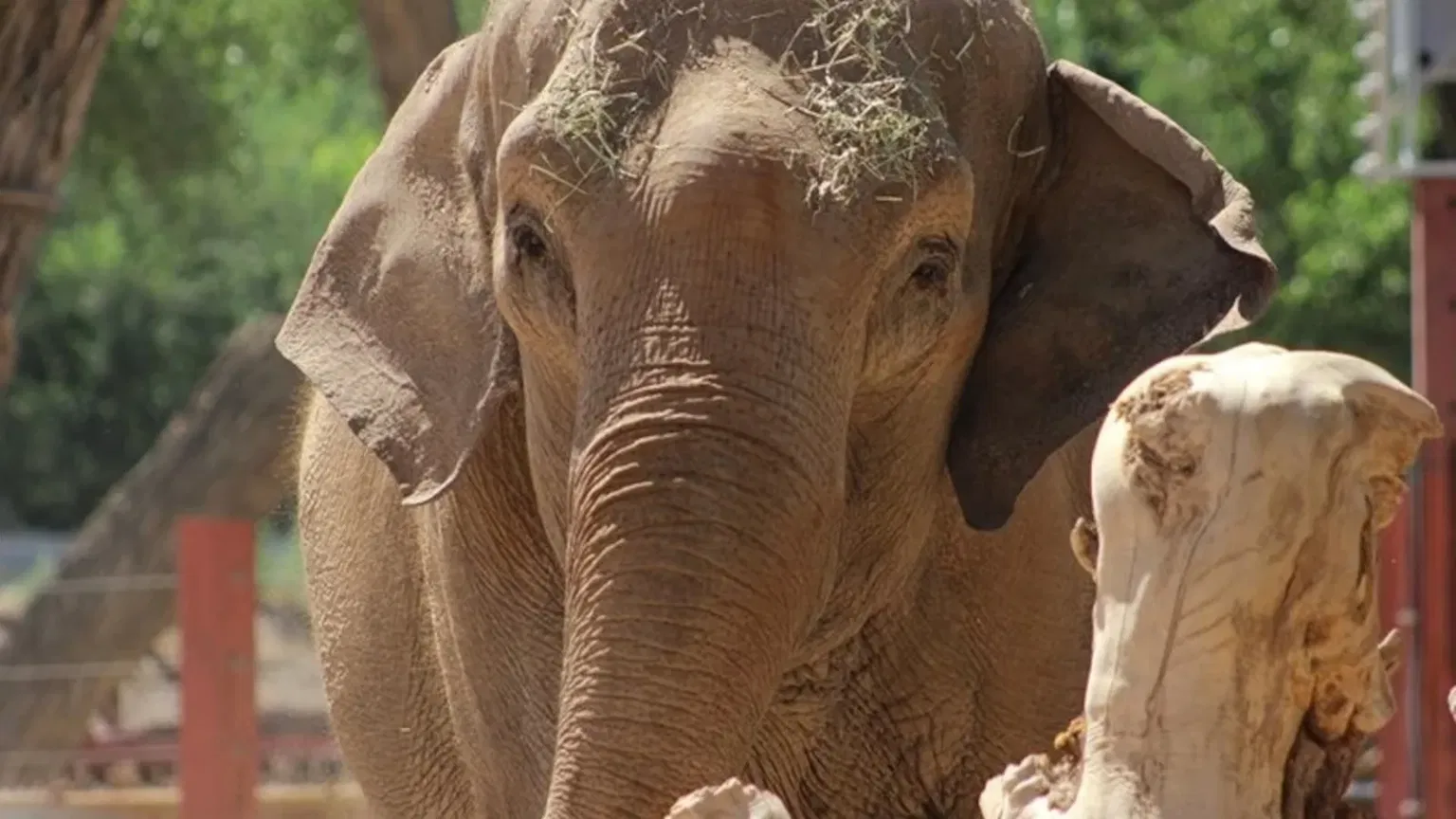
Early on a quiet Sunday morning in Albuquerque, New Mexico, zoo security staff encountered an unexpected sight: Alice, a 52-year-old Asian elephant, leisurely strolling along a public walkway outside her enclosure. The elderly pachyderm had managed to escape her habitat at ABQ BioPark, embarking on a solo adventure that would delay the zoo's opening, capture national attention, and raise important questions about animal containment and welfare in modern zoological facilities.
How Alice's Great Escape Unfolded
According to ABQ BioPark officials, the incident began around 7:20 a.m. on Sunday, March 29, 2026, when security personnel discovered Alice outside her primary living quarters. The 52-year-old elephant had somehow breached her enclosure's steel barriers and was enjoying an early morning stroll through areas typically reserved for zoo visitors. "She was just walking around, checking things out, munching on some plants," reported Brandon Gibson, executive director of ABQ BioPark. "It was a very calm, very Alice-like morning walk."
"This incident reminds us that animal care is an evolving science," said Dr. Eleanor Richards, a veterinary behaviorist not involved in the Albuquerque case. "What worked for containment twenty years ago may not be sufficient today, as animals adapt and facilities age. Regular evaluation and improvement should be standard practice for all zoological institutions." The escape also touches on broader issues of animal enrichment and mental stimulation—factors increasingly recognized as crucial for the wellbeing of intelligent species in captivity.
Where Things Stand Now: Safety Reviews and Habitat Upgrades
In the days following Alice's escape, ABQ BioPark officials launched a comprehensive review of the elephant habitat's security measures. Preliminary findings indicated that the steel barrier Alice compromised had welds that weakened over time, creating a vulnerability the resourceful elephant discovered. "We're already working on reinforcing that section and conducting a full inspection of all similar barriers throughout the habitat," Gibson stated. "Our priority is ensuring this doesn't happen again while maintaining the highest standards of care for our animals."
The zoo has also reviewed its emergency protocols and staff training, noting that the calm, measured response prevented what could have been a dangerous situation. No staff, visitors, or animals were injured during the incident, and Alice has returned to her normal routine. The elephant's health is being closely monitored, though veterinarians report she shows no signs of stress or unusual behavior following her adventure.
What Happens Next: The Future of Zoo Elephant Habitats
Alice's morning stroll may have lasting implications for how zoos design and maintain elephant habitats nationwide. ABQ BioPark plans to share its findings with other accredited zoological institutions through the Association of Zoos and Aquariums (AZA), contributing to collective knowledge about elephant containment and behavior. The incident has already sparked discussions about implementing more frequent, rigorous inspections of enclosure barriers, particularly for animals known for their intelligence and strength.
For exotic pet owners and animal enthusiasts, the story serves as a reminder that proper containment is essential regardless of an animal's size or species. "Whether you're caring for an elephant or an exotic bird, understanding animal behavior and anticipating potential escape routes is crucial," noted animal behavior consultant Marcus Chen. "Regular enclosure checks, attention to wear and tear, and providing adequate enrichment can prevent most escape attempts before they occur."
The Bottom Line: Key Takeaways from Alice's Adventure
Alice the elephant's Sunday morning escape captivated the public with its combination of gentle humor and serious implications. The incident demonstrated that even experienced, accredited zoos can face unexpected challenges with animal containment. It highlighted the intelligence and resourcefulness of elephants while also showcasing the importance of well-trained staff and effective emergency protocols. Most importantly, it has sparked valuable conversations about continuously improving animal care standards—a goal that benefits all creatures in human care, from zoo elephants to household pets.
As ABQ BioPark strengthens its elephant habitat and reviews its procedures, the broader animal care community watches and learns. Alice's peaceful stroll may ultimately contribute to better standards for exotic animals everywhere, proving that even unexpected events can lead to positive changes in how we care for our animal companions.