
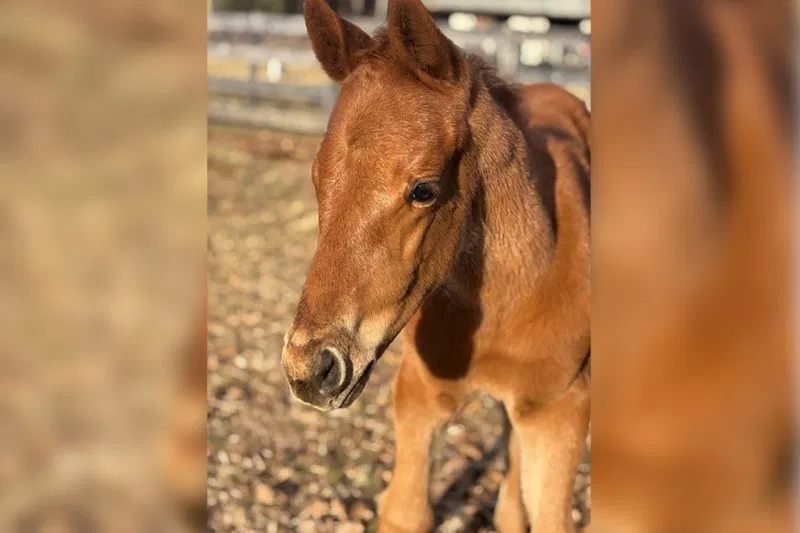
The world of fillies is experiencing a remarkable moment in 2025, with stories of miracle births, wild horse conservation, live-streamed foaling seasons, and historic racing victories capturing the hearts of horse lovers everywhere. From a high-risk pregnancy resulting in a beautiful filly by Triple Crown winner American Pharoah to the thrilling victory of Good Cheer in the Kentucky Oaks, fillies are proving their resilience, value, and undeniable charm across multiple facets of the equine world. Whether you're a pet owner, a racing enthusiast, or simply someone who appreciates the beauty of these young female horses, there's never been a more exciting time to follow the journey of fillies from their first breaths to the winner's circle.
A Miracle Birth: American Pharoah's Filly Foal Defies the Odds
In early June 2025, the equine medical community celebrated the successful birth of a chestnut filly foal sired by the legendary American Pharoah, the 2015 Triple Crown and Breeders' Cup Classic winner. The mare, Philanthropic, had a history of problematic pregnancies, including a stillborn foal and a difficult dystocia birth two years prior. This time, she was referred to the Marion duPont Scott Equine Medical Center in Leesburg, Virginia, for specialized foaling care under the supervision of Virginia Tech's veterinary team.
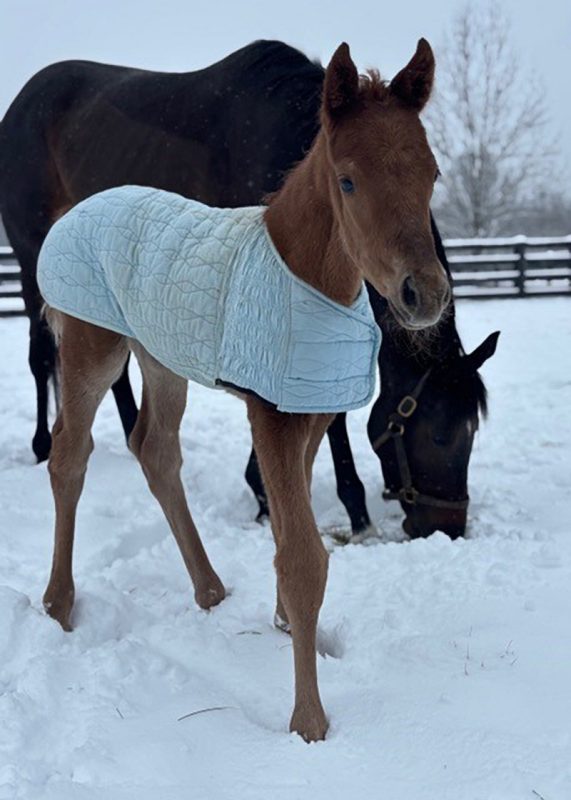
The filly was born on day 344 of gestation—slightly longer than the typical 340-day horse pregnancy—but the challenges didn't end there. Philanthropic initially refused to let her newborn nurse, requiring the veterinary team to step in with a feeding tube to deliver vital colostrum rich in antibodies. “Watching a foal take its first breath makes every sleepless night worth it,” said Krista Estell, clinical associate professor of equine medicine at Virginia Tech. After hormonal treatment to encourage maternal instincts, the filly successfully latched and began nursing, and both mare and foal returned to their home farm in The Plains, Virginia, in healthy condition.
From Foaling Season to the Finish Line: Key Moments in the 2025 Filly Calendar
The year 2025 has already delivered a series of landmark events for fillies, creating a timeline that showcases their importance from birth to elite competition. It all started in March when Delaware Valley University, in partnership with the Pennsylvania Horse Racing Association, launched its live Foal Cams for the third consecutive year. This initiative allows the public to watch the foaling process in real-time via a 30-minute delayed stream, providing an unprecedented educational window into equine reproduction.
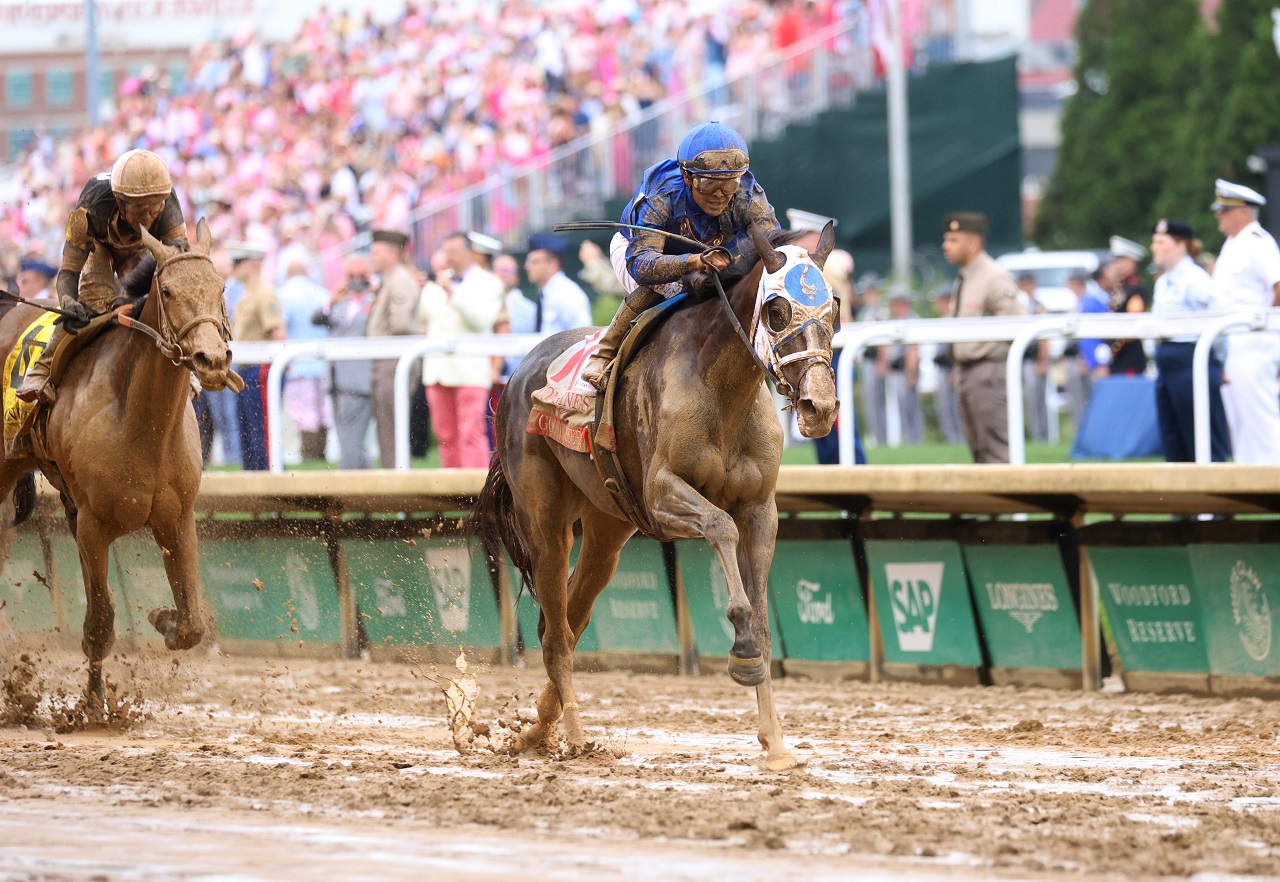
By May, the spotlight shifted to Churchill Downs for the 151st running of the Longines Kentucky Oaks, one of the most prestigious filly races in the world. Good Cheer, trained by Brad Cox and ridden by Luis Saez, surged to a 2¼-length victory in 1:50.15, claiming the $1.5 million purse and the iconic “Lilies for the Fillies” garland. The event also featured the annual Kentucky Oaks Survivors Parade, honoring 150 breast and ovarian cancer survivors and fighters, blending world-class racing with meaningful advocacy.
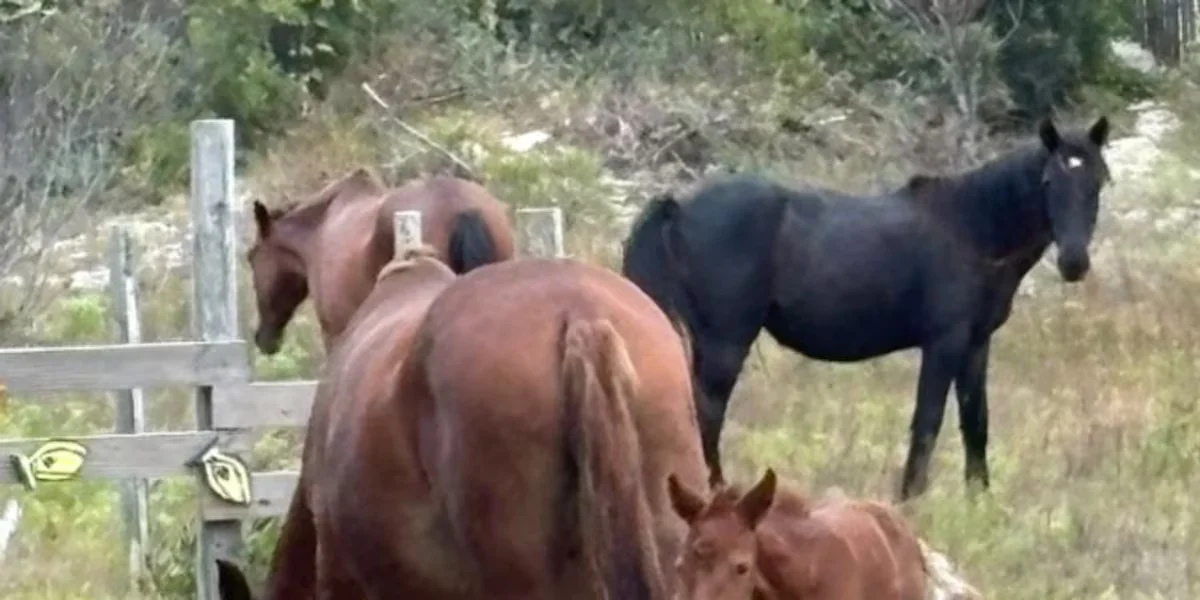
As summer turned to fall, the Corolla Wild Horse Fund in North Carolina's Outer Banks announced the arrival of a new filly in early September—the ninth foal of the 2025 season. With six fillies, two colts, and one gender yet to be confirmed, the wild herd continues to thrive under careful conservation management. “It’s not completely out of the ordinary to have a foal born later in the fall,” the fund noted, “but even if we don’t have more, we are thrilled with this year’s crop! They are all healthy and thriving.”
Why Fillies Matter: The Economic, Emotional, and Ecological Impact
Fillies represent far more than just young female horses; they are vital to the sustainability of horse populations, the economics of the breeding and racing industries, and the ecological balance of wild herds. In breeding, fillies are the future producers of the next generation, with top bloodlines commanding millions at auction—like the record-breaking $10 million sale of Winx's filly in 2024. But beyond their monetary value, fillies often become beloved companions, therapy animals, and ambassadors for their breeds.
For students at Delaware Valley University, working with fillies provides hands-on experience that shapes careers. “In the Advanced Equine Reproduction class, I assisted with the birth of Dutton, observed him standing and nursing, listened to his heart, lungs and trachea, and provided neonatal care,” said Sophia Walsh, a 2026 Equine Science major. “This hands-on experience is preparing me for my future career.” Dr. Cory Kieschnick, chair of DelVal's Equine Science department, added, “This is a unique opportunity to connect with people who may not otherwise have the chance to witness a foal being born.”
In the wild, fillies like those in the Corolla herd contribute to genetic diversity and the long-term survival of endangered horse populations. Each new filly strengthens the herd's resilience, offering hope for the preservation of these historic animals for generations to come.
Where Fillies Stand Today: Health, Conservation, and Racing Updates
As of early 2025, the filly born to Philanthropic and American Pharoah is reported to be “doing great!” according to Smitten Farm manager Hunter Marek. Meanwhile, Delaware Valley University's foaling season is in full swing, with four foals already on the ground—including fillies Rainier and Fuji—and ten more expected before the season ends. The live Foal Cams remain active through March, offering a rare glimpse into the careful monitoring and neonatal care that ensure each filly's health.
On the racing front, Good Cheer's Kentucky Oaks victory has positioned her as a leading contender for year-end championships, with potential starts in the Breeders' Cup Distaff or other elite filly and mare events. Her success underscores the increasing parity and depth in the filly division, where talents like 2024 champion Idiomatic and rising star Kinza have raised the profile of female racehorses worldwide.
Conservationists continue to monitor the Corolla wild horse population, reminding the public not to feed or approach the animals to ensure their natural behaviors remain undisturbed. With six fillies already born in 2025, the herd's future looks promising, but ongoing protection efforts are essential to safeguard these living symbols of American history.
The Future of Fillies: Breeding Trends, Conservation Efforts, and Rising Stars
Looking ahead, several trends are shaping the future for fillies across the globe. Advances in reproductive technology—such as improved embryo transfer techniques, genetic screening, and neonatal care—are increasing the survival rates of fillies from high-value mares and stallions. Breeding programs are increasingly prioritizing not only speed and conformation but also temperament and durability, producing fillies that excel on the track and later as broodmares.
In conservation, organizations like the Corolla Wild Horse Fund are leveraging DNA testing and habitat management to maintain genetic diversity in wild herds, ensuring that fillies born today contribute to robust, sustainable populations. Public engagement through live streams, social media, and eco-tourism is generating broader support for these initiatives, turning fillies into powerful symbols for wildlife preservation.
On the racetrack, the rise of international competitions and lucrative purse structures for fillies and mares is attracting more investment in female racing prospects. With the Breeders' Cup Filly & Mare Turf and Distaff offering multi-million-dollar prizes, the incentive to develop top-tier fillies has never been greater. Young fillies currently in training could soon follow in the hoofprints of legends like Winx, Zenyatta, and Rachel Alexandra, rewriting record books and inspiring new generations of fans.
The Bottom Line: Key Points to Remember
Whether you're a horse owner, a racing fan, or an animal lover, the stories of fillies in 2025 offer something for everyone. From the miracle of birth to the thrill of victory, these young female horses demonstrate resilience, value, and heart. Keep these key takeaways in mind:
- Veterinary care saves lives: The successful birth of American Pharoah's filly highlights the importance of specialized equine medical centers and skilled neonatal care.
- Conservation works: The Corolla wild horse herd is growing, with six fillies born in 2025 alone, thanks to dedicated preservation efforts.
- Education inspires careers: Live foaling cams and hands-on university programs are training the next generation of equine professionals.
- Racing excellence continues: Fillies like Good Cheer prove that female racehorses can compete at the highest level, drawing crowds and breaking records.
As we move further into 2025, one thing is certain: fillies will continue to capture our imagination, our admiration, and our affection—one tiny hoof at a time.