
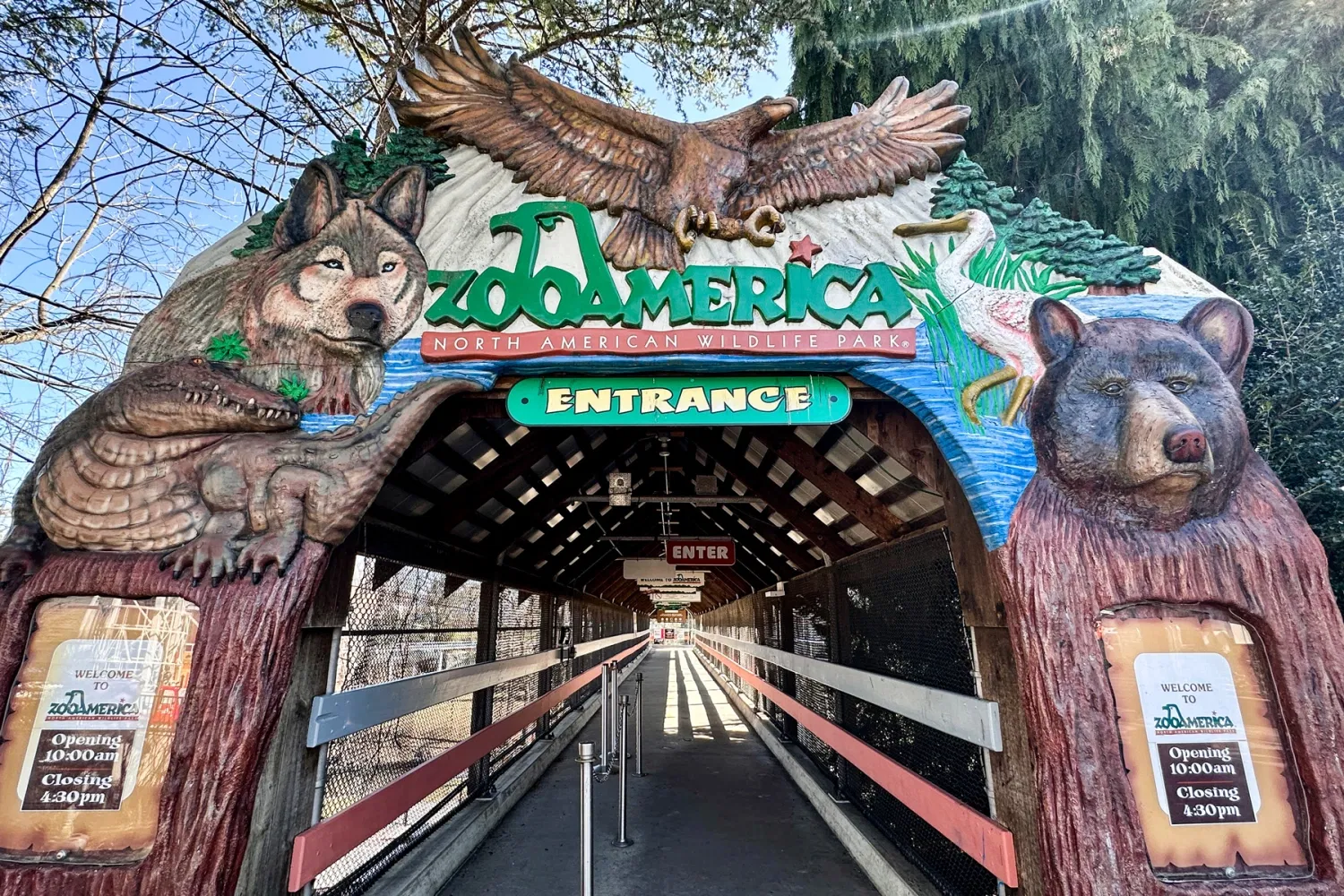
A shocking incident at Hershey Park's ZooAmerica has sparked national conversation about animal safety and parental responsibility after a 17-month-old toddler crawled under a fence and was injured by a wolf. The April 2026 event resulted in child endangerment charges against the parents and raised urgent questions about safety protocols at animal exhibits. As pet owners and animal lovers, this story serves as a crucial reminder that even in controlled environments, wild animals require respectful distance and constant supervision.
How the ZooAmerica Incident Unfolded: Distracted Parents and a Curious Toddler
According to Derry Township police reports, the incident occurred around noon on Saturday when the toddler's parents walked approximately 25-30 feet away to a seating area and appeared to be focused on their cellphones. During this brief period of distraction, the 17-month-old child managed to squeeze through a small opening in a wooden barrier perimeter fence and enter a restricted area near the wolf exhibit. The child then reached a chain-link fence enclosure and was injured after placing a hand through it.
"From the injuries sustained, it appears as though one of the wolves in the enclosure instinctively and naturally grabbed onto the child's hand with its mouth," police stated. Several bystanders intervened and helped pull the child away from the enclosure. The toddler suffered what zoo officials described as "minor, surface-level" injuries and was treated at the scene.
Timeline: The Critical Moments That Led to the ZooAmerica Incident
The sequence of events provides a sobering lesson in how quickly situations can escalate when children are unsupervised around animals. At approximately 11:45 AM, the family entered ZooAmerica as part of their Hershey Park visit. By 11:55 AM, the parents had moved to a seating area while their toddler remained near the wolf exhibit. Between 11:55 AM and 12:00 PM, the child discovered and crawled through the fence opening. At 12:00 PM, bystanders noticed the child reaching into the enclosure and rushed to help. By 12:05 PM, park security and emergency responders were on scene, and by 12:30 PM, the child had received medical attention and the parents were being questioned by police.
Why Animal Behavior Experts Say This Wasn't an "Attack"
ZooAmerica officials were quick to clarify that the wolf's response represented natural animal behavior rather than aggression. "A wolf approached and made contact with the child's hand," the zoo said in a statement. "This was not a forceful or aggressive action, but rather a brief, investigatory behavior consistent with how wild canines interact with unfamiliar objects in their environment."
Animal behavior experts explain that wolves use their mouths much as humans use hands—to explore and investigate their surroundings. This natural curiosity, combined with the unexpected presence of a small hand in their enclosure, triggered what zoo officials characterized as instinctive rather than predatory behavior. The three gray wolves in the exhibit are part of ZooAmerica's North American wildlife collection and are up-to-date on all vaccinations.

Current Legal Status and Zoo Safety Enhancements
The parents, identified as Carrie Sortor, 43, and her husband from Lititz, Pennsylvania, await a preliminary hearing later this month on misdemeanor child endangerment charges. Dauphin County District Attorney Fran Chardo stated that the decision to file criminal charges was carefully considered, taking into account the child's age, the circumstances, and the potential danger involved.
ZooAmerica, which is accredited by the Association of Zoos and Aquariums (AZA), emphasizes that safety remains its top priority. "For more than 40 years, ZooAmerica North American Wildlife Park has strived to provide exceptional expert care to more than 200 animals while educating guests in a safe and enjoyable environment," the zoo states in its safety FAQ. The facility features multiple layers of protection, including clear signage, barriers, and regularly updated safety protocols based on Pennsylvania guidance.
What Pet Owners Can Learn from This Zoo Safety Incident
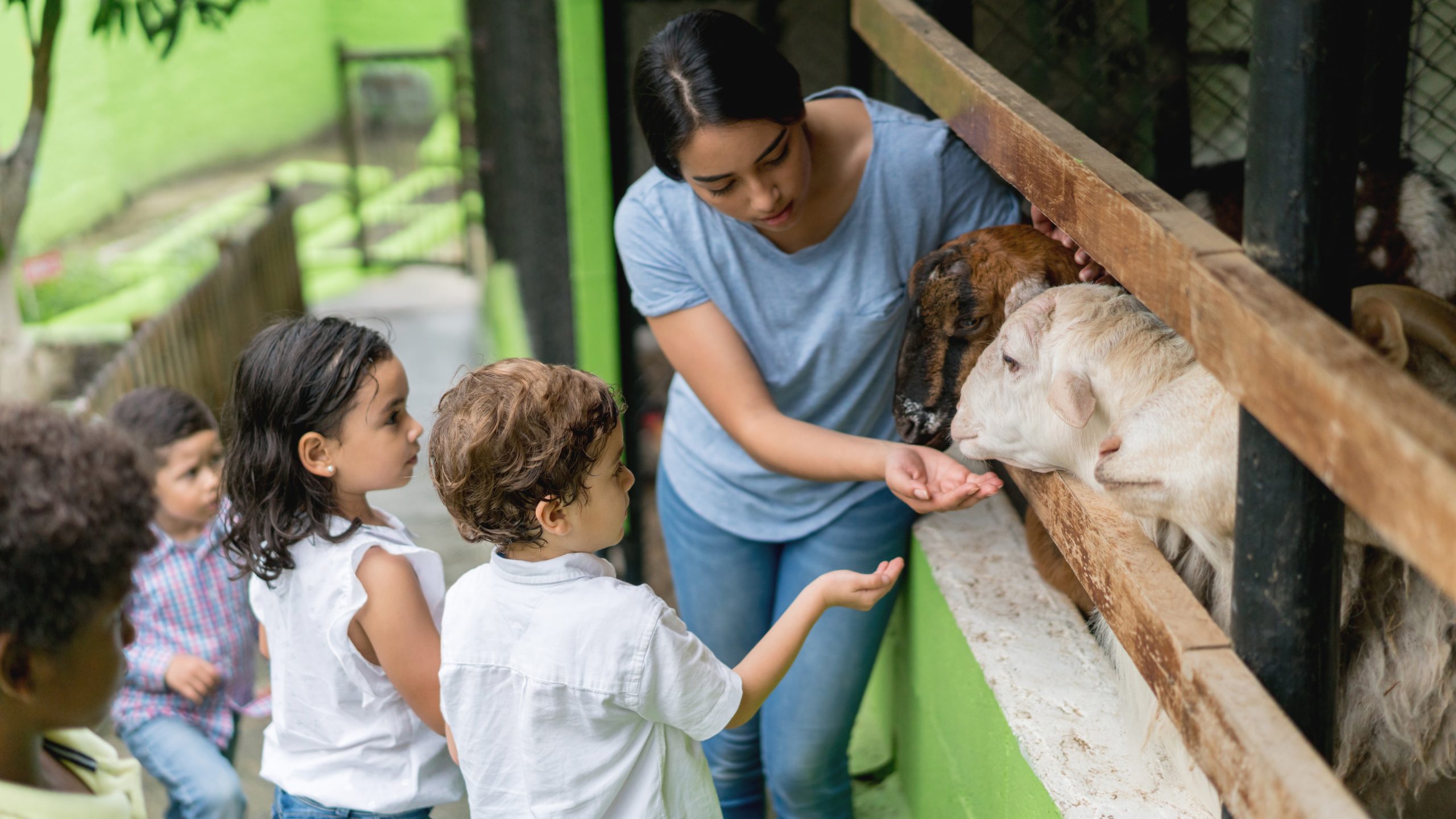
While this incident occurred at a wildlife park, the lessons apply equally to pet owners and families visiting any animal exhibit. The CDC's "Tips for Staying Healthy at Animal Exhibits" provides essential guidance that can prevent similar incidents:
- Always supervise children around animals: Maintain constant visual contact and stay within arm's reach of young children
- Respect all barriers and enclosures: Never attempt to cross barriers or reach into animal enclosures
- Practice hand hygiene: Wash hands thoroughly after petting animals or being in animal areas
- Maintain distance during meals: Don't eat or drink in animal contact areas
- Know age restrictions: Children under 5 should avoid contact with reptiles, amphibians, and poultry
Derry Township Police Chief Garth W. Warner highlighted the broader safety concern: "There are plenty of opportunities for a child of that age to hurt themselves on things. Let alone, be left alone, essentially by themselves, where they could get themselves into a situation like this child did."
The Bottom Line: Essential Animal Safety Takeaways
The ZooAmerica incident serves as a powerful reminder that animal safety requires constant vigilance, whether at a wildlife park, petting zoo, or with family pets at home. Key takeaways include: always maintain direct supervision of children around animals; respect all safety barriers and signage; understand that animal behavior can be unpredictable; and recognize that zoos implement multiple safety layers but ultimate responsibility rests with visitors. As this case moves through the legal system, its lasting impact may be heightened awareness that could prevent future incidents and ensure safer experiences for both animals and visitors.