

Tear gas, rubber bullets, and hundreds of animal rights activists clashed with police outside a Wisconsin beagle breeding facility this week, marking one of the largest confrontations over animal welfare in recent U.S. history. The target was Ridglan Farms, a nearly 60-year-old operation that breeds thousands of beagles for biomedical research and has become the focal point of a heated national debate about animal testing, pet welfare, and the ethics of breeding dogs for science.
How the Ridglan Farms Confrontation Unfolded
On April 18, 2026, an estimated 1,000 activists from across the United States and Canada converged on Ridglan Farms in Blue Mounds, Wisconsin, about 30 miles southwest of Madison. Their goal was to forcibly enter the facility and rescue what they believed were approximately 2,000 beagles living in what activists describe as "windowless warehouses." The action was organized by multiple animal rights groups, including Direct Action Everywhere (DxE) and the Nonhuman Rights Project, who have been campaigning against Ridglan for years.
According to witness accounts reported by The Guardian and CNN, law enforcement officers from the Dane County Sheriff's Office and local police departments used tear gas and fired rubber bullets to disperse the crowd after protesters attempted to breach the facility's gates. Sheriff Kalvin Barrett stated that 300 to 400 people were "violently trying to break in," leading to 27 arrests on charges including trespassing and resisting arrest.
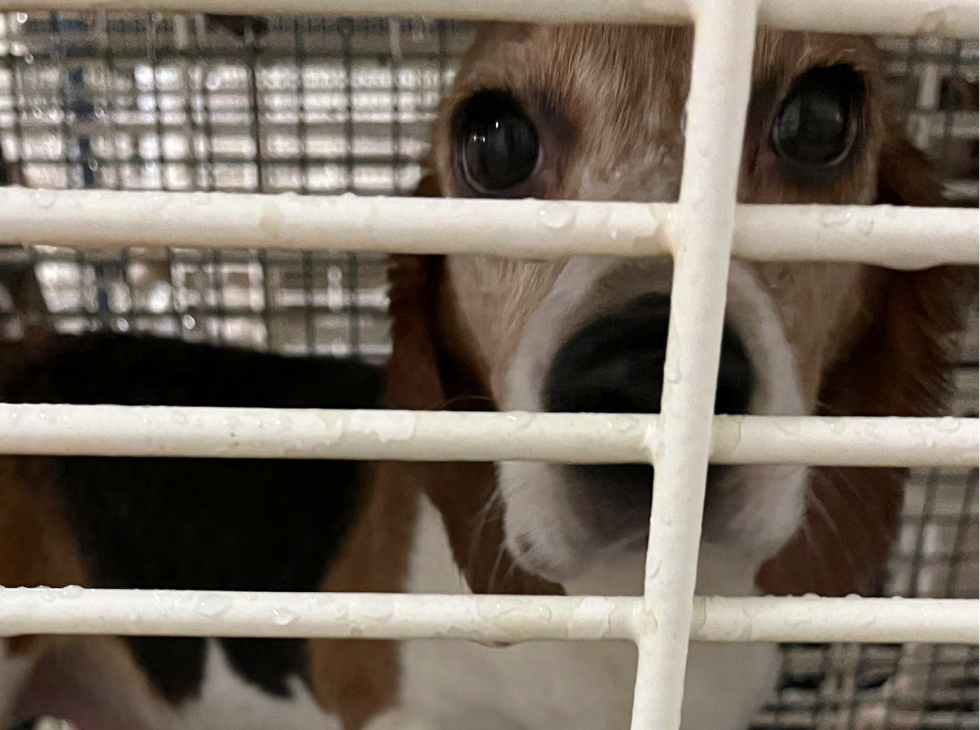
This confrontation was the culmination of months of escalating tension. Just weeks earlier, on March 15, activists had successfully entered the facility and removed 22 beagle puppies in what they called an "open rescue." Those dogs are now scattered across the country in foster homes and sanctuaries, far from the research labs they were bred for.
Timeline: The Road to the April Showdown
The current crisis at Ridglan Farms has been building for over a decade, but several key developments in the past year brought matters to a head:
- October 2025: Facing mounting allegations of animal abuse and pressure from animal rights groups, Ridglan Farms agreed to stop selling beagles for scientific research. In a settlement with Wisconsin authorities, the company agreed to surrender its state breeding license by July 2026, effectively ending its large-scale breeding operations.
- March 15, 2026: Animal rights activists conducted their first "open rescue" at Ridglan, entering the facility and removing 22 beagle puppies. The action was live-streamed and drew national attention to conditions at the facility.
- April 18-19, 2026: Hundreds of activists returned for a much larger rescue attempt, resulting in the violent confrontation with police that made national headlines.
According to reporting from Science magazine, Ridglan's decision to close came after years of allegations about animal welfare violations. The facility, which is one of only two major beagle breeders for research in the United States, had become increasingly controversial as public sentiment shifted against animal testing.
Why Beagles Are Used in Research and Why It's Controversial
Beagles have been the breed of choice for biomedical research for decades due to their size, gentle temperament, and relative genetic uniformity. Ridglan Farms describes itself on its website as a "USDA Class A dog breeder as well as a USDA licensed Class R research facility" committed to "the highest standards of health and quality." The company states that its beagles are used for research aimed at improving veterinary medicine and human health.
However, animal rights organizations paint a very different picture. The Nonhuman Rights Project, which has filed legal actions on behalf of the Ridglan beagles, claims the dogs live their entire lives in "windowless warehouses" and are subjected to painful procedures. Activists argue that modern alternatives to animal testing—including computer modeling, organ-on-a-chip technology, and human cell-based assays—make beagle research unnecessary and cruel.
"These dogs are caged, poisoned, and even mutilated at Ridglan Farms," one activist told local Wisconsin station WKOW during the protests. "We're here to show them love and freedom for the first time in their lives."
Where Things Stand Now: The Current Status of Ridglan Farms
As of late April 2026, Ridglan Farms continues to operate, though under intense scrutiny. The facility still houses approximately 2,000 beagles, according to activist estimates. Company representatives have repeatedly denied allegations of animal abuse, stating on their website that "no credible evidence of animal abuse, cruelty, mistreatment or neglect at Ridglan Farms has ever been presented."
The legal landscape is complex. While Ridglan has agreed to cease breeding operations by July 2026, the facility could potentially continue other research activities. The 27 activists arrested during the April protests face various charges, and their cases are working through the court system. Meanwhile, animal rights groups are planning further actions and legal challenges to secure the release of all remaining dogs.
Local officials are caught between supporting a long-standing business in their community and responding to growing public concern about animal welfare. Dane County District Attorney Ismael Ozanne is facing pressure from both sides—activists demanding prosecution of Ridglan for animal cruelty, and the facility's supporters arguing that the activists themselves should face severe penalties for trespassing and destruction of property.
What Happens Next: The Future of Beagle Research and Rescue
The planned closure of Ridglan's breeding operations by July 2026 represents a significant victory for animal rights activists, but many questions remain about what will happen to the approximately 2,000 beagles still at the facility. Adoption efforts are already underway, with organizations like the Beagle Freedom Project working to place dogs in homes once they're released.
The broader implications for biomedical research are also significant. With Ridglan's planned closure, only one major beagle breeder for research will remain in the United States, potentially creating supply challenges for research facilities. This could accelerate the shift toward alternative testing methods that don't involve animals.
For pet lovers and animal welfare advocates, the Ridglan Farms story highlights ongoing concerns about commercial dog breeding and animal testing. While beagles used in research represent a small fraction of the millions of dogs kept as pets in the United States, their plight has become a powerful symbol in the movement to improve animal welfare standards across all sectors.
The Bottom Line: Key Points for Pet Lovers
- Ridglan Farms is the second largest breeder of beagles for biomedical research in the U.S., housing approximately 2,000 dogs at its Wisconsin facility.
- The company has agreed to stop breeding beagles for research by July 2026 after settling allegations of animal welfare violations.
- Animal rights activists have conducted multiple rescue attempts, culminating in a major confrontation with police in April 2026 that resulted in 27 arrests.
- The controversy reflects growing public concern about animal testing and commercial breeding operations.
- Adoption organizations are preparing to help rehome beagles from the facility as they become available.
- The situation underscores the importance of supporting ethical pet breeding practices and considering adoption from shelters and rescues.
As the story continues to develop, one thing is clear: the fate of the Ridglan beagles has captured national attention and sparked important conversations about how society balances scientific progress with animal welfare. For pet lovers, it's a reminder that behind every research statistic and scientific advancement, there are living, breathing animals whose welfare deserves our consideration and compassion.