
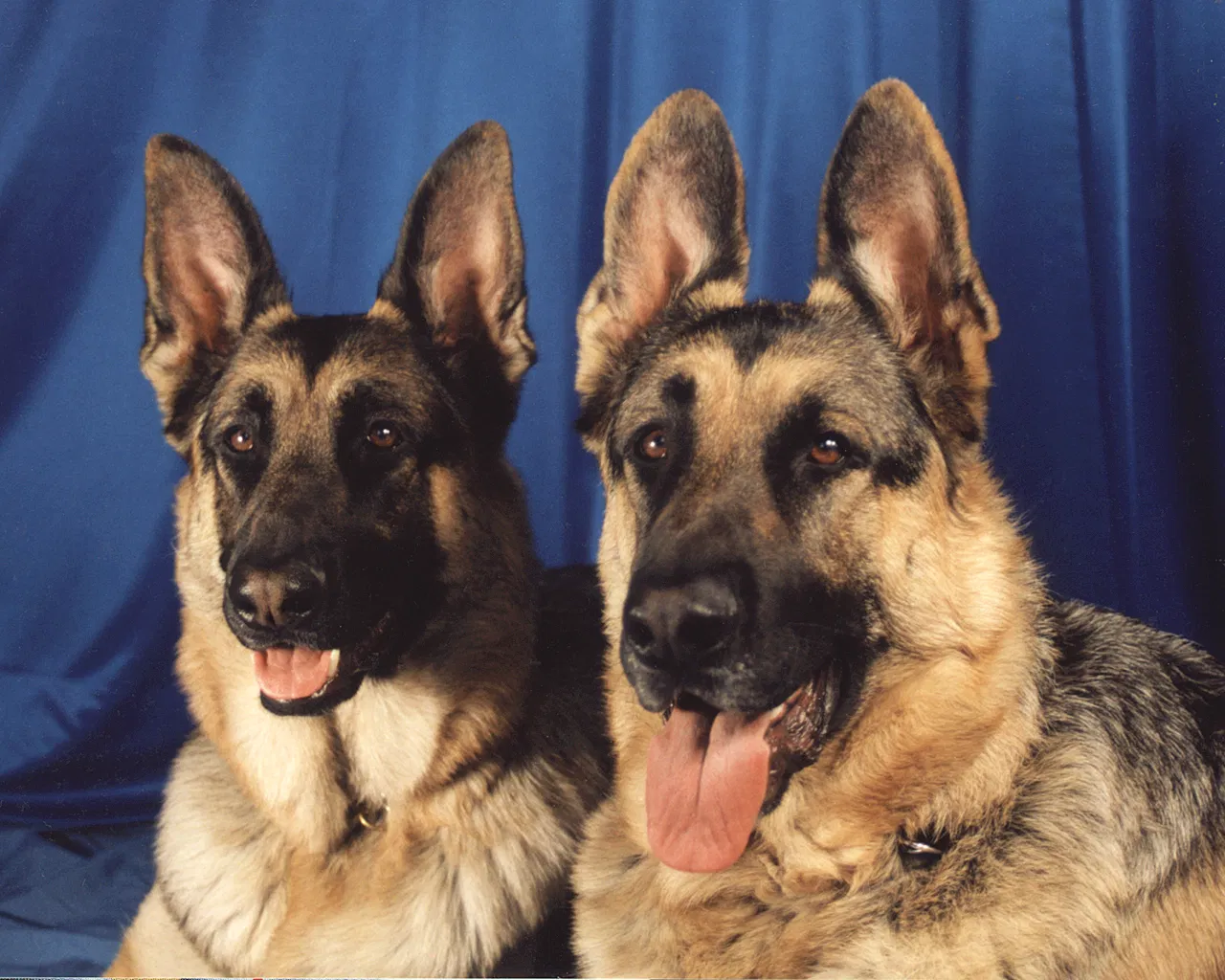
Warhound, a Texas-based defense startup founded by two of the tech world's most ambitious entrepreneurs, has emerged from stealth with $200 million in seed funding to clone and genetically engineer the next generation of military working dogs — the Belgian Malinois and German Shepherds that sniff out explosives, track suspects, and protect troops on battlefields around the world.
Announced Thursday, October 22, 2026, the company is the brainchild of Ben Lamm, CEO of the de-extinction startup Colossal Biosciences, and Palmer Luckey, founder of the defense technology giant Anduril. Their mission is bold: rebuild America's domestic supply of elite working dogs and end a quiet but costly dependence on European breeders.
Inside Warhound's $200 Million Plan to Rebuild America's Working Dogs
Warhound's proposition goes far beyond training. The company wants to fundamentally alter canine biology. According to its launch announcement, more than 80% of the working dogs used by the U.S. military are imported from Europe, and fewer than half of the dogs that begin training ever graduate to active duty.
The plan is to collect cells from top-performing military, police, and first-responder dogs, edit their genomes to remove common health problems such as hip dysplasia and weak eyesight, and then clone the edited animals at scale. Early gene-editing work, according to Wired, will focus first on eliminating the conditions that plague these breeds — and some reports suggest the company may even explore adding wolf-derived genes to sharpen a dog's sense of smell.
The $200 million seed round values Warhound at a reported $1.2 billion and attracted a who's-who of investors, including Sequoia Capital, 8VC, Corner Ventures, and In-Q-Tel, the venture firm backed by the CIA and U.S. intelligence agencies.
The dogs won't just be genetically optimized — they'll be outfitted. Anduril will supply protective equipment such as body vests and eye and ear protection, and will integrate the animals into its Eagle Eye mixed-reality system, linking dogs, handlers, and autonomous machines on the battlefield.
Timeline: From Dire Wolf Puppies to a $1.2 Billion War Dog Startup
Warhound's origin story begins not with dogs of war but with a species that vanished roughly 12,500 years ago. On October 1, 2024, Colossal Biosciences announced it had brought back the dire wolf, unveiling three puppies — two males named Romulus and Remus and a female named Khaleesi — in what the company called the first de-extinction of an eradicated species.
That breakthrough proved Colossal's cloning and gene-editing tools could work in canines. Lamm and Luckey, who both run Texas-based companies, saw the same technology applied to a more immediate mission: securing America's supply of elite working dogs.
The timeline moved quickly. The founders assembled Warhound in stealth through 2025. On October 22, 2026, the company emerged with its $200 million seed round and a $1.2 billion valuation. Warhound says it expects its first litters of puppies in early 2027, with demonstrations of Anduril's dog gear expected later that year.
The Dogs at the Center of It All: Belgian Malinois and German Shepherds
For pet lovers, the breeds at the heart of Warhound's plans are already household names. The Belgian Malinois — a lean, high-drive herding dog — has become the military's preferred working breed, prized for its speed, endurance, and intensity. The German Shepherd, larger and more versatile, has served police and military units for more than a century.
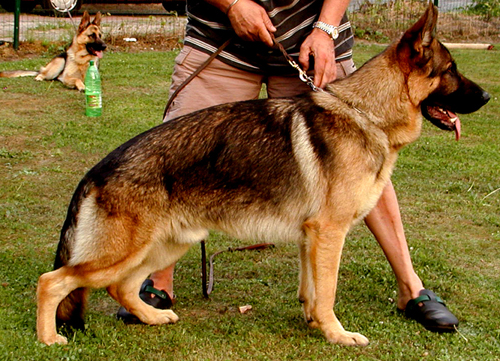
Both breeds are brilliant and loyal but demanding. Their high energy and work ethic make them exceptional partners for handlers — and challenging pets for owners who can't provide enough exercise and mental stimulation. Warhound's focus on eliminating hip dysplasia and other inherited conditions could eventually influence how these breeds are bred for civilian homes, too, though the company's stated mission remains strictly military and first-responder focused.
Why Warhound Matters: The Science, the Supply Chain, and the Ethics
The science behind Warhound is real but not new. Dog cloning through somatic cell nuclear transfer has existed since 2005, when South Korean researchers produced Snuppy, the first cloned dog. What's novel is the scale and the military application — combining cloning with gene editing to produce larger, healthier, more capable working dogs on demand.
Experts interviewed by Scientific American said the approach is technically possible but prone to error, inefficiency, and a host of ethical questions. Cloning remains expensive and carries meaningful rates of failed pregnancies and health complications for both surrogate mothers and offspring.
The ethical debate is already underway. Critics warn that treating animals as design objects and commercializing life raises profound welfare concerns. Warhound counters that it is working with the animal welfare organization American Humane to certify its training program and to help place retired dogs into loving homes — a nod to the fact that even engineered war dogs eventually hang up their vests.
Where Things Stand Now: Warhound's Latest Updates
As of this week, Warhound is officially out of stealth and its fundraising is complete. The company has not yet produced its first dogs — the money arrives well before the first litters, which are expected in the first quarter of 2027.
Warhound has not disclosed how many dogs it intends to produce, how much each cloned animal will cost, or which military branches have signed on as customers. But the involvement of In-Q-Tel and the company's framing as a fix for a national-security supply chain problem signal that government contracts are the end goal.
What Happens Next: The Road Ahead for Warhound
The next major milestone is biological: Warhound's first puppies. If the company meets its own timeline, the first cloned, gene-edited war dogs will be born by mid-2027, with demonstrations integrating Anduril's protective gear and Eagle Eye mixed-reality system with live animals to follow.
Beyond the lab, Warhound must navigate animal welfare regulation, public opinion, and the practical challenge of proving its dogs outperform naturally bred counterparts. Success could reshape how militaries, police departments, and search-and-rescue teams around the world source their canine partners — and set a precedent for how far genetic engineering can reshape the animals we rely on.
The Bottom Line: Key Points to Remember
- Warhound raised $200 million in seed funding at a reported $1.2 billion valuation.
- It was founded by Ben Lamm of Colossal Biosciences and Palmer Luckey of Anduril.
- The company will clone and gene-edit elite military dogs, primarily Belgian Malinois and German Shepherds.
- More than 80% of U.S. military working dogs are imported from Europe; fewer than half complete training.
- First gene-edited puppies are expected in early 2027.
- Anduril will supply protective gear and mixed-reality integration for the dogs.
- Warhound is partnering with American Humane on welfare standards and retirement placement.