
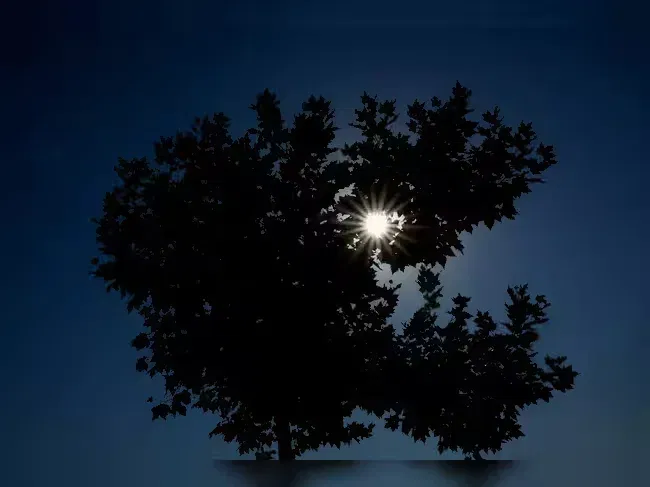
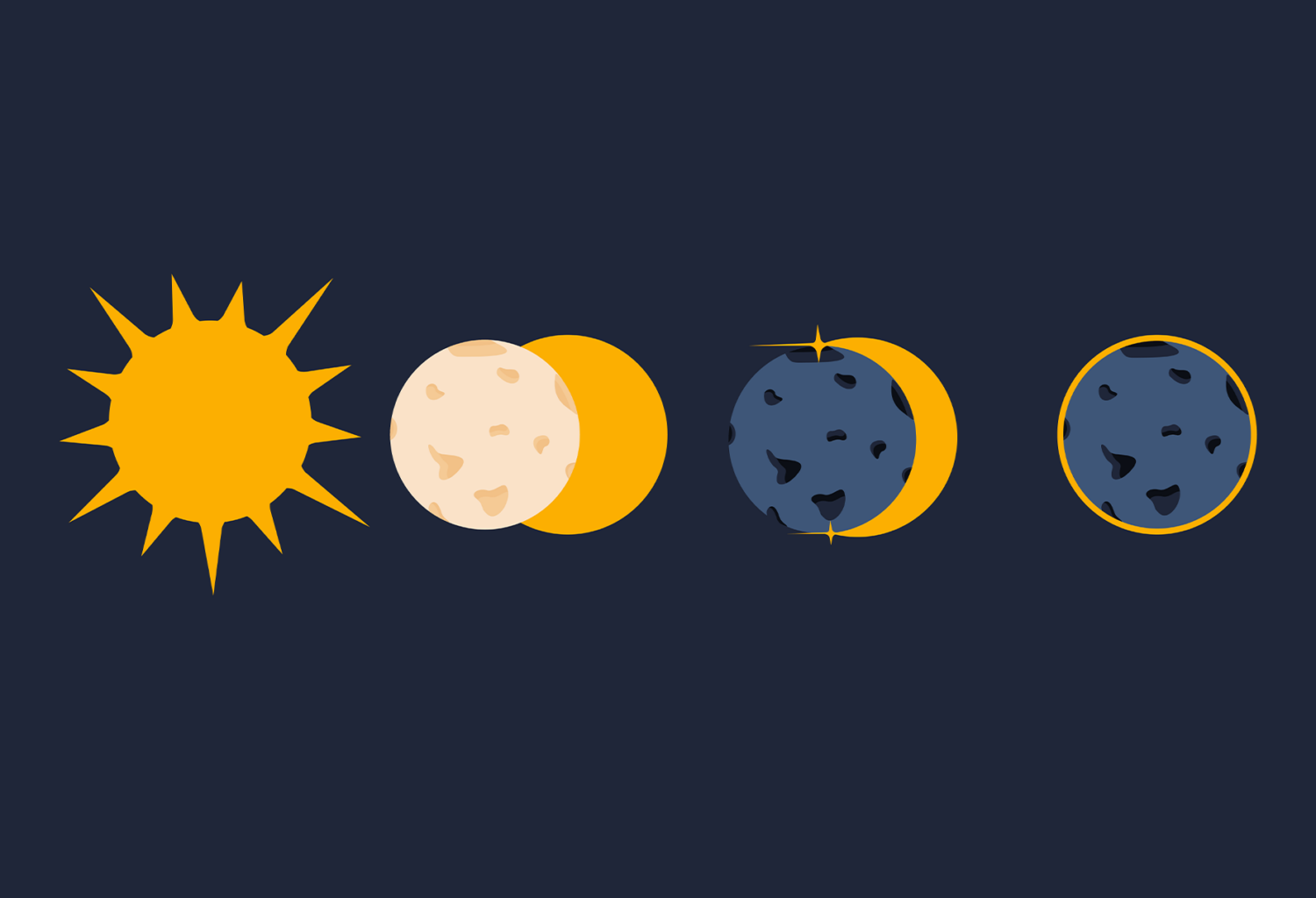
On Wednesday, August 12, 2026, the Moon will slide directly in front of the Sun and turn a narrow band of the planet dark in the middle of the day. For the first time in two decades, millions of pet parents across Europe are asking the same question: what will the total solar eclipse mean for my dog, cat, or other animal? The reassuring verdict from veterinarians is simple — your pet is almost certainly going to be just fine.
A Once-in-a-Generation Eclipse Arrives in Europe
The August 12, 2026 eclipse is a landmark event. It is the first total solar eclipse visible in continental Europe since March 29, 2006, and the first to darken Iceland's skies since 1954. The Moon's shadow will race across northernmost Siberia, the Arctic, Greenland and Iceland, then cross the Atlantic Ocean before sweeping over northern Spain and the extreme northeastern corner of Portugal.
Totality — the moment the Moon completely covers the Sun — will last up to 2 minutes and 18 seconds at its peak, located just off the western coast of Iceland. The path of totality, roughly 294 kilometers wide, will pass over the Spanish cities of A Coruña, Bilbao, Zaragoza, Valencia and Palma, while Madrid and Barcelona sit just outside the shadow's path. Across Ireland, the United Kingdom, Portugal, France, Italy, the Balkans and North Africa, more than 90 percent of the Sun will be covered.
How Pets Actually Experience the Eclipse
Here is the good news for anxious owners: pets are not sky watchers. "Unlike people, animals don't know that there's an eclipse happening, so they are very unlikely to look directly into the sun," says Dr. Carly Fox, a senior veterinarian in Emergency and Urgent Care at AAHA-accredited Schwarzman Animal Medical Center (AMC) in New York City. "So mostly your dog or cat will be perfectly fine."
The bigger concern is not eye damage but behavior. As daylight suddenly fades, birds may fall silent and some animals can behave as though night has arrived hours early, according to scientists tracking the event's effects. Pets with thunderstorm anxiety may be especially sensitive to the sudden darkening, which they can associate with approaching weather. "Those animals may become a little bit more anxious and exhibit behavior similar to how they'd behave if a thunderstorm was about to start," Fox says.
Do Pets Need Eclipse Glasses? No
People are told to wear protective glasses to view an eclipse, but the same rule does not apply to pets. "They don't need them, because they're not going to look directly at the sun," Fox explains, noting that animals instinctively avoid staring at the Sun. "Putting glasses on them will be more stressful than the actual eclipse."
That instinct is backed by experience. Fox, who has practiced emergency and urgent care medicine for 15 years, says she has never seen a case of eclipse-related eye damage in a pet — and found no documented reports of it when she searched. Still, she advises pet parents to watch for warning signs: squinting, ocular discharge, any change to the appearance of the eye, or any change in the animal's vision. If any of those appear, contact a primary care veterinarian or a veterinary ophthalmologist.
Vet-Approved Ways to Keep Dogs and Cats Calm
Because pets are more likely to pick up on their owners' excitement than on the eclipse itself, Fox's first piece of advice is to stay calm. "Pets are sensitive to our emotions and actions, so staying composed is key." Beyond that, she recommends a simple playbook for August 12.
Keep pets indoors, especially cats, to shield them from crowds and commotion. Maintain their regular routine — meals, walks and playtime on schedule — so the day feels like business as usual. If you will be out of the house, create a calming atmosphere at home: leave lights on, play soothing music, and give them a comfortable place to rest. Finally, make sure their identification is up to date. "Ideally, both" a microchip and a collar with ID tags, Fox says, comparing the precautions to the Fourth of July or any event where a startled pet might bolt.
Should You Bring Your Pet Along to Watch?
For the millions of people traveling to see the eclipse — Spain alone set up 660 official viewing sites to handle an expected influx of more than 440,000 visitors — Fox's advice is straightforward: leave pets at home when possible. "I think it's best to leave your pet at home. However, some people don't have the option of doing that."
If a pet must come along, walk them beforehand, and plan breaks so that during the eclipse the animal is comfortable in the car with the air conditioning running. If you park and step out to look at the sky, do not leave the animal in the car — take them with you. The good news, Fox notes, is that "we know what time the eclipse is going to happen, so make sure to walk your pets beforehand."
What Happens Next
Once the shadow passes, life for pets should return to normal almost immediately. The next total solar eclipse visible in Spain arrives less than a year later, on August 2, 2027 — part of a rare hat-trick of three consecutive eclipses the country will enjoy. For Iceland, the wait is far longer: the next total eclipse there will not occur until 2196. For pet owners, the takeaway is the same each time: keep routines steady, stay calm, and let the eclipse remain a human spectacle while pets snooze through it.
The Bottom Line for Pet Parents
- The total solar eclipse on August 12, 2026 darkens skies across Greenland, Iceland, northern Spain and northeastern Portugal, with up to 2 minutes 18 seconds of totality.
- Pets are extremely unlikely to look at the Sun, so eclipse-related eye damage in dogs and cats is essentially unheard of, veterinarians say.
- The real risk is behavioral: sudden darkness can trigger anxiety, especially in thunderstorm-phobic pets.
- Keep pets indoors, stick to their routine, check their ID, and skip the eclipse glasses — your pet does not need them.