
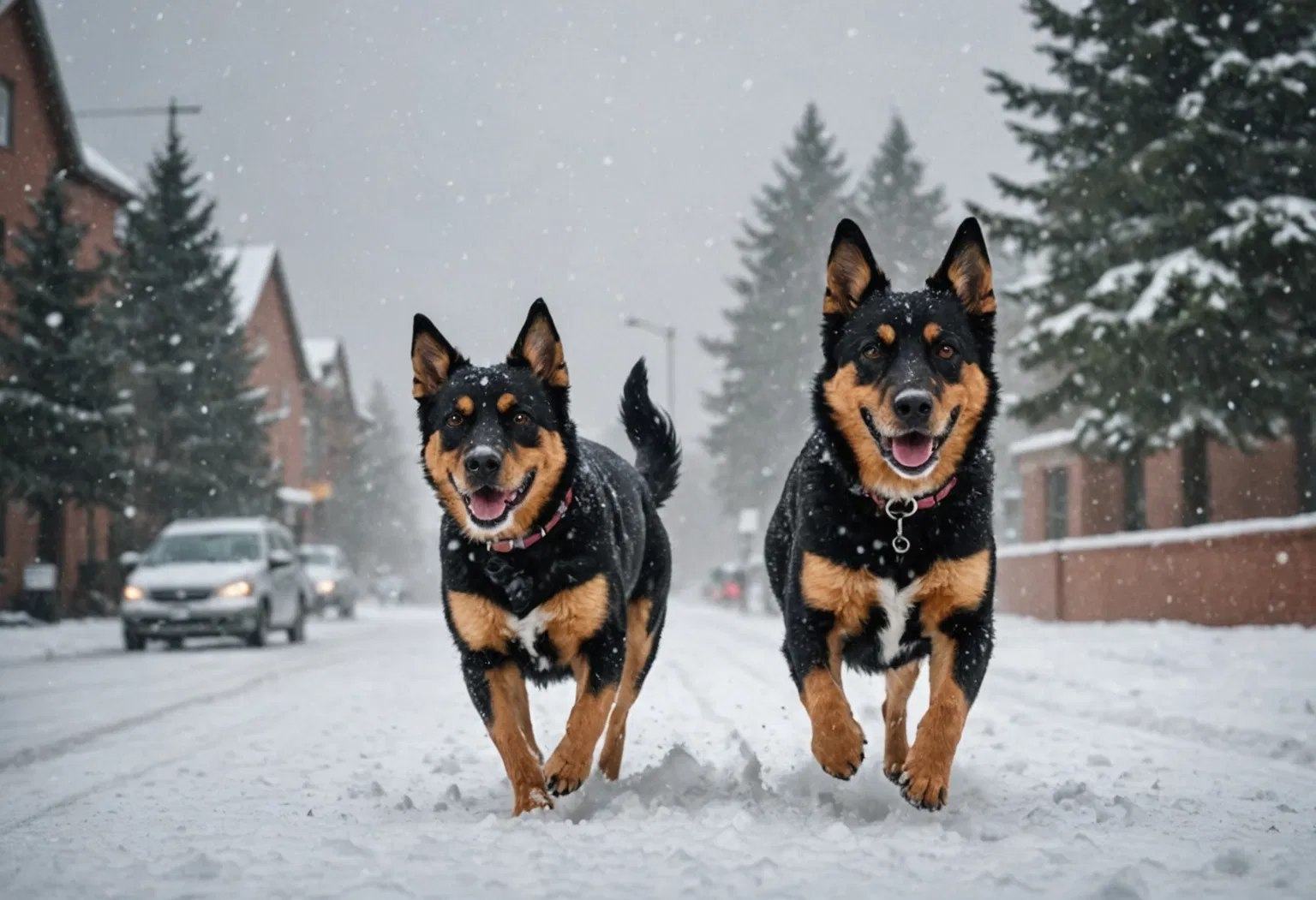
As winter storm warnings sweep across the country and snow begins to blanket neighborhoods, veterinarians are urging pet owners to take cold weather safety seriously. Snow and freezing temperatures are not just an inconvenience for dogs and cats — they pose real and sometimes life-threatening risks, including frostbite, hypothermia, and painful paw injuries. Understanding how to protect your pet before, during, and after a snowstorm can make the difference between a safe winter and an emergency trip to the veterinarian.
Why Snow and Winter Storms Are Dangerous for Pets
Cold weather affects pets in ways many owners do not expect. While a thick-coated husky may enjoy a romp through fresh snow, short-haired breeds, small dogs, senior pets, and cats are far more vulnerable to the cold. A healthy dog or cat maintains a normal body temperature of roughly 100 to 102.5 degrees Fahrenheit. When exposure to cold drives that temperature below about 98 degrees, hypothermia sets in, slowing the heart and breathing and eventually leading to collapse if untreated.
The most common cold-weather injuries are to the paws and extremities. Rock salt and chemical ice melts spread on sidewalks and driveways can cause painful chemical burns on paw pads and, when licked off during grooming, can trigger vomiting, diarrhea, and dangerous electrolyte imbalances. Wet snow also clumps into hard ice balls between the toes, causing pain and lameness. Frostbite strikes the body's most exposed areas — the ear tips, tail, and paws — turning the skin pale, bluish, or gray.
Beyond the cold itself, snow conceals hazards. Sharp objects, uneven ice, and debris are hidden beneath a fresh layer of powder, and deep snow can disorient a dog that relies on scent to find its way home. Two hidden toxins complete the picture: antifreeze, which has a sweet taste that attracts pets and can be fatal in very small amounts, and salt-based de-icers, which are dangerous if ingested.
How a Winter Storm Threatens Your Pet: The Risks Step by Step
The danger of a snowstorm unfolds in stages, and each stage calls for a different kind of vigilance. Before the first flakes fall, the priority is preparation: confirming you have enough pet food, medications, and warm bedding, and planning how your pet will relieve itself if conditions make outdoor time unsafe. Short-haired and elderly pets should have coats or sweaters ready, and every pet should wear a properly fitting collar with up-to-date identification and a registered microchip.
During the storm, pets should remain indoors as much as possible. Bathroom breaks should be brief and supervised, and small or short-haired dogs may benefit from a coat and booties. After the storm passes, the risks shift to what the snow left behind. Sidewalks coated in salt and ice melt become the main hazard, so wiping down paws, legs, and bellies after every outing removes the chemicals your pet would otherwise lick off. This is also the moment to inspect paw pads for cuts, cracks, or bleeding and to check for ice accumulation between the toes.
Paw Protection and Frostbite: What to Watch For in the Snow
Prevention is the most reliable defense against cold-weather injuries. Dog booties shield paw pads from salt, ice, and chemicals, while a layer of pet-safe paw balm applied before walks can protect against cracking. For owners who skip booties, trimming the fur between the toes reduces the snow and ice that clings there, and choosing pet-safe ice melts for your own walkway protects both your pet and neighborhood animals.
Recognizing the early signs of trouble is just as important. A pet that is shivering, anxious, whining, or repeatedly lifting its paws is telling you it is too cold. Frostbite may appear as pale or gray skin on the ears, tail, or paws, and hypothermia presents as lethargy, weakness, slow breathing, and pale gums. If you suspect either condition, move your pet to a warm space, wrap it in dry blankets, and contact a veterinarian immediately. Do not rub frostbitten skin, which can worsen tissue damage, and never use hot water — warm gradually instead.
Where Things Stand: Cold Weather Alerts and Pet Safety
With winter storm warnings and sub-freezing temperatures gripping large parts of the country, veterinary clinics and animal shelters are repeating the same core message: if it is too cold for you to stand outside comfortably, it is too cold for your pet. Many shelters see an uptick in lost-pet reports during and after snowstorms, as disoriented animals lose their way or slip out through doors propped open during snow removal. Emergency clinics, meanwhile, treat a predictable wave of cases each winter — pets that ingested ice melt, burned paws from rock salt, and hypothermia in animals left outside too long.
Experts consistently recommend erring on the side of caution. Limit outdoor time during extreme cold, dry your pet thoroughly after it comes inside, and provide warm, draft-free bedding away from cold floors. Never leave a pet in a parked car during winter, because vehicles can act like refrigerators and rapidly reach dangerous temperatures.
What's Next: Preparing Your Pet Before the Next Snowstorm
The best time to protect your pet from snow is before the storm arrives. Assemble a winter emergency kit that includes extra food, any daily medications, bottled water, blankets, and first-aid supplies. If a storm is forecast, bring outdoor pets inside well before conditions deteriorate, and identify a safe indoor area for bathroom breaks, such as a garage lined with puppy pads, if going outside becomes unsafe.
Grooming habits should also shift with the season. Avoid shaving long-haired pets down to the skin in winter, as their coat provides essential insulation, and bathe less frequently to avoid stripping natural oils. After walks, always check paws for redness, cracks, or bleeding, and keep a towel by the door to dry your pet and remove salt and snow. These small habits, repeated all winter long, are what keep snow from turning a fun day into a dangerous one.
The Bottom Line: Snow Safety Essentials for Pet Owners
Snow and winter storms are manageable for pets when owners are prepared. The key points to remember are simple but can save a life:
- Keep pets indoors during storms and limit outdoor time in extreme cold.
- Wipe paws, legs, and bellies after every walk to remove salt and ice melt.
- Watch for signs of frostbite and hypothermia, and seek veterinary care immediately if they appear.
- Use booties, paw balm, and pet-safe ice melt to protect paw pads.
- Never leave a pet in a cold car, and keep antifreeze and de-icers safely out of reach.
- Ensure your pet has a warm, draft-free place to sleep and up-to-date identification.