
San Antonio is making historic investments in animal welfare, with city and county leaders approving millions for new veterinary facilities, shelters, and innovative programs aimed at reducing euthanasia rates and increasing pet adoptions. From a $15 million veterinary hospital at Animal Care Services to a $10.9 million county shelter expansion and a first-of-its-kind pet deposit assistance program, the Alamo City is taking dramatic steps to address its animal care challenges while celebrating major adoption successes like the annual Dogtober festival and National Dog Week events.
San Antonio's $15 Million Veterinary Hospital: A Game-Changer for Animal Care
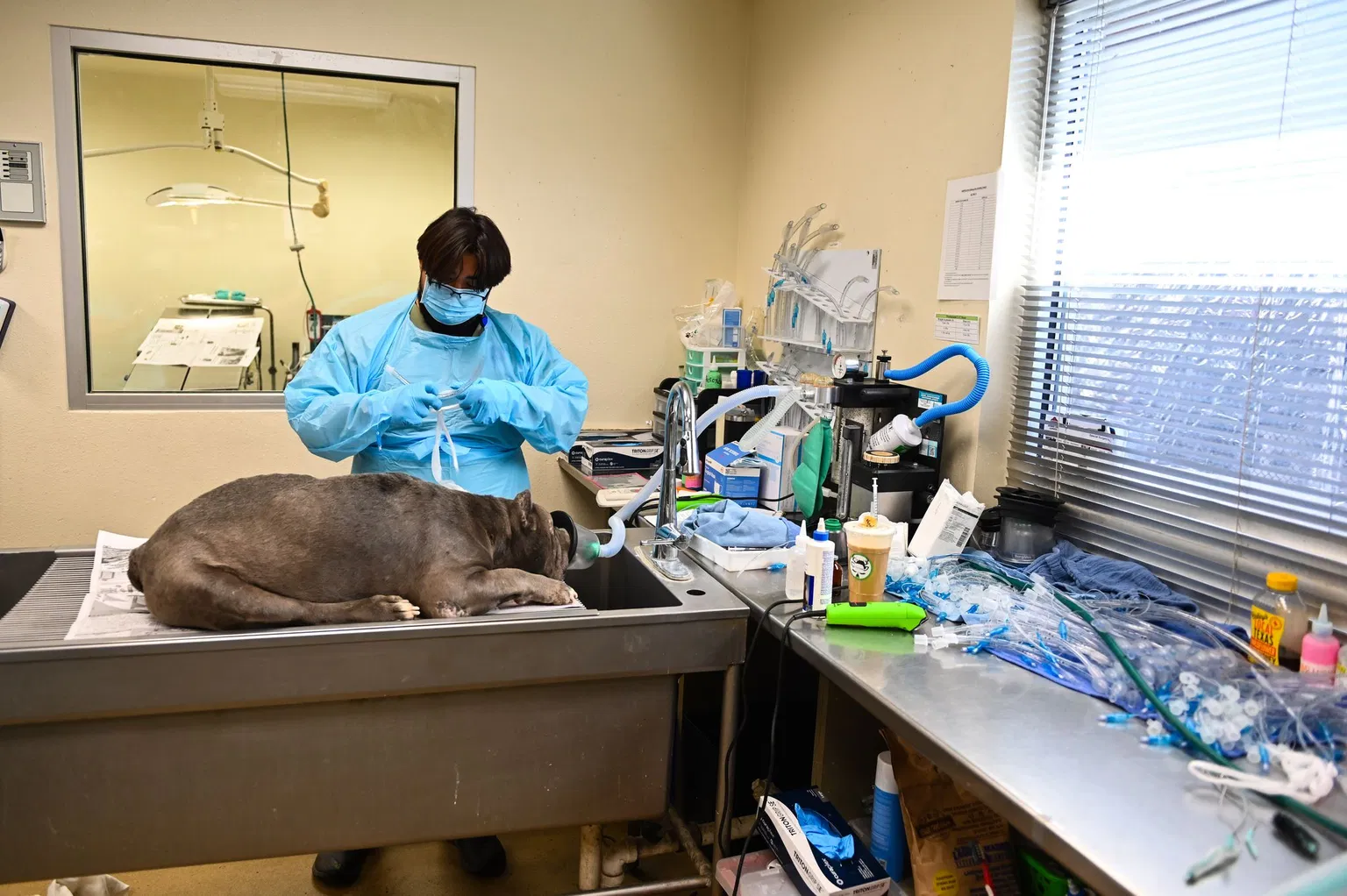
The San Antonio City Council recently approved a $15 million construction contract with F.A. Nunnelly Co. to build a new 14,500-square-foot veterinary hospital and renovate the existing 3,000-square-foot clinic at the Animal Care Services campus on the West Side. The project, funded with 2022 bond dollars, represents one of the most significant investments in animal healthcare infrastructure in the city's history. Construction is set to begin in February 2025 with completion expected by fall 2027.
"Our staff are kind of tripping over each other," ACS Director Jonathan Gary told the San Antonio Express-News, describing the current cramped conditions where 40 staffers squeeze past each other down narrow hallways each day. The new facility will address critical space limitations that have hampered treatment capabilities for the approximately 32,000 cats and dogs that pass through ACS annually.
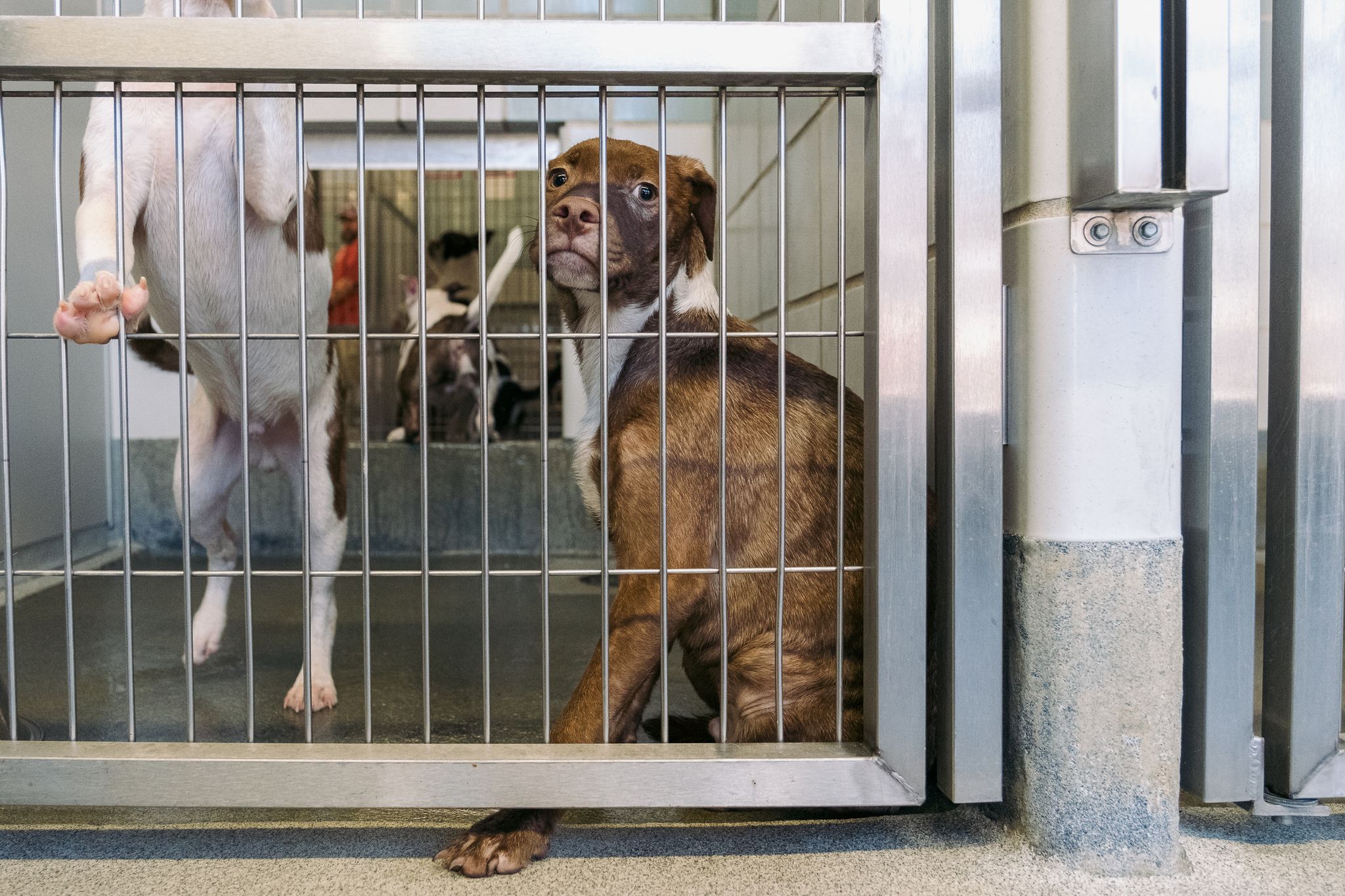
The expansion comes at a crucial time. Last fiscal year, more than 1,800 cats and dogs were euthanized because of medical conditions that were sometimes untreatable or because the shelter lacked the capacity to care for them. The current clinic has only 73 kennels for animals awaiting treatment or recovering from illnesses; the new hospital will have 171 kennels, significantly expanding treatment capacity.
"There's just so many other opportunities for us to be able to provide better care to the animals than what we're able to do now," Gary said. "I think our staff does a pretty good job with what we have now, but this will just really expand those efforts." The new hospital will feature an X-ray machine, allowing vets to treat animals in-house rather than waiting for them to be sent for scans at other hospitals.
Bexar County's $10.9 Million Shelter Expansion Triples Capacity
While the city focuses on veterinary care upgrades, Bexar County is addressing its own shelter capacity challenges with a $10.9 million new animal care facility on San Antonio's Southwest Side. Approved by county commissioners in November 2025, the 17,000-square-foot facility at 6841 Cagnon Road near Joint Base San Antonio-Lackland will add 132 kennels to the county's current capacity of 60 at its Kirby location.
"We've grown out of our space," said Animal Care director Jacy Elrod. "And it's not just the kennel space or being at capacity, because I think everybody in the animal industry, we all feel that struggle of being at capacity all of the time." The Kirby facility reaches capacity daily, forcing the department to find rescue organizations or foster families for animals it can't accommodate.
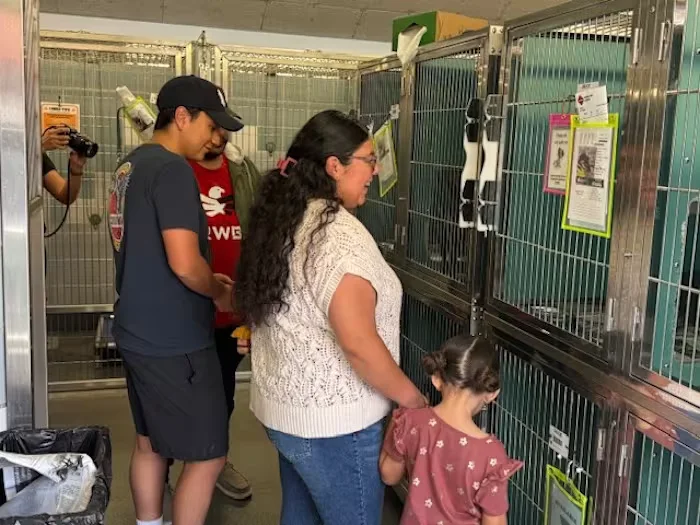
The number of animals Bexar County Animal Care takes in each day fluctuates from as low as one to as many as 15, according to Elrod. The new facility will not only expand kennel space but will also include dedicated areas for cats and smaller dogs, as well as family interaction spaces for prospective adopters. "For families that do want to come in and interact with an animal that they're interested in adopting, they can come into an area that's dedicated for that," Elrod explained.
Timeline: How San Antonio's Animal Care Services Has Evolved
The recent flurry of activity represents the latest chapter in San Antonio's ongoing animal welfare journey. The city first achieved "no kill" status in 2016, reaching the 90% live release rate threshold for the first time. However, by the end of 2022, the live release rate had dropped to its lowest point in seven years even as the department was taking in fewer animals, according to animal rescue nonprofit Petco Love.
In 2024, the city recruited Jonathan Gary from Oklahoma City to lead ACS, and he immediately began implementing reforms. The department's budget grew by more than 50% over two years to address critical response deficiencies—only about 40% of the 90,000 annual calls for animals acting threatening or in need of medical care were receiving responses. Today, nearly 90% of critical calls get a response.
September 2025 saw ACS celebrating National Dog Week with a free adoption event aiming for at least 100 adoptions. "This event couldn't have happened at a better time, as the shelter is just shy of reaching a 90% placement rate for September," reported KSAT. All pets adopted from ACS are sterilized, vaccinated, microchipped, and come with free lifetime access to the shelter's professional trainers.
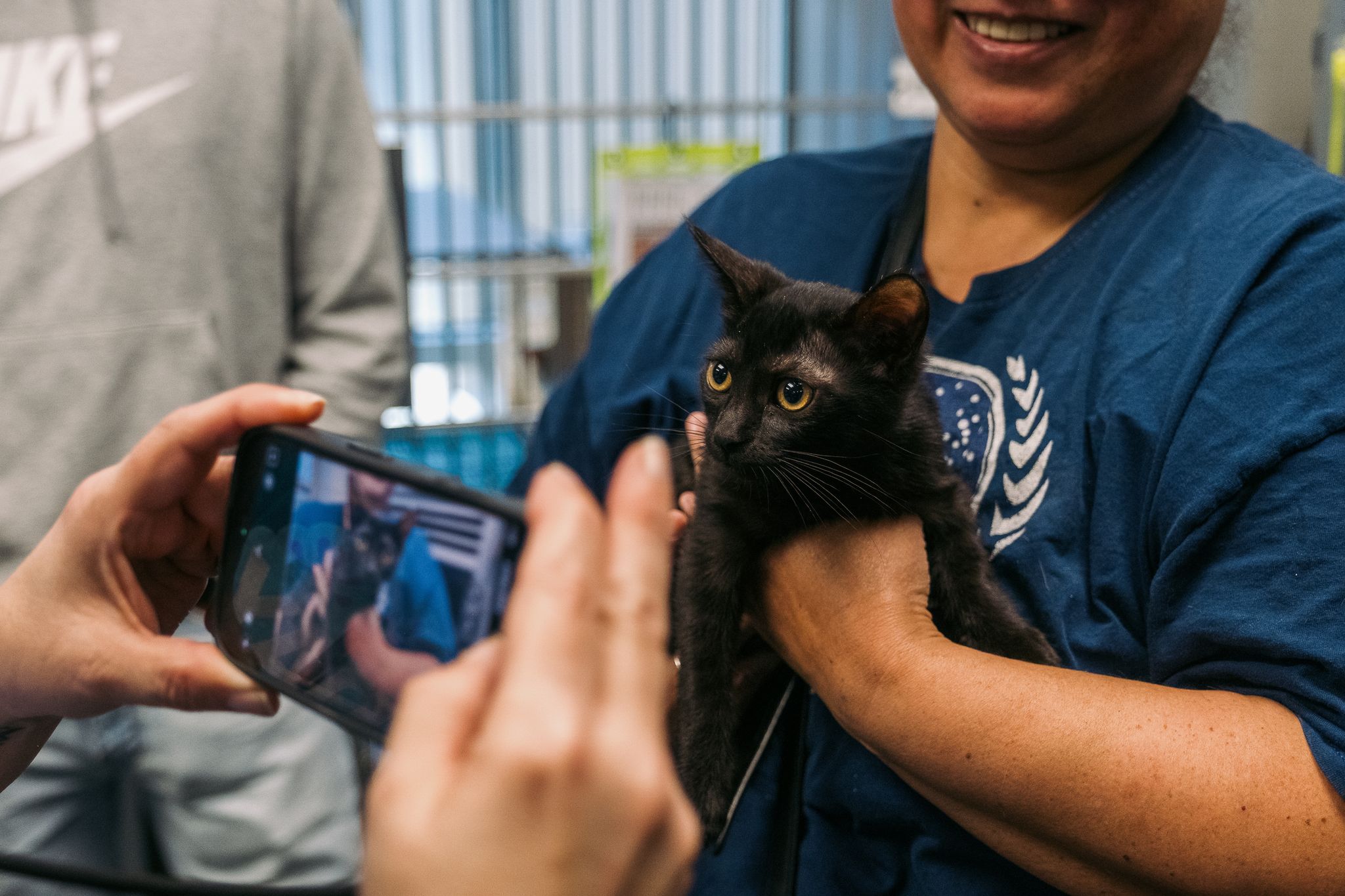
October 2025 brought the expanded Dogtober Pet Adoption Festival, running from October 25-26 at the ACS campus. The festival featured hundreds of dogs, cats, puppies and kittens available for adoption at the $25 Dogtober special, along with a massive pumpkin patch, live music, artisan marketplaces, and family activities.
The Live Release Rate Challenge: Progress Amidst Growing Pains
Despite these investments and improvements, one key metric continues to challenge San Antonio's animal welfare system. The municipal shelter's live release rate—the percentage of animals adopted, transferred, or returned to owners versus being euthanized—stands at 86%, below the 90% threshold generally considered "no kill" status. This represents a decline from when animal rescue groups first flagged concerns about backsliding euthanasia rates three years ago.
"I know you all get a lot of emails about the amount of euthanasia that is happening, and we, too, are concerned with that," Gary told the City Council during a recent budget presentation. "But I think it's important that we recognize where we truly are." The live release metric wasn't even included in the department's public budget presentation this year, reflecting a shift in focus toward response rates and community safety following numerous deadly dog attacks.
The increased focus on dangerous dog response has brought its own challenges. As more officers hit the streets, the shelter took in 9% more animals this year. "We knew this was going to happen when we got the additional officers," Gary told the San Antonio Report. "The goal was to get to so many critical calls, and it was necessary to increase the intake. The challenge we have now is, we're getting them off the streets, but how do we save their lives?"
Innovative Programs: Pet Deposit Assistance and Community Partnerships
Beyond physical infrastructure, San Antonio is experimenting with innovative programs to address barriers to pet ownership. In October 2025, the city launched a $150,000 pet deposit assistance pilot program that provides up to $750 per household to inner-city renters struggling to pay pet deposits. The one-year program requires that pets be adopted from ACS and that applicants live within the boundaries of the Inner City Tax Increment Reinvestment Zone.
"By supporting responsible pet adoption and easing the burden of housing related pet deposits we are not only saving lives—we are building stronger, more compassionate communities," said East Side Councilman Jalen McKee-Rodriguez, who first proposed the program in February 2024. The city estimates the program could help about 240 households, depending on award amounts.
ACS has also been increasing the number of large-scale adoption events, overhauling the online registry of adoptable animals, and working harder to return found animals to their owners. The department recently started keeping dogs that have already been spayed or neutered off the euthanasia list and purchased an additional $2 million dog kennel previously owned by K9s for Warriors to shelter nursing moms and their puppies.
What's Next for San Antonio's Animal Welfare System
The coming years will see continued transformation of San Antonio's animal care infrastructure. The new ACS veterinary hospital is scheduled for completion in fall 2027, while Bexar County's new shelter will open in late 2026 or early 2027. The city is also conducting a $300,000 feasibility study to determine whether a new animal shelter is needed on the East Side to complement the West Side facility.
Council members continue to push for improvements in non-critical call responses—currently only about 32% of calls about stray animals that aren't injured or threatening receive a response. "There's a certain number of calls that we just physically can't get to, and a lot of those are just the friendly dog that's running loose," Gary acknowledged. "But as we've gotten better, we've seen that number get up."
Animal welfare advocates remain cautiously optimistic. "He's made some commonsense decisions and policy improvements, especially regarding euthanasia, that I appreciate," said Chelsea Staley, director of lifesaving at Petco Love. "His team is thinking more creatively about adoptions." With major infrastructure investments, innovative programs, and continued community engagement, San Antonio appears poised to make significant progress toward its animal welfare goals while balancing public safety concerns.
Key Takeaways from San Antonio's Animal Care Transformation
- San Antonio is investing $15 million in a new veterinary hospital that will triple kennel capacity and add in-house X-ray capabilities
- Bexar County is building a $10.9 million shelter that will add 132 kennels to address growing stray animal populations
- The city's live release rate stands at 86%, below the 90% "no kill" threshold, with over 1,800 animals euthanized last year
- Innovative programs like the $150,000 pet deposit assistance pilot aim to remove barriers to pet adoption for low-income residents
- Major adoption events like Dogtober and National Dog Week celebrations continue to find homes for hundreds of animals annually
- ACS has improved critical call response rates from 40% to nearly 90% while grappling with increased animal intake
As construction begins on new facilities and innovative programs take effect, San Antonio's commitment to animal welfare faces its ultimate test: whether these investments translate into measurable improvements in live release rates, reduced euthanasia, and stronger human-animal bonds throughout the community.