
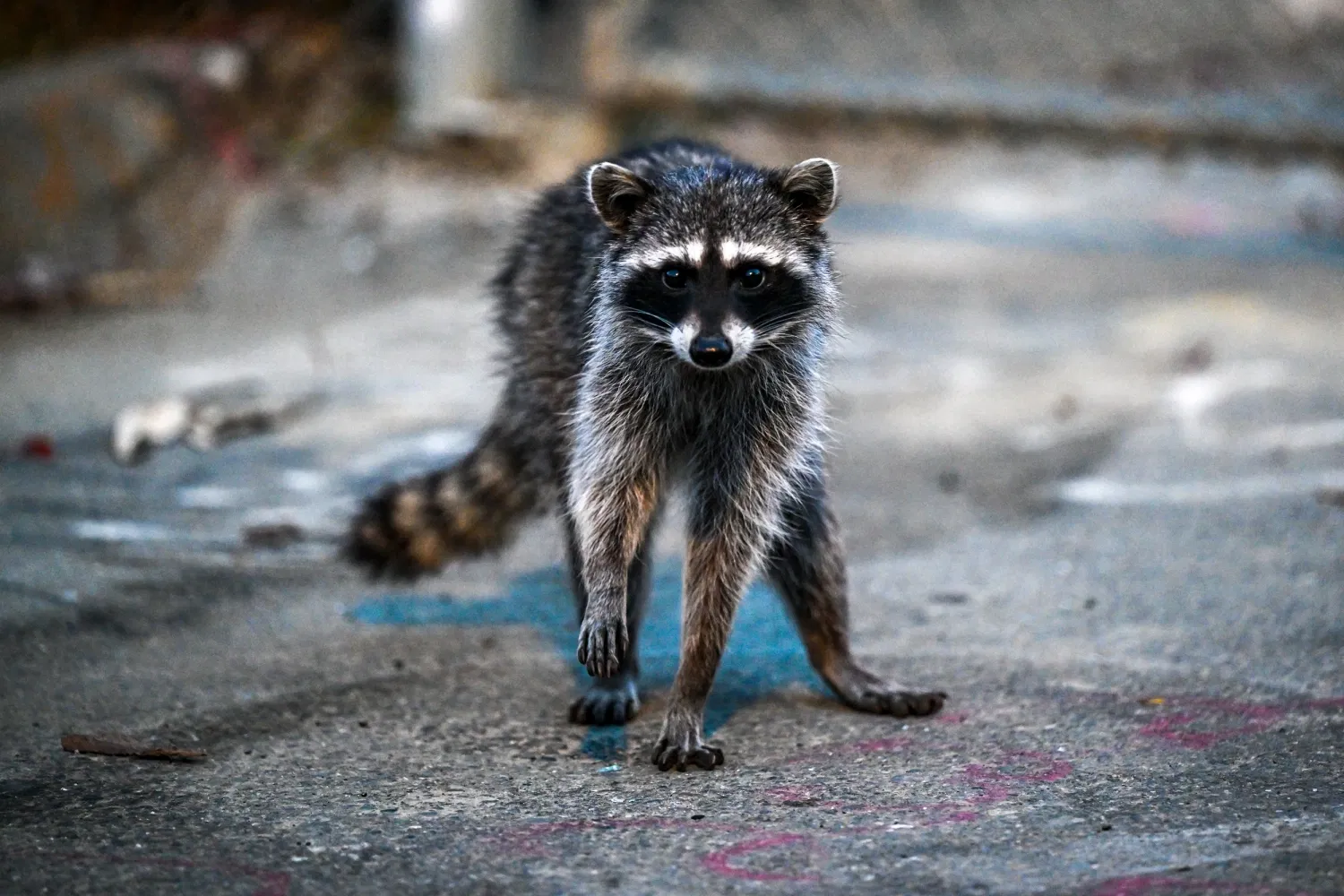
Rabies is making headlines again, and not for good reasons. The CDC is currently tracking 15 likely rabies outbreaks across more than 20 states, from New York to Oregon, while six human deaths have been reported in the past year alone — the highest number in recent memory. For pet owners, this news serves as an urgent reminder that rabies remains one of the most dangerous diseases your dog or cat can face. The good news? It's also one of the most preventable.
Why Rabies Cases Are Rising: Inside the 2025-2026 Outbreaks
According to Dr. Ryan Wallace, who leads the rabies team at the CDC, the agency is monitoring multiple outbreak events across the country. Areas with confirmed outbreaks include Nassau County, New York; Cape Cod, Massachusetts; and parts of Alaska, Arizona, California, Indiana, Kentucky, Maine, North Carolina, Oregon, and Vermont. "There are parts of the United States where it does seem like we're getting more calls and more reports," Wallace told NBC News, noting an increase in rabid foxes in the West and rabid bats across the country.

One of the most dramatic increases has been in Franklin County, North Carolina, which experienced a doubling of confirmed rabies cases in wild animals over the past year. Scott LaVigne, the county's health director, suspects that urban growth encroaching on wildlife habitats is a major factor. "The population of Franklin County since 2010 has increased 35%, and those people have to live somewhere," he said. Animals that were once isolated are now crowded together, making it easier for rabies to spread.
Timeline: Key Developments in the Current Rabies Situation
August 2025: CDC reports six human rabies deaths in the past 12 months, the highest number in years. The agency confirms it's tracking 15 likely outbreaks across more than a dozen states, with rabid skunks in Kentucky, gray foxes in Arizona, and raccoons on Long Island among the cases.
September 2025: CNN reports that the U.S. is tracking 14 potential rabies outbreaks in 20 states. Health officials urge pet owners to ensure their animals are vaccinated.
October 2025: The United Nations reports on Haiti's efforts to control rabies through mass dog vaccination campaigns, aiming for 80% coverage to reduce transmission.
February 2026: Boehringer Ingelheim issues a voluntary recall of one serial (lot #18665) of IMRAB 3 TF rabies vaccine after discovering a small number of vials contained sterile water instead of the actual vaccine. The company recommends revaccination for any dog, cat, or ferret that received a dose from the affected lot.
How Rabies Affects Your Pet: What Every Owner Should Watch For
Rabies is caused by a Lyssavirus that attacks the central nervous system. The virus is transmitted through the saliva of an infected animal, most commonly through a bite. Once symptoms appear, rabies is almost always fatal — there is no approved treatment for animals once clinical signs develop.
The incubation period for rabies in pets typically ranges from 3 to 12 weeks, though it can sometimes take months. Early symptoms are often subtle and easy to miss. According to the Cornell University College of Veterinary Medicine, initial signs may include fever, anxiety, and behavioral changes. A normally friendly pet may become irritable, while a typically shy animal might become unnaturally affectionate.
As the disease progresses, pets may develop one of two forms: the "furious" form, characterized by aggression, excessive drooling, and difficulty swallowing, or the "dumb" form, marked by lethargy, weakness, and paralysis. In dogs, the dumb form is more common, while cats are more likely to display the aggressive furious form.

The Rabies Vaccine Recall: What Pet Parents Need to Know
In February 2026, Boehringer Ingelheim voluntarily recalled a single serial (lot #18665) of its IMRAB 3 TF rabies vaccine, which is used for dogs, cats, and ferrets. The recall was prompted by the discovery that a small number of vials in the batch contained sterile water instead of the vaccine itself. The affected vaccine was distributed to veterinarians between September 29, 2025 and January 8, 2026.
Dr. Scott Weese, a veterinarian and infectious disease expert at the University of Guelph and author of the Worms & Germs Blog, recommends revaccination for any pet that received a dose from the affected lot. "If we're not sure the pet got a proper vaccine, we need to assume it wasn't protected," Weese wrote. If your pet was vaccinated during this window, contact your veterinarian to determine whether your pet's vaccine was from the affected lot and whether revaccination is needed.
Vaccination: Your Pet's Best Defense
The rabies vaccine is a core vaccine for both dogs and cats, meaning every pet should receive it. The recommended schedule is straightforward:
- First vaccination: Puppies and kittens should receive their initial rabies vaccine between 12 and 16 weeks of age.
- Booster: A booster is required one year after the initial vaccination, regardless of the type of vaccine used.
- Ongoing protection: After the first-year booster, most pets can be vaccinated every three years using a vaccine approved for a three-year interval.
According to the AVMA, vaccination programs and control of stray animals have been highly effective in preventing rabies in domestic pets. In fact, thanks to strict pet vaccination laws, the canine strain of rabies has been eliminated from the United States — a remarkable public health achievement.
The Growing Threat of Vaccine Hesitancy
A growing concern among veterinarians is the spread of vaccine hesitancy from human medicine to pet care. A 2023 study published in the journal Vaccine found that nearly 40% of Americans believed canine vaccines were unsafe, and 37% believed that vaccines could lead dogs to develop cognitive issues such as autism — a claim with no scientific basis.
Dr. Gabriella Motta, a veterinarian from Glenolden, Pennsylvania and co-author of the study, told NBC News that vaccine hesitancy is a serious concern. "If we continue to see plummeting vaccination rates or increasing vaccine hesitancy, are we going to see rabies in more pets, and not just wildlife? We're kind of starting to sound the alarms."
Where Things Stand Now: Latest Updates for Pet Owners
As of early 2026, the CDC continues to monitor rabies activity closely. The agency emphasizes that while the current outbreak situation is concerning, the risk to properly vaccinated pets remains low. The most important action pet owners can take is to ensure their pets' rabies vaccinations are up to date.
Additionally, pet owners should be aware that rabies isn't just a concern in wildlife — any unvaccinated pet that spends time outdoors is at risk. In the U.S., cats are the most commonly infected domestic animal, largely because they are more likely to roam outdoors and encounter wildlife like bats and raccoons.
What Happens Next: Protecting Your Pet Long-Term
With urban development continuing to encroach on wildlife habitats and rabies activity remaining elevated, experts expect rabies to remain a significant concern for the foreseeable future. The key to keeping your pet safe is simple: maintain regular veterinary care and keep vaccinations current.
The CDC recommends the following steps for all pet owners: keep pets up to date on rabies vaccines, keep pets away from wild animals, avoid leaving pet food outside that might attract wildlife, and contact your veterinarian immediately if your pet has a potential exposure to a rabid animal.
The Bottom Line: Key Points to Remember
- Rabies is almost always fatal once symptoms appear, but it is 100% preventable through vaccination.
- The CDC is tracking 15 likely rabies outbreaks across the U.S. — now is the time to check your pet's vaccination status.
- A rabies vaccine recall (IMRAB 3 TF, lot #18665) was issued in February 2026 — contact your vet if your pet was vaccinated between Sept 2025 and Jan 2026.
- Puppies and kittens need their first rabies shot at 12-16 weeks, a booster at 1 year, and then every 1-3 years depending on the vaccine type.
- Vaccine hesitancy is a growing threat to pet health — rabies vaccines are safe, effective, and required by law in most states.