

The pet sitting industry is undergoing a transformative moment as new global standards elevate professionalism while holiday demand reaches unprecedented levels. With the release of the first-ever Global Standards for Professional Pet-Sitting and Dog-Walking Businesses in October 2025, pet owners and sitters alike are witnessing a historic shift toward regulated care. Simultaneously, Christmas 2025 bookings have filled months in advance, creating a last-minute scramble for pet care services that highlights the industry's rapid growth and evolving dynamics.
How the Pet Sitting Industry Is Raising the Bar with Global Standards
Pet Sitters International (PSI), the world's leading educational organization for professional pet sitters since 1994, made history on October 14, 2025, by releasing the first publicly available Global Standards for Professional Pet-Sitting and Dog-Walking Businesses. Developed from PSI's Recommended Quality Standards for Excellence originally established by founder Patti J. Moran and her team, these standards establish baseline best practices for pet-care businesses worldwide.

"Since its inception PSI has asked member businesses to commit to standards for excellence in pet sitting and provided them with the resources to meet those standards," explained PSI President Beth Stultz-Hairston. "Because the pet-sitting industry is rapidly growing but still largely unregulated, we knew it was more important than ever to share our association's professional industry standards framework with pet-care professionals and pet owners."
The standards cover ten critical areas: business legitimacy; contracts and compliance; insurance and risk management; animal care and stewardship; health, sanitation and safety; emergency preparedness; client security and privacy; professional and ethical conduct; client communications and reputation; and sustainability and community responsibility. This comprehensive framework represents over 120 years of combined industry experience from PSI's leadership team.
Timeline: How the Pet Sitting Evolution Unfolded in 2025
The transformation of pet sitting from a casual service to a professional industry accelerated throughout 2025. In October, PSI released its groundbreaking Global Standards. By November, holiday booking patterns revealed unprecedented demand, with many professional sitters reporting calendars filled six months in advance. December brought a perfect storm of travel resurgence and pet ownership growth, creating what industry experts are calling "the busiest holiday season in pet sitting history."
This sequence of developments reflects broader trends: the pet sitting market was valued at $2.62 billion in 2023 and is projected to reach $6.5 billion by 2032, according to SNS Insider data reported by Yahoo Finance. The U.S. pet industry overall reached $157 billion in spending in 2025, with services like pet sitting and boarding experiencing particularly strong growth.
Why Pet Sitting Matters: Expert Analysis and Market Impact
The convergence of professional standards and surging demand reveals an industry at a critical inflection point. "For more than three decades, PSI has pioneered the professional pet-sitting industry," said founder Patti J. Moran. "By releasing these standards publicly, we reaffirm our commitment to shaping the future of our profession and supporting pet-care businesses worldwide with the tools they need to succeed."
Market analysts point to several factors driving this growth: rising pet ownership rates, increased pet humanization, and changing work patterns that create more demand for pet care services. The compound annual growth rate for the pet sitting market is projected at 10.18% from 2025-2033, according to IMARC Group research. Emerging sub-segments include specialized care for puppies, kittens, and senior pets, as well as technology-enabled services through platforms like Rover and Wag.
Brittany Anderson, founder of Pet Sitting New Zealand, notes that prices vary widely in the current market. "The average comes in at around $50 a day," she said, "with less experienced sitters charging about $20 a day and more experienced sitters charging up to $100." Holiday rates typically increase due to high demand and limited availability.
Where Things Stand Now: The Holiday Pet Sitting Crunch
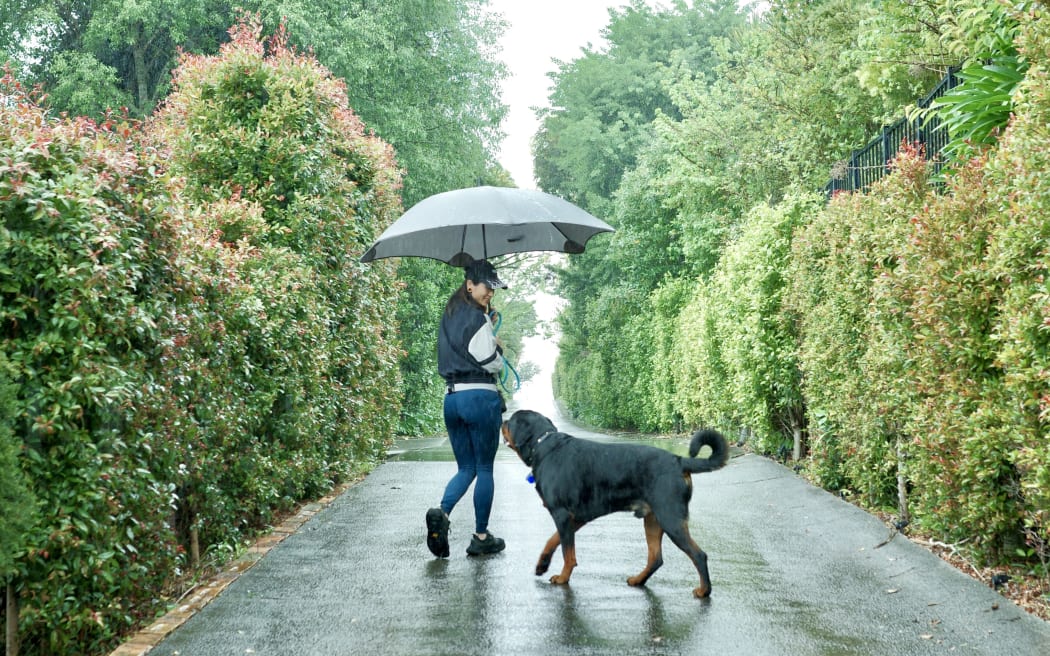
As of late 2025, pet owners across multiple countries are experiencing what RNZ describes as a "late scramble for animal care." Summer Wong, a full-time pet sitter and dog walker in central Auckland, reported that her two-week stretch from December 20 to January 6 was almost completely booked, yet new requests for Christmas and New Year care continued to arrive daily.
"If you only start looking for a pet sitter in November, most sitters probably are already fully booked," Wong told RNZ. "Demand is huge, and I've had to turn down many clients because their dates overlap."

Betty Wang, who operates a pet-boarding service on an 8000-square-meter farm in Kumeu, New Zealand, said she was also fully booked for Christmas. "We have four large outdoor play areas and an indoor space of more than 200 square metres for the dogs to play," she explained. "It's not even Christmas yet, but we're almost fully booked."
This capacity crunch isn't limited to New Zealand. Similar reports are emerging from the United States, Canada, Australia, and European countries as holiday travel returns to pre-pandemic levels while pet ownership remains at historic highs.
What Happens Next: The Road Ahead for Professional Pet Sitting
The pet sitting industry faces both opportunities and challenges in the coming years. PSI plans to release additional resources and training programs in 2026 to help pet-care business owners adopt and communicate the new global standards to clients and staff. Technology platforms like Rover are introducing new features, including personalized year-in-review recaps for sitters and enhanced booking systems.

Regulatory developments are also on the horizon. Auckland Council, for instance, will implement new dog-walking rules starting January 1, 2026, requiring anyone walking more than four dogs at once to register with the council. Similar regulatory movements are likely to spread as the industry professionalizes.
Consumer expectations continue to rise, with pet owners increasingly seeking certified, insured, and professionally trained sitters who can provide not just basic care but also specialized services for pets with medical needs, behavioral issues, or specific dietary requirements.
The Bottom Line: Key Points to Remember
The pet sitting industry is at a turning point, shaped by three key developments: the introduction of first-ever global standards, unprecedented holiday demand revealing capacity constraints, and strong market growth projections through the next decade. Pet owners should book holiday sitters at least 8-10 weeks in advance and verify that potential sitters adhere to professional standards. For those considering entering the industry, the combination of growing demand and increasing professionalism creates significant opportunities for building sustainable pet-care businesses.
As PSI President Beth Stultz-Hairston emphasized, "Because the pet-sitting industry is rapidly growing but still largely unregulated, we knew it was more important than ever to share our association's professional industry standards framework." This commitment to professionalism, combined with evolving consumer expectations and market dynamics, ensures that pet sitting will continue to transform in the years ahead.