
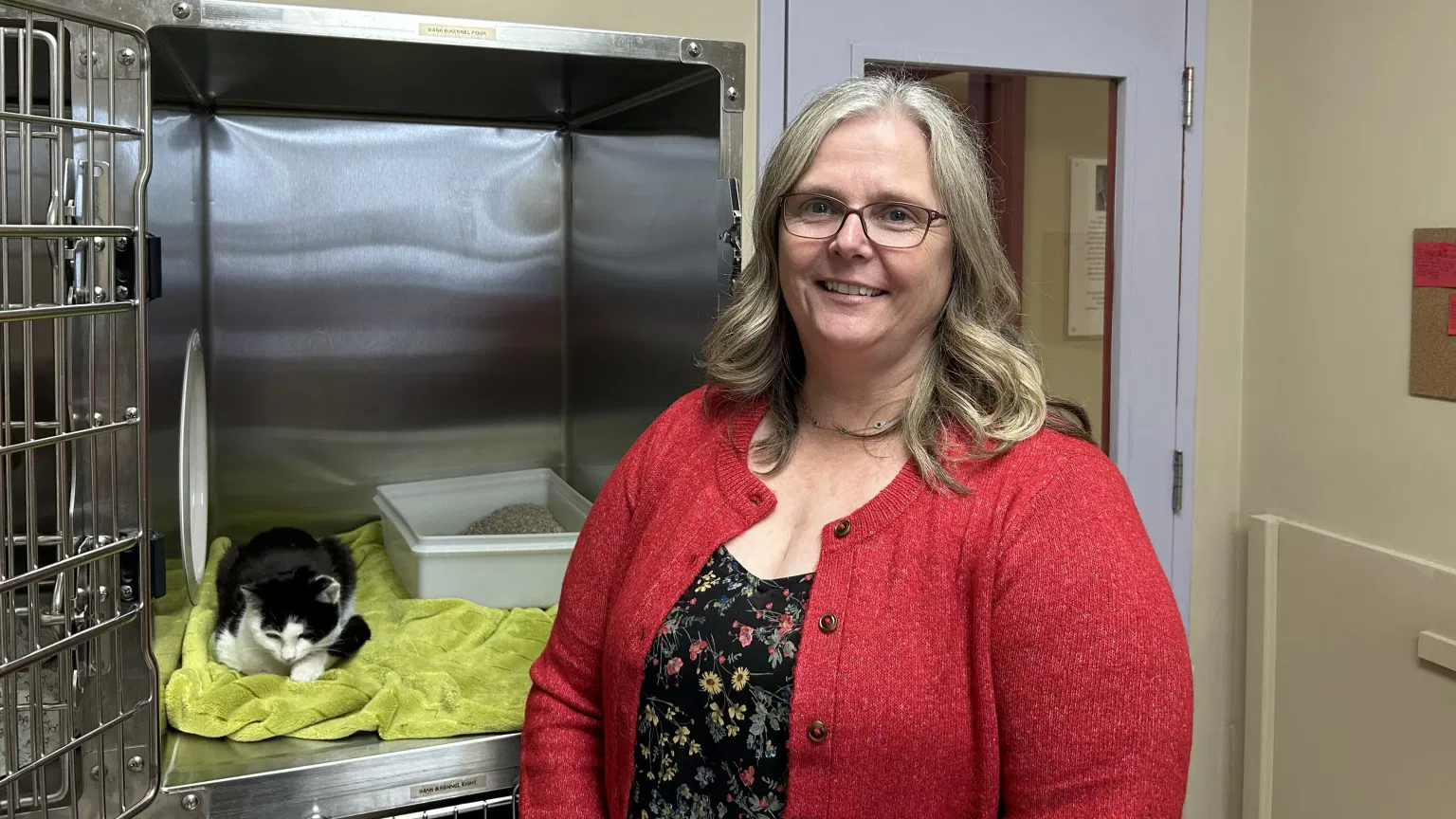
In a surprising turn of events, animal shelters across North America and Europe are experiencing an unprecedented phenomenon: they're running out of pets to adopt. The Bide Awhile Animal Shelter in Dartmouth, Nova Scotia, made headlines this week when staff announced they had zero animals available for adoption—a situation they attribute to "skyrocketing demand" that has outpaced their supply of rescue pets. This remarkable trend comes at a time when shelters elsewhere are reporting their most challenging year yet, grappling with rising costs and increased surrenders, while simultaneously pet owners face new threats from extreme weather conditions that require urgent safety measures.
How One Canadian Shelter Ran Out of Pets: The Surprising Adoption Boom
The Bide Awhile Animal Shelter in Dartmouth, Nova Scotia, finds itself in an unusual position—for the first time in recent memory, they have no dogs, cats, or other animals available for adoption. According to CTV News, the shelter has seen "a huge demand for adoptions of all pets" that has completely cleared their kennels and cat rooms. This isn't a case of decreased intake but rather explosive adoption interest that has created what shelter staff are calling a "positive problem." The situation reflects a broader trend across Canada and parts of the United States where adoption interest remains strong despite economic pressures that might suggest otherwise.
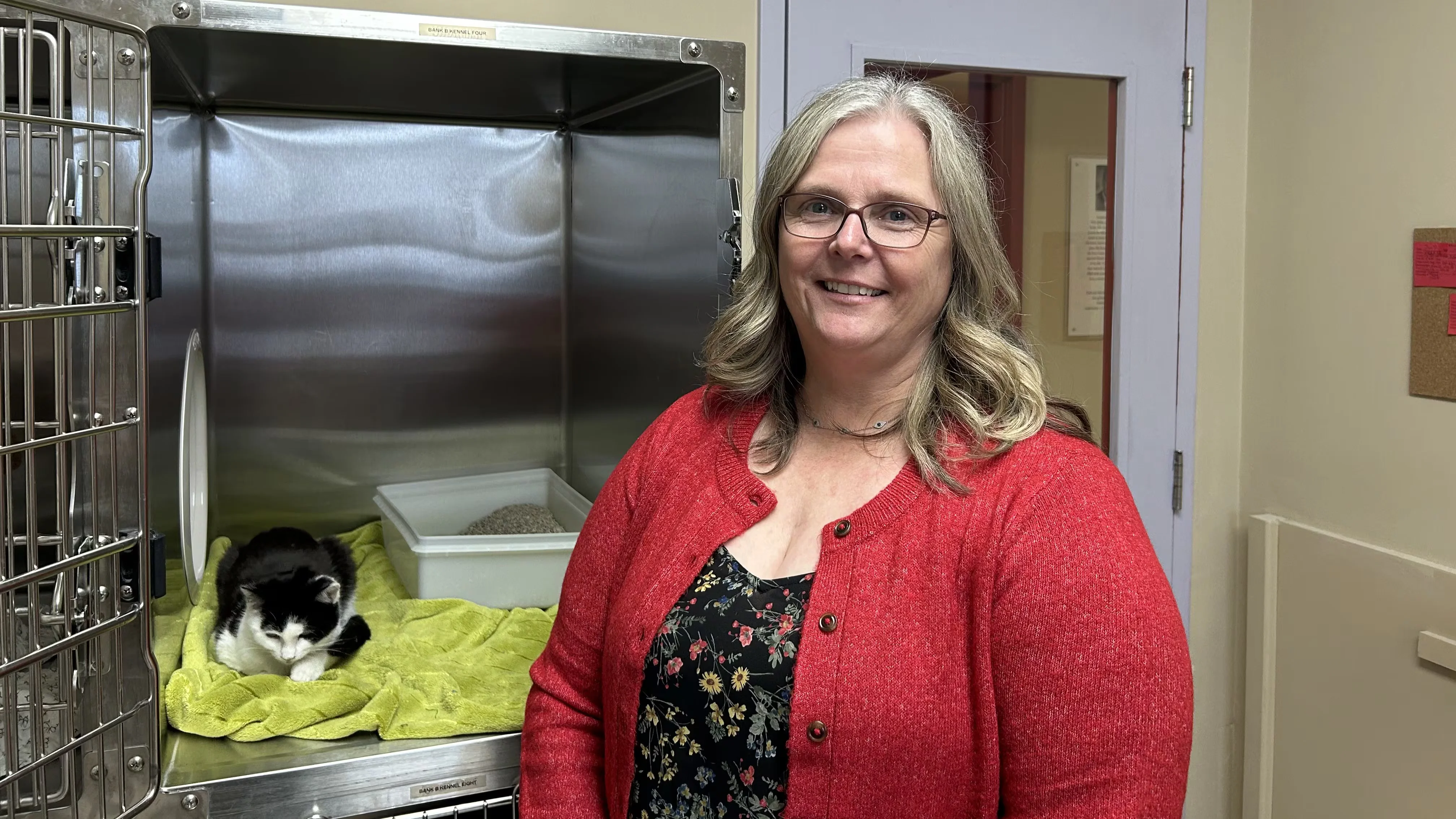
Emma Convey, reporting for CTV News, notes that this scarcity represents a dramatic shift from just a few years ago when shelters struggled with overcrowding and long-term residents. "Bide Awhile Animal Shelter in Dartmouth has no animals up for adoption – thanks to skyrocketing demand," she writes. The shelter's experience aligns with data from Shelter Animals Count, a national database tracking shelter statistics, which reports that approximately 1.9 million dogs and cats were adopted in the United States during the first half of 2025 alone—a figure that represents only a slight 1% decrease from the same period in 2024, showing remarkable resilience in adoption rates.
Why Pet Adoption Demand Is Soaring Despite Economic Pressures
While some regions celebrate empty shelters, the broader animal welfare landscape reveals a more complex picture. The BBC reports that 2025 was "the hardest year yet" for many animal shelters, particularly in the United Kingdom. Ferne Animal Sanctuary near Chard, Somerset, for instance, has seen operating costs increase by approximately 15% in just one year, with utilities alone rising by 20%. Despite these financial pressures, demand for their services has never been higher.
Emma Purnell, CEO of Ferne Animal Sanctuary, explains the paradoxical situation: "We've seen a sharp rise in the number of animals looking to be rehomed and we've seen an increase in the number of people having to surrender because they can't afford to look after their pets anymore." The sanctuary currently maintains waiting lists for every species they house—107 dogs, 72 cats, and 43 horses—but has limited space and resources to accommodate them all. This tension between increased demand for shelter services and constrained resources creates what Nikki Haddock, the charity's animal care manager, calls "fierce competition for income" in a changed economic landscape where people have less disposable income.
Across the Atlantic, similar pressures are evident. Bristol Animal Rescue Centre (BARC) in the UK reports that 29% of their admissions now come from "people making the organizing decision to part with their beloved pets due to the rising cost of living, behavioral changes or personal crisis." These factors contributed to what Erin Stow, individual giving officer at BARC, describes as "a record-breaking year, with almost 950 animals expected to enter our care."
Shelters Across the West Face Unprecedented Challenges
The contrast between empty shelters in some regions and overwhelmed facilities in others highlights the uneven impact of economic and social factors on pet ownership. Little Paws Rescue in Clevedon, North Somerset, reports that "every year is getting harder and harder and harder," according to founder Tracey Bryant. She notes not only higher numbers of animals needing assistance but also increased costs per animal, particularly for veterinary care. "There's a misconception that vet treatment is free for rescues," Bryant explains, emphasizing that rising veterinary bills significantly strain rescue budgets.
To manage these challenges, innovative approaches are emerging. Both Little Paws and BARC have implemented foster programs that allow animals to live in temporary homes while the shelters cover food, bedding, and medical expenses. This strategy keeps critical shelter space available for animals requiring more intensive care while expanding capacity through community support. The success of such programs demonstrates how shelters are adapting to changing circumstances while maintaining their mission.
Meanwhile, in North America, the adoption boom represented by empty shelters like Bide Awhile offers hope. The phenomenon suggests that despite economic headwinds, many people still prioritize pet companionship and are willing to adopt rather than purchase animals. This aligns with broader cultural shifts toward adoption and rescue that have gained momentum over the past decade.
Protecting Pets in Extreme Weather: Expert Tips
As adoption trends evolve, pet owners face another critical challenge: keeping their animals safe during extreme weather events. With heat waves becoming more frequent and intense, veterinary experts are issuing urgent warnings about heat-related risks to pets. ABC News reports that "extreme heat is considered the deadliest weather-related hazard in the U.S.," with approximately 2,000 Americans dying each year from extreme heat according to Centers for Disease Control and Prevention data.
For pets, the risks are equally severe. Animal welfare specialists warn that extreme heat can quickly lead to heat stress or heatstroke, even during short periods outdoors. The American Society for the Prevention of Cruelty to Animals (ASPCA) provides specific guidance for pet owners facing high temperatures: provide plenty of fresh water to prevent dehydration, avoid over-exercising pets, never leave pets alone in parked vehicles, and watch for symptoms of overheating including excessive panting, difficulty breathing, increased heart and respiratory rate, and drooling.
Certain pets face heightened risks. "Animals with flat faces, like pugs, can't pant as well and are more at risk of heat stroke," notes ABC News. "These pets, as well as older and overweight pets, should be kept inside as much as possible." The ASPCA adds that pets with heart or lung diseases and those taking certain medications also require extra protection from heat.
Beyond heat-specific advice, the ASPCA offers comprehensive summer safety tips that include visiting the veterinarian for early-summer checkups, preventing sunburn with pet-safe sunscreen, avoiding hot asphalt that can burn paw pads, and being cautious with pesticides, fertilizers, and pool chemicals. They also emphasize the importance of keeping pets away from fireworks and ensuring they have proper identification in case they become frightened and escape during loud celebrations.
The Future of Pet Adoption in 2026 and Beyond
As we move into 2026, the animal welfare landscape appears poised at a crossroads. The encouraging adoption rates seen in places like Nova Scotia demonstrate sustained public commitment to pet rescue, while the financial pressures reported by shelters in the UK and elsewhere underscore the ongoing need for support and innovation. Several trends are likely to shape the coming year:
- Continued adoption interest: The cultural shift toward adoption rather than purchasing shows no signs of slowing, particularly among younger generations who increasingly view rescue as the ethical choice for acquiring pets.
- Economic pressures: With inflation affecting veterinary care, pet food, and other essentials, shelters may face increased surrenders from families struggling with costs, even as adoption demand remains strong.
- Climate adaptation: As extreme weather events become more common, shelters and pet owners alike will need to develop new strategies for protecting animals during heat waves, cold snaps, and other climate-related challenges.
- Technological integration: Shelters are increasingly using technology to streamline adoptions, manage foster networks, and connect with potential adopters through social media and specialized platforms.
- Community partnership models: The success of foster programs and community-based support suggests that future shelter operations may rely more heavily on distributed care networks rather than centralized facilities.
The experience of Bide Awhile Animal Shelter—celebrating empty kennels due to high demand—offers a hopeful vision of what's possible when communities embrace pet adoption. Yet the simultaneous struggles of shelters facing record intake and rising costs remind us that this progress remains uneven and fragile. For pet owners, the dual responsibility of providing loving homes while protecting animals from environmental threats like extreme heat has never been more important.
The Bottom Line: Key Points to Remember
As we navigate these complex trends in pet ownership and animal welfare, several key takeaways emerge:
- Adoption demand remains strong in many regions, with some shelters experiencing the unusual "problem" of having no animals available for adoption.
- Economic pressures continue to strain shelter resources, with rising costs and increased surrenders creating challenges even where adoption interest is high.
- Extreme heat poses serious risks to pets, requiring specific precautions including ample water, limited outdoor time during peak heat, and never leaving pets in vehicles.
- Flat-faced breeds, older pets, overweight animals, and those with health conditions require extra protection during hot weather.
- Community support through fostering, donations, and volunteerism plays a crucial role in helping shelters manage current challenges.
- Pet owners should prioritize regular veterinary care, proper identification, and climate-appropriate safety measures to ensure their animals thrive through changing conditions.
The story of today's animal welfare landscape is one of contrasts—empty shelters alongside overwhelmed facilities, economic challenges paired with sustained adoption interest, and new threats met with innovative solutions. What remains constant is the deep bond between humans and their animal companions, a connection that continues to drive both the challenges and the solutions in our evolving relationship with pets.