
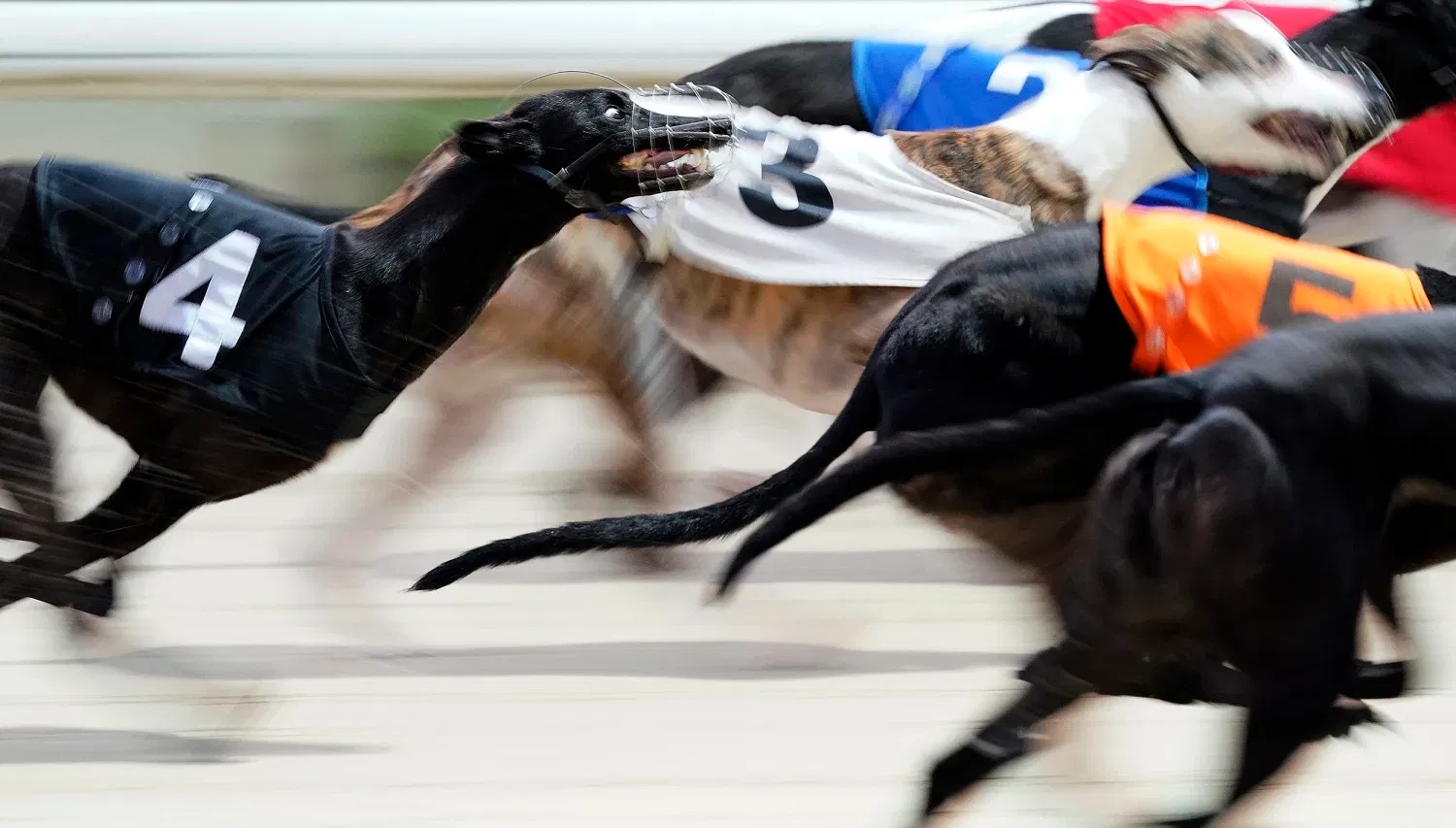
In a landmark decision for animal welfare, New Zealand has announced it will ban greyhound racing starting in 2026, citing persistently high injury and death rates among the racing dogs. The move, announced by Deputy Prime Minister and Racing Minister Winston Peters on December 10, 2024, marks a significant shift in how nations view the centuries-old sport and could influence other countries still operating commercial greyhound tracks. With approximately 2,900 racing dogs needing new homes, the decision also highlights the growing importance of greyhound adoption and the unique characteristics of this ancient breed as family pets.
New Zealand's Historic Decision to End Greyhound Racing
"Despite significant progress made by the greyhound racing industry in recent years, the percentage of dogs being injured remains persistently high, and the time has come to make a call in the best interest of the animals," Peters told reporters. The government's decision follows years of scrutiny over greyhound welfare, with injury rates remaining what Peters called "unacceptably high." According to the announcement, legislation to formally outlaw greyhound racing will be introduced next year, allowing for a 20-month phase-out period.
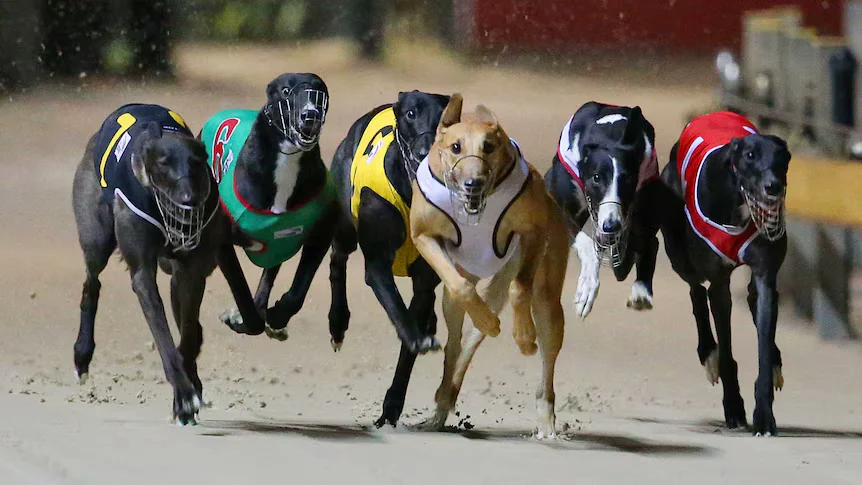
The industry response was one of disappointment but not surprise. Sean Hannan, chairman of Greyhound Racing New Zealand (GRNZ), called the decision a "devastating blow" to an industry that had made significant investments in reform. "This decision is not just about the sport; it affects families, businesses, and communities who have dedicated their lives to caring for and racing greyhounds," Hannan said in a statement, noting that the industry employs more than 1,000 people. However, animal welfare groups celebrated what they called a long-overdue move. Dr. Arnja Dale, the New Zealand SPCA's chief scientific officer, expressed relief and hope that the news would "inspire the very few remaining countries who still have a commercial greyhound industry to follow New Zealand's brave example."
From Tracks to Homes: The 20-Month Phase-Out Plan
The transition plan for New Zealand's greyhound racing industry involves multiple stages designed to protect both animal welfare and human livelihoods. The government has proposed an initial bill to prevent the unnecessary killing of racing dogs, with comprehensive legislation to end commercial racing entirely to follow in 2025. This staggered approach allows time for the approximately 2,900 registered racing greyhounds to be rehomed through coordinated efforts between the government and animal welfare organizations.
Key elements of the phase-out include:
- A 20-month transition period from announcement to full implementation in 2026
- Government collaboration with SPCA and other animal welfare groups for rehoming
- Opportunities for industry participants to provide input on the legislation
- Support for workers and businesses affected by the closure
This measured approach contrasts with more abrupt bans in other jurisdictions and reflects New Zealand's commitment to what Peters called a "just transition" for all affected parties.
Why Greyhound Racing Faces Global Decline
New Zealand's decision comes amid a worldwide reassessment of greyhound racing. Once popular in dozens of countries, commercial greyhound racing now operates in only a handful of nations, primarily the United States, Australia, Britain, and Ireland. The decline has been driven by multiple factors converging over recent decades.
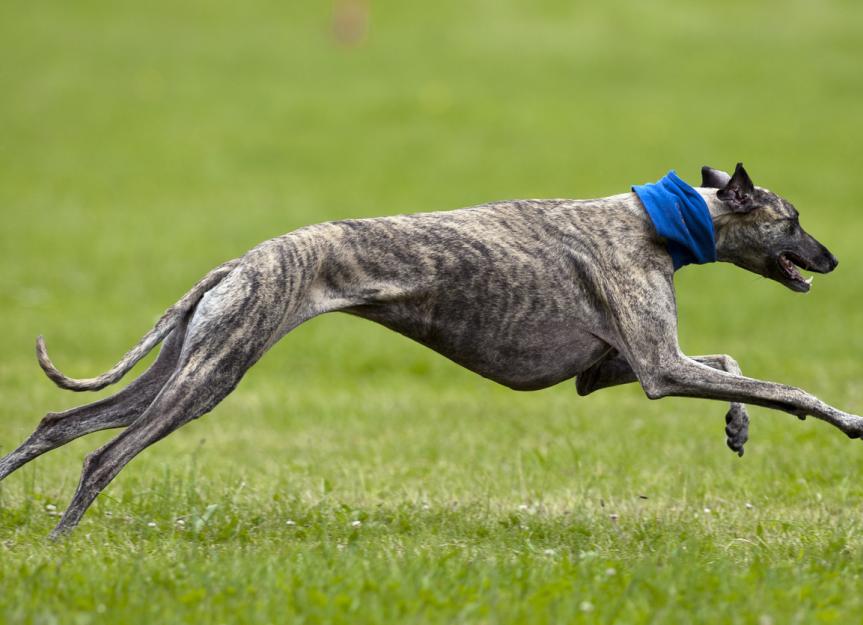
Animal welfare concerns top the list of reasons for the sport's decline. Greyhounds routinely reach speeds of 40-45 miles per hour on tracks, making injuries common and sometimes fatal. Studies have shown injury rates ranging from 3-5% per race start, with conditions ranging from minor muscle tears to catastrophic broken bones. Beyond track injuries, the industry has faced criticism over breeding practices, training methods, and the fate of dogs who don't make the grade as racers.
Public sentiment has shifted dramatically as well. Where once greyhound racing was considered mainstream entertainment, many now view it through an ethical lens similar to other animal sports that have fallen out of favor. This cultural change has been accelerated by investigative journalism exposing poor conditions at some racing facilities and breeding operations.
Economic factors also play a role. As alternative forms of entertainment have proliferated, attendance at greyhound tracks has declined, making the sport less financially viable. Many tracks have closed simply because they couldn't attract enough patrons to cover operating costs.
Where Greyhound Racing Still Exists Worldwide
Despite the global trend, greyhound racing persists in several countries, each with its own regulatory environment and public debate about the sport's future. The United States hosts the largest remaining greyhound racing industry, primarily in Florida, West Virginia, and Arkansas, though multiple states have banned the sport in recent years. Australia maintains active racing industries in several states, though Tasmania recently announced plans to end racing, and other states face ongoing legislative challenges.
In Britain and Ireland, greyhound racing continues but operates under increasing scrutiny and regulation. The UK's Greyhound Board of Great Britain reports approximately 15,000 races annually, while Ireland hosts major events like the Irish Greyhound Derby. Both countries have implemented welfare reforms in response to criticism, but animal rights groups continue to push for outright bans.
The contrast between countries banning the sport and those maintaining it creates an interesting dynamic in international animal welfare discussions. New Zealand's decision may increase pressure on remaining nations to reevaluate their positions, particularly as rehoming programs demonstrate that retired racing greyhounds can successfully transition to pet life.
The Future for Retired Racing Greyhounds
For the thousands of greyhounds affected by racing closures worldwide, the transition from track to home represents both challenge and opportunity. Greyhounds possess unique characteristics that make them excellent pets but also require specific understanding from adopters. Contrary to their racing image, retired greyhounds are typically calm, gentle dogs known as "45-mile-per-hour couch potatoes" for their love of relaxation after brief bursts of energy.
Prospective adopters should understand several key aspects of greyhound care:
- Temperature sensitivity: With low body fat and thin coats, greyhounds need protection from both cold and hot weather
- Dental health: Studies show up to 40% of greyhounds experience dental problems, requiring regular veterinary attention
- Exercise needs: Despite their speed, most greyhounds need only short daily walks and occasional safe running opportunities
- Prey drive: Their breeding for chasing means careful introduction to small animals and secure fencing
- Anesthesia sensitivity: Greyhounds require special anesthetic protocols due to their unique physiology
Adoption organizations typically provide thorough screening and support for new greyhound owners, including guidance on the transition from track life. Most retired racers adapt well to home environments, though they may need time to learn basic household skills like climbing stairs or navigating slippery floors.
Key Points for Pet Owners and Animal Advocates
New Zealand's greyhound racing ban represents more than just a policy change—it signals a broader transformation in how societies value animal welfare and what forms of entertainment we consider acceptable. For pet owners and animal advocates, several important takeaways emerge from this development.
First, the successful rehoming of thousands of greyhounds demonstrates that breed-specific adoption programs can work on a large scale when properly coordinated. Second, the global decline of greyhound racing shows that public opinion can drive significant policy changes regarding animal sports. Third, greyhounds themselves emerge as the beneficiaries of this shift, with more dogs enjoying retirement as beloved pets rather than facing uncertain futures after racing careers.
As the phase-out progresses in New Zealand and debates continue in other countries, one thing remains clear: the graceful greyhound, once valued primarily for speed, is increasingly appreciated for the gentle companion it becomes when given the chance to leave the track behind.