
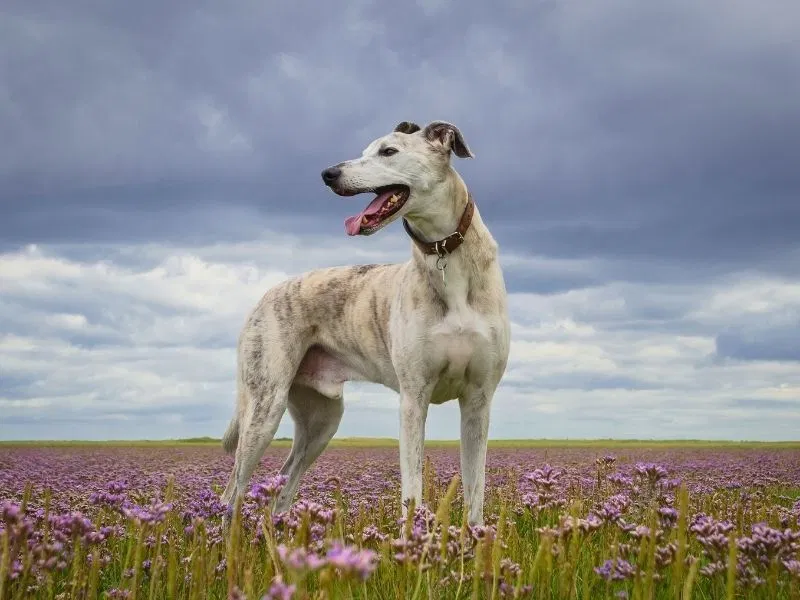
The lurcher, a graceful sighthound crossbreed, has surged into the headlines following a devastating incident in Essex that left a 19‑year‑old woman dead. While lurchers are often described as gentle, affectionate companions, the tragic attack underscores the vital need for owners to understand the breed’s strong prey drive and the responsibilities that come with owning any dog. Here’s what we know about the breed, the events that unfolded, and the lessons every pet owner can take away.
The Essex Tragedy: What Happened
On Friday, April 10, 2026, Jamie‑Lea Biscoe was fatally attacked by her family’s pet lurcher inside their home in Leaden Roding, Essex. According to BBC News, the 19‑year‑old was pronounced dead at the scene. Essex Police confirmed the dog – a seven‑year‑old lurcher cross named Shy – was seized and a 37‑year‑old man, believed to be the victim’s father, was arrested on suspicion of being in charge of a dog dangerously out of control. The Guardian reported that the dog had been a family pet for seven years and had never shown previous signs of aggression.
Timeline of Events
The sequence of events began on the evening of April 10, when emergency services were called to the family home. Jamie‑Lea was discovered with serious injuries and died shortly afterward. By Saturday, April 11, Essex Police had named the victim and confirmed the dog had been taken into custody. On Sunday, April 12, the victim’s father, Jack Biscoe, spoke publicly, urging police to put the dog and her puppies down. The local vicar later invited the community to a special church service to help the village cope with the loss.
Understanding Lurchers: Breed Characteristics
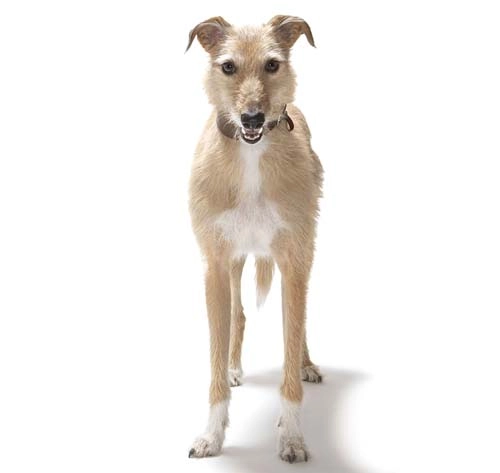
Lurchers are not a pure breed but a cross between a sighthound (such as a Greyhound or Whippet) and another breed, often a working or terrier type. As BorrowMyDoggy notes, they are intelligent, affectionate, and loyal companions that can be calm indoors but possess a powerful prey drive outdoors. They typically stand 46–76 cm tall, weigh 9–40 kg, and have a life expectancy of 12–15 years. Their exercise needs are substantial – at least 1–2 hours daily – and they thrive on activities that channel their speed and hunting instincts. Grooming requirements are generally low, though regular brushing is recommended.
Why This Incident Occurred: Prey Drive and Triggers
Lurchers were historically bred for hunting and coursing, which ingrained a strong instinct to chase small, fast‑moving objects. Even in a home environment, sudden movements, high‑pitched sounds, or unfamiliar stimuli can trigger that prey drive. Experts stress that early socialisation, consistent training, and never leaving a lurcher unsupervised with small animals (including cats) are essential. The BorrowMyDoggy guide emphasises teaching reliable recall and commands like “leave it” to manage this innate behaviour. In the Essex case, it appears the dog’s prey drive was activated in a way that had never been observed before, leading to the fatal attack.
Current Status and Investigation
Essex Police continue to investigate the circumstances of the attack. The seized lurcher remains in custody while authorities decide on its fate. Jack Biscoe has publicly pleaded for the dog and her puppies to be euthanised, stating that no other family should experience such a loss. The incident has sparked a wider conversation about responsible dog ownership, particularly for breeds with high prey drives, and whether existing laws adequately address the risks posed by family pets that suddenly turn violent.
What Dog Owners Can Learn
This tragedy serves as a sobering reminder that any dog, regardless of breed or previous behaviour, can act unpredictably. Owners of lurchers and other sighthound crosses should:
- Always supervise interactions between dogs and children or vulnerable individuals.
- Provide ample physical and mental exercise to reduce pent‑up energy.
- Train a solid recall and “leave it” command from puppyhood.
- Keep dogs on a lead in open or unfamiliar areas.
- Seek professional help at the first sign of behavioural changes.
Responsible ownership also means recognising when a dog’s needs exceed an owner’s capacity and seeking rehoming through reputable rescue organisations.
Summary: Key Points to Remember
The lurcher is a loving, intelligent breed that demands an owner who understands its hunting heritage and can provide the right environment and training. The Essex attack, while exceptionally rare, highlights the importance of respecting a dog’s natural instincts and never becoming complacent about safety. By educating ourselves about breed‑specific traits, committing to ongoing training, and always putting safety first, we can help prevent such tragedies and ensure our pets live happy, well‑adjusted lives.