

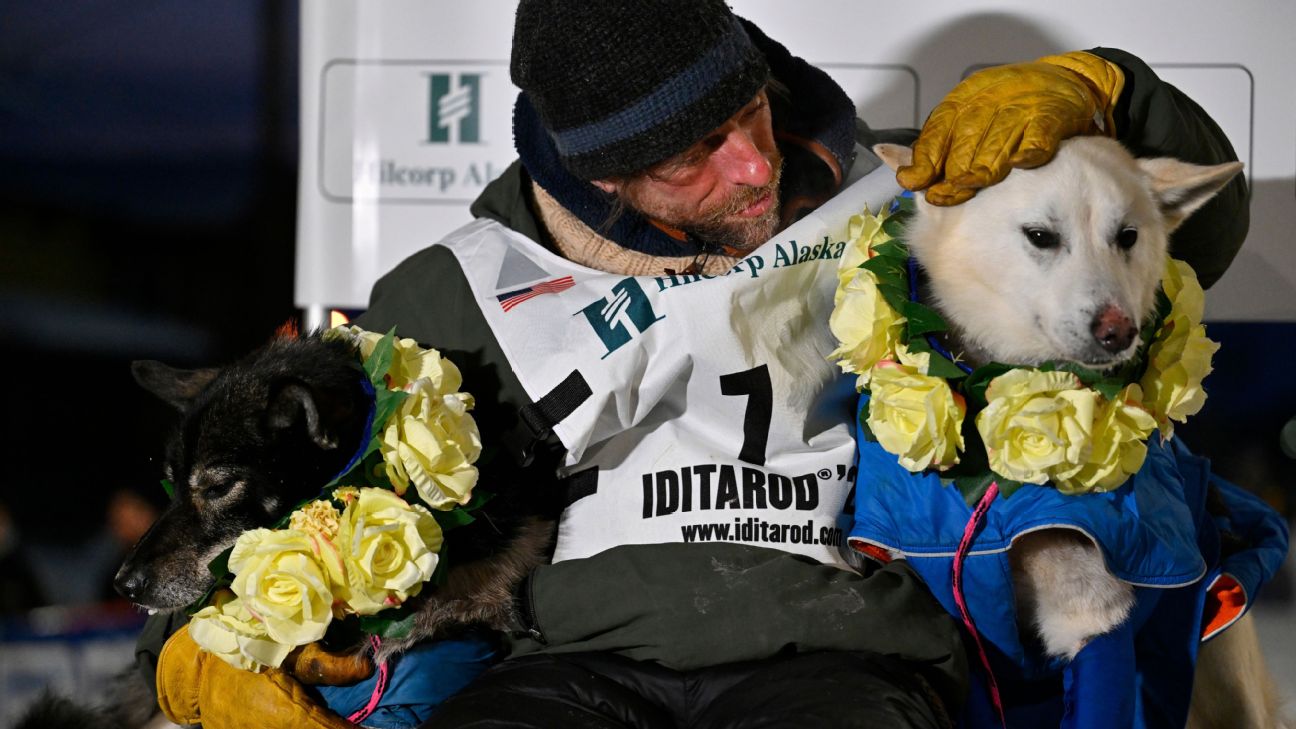
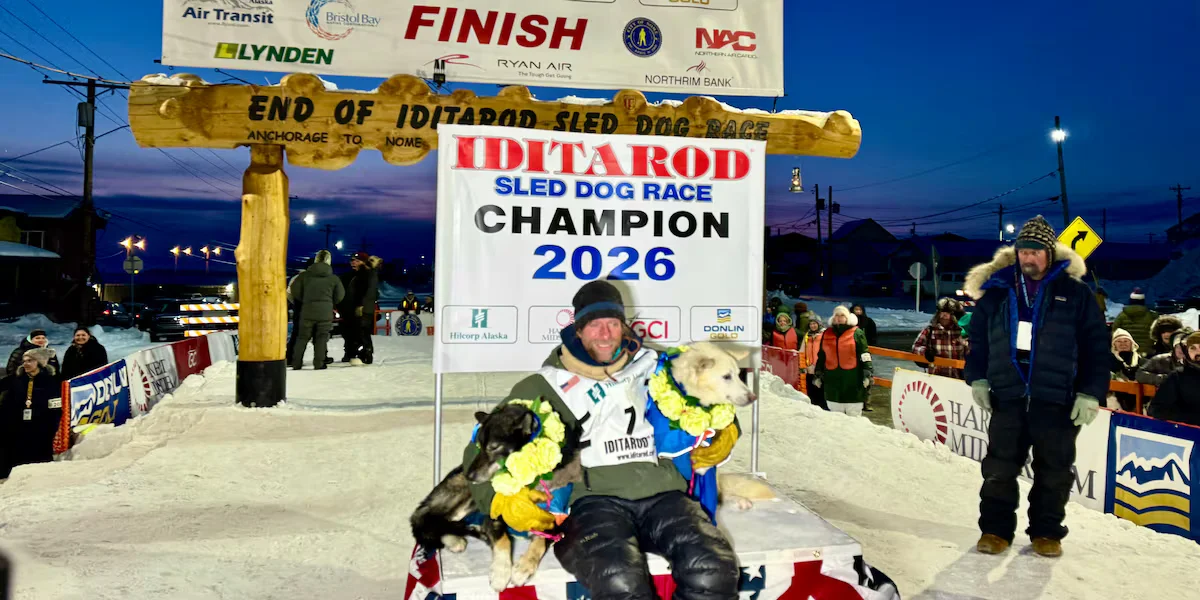
Former reality TV star Jessie Holmes has made Iditarod history by winning the grueling 1,000-mile sled dog race for the second consecutive year. The 44-year-old musher from Brushkana, Alaska, guided his team of 12 dogs across the finish line in Nome on Tuesday, March 17, 2026, securing his place as only the third competitor in the race's 54-year history to repeat as champion the year after his first victory. Holmes, who gained fame on National Geographic's "Life Below Zero," celebrated by rewarding his canine athletes with large ribeye steaks, highlighting the deep bond between musher and dog team that defines this ultimate test of endurance.
How Jessie Holmes Made Iditarod History with Back-to-Back Wins
Holmes' victory wasn't just another win—it placed him in elite company alongside Iditarod legends Susan Butcher (1986-1987) and Lance Mackey (2007-2008). Both previous repeat champions went on to win four titles each, setting a potential trajectory for Holmes' future. The race began on March 8 in Willow, Alaska, following a ceremonial start in Anchorage, and took teams over two mountain ranges, along the frozen Yukon River, and across the unpredictable Bering Sea ice. Holmes led for most of the 9-day, 7-hour, 32-minute journey, finishing approximately four and a half hours ahead of second-place musher Travis Beals.
From Willow to Nome: The 2026 Iditarod Timeline
The 2026 Iditarod followed a challenging but relatively fast trail compared to recent years. Holmes reached the Yukon River first, claiming the prize for being the initial musher to the halfway point. He maintained his lead through the final push along the Bering Sea coast, battling temperatures that plunged well below zero. Key moments included Holmes' strategic rest periods, his team's consistent pace, and the emotional finish line arrival where he immediately focused on caring for his dogs before celebrating his own achievement. The race saw 34 competitive mushers start—matching the second-smallest field in Iditarod history—reflecting the high costs of participation and retirements of veteran racers.
The Billionaire Boost: How New Money is Changing Dog Sled Racing
This year's Iditarod featured unprecedented financial support from Norwegian billionaire Kjell Rokke, who participated in a newly created noncompetitive "expedition" category. Rokke's involvement boosted the winner's purse to approximately $80,000—up from the $57,000 Holmes received for his 2025 victory. Beyond prize money, Rokke contributed $100,000 in additional race funding and $170,000 to Alaska Native villages that serve as checkpoints. Another expedition-class musher, Canadian entrepreneur Steve Curtis, pledged $50,000 for youth sports programs in those communities. This influx of outside investment comes as the Iditarod faces criticism from animal rights groups, particularly People for the Ethical Treatment of Animals (PETA), which claims more than 150 dogs have died in the race's history and urged Rokke to support canine welfare instead.
Where the Iditarod Stands Now: Field Size and Canine Welfare
The 2026 race highlighted both the challenges and resilience of modern dog sled racing. One dog, a 4-year-old female named Charly on musher Mille Porsild's team, died during the event—the only canine fatality this year. The Iditarod organization announced a necropsy would be conducted to determine the cause of death. Meanwhile, Holmes' post-race care of his team, including the immediate distribution of premium steaks, demonstrated the priority top mushers place on their animals' wellbeing. Holmes himself emphasized this connection in his finish-line interview, stating, "It's a blessing to be out here. I was just so full of gratitude and gratefulness being welcomed into all these communities, and being out in all this beautiful country with the most amazing dog team I've ever seen."
Can Jessie Holmes Achieve a Four-Peat? The Road Ahead
With his second consecutive victory, Holmes now faces the question of whether he can match or exceed the achievements of Butcher and Mackey, who each won four Iditarod titles. Before this year's race, Holmes told The Associated Press that this was "the most important of my career," adding, "That's hard to put that on yourself because you got to live with that pressure every day. And if I do not make it, it is going to absolutely crush me." His trajectory suggests continued success: since his first Iditarod in 2018 (where he earned Rookie of the Year honors with a seventh-place finish), Holmes has competed nine times, recording seven top-10 finishes and placing in the top five for the last five consecutive races.
Key Takeaways from Jessie Holmes' Historic Iditarod Victory
- Jessie Holmes joined Susan Butcher and Lance Mackey as only the third musher to win consecutive Iditarod championships
- The former "Life Below Zero" star rewarded his dog team with ribeye steaks immediately after winning
- Norwegian billionaire Kjell Rokke's sponsorship boosted the winner's purse to approximately $80,000
- One dog died during the 2026 race—a 4-year-old female named Charly on Mille Porsild's team
- Holmes has now finished in the top five in five straight Iditarods, showing remarkable consistency
- The race started with 34 competitive mushers, matching the second-smallest field in Iditarod history
- Holmes used earnings from his television career to purchase better sled dogs and equipment, investing in his racing future
From reality TV personality to back-to-back Iditarod champion, Jessie Holmes has completed a remarkable transformation that underscores the deep connection between humans and working dogs in one of the world's most demanding sports. His historic repeat victory not only secures his place in Iditarod lore but also brings renewed attention to the bond between mushers and their canine athletes—a relationship built on trust, care, and mutual respect that remains at the heart of this Alaskan tradition.