

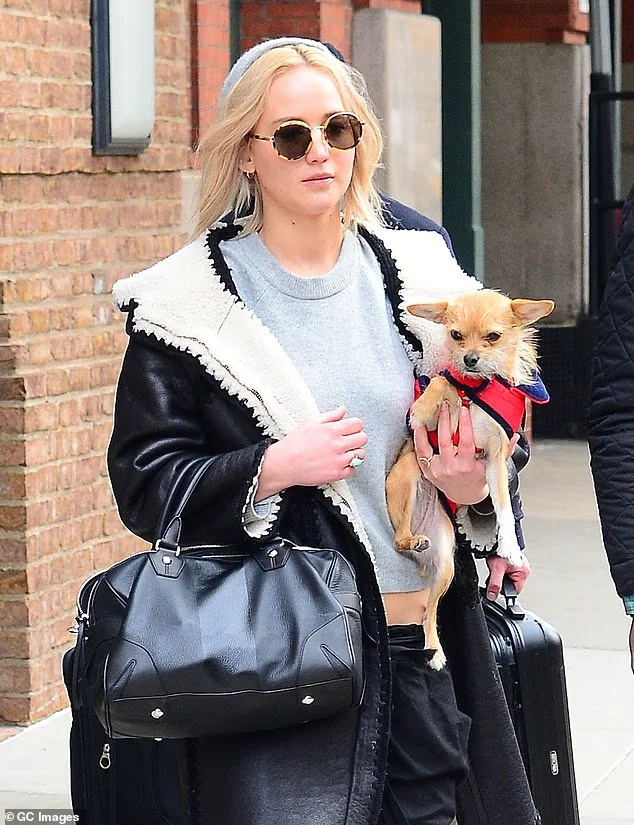
Jennifer Lawrence has sparked a nationwide conversation about pet safety after revealing she rehomed her beloved chihuahua when the dog bit her young son. The Oscar-winning actress made the emotional admission during a Q&A session for her new film 'Die My Love' in New York City, explaining that after becoming a mother, her perspective on dogs shifted dramatically. 'After I had a kid, dogs became so scary,' Lawrence told the audience. 'It's almost like I don't recognize dogs right now. I just see them as a threat.'
The 35-year-old actress, who shares two sons with husband Cooke Maroney, described how her chihuahua Princess Pippi Longstocking bit her 3-year-old son Cy, prompting her to give the dog to her parents. 'One of them bit my son, and that made me just wanna obliterate every dog,' Lawrence revealed in comments that have since ignited debate among pet owners and parents across the country.
How the Controversy Unfolded: Inside Jennifer Lawrence's Pet Dilemma
Lawrence's candid revelation came during what was supposed to be a standard film promotion event at New York's 92nd Street Y. When asked whether she considered herself more of a dog or cat person, the actress didn't hold back. 'I have a cat now,' she explained, referring to her pet Fred. 'I feel like they're so misunderstood in that they are a**holes and people who don't like cats don't get that is what is so funny.'
The Hunger Games star described how she had originally gone to great lengths for her dog's comfort, even choosing her Manhattan apartment specifically to be near Central Park. 'She did not like New York,' Lawrence said of her chihuahua. 'I lived on 1st and 67th just to be near the park for her.' But everything changed after her children arrived. 'My son's going up to it and it's almost like I don't recognize dogs right now. I just see them as a threat,' she explained, capturing the protective instincts many new parents feel toward their children.
Timeline: From Dog Lover to Protective Parent
Jennifer Lawrence's journey with pets spans nearly a decade, marked by significant life changes that ultimately led to her difficult decision. The timeline begins in 2017 when she adopted Princess Pippi Longstocking, a chihuahua who became her constant companion during red carpet events and public appearances. For years, the actress was photographed with her small dog, often speaking affectionately about their bond.
The first major shift came in 2022 when Lawrence welcomed her first son, Cy, with art gallery director Cooke Maroney. While she maintained her dog during this transition, subtle changes in her perspective began emerging. In 2024, the couple welcomed their second child, further complicating the household dynamic. The critical incident occurred sometime in late 2025 when the chihuahua bit her toddler son, though the exact circumstances remain private. Finally, in January 2026, Lawrence publicly revealed she had rehomed the dog with her parents and fully embraced life as a cat owner.
Why Dog Bites Happen: Expert Analysis and Safety Guidelines
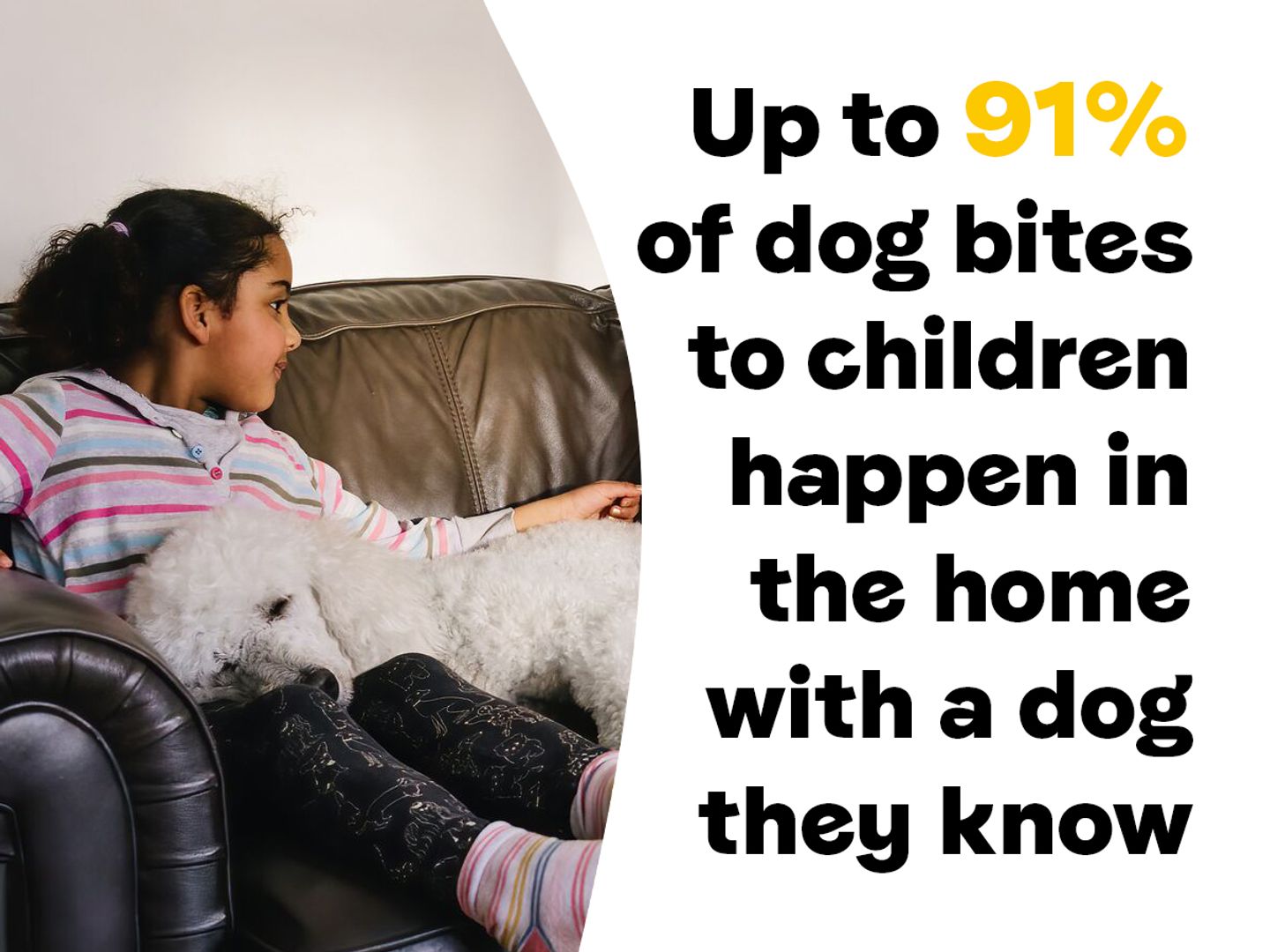
According to Dogs Trust, the UK's largest dog welfare charity, Lawrence's situation reflects a startling statistic: 91% of dog bites to children happen at home with a dog they know. 'We often underestimate the likelihood of our own dog biting,' the organization explains, 'but any dog can bite if they are worried or scared and feel they have no other choice.'
Professional dog behaviorists emphasize that children's natural behaviors—even those meant to show affection—can trigger defensive responses in dogs. Hugging, kissing, taking toys, or approaching dogs while they're eating or resting can all increase bite risk. Dogs communicate discomfort through body language that many parents miss: tension in the body, ears held back, furrowed brows, tongue flicking, and lowered tails.
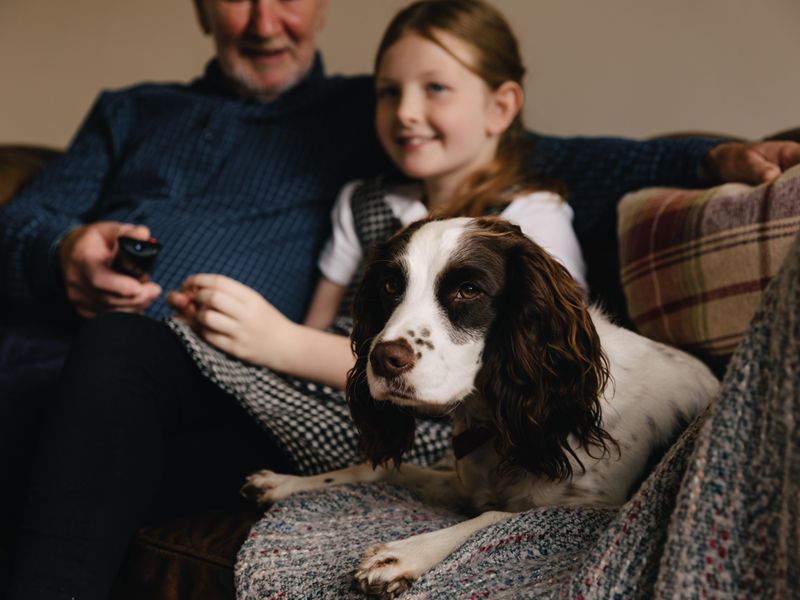
'The best way to prevent a bite is to spot the warning signs before anything happens,' advises Dogs Trust. Their three-step approach—Stay Close, Step In, and Separate—provides a practical framework for households with both dogs and children. This involves constant supervision, intervening when either child or dog shows discomfort, and using physical barriers like baby gates when supervision isn't possible.
Where Things Stand Now: The Ongoing Debate About Pet Rehoming
Social media erupted following Lawrence's revelation, with fans divided into two clear camps. Critics argued that rehoming a pet after having children sets a poor example. 'You don't dump your dog just because you had kids—you learn to teach your kids to respect your pet,' one Instagram user commented on a clip of Lawrence's remarks. Another added, 'This is so disappointing... This is setting a precedent for so many other people that look up to you to just abandon their fur babies when they have kids.'
However, defenders pointed to the primacy of child safety. 'If she felt her dogs were unsafe around children, we should not be judging a mother and a decision she made for the safety of her children,' wrote one supporter. 'A parent should ALWAYS choose her child's safety.' Professional dog trainers also weighed in, noting that rehoming can sometimes be the most responsible choice when safety cannot be ensured through training and management alone.
What Happens Next: Lessons for Pet-Owning Families
Jennifer Lawrence's experience serves as a cautionary tale for families navigating the complex relationship between pets and children. While her specific solution—rehoming with family members—may not be feasible for everyone, her story highlights the importance of proactive planning. Experts recommend that families expecting children begin preparing their pets months in advance, using positive reinforcement training to acclimate dogs to baby-related sights and sounds.
For households where incidents have already occurred, professional behavioral consultation is crucial. Veterinarians can rule out medical causes for aggression, while certified behaviorists can develop customized management plans. In some cases, as with Lawrence, rehoming to a child-free environment may be the safest option for both the dog and the family. The key is making these decisions based on professional guidance rather than panic or guilt.
The Bottom Line: Balancing Pet Love with Child Safety
Jennifer Lawrence's difficult decision to rehome her dog after a biting incident has sparked necessary conversations about pet safety in family homes. While her candid admission drew criticism from some quarters, it also highlighted the very real challenges parents face when balancing their love for pets with their responsibility to protect their children. The statistics don't lie—most dog bites happen with familiar dogs in home environments, making education and supervision essential for every pet-owning family.
Whether families choose to keep their pets with intensive management, seek professional behavioral help, or consider rehoming as Lawrence did, the priority must always be safety for both children and animals. As the actress herself discovered, parenthood changes perspectives in profound ways, and what once seemed like a simple pet-owner relationship can become complex when little ones enter the picture.