
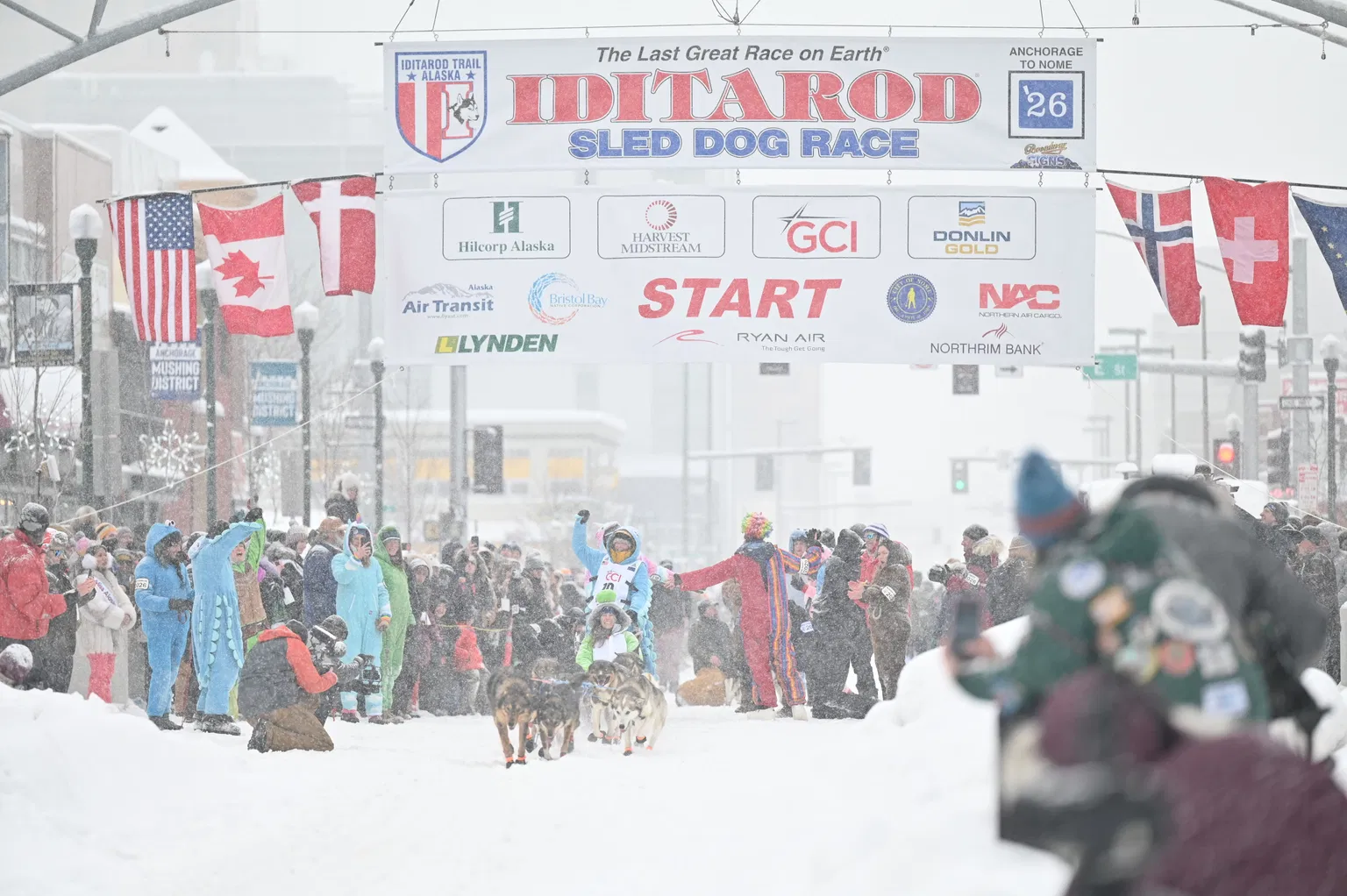
The 2026 Iditarod Trail Sled Dog Race is officially underway, with defending champion Jessie Holmes leading the pack as the 54th running of Alaska's most famous race enters its critical early stages. A picturesque snowfall blanketed Anchorage on March 7 as 37 mushers and their canine teams embarked on the nearly 1,000-mile journey to Nome, setting the stage for what promises to be one of the most watched Iditarod races in recent memory. This year's event unfolds against a backdrop of heightened scrutiny over sled dog welfare, with animal rights organizations releasing new research about health risks even as race organizers emphasize unprecedented veterinary oversight.
How the 2026 Iditarod Unfolded: From Ceremonial Start to Early Lead
A soft, picturesque snow covered downtown Anchorage as thousands of fans packed the streets to watch the ceremonial start of the 2026 Iditarod. Thirty-seven teams—34 competitive mushers and three expedition class participants—began their journeys with an 11-mile run through the city before the official restart in Willow on March 8. Defending champion Jessie Holmes, who won the 2025 race in the longest course in Iditarod history, immediately established himself as the musher to beat, reaching the Rainy Pass checkpoint in first position.
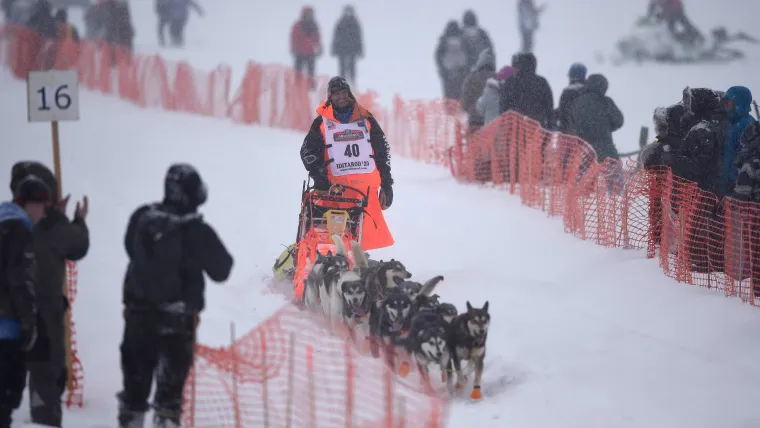
Current standings show Holmes maintaining his lead, followed closely by Matt Hall, Travis Beals, and Paige Drobny. The field includes four past champions—Holmes, Ryan Redington, Pete Kaiser, and Thomas Waerner—creating what veteran race watchers describe as one of the most competitive fields in years. Among the 37 participants are 14 rookies and 23 veterans, with 12 women competing alongside 25 men. Three of the rookies are classified as "re-rookies"—mushers who have raced before but took extended breaks from competition.
Timeline: The Road to the 2026 Iditarod Start Line
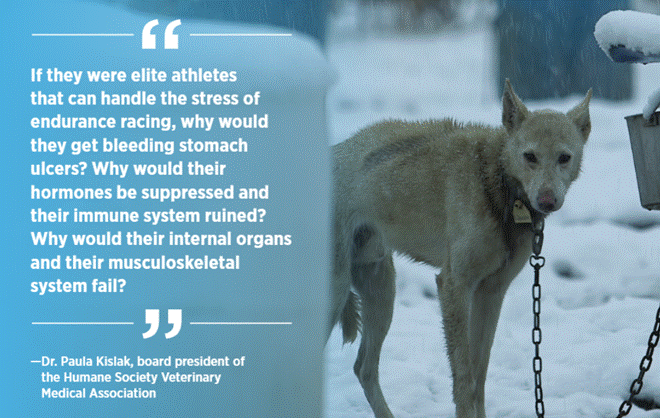
The path to this year's race began months before the first team left Anchorage. In January 2026, People for the Ethical Treatment of Animals (PETA) released a white paper titled "Iditarod Damned" detailing health dangers for dogs in sled racing. The document cited previous studies showing sled dogs have a 61% higher rate of stomach erosions or ulcers compared to non-racing dogs, with many not showing symptoms until conditions become severe.
By early March, race preparations shifted into high gear. On March 3-5, the International Sled Dog Veterinary Medical Association and Iditarod Trail Committee hosted a sled dog training seminar for veterinarians and handlers. March 5 saw the musher start order being set at a lively event attended by over 1,100 race fans. The ceremonial start on March 7 in Anchorage featured ideal racing conditions with fresh snowfall, while March 8 marked the official restart in Willow where teams began the serious competition toward Nome.

Why This Iditarod Matters: The Sled Dog Welfare Debate
The 2026 Iditarod occurs at a critical juncture in the ongoing debate about animal welfare in sled dog racing. PETA's January white paper represents the organization's most comprehensive critique yet, arguing that "dogs who get sick or fail to perform to the standards of their mushers are killed" and accusing the Iditarod of failing to enforce regulations. The organization maintains eyewitness accounts from Alaska's dog sledding industry reveal dogs denied veterinary care for painful injuries and kept in inadequate conditions.
Race organizers and supporters counter with what they describe as unprecedented veterinary oversight. This year's race features Loudoun veterinarian Erika Friedrich serving as chief veterinarian, overseeing more than forty licensed veterinarians who volunteer their time on the trail. Every dog must pass official pre-race veterinary exams and comply with all Iditarod health and safety standards. The race also introduces an Expedition Class with three participants who follow the full trail but aren't competitive, allowing for additional research into sled dog health and performance.
Veterinary students from institutions like Virginia Tech are participating through externship programs, conducting pre-race checks on every dog—anywhere from six to twelve per team across approximately 80 teams in the junior and senior races combined. This level of veterinary involvement represents what race officials call "the highest standard of canine athlete care in the sport's history."
Where Things Stand Now: Latest Developments on the Trail
As of March 10, Jessie Holmes maintains his lead through the early checkpoints, having passed through Rainy Pass with his full team of 16 dogs intact. The defending champion's performance has been particularly impressive given the pressure that comes with wearing bib number one. Close behind, Matt Hall and Travis Beals are separated by mere minutes, setting up what could become a dramatic battle for position as teams approach the more challenging middle sections of the trail.
The weather has cooperated so far, with temperatures hovering in the ideal range for sled dogs—cold enough to prevent overheating but not so extreme as to risk frostbite. Race veterinarians report no major health concerns among the canine athletes at early checkpoints, though they continue to monitor each dog closely for signs of fatigue, injury, or stress. Mushers have been generally positive about trail conditions, though all acknowledge the race's most difficult sections still lie ahead.
What Happens Next: The Road Ahead for Iditarod 2026
The coming days will determine whether Jessie Holmes can defend his title or whether challengers like Matt Hall can mount a serious challenge. Teams now face the notorious Alaska Range, followed by the interior's potentially treacherous conditions and finally the brutal coastal stretch along the Bering Sea. Historically, the race is often won or lost in these middle sections where strategy, dog care, and endurance intersect most critically.
Beyond the competition itself, the 2026 Iditarod will likely influence the future of sled dog racing more broadly. The Expedition Class participants are gathering data that could shape future race regulations and dog care standards. Veterinary researchers accompanying the race are studying everything from hydration strategies to paw protection methods. And the ongoing dialogue between animal welfare advocates and race organizers continues to evolve, with potential implications for how all endurance animal sports approach participant well-being.
The Bottom Line: Key Points to Remember
The 54th Iditarod represents both continuity and change in the world's most famous sled dog race. Defending champion Jessie Holmes leads a competitive field of 37 mushers through Alaska's demanding landscape while unprecedented veterinary oversight aims to address longstanding welfare concerns. The race unfolds against a backdrop of renewed scrutiny from animal rights organizations, creating a complex narrative about tradition, competition, and animal welfare. As teams push toward Nome, they carry not just hopes of victory but also the weight of a sport examining its future in an increasingly attentive world.