
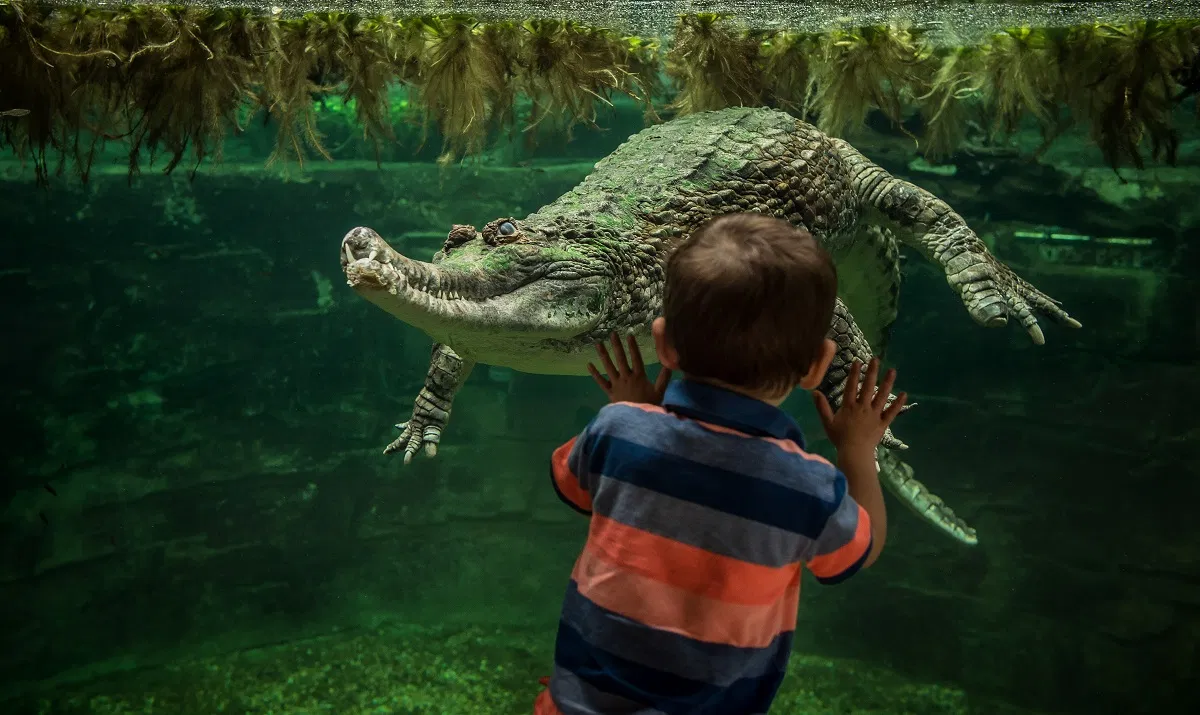
The world of zoos is at a critical crossroads, facing unprecedented financial pressures while simultaneously pioneering groundbreaking animal care technologies that could revolutionize how we look after our pets at home. New research from the BBC reveals that 40% of accredited zoos and aquariums have raised serious financial concerns since 2022, as rising costs for animal feed, veterinary care, and energy consumption squeeze budgets. Yet amid these challenges, institutions like Chester Zoo are reporting record visitor numbers and pioneering health monitoring technologies that could soon become standard in pet care.
Financial Realities: How Zoos Are Navigating Economic Strain
According to Chester Zoo CEO Jamie Christon, who responded to the BBC's findings, the financial pressures on the zoo sector are very real. Rising costs, pressure on household budgets, and increasing expectations are creating significant challenges for many organizations. However, Christon emphasizes that a single narrative shouldn't define the entire sector. Many modern zoos and aquariums remain resilient, relevant, and continue to deliver real impact in conservation and education.
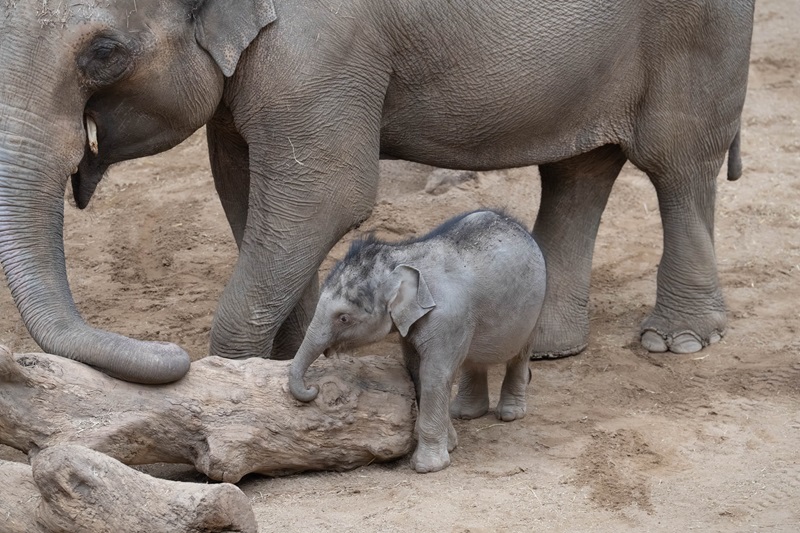
The British and Irish Association of Zoos and Aquariums (BIAZA) provides crucial context to the financial picture. In 2025, BIAZA member zoos and aquariums welcomed more than 30 million visitors, including over 1.1 million education visitors. Together, they invested £28.8 million directly into conservation, supporting wildlife both in the UK and around the world. This level of public engagement and conservation spending reflects a sector that continues to earn public trust and deliver against its purpose of creating a better world for nature.
From Crisis to Innovation: The Timeline of Zoo Transformation
The financial challenges facing zoos didn't emerge overnight. The timeline begins in 2022 when inflationary pressures first began impacting operational costs. By 2024, many zoos were reporting double-digit percentage increases in feed and energy costs. February 2026 marked a turning point when BBC research quantified the extent of the crisis, revealing that 40% of accredited facilities had raised financial concerns. Within days, major zoos like Chester Zoo responded with detailed accounts of both their challenges and successes, while organizations like BIAZA highlighted the sector's broader resilience and continued conservation impact.
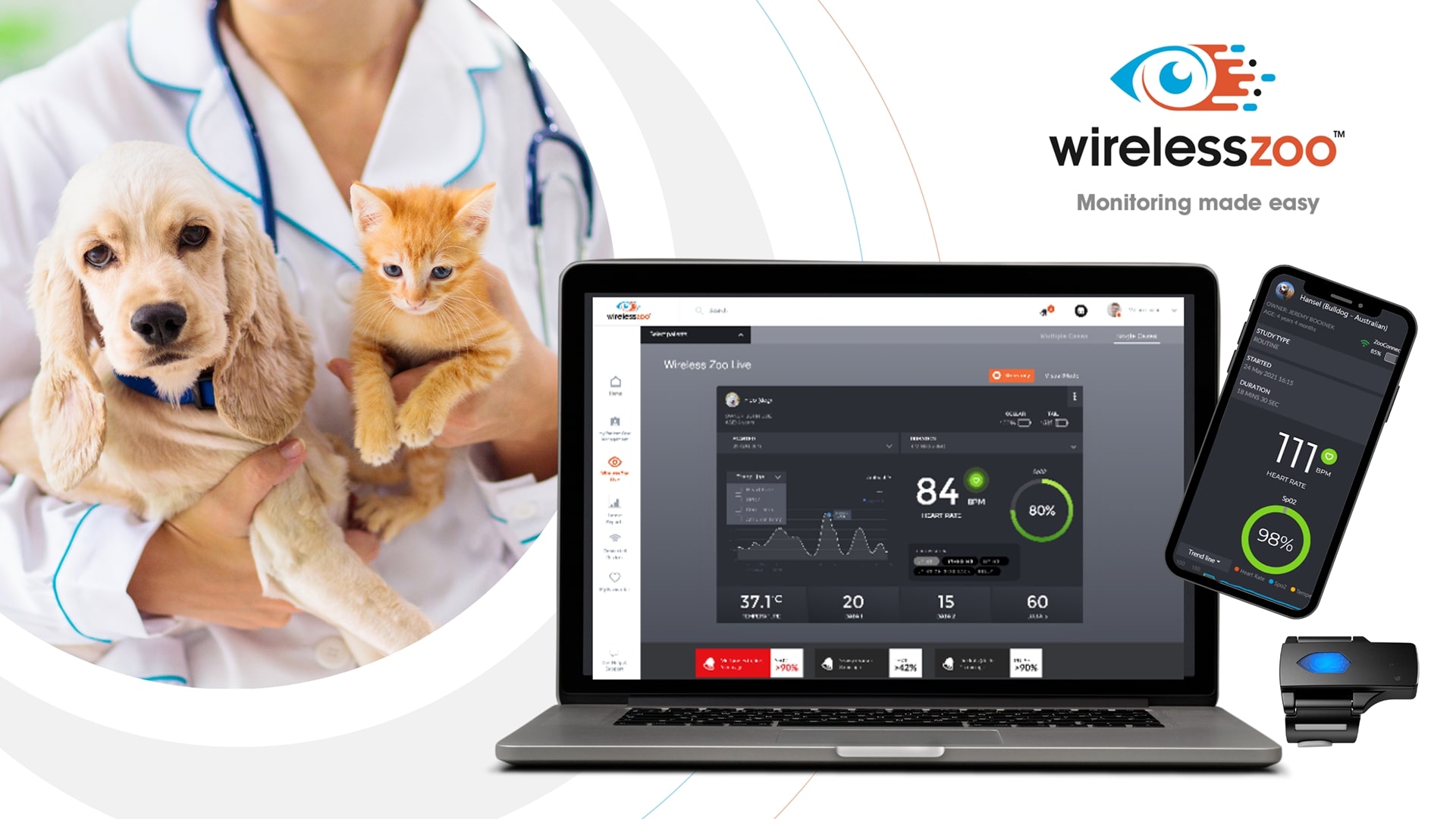
Simultaneously, technological innovation in animal care has been accelerating. The development of WirelessZoo technology by Alpha Vet Tech represents a significant leap forward in animal health monitoring. This system uses compact, cloud-connected sensors and mobile applications to monitor key vital signs including heart rate, respiration rate, ECG, and temperature in real time. What began as specialized zoo technology is now finding applications in domestic pet care, creating a bridge between exotic animal medicine and household pet wellness.
How Zoo Technology Is Revolutionizing Pet Care
The same monitoring technologies developed for zoo animals are now transforming how pet owners care for their dogs, cats, and other companion animals. WirelessZoo's approach to continuous health monitoring has inspired a new generation of pet wearables that provide data-rich insights into animal wellbeing. These devices represent more than just fitness trackers for pets—they offer early warning systems for health issues, behavioral monitoring, and even emotion recognition through AI analysis of vocalizations and facial expressions.
PetPace, recently highlighted in a Technowize article exploring the growing world of pet wearable technology, exemplifies this trend. Their collar-based monitor tracks vital signs, activity levels, and behavioral patterns, alerting owners to potential health issues before they become serious. This technology directly descends from monitoring systems developed for zoo animals, where early detection of health problems can mean the difference between life and death for endangered species.
The implications for pet owners are profound. Regular veterinary check-ups supplemented by continuous monitoring can create a more complete picture of an animal's health. Behavioral enrichment strategies developed for zoo animals—designed to stimulate natural behaviors and reduce stress—are also being adapted for domestic pets. From puzzle feeders to environmental enrichment, the principles of zoo animal welfare are increasingly applied to pet care routines.
Current Status: Record Attendance Meets Dog-Friendly Innovation
Despite financial pressures, some zoos are experiencing unprecedented success. Blackpool Zoo recently kicked off its 2026 season after a record-breaking year, demonstrating that public appetite for zoo visits remains strong. Chester Zoo reported welcoming more than 2.1 million visitors in 2025—the highest number in its 94-year history—with membership reaching record levels and major events selling out consistently.
Simultaneously, zoos are finding innovative ways to engage pet owners directly. Events like Dallas Zoo's "Dog Days" allow visitors to bring their canine companions for special zoo visits, creating unique bonding experiences while introducing pets to wildlife education. These dog-friendly events represent a growing trend of zoos positioning themselves as community resources for all animal lovers, not just those interested in exotic species.
The pet wearable market itself is experiencing rapid growth, valued at $2.08 billion in 2026 and projected to reach $3.52 billion by 2032. This expansion reflects increasing pet owner interest in proactive health management and the trickle-down effect of zoo-originated monitoring technology. As these devices become more affordable and sophisticated, they're likely to become standard equipment for responsible pet owners, much like microchips and GPS trackers have in recent years.
What's Next for Zoos and Pet Care Technology
The future of zoos will likely involve increased reliance on technology for both animal care and visitor experience. Artificial intelligence-driven diagnostics, remote monitoring systems, and advanced enrichment technologies will become standard in progressive zoological institutions. These innovations will continue to influence pet care, with domestic animal monitoring becoming increasingly sophisticated and integrated with veterinary telehealth services.
Financial pressures may also drive consolidation and specialization within the zoo sector, with facilities focusing on their unique strengths in conservation, education, or specific animal groups. For pet owners, this means continued access to animal care innovations developed in zoos, as well as potentially more opportunities to engage with zoos through pet-friendly events and educational programs about animal welfare principles applicable to household pets.
Key Takeaways for Pet Owners
The evolving situation in the zoo sector offers several important insights for pet owners. First, the financial challenges facing zoos highlight the importance of supporting conservation institutions that contribute to animal welfare knowledge and innovation. Second, technologies developed for zoo animals are increasingly available for domestic pets, offering new ways to monitor and improve animal health. Third, the principles of animal enrichment and preventative care practiced in modern zoos provide valuable models for pet care at home. Finally, dog-friendly zoo events represent growing opportunities to combine pet ownership with wildlife education and conservation awareness.
As zoos navigate their dual challenges of financial sustainability and technological innovation, pet owners stand to benefit from the knowledge and tools developed in these institutions. The connection between zoo animal care and domestic pet welfare has never been stronger, creating exciting possibilities for the future of animal companionship.