
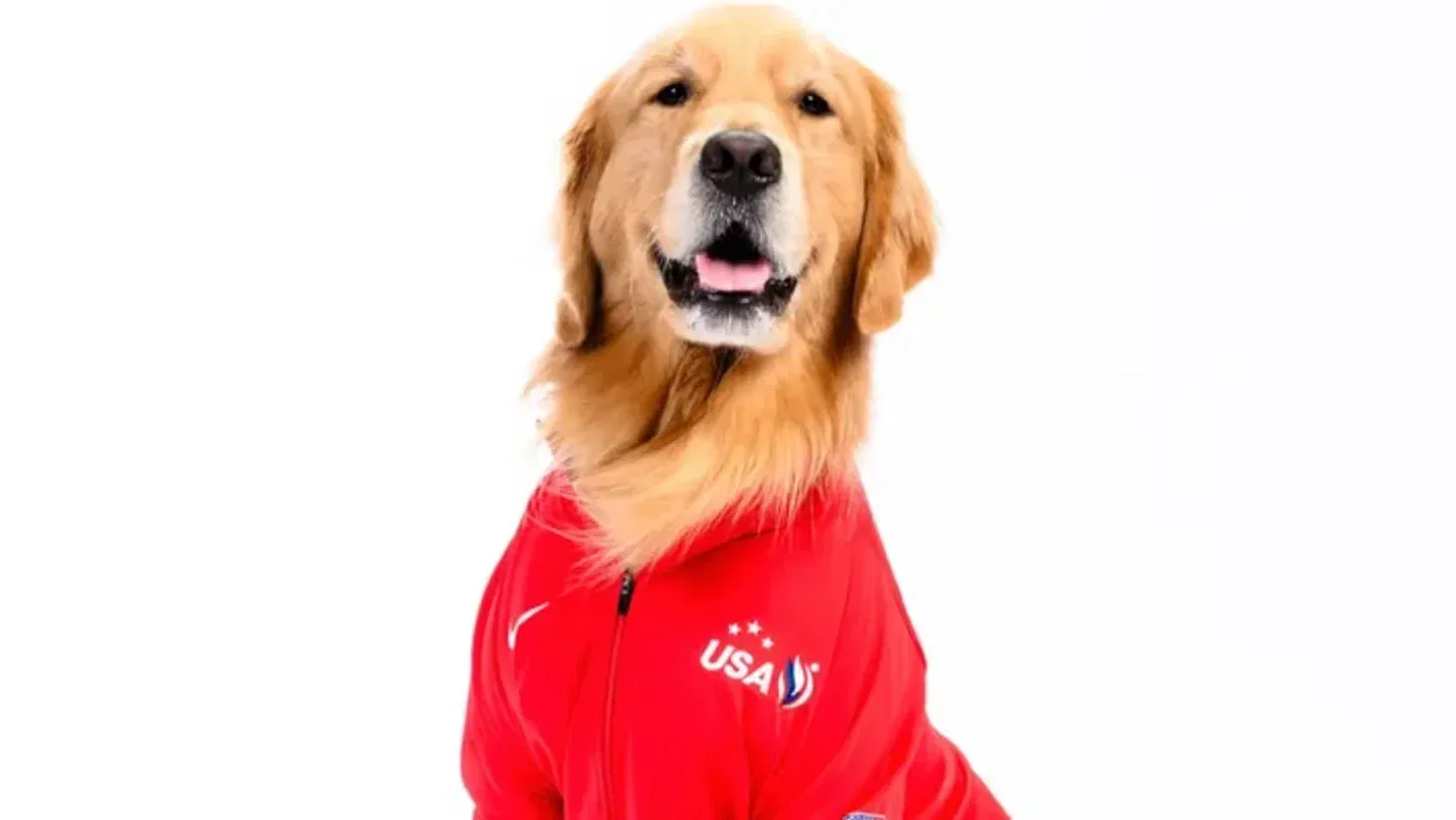
In a remarkable intersection of elite sports and canine companionship, a 4-year-old golden retriever named Beacon has become an unlikely hero for Team USA gymnastics while simultaneously highlighting the urgent health challenges facing his breed. As the first therapy dog for USA Gymnastics, Beacon provided emotional support to athletes during the intense 2024 Olympic trials, offering belly rubs and comfort to stars like Simone Biles and Suni Lee. But even as this golden retriever makes history in sports psychology, scientific research reveals a sobering reality: golden retrievers face the highest cancer mortality of any dog breed, with 65-75% of deaths attributed to the disease. Now, breakthrough medical advancements including a novel cancer vaccine from Yale University are offering new hope for these beloved family companions.
How a Golden Retriever Became Team USA's Secret Weapon
When the pressure of Olympic trials reached its peak in Minneapolis last June, athletes found an unusual source of comfort—a golden retriever named Beacon who seemed to sense exactly who needed him most. "He picks up on the stress and will pull to that person immediately," says Tracey Callahan Molnar, Beacon's handler and a former gymnast herself. The four-year-old therapy dog, credentialed as USA Gymnastics' "Goodest Boy," spent long days providing affection and distraction to athletes facing the biggest competition of their careers. His impact was profound enough that Suni Lee posted "Thank god for Beacon" on Instagram after the first night of trials, while Simone Biles posed for photos with the gentle canine.
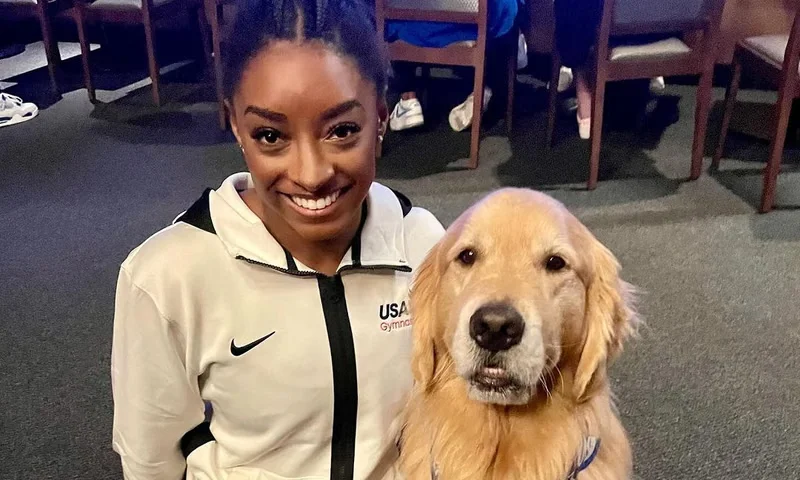
Beacon's journey to becoming a sports therapy pioneer began in 2023 when Callahan Molnar, a 40-year veteran of USA Gymnastics, proposed incorporating therapy dogs into the organization's mental health program. Starting with rhythmic gymnastics competitions, Beacon and eventually dozens of other therapy dog teams provided support at events across the country. The program proved so successful that plans are already underway to have therapy dogs available for the 2028 Los Angeles Olympics. "If Beacon and other dogs help these athletes in some way, then we've done our job," Callahan Molnar told the AKC.
Timeline: Beacon's Journey from Puppy to Olympic Companion
The story of this groundbreaking therapy dog unfolded through a series of key moments that transformed him from a California family pet to an integral part of Team USA's support system. In 2020, Beacon began his training as a service dog providing tactile support for Callahan Molnar before becoming certified as a therapy dog through Pet Partners. His first official assignment came in May 2023 at the Rhythmic Elite Qualifier in Indianapolis, where he comforted 300 gymnasts. The program expanded rapidly, with Beacon attending the 2023 USA Gymnastics Championships in Tulsa just three weeks later.
By June 2024, Beacon was providing crucial support at the U.S. Olympic Team Trials in Minneapolis, working alongside 11 other therapy dogs to help athletes cope with both triumph and heartbreak. The golden retriever's celebrity status grew as social media posts from athletes and fans went viral. However, in September 2024, Beacon faced his own health crisis when he was hospitalized with stiffness, labored breathing, and fluid in his chest cavity. After a week of treatment, he returned home, with USA Gymnastics launching a GoFundMe that raised nearly $30,000 for his medical care. As of October 2024, Beacon continues his recovery while maintaining his role as USA Gymnastics' pioneering therapy dog.
The Sobering Reality Behind Golden Retrievers' Cancer Crisis
While Beacon represents the very best of what golden retrievers offer as companions and helpers, scientific research reveals a devastating health trend affecting the breed. According to a September 2024 study published in Cancer Cytopathology, three of every four documented golden retriever deaths have been linked to cancer—"by far the highest rate for any breed and among the highest rates of any animal." The research, part of the ongoing Golden Retriever Lifetime Study launched in 2012, tracks 3,044 dogs to investigate environmental and genetic risk factors.
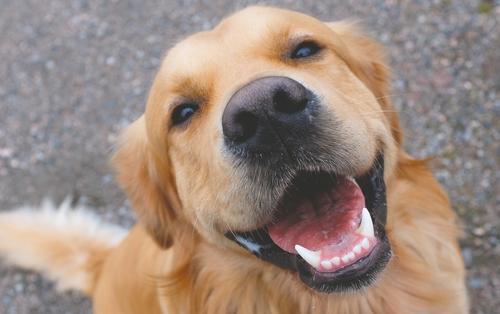
Dr. Julia Labadie, principal investigator of the Golden Retriever Lifetime Study, notes that hemangiosarcoma—an aggressive blood vessel malignancy—accounts for 70% of these cancer deaths. "We have now a cohort of pretty old golden retrievers," she says, explaining that studying aging in dogs has become an unexpected additional goal of the research. Recent genetic discoveries offer glimmers of hope: University of California Davis researchers found that a variant in the ERBB4 gene grants golden retrievers an extra two years of life on average, with ongoing studies aiming to validate these findings using samples from the lifetime study.
Breakthrough Vaccine Offers New Hope for Canine Cancer Patients
Even as researchers work to understand why golden retrievers face such extreme cancer risks, medical science is making dramatic strides in treatment options. At Yale University, Professor Mark Mamula has developed a novel cancer vaccine that represents the first major advancement in canine cancer treatment in decades. "Dogs, just like humans, get cancer spontaneously; they grow and metastasize and mutate, just like human cancers do," says Mamula, whose own dog died of inoperable cancer 11 years ago.

The vaccine, currently under review by the U.S. Department of Agriculture, has shown remarkable results in clinical trials involving over 300 dogs. For Hunter, an 11-year-old golden retriever and former search-and-rescue dog diagnosed with osteosarcoma in 2022, the vaccine—combined with amputation and chemotherapy—resulted in complete remission. "Twenty-two months since his cancer diagnosis, Hunter is now considered a long-term osteosarcoma survivor," reports his owner Deana Hudgins. The treatment increases 12-month survival rates for dogs with certain cancers from about 35% to 60%, with many patients experiencing tumor shrinkage.
Where Things Stand Now: Beacon's Recovery and Research Advances
As of October 2024, Beacon continues to recover from his September health scare while maintaining his therapy work on a modified schedule. His handler reports that he's "producing far less fluid likely because of meds" and trending in a positive direction while awaiting a definitive diagnosis. The golden retriever's story has sparked broader conversations about mental health support in elite sports and the unique role therapy animals can play in high-pressure environments.
Meanwhile, cancer research continues at an accelerated pace. The Golden Retriever Lifetime Study is entering its 13th year with renewed focus on early detection biomarkers, while Yale's cancer vaccine moves closer to USDA approval. Dr. Gerry Post, a veterinary oncologist working with Mamula, calls the vaccine "truly revolutionary" and notes that "in veterinary oncology, our toolbox is much smaller than that of human oncology. This vaccine is a whole new toolbox."
What Happens Next: The Future of Golden Retrievers in Sports and Medicine
The convergence of Beacon's sports therapy work and ongoing cancer research points toward a future where golden retrievers could play expanded roles in both human wellness and veterinary medicine. USA Gymnastics is already planning for therapy dog teams at the 2028 Los Angeles Olympics, potentially establishing a new standard for athlete mental health support across sports organizations. Meanwhile, researchers hope that findings from golden retriever studies could eventually benefit human cancer patients, given the striking similarities between canine and human cancers.
As Beacon's handler Tracey Callahan Molnar observes, "Now, with the recent focus on mental health in sports, there's a growing acceptance that high-level sports have stress, too." This acceptance, combined with medical breakthroughs addressing the breed's health vulnerabilities, suggests golden retrievers may continue making unique contributions to human society—whether as Olympic comfort providers or as partners in the fight against cancer.
The Bottom Line: Key Points to Remember
Golden retrievers are capturing attention for both their extraordinary contributions to human wellness and their urgent health needs. Beacon's work as USA Gymnastics' first therapy dog demonstrates the breed's unique capacity for emotional support, while scientific research reveals they face the highest cancer mortality of any dog breed. Fortunately, medical advances like Yale's cancer vaccine and ongoing studies like the Golden Retriever Lifetime Study offer new hope. As these friendly, intelligent dogs continue to serve as search-and-rescue heroes, therapy companions, and family pets, increased awareness of their health challenges and support for research breakthroughs may help ensure more golden retrievers live longer, healthier lives.