
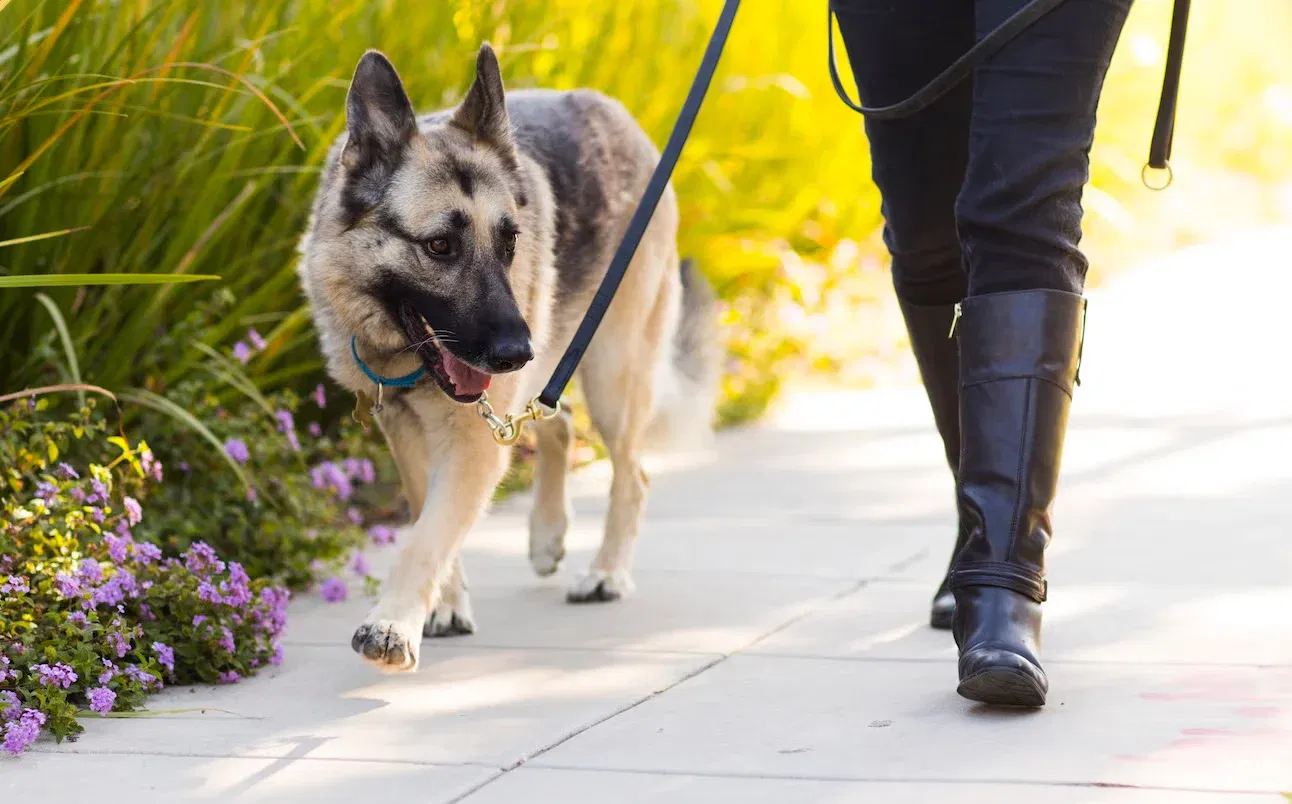
The German Shepherd stands as one of the most beloved and recognizable dog breeds worldwide, consistently ranking as the second most popular breed in the United States according to the American Kennel Club. Known for their remarkable intelligence, unwavering loyalty, and striking appearance, these versatile working dogs have earned their place as family companions, police partners, search and rescue heroes, and service animals. But owning a German Shepherd comes with significant responsibility — this breed demands dedicated care, substantial exercise, and a deep understanding of their unique physical and emotional needs.
Why German Shepherds Remain America's Favorite Working Breed
German Shepherds were originally developed in Germany in the late 19th century for herding and guarding sheep. Today, their exceptional trainability and drive make them the top choice for military and police work worldwide. According to PetMD, these dogs are "commonly used as working dogs in the military and police for patrolling, bomb sniffing, and search and rescue." Their confidence, bravery, and ability to thrive with expert-level training set them apart from nearly every other breed.
Males typically stand 24–26 inches tall and weigh 65–90 pounds, while females are slightly smaller at 22–24 inches and 50–70 pounds. Their average lifespan ranges from 7 to 10 years, making proactive health management essential from puppyhood through their senior years.
In exciting breed news, a German Shepherd named Flint from New Jersey won the 2025 AKC Humane Fund Award for Canine Excellence in the Search and Rescue — Disaster Response category. Flint, a certified urban search and rescue dog with New Jersey Task Force One, exemplifies the breed's extraordinary capabilities. Meanwhile, in May 2025, a six-year-old German Shepherd named Moses made headlines in Arizona when he saved his owner from a rabid bobcat attack, earning the title "Hero of the Day" from local news outlets.
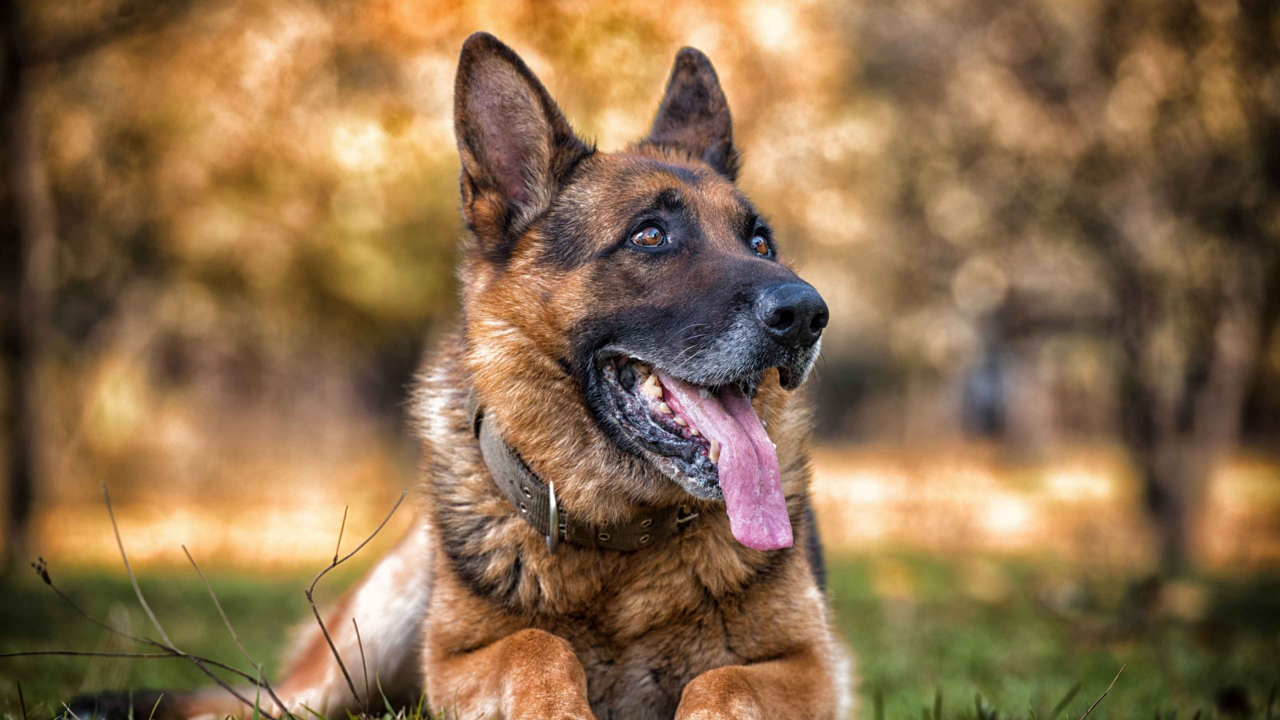
Exercise and Enrichment: The Key to a Well-Balanced GSD
German Shepherds are high-energy dogs that require one to two hours of exercise every day for their physical and mental well-being. Without sufficient activity, they can develop destructive behaviors, excessive barking, and anxiety. This breed was built to work, and that drive doesn't disappear when they enter a home environment.
Physical activities that German Shepherds excel at include hiking, agility training, fetch, swimming, and structured running. Mental stimulation is equally important — puzzle toys, scent work, obedience training, and interactive games keep their sharp minds engaged. The breed thrives on having a job to do, whether that's learning new commands, participating in nose work, or simply helping around the house with tasks like carrying items or opening doors.
Socialization must begin early, starting from puppyhood. Exposing your German Shepherd to different people, environments, other dogs, and various situations helps them grow into confident, well-mannered adults. Without proper socialization, their natural wariness of strangers can develop into fear-based reactivity.
Timeline: How the German Shepherd Breed Has Evolved in 2025
January 2025: The Kennel Club announces enhancements to its Breed Watch system, with changes to how it monitors health at dog shows and strengthened health screening requirements.
June 20, 2025: In a significant development for the breed, the Kennel Club and German Shepherd Dog Breed Council agree to reclassify the German Shepherd Dog from Category 3 to Category 2 on Breed Watch — a move that reflects improved breed health monitoring and recognition of efforts to address conformational issues.
July 2025: Petdirect NZ publishes an updated comprehensive care guide emphasizing tailored nutrition, consistent training, and breed-specific health check-ups for German Shepherds.
December 1, 2025: German Shepherd Flint wins the AKC 2025 Award for Canine Excellence in Search and Rescue — Disaster Response, bringing positive attention to the breed's working capabilities.
January 29, 2026: Researchers from LMU Munich, the University of Oxford, and the NIH publish groundbreaking genomic research revealing how World War II population bottlenecks and the repeated use of popular sires significantly reduced genetic diversity in German Shepherds, impacting breed health.
May 2026: Moses, a six-year-old German Shepherd in Arizona, becomes a national hero after killing a rabid bobcat to protect his owner during their morning walk, highlighting the breed's protective instincts and courage.
Understanding German Shepherd Health: Common Conditions and Prevention
German Shepherds are predisposed to several hereditary health conditions that owners and potential buyers must understand. According to the Canine Health Information Center, approximately 20% of German Shepherds have hip dysplasia, a degenerative joint disease that causes pain and mobility issues. Elbow dysplasia affects a similar percentage. These conditions can be managed through weight control, joint supplements, anti-inflammatory medications, and in severe cases, surgery.
Degenerative myelopathy is a progressive neurologic disorder affecting the spinal cord, gradually causing paralysis of the hind legs. Early signs include hind-end weakness and difficulty standing. While there's no cure, physical therapy can help maintain muscle strength and prolong mobility.
Bloat, or gastric dilation-volvulus (GDV), is a life-threatening emergency that occurs when the stomach fills with gas and twists upon itself. Deep-chested breeds like German Shepherds are at high risk. Symptoms include a distended abdomen, retching without producing vomit, restlessness, and collapse. Immediate veterinary intervention is critical. A preventive gastropexy procedure, often performed during spay or neuter surgery, can significantly reduce the risk.
Other common health issues include allergies, exocrine pancreatic insufficiency (EPI), cancer (particularly hemangiosarcoma and bone cancer), and thyroid disorders. Regular veterinary check-ups, genetic testing from reputable breeders, and pet insurance are strongly recommended for this breed.

Nutrition and Diet: Fueling the Active German Shepherd
German Shepherds require a high-quality, protein-rich diet to support their active lifestyle and maintain optimal body condition. Experts recommend a diet containing 18–25% protein from named animal sources such as chicken, beef, fish, or lamb. Puppies should be fed three to four times daily, while adult dogs do well on two meals per day.
Key nutritional considerations include omega-3 fatty acids for skin and coat health, glucosamine and chondroitin for joint support, and controlled calcium levels during puppyhood to support proper bone development in this large breed. Many veterinarians recommend joint supplements starting from 12–18 months of age, especially for dogs with confirmed hip or elbow dysplasia risk.
Fish-based proteins are particularly beneficial for German Shepherds, as they are highly digestible and rich in anti-inflammatory omega-3 fatty acids. Avoid foods with excessive fillers, artificial preservatives, and low-quality protein sources. Fresh food diets and high-quality commercial formulas both work well, provided they meet AAFCO nutritional standards for large breed dogs.
Grooming: Managing the German Shepherd's Heavy Shedding
German Shepherds have a dense double coat that sheds year-round, with two major shedding periods in spring and fall when they "blow" their undercoat. During these peak seasons, daily brushing is essential to manage loose fur and prevent matting. Regular grooming requires brushing three to four times per week, increasing to daily during shedding seasons.
The best tools for German Shepherd grooming include an undercoat rake to remove loose undercoat fur, a slicker brush for daily maintenance, and a deshedding tool like the FURminator during heavy shedding periods. Bathing every 6–8 weeks with a gentle, coat-appropriate shampoo helps maintain skin health. Nail trimming should be done monthly, and regular ear cleaning helps prevent infections, which this breed is prone to due to their erect ears collecting debris.
Where Things Stand Now: The German Shepherd in 2025–2026
The German Shepherd breed is at an important crossroads in 2025–2026. The Kennel Club's reclassification from Category 3 to Category 2 on Breed Watch reflects growing awareness of conformational health issues and a commitment to improving breed standards. This change, effective June 20, 2025, acknowledges efforts by breed councils to address exaggerated features that can impact welfare.
Meanwhile, groundbreaking research from LMU Munich published in January 2026 has revealed the genetic consequences of historical breeding practices. The study found that genetic diversity in German Shepherds dropped dramatically during the latter half of the 20th century, driven by population declines during World War II and the repeated use of popular sires. This loss of diversity has "almost certainly impacted the breed's overall health," according to LMU paleogeneticist Professor Laurent Frantz. The findings underscore the importance of responsible breeding practices that prioritize genetic diversity.
What's Next: The Future of the German Shepherd Breed
Looking ahead, the focus on breed health is expected to intensify. The Kennel Club's enhanced Breed Watch system will continue to monitor visible health concerns at dog shows, discouraging breeding of dogs with exaggerated conformational issues. Genetic testing will likely become more sophisticated, enabling breeders to make informed decisions that preserve genetic diversity while reducing the prevalence of hereditary diseases.
For owners, the trend toward personalized nutrition — including fresh food diets and targeted supplements — will continue to grow. The popularity of puzzle toys, interactive feeders, and mental enrichment activities will expand as owners recognize the breed's need for cognitive stimulation alongside physical exercise.
Key Takeaways for German Shepherd Owners
- German Shepherds require 1–2 hours of daily exercise plus substantial mental stimulation — this is not a low-energy breed
- Approximately 20% develop hip dysplasia; joint supplements and weight management are crucial preventive measures
- Bloat (GDV) is a life-threatening emergency — know the signs and consider preventive gastropexy surgery
- Heavy shedding is a year-round reality; invest in quality grooming tools and brush 3–4 times weekly
- A high-protein diet (18–25%) from quality animal sources supports their active metabolism and joint health
- Early socialization and consistent positive-reinforcement training are essential for a well-adjusted adult dog
- The breed's genetic diversity has been impacted by historical breeding practices — choose responsible breeders who prioritize health testing
- Pet insurance is strongly recommended given the breed's predisposition to costly health conditions