
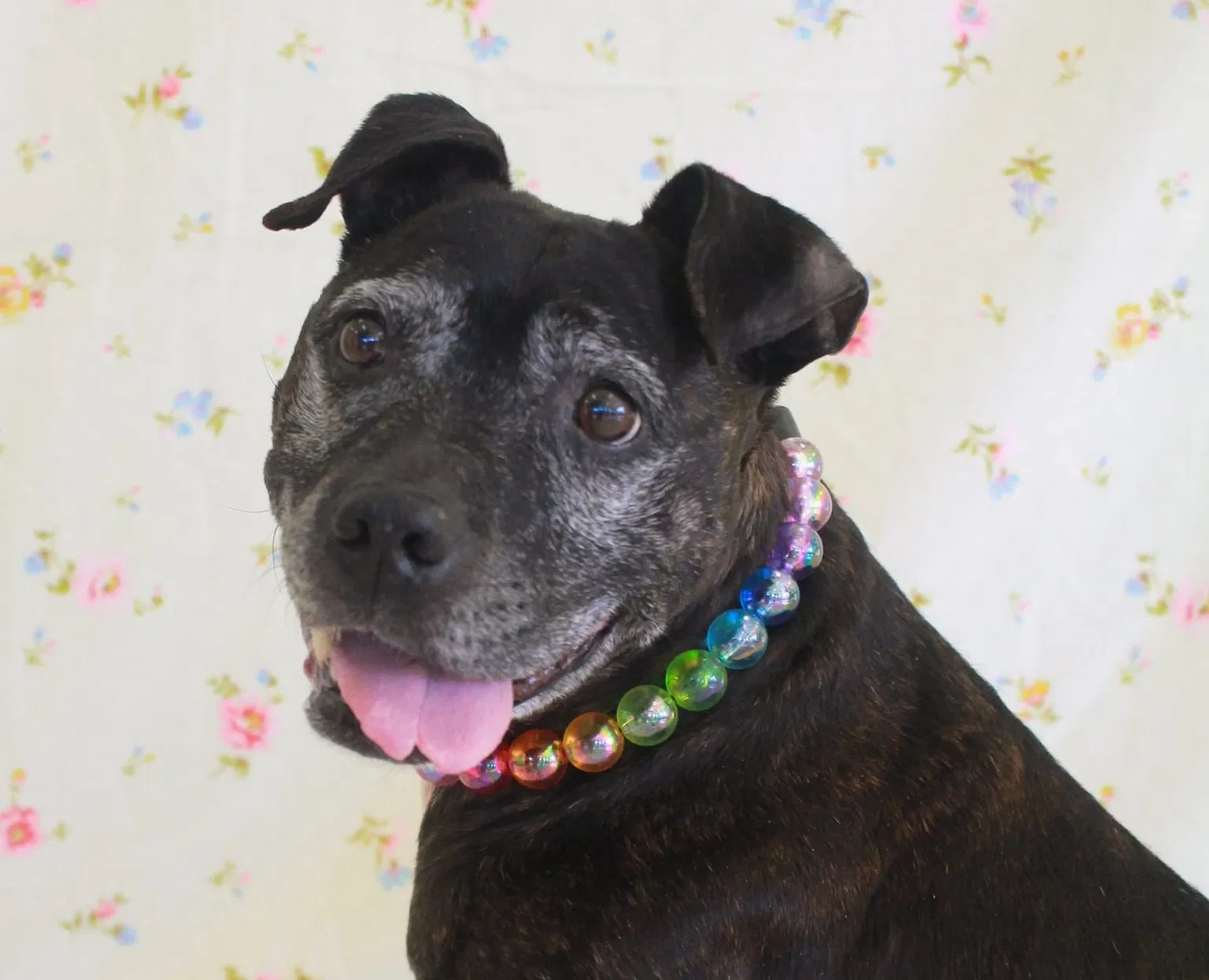
The euthanasia of a 12-year-old pit bull mix named Eve at the Danville Area Humane Society (DAHS) has ignited a firestorm of controversy across Virginia, drawing outrage from animal advocates, conflicting public statements between two humane societies, and a threat from a state senator to shut down the shelter entirely. At the heart of the dispute are questions about communication failures, high euthanasia rates, and whether more could have been done to save a cherished senior dog.
How Eve's Final Days Unfolded: A Tragic Breakdown in Communication
Eve was originally adopted from the Lynchburg Humane Society (LHS) after spending years as a beloved shelter favorite who staff described as a dog who "quietly found her way into the hearts" of everyone she met. In April 2026, due to a family situation unrelated to Eve herself, her owners surrendered her to the Danville Area Humane Society—a decision made, according to the family, only after they were promised she would be placed up for adoption.
The Lynchburg Humane Society says it was never contacted about Eve's surrender, despite the dog being microchipped with information linking back to them. By the time LHS learned Eve had been surrendered to Danville, she had already been euthanized on April 28, 2026. "The needless deaths of pets at DAHS must stop," LHS said in a public statement, calling the shelter's refusal to adopt "modern life-saving sheltering practices" inexcusable.
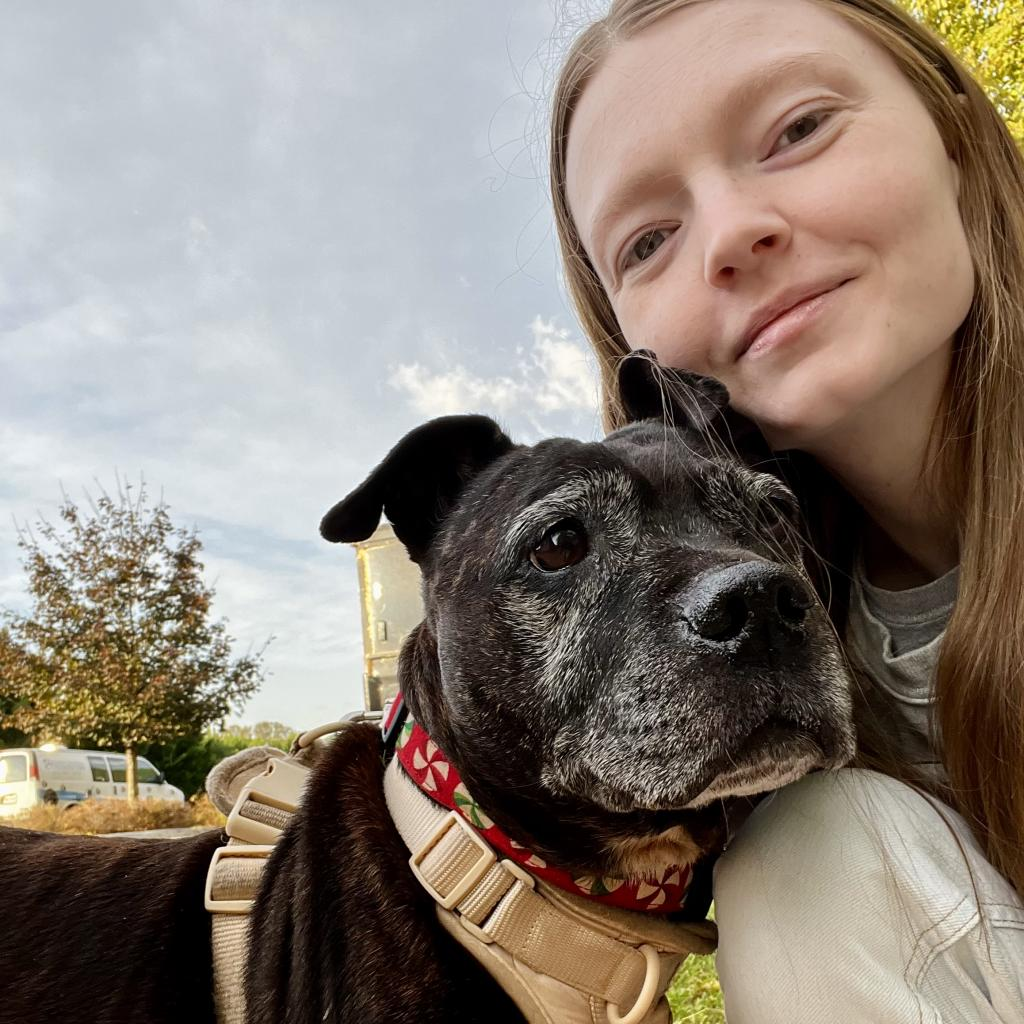
DAHS, however, offered a different account. Shelter officials said they scanned Eve's microchip upon intake on April 10 and contacted the chip company but were initially told the chip had not been registered. The shelter maintains that Eve's photo was posted publicly within hours, featured multiple times on social media, and included in a "Pet of the Week" newspaper advertisement—yet no adoption applications or rescue commitments materialized during her 18-day stay.
According to DAHS, the shelter was running at capacity, facing mounting pressures from dangerous dog cases, neglect investigations, and a continuing influx of stray animals. Eve was placed on a euthanasia list for April 28 after staff concluded no placement options had materialized. Tragically, shortly after Eve was euthanized, a rescue partner contacted the shelter saying they were willing to accept her. The shelter also later discovered that the microchip had been registered through another company connected to LHS—information that came too late.
Timeline: How the Eve Controversy Developed
Prior to 2026: Eve spends years at the Lynchburg Humane Society, becoming a beloved shelter favorite before being adopted into a family.
Early April 2026: Due to a family situation, Eve's owners surrender her to the Danville Area Humane Society, reportedly after being told she would be put up for adoption.
April 10, 2026: DAHS staff intake Eve, scan her microchip, and contact the chip company but are told the chip was not registered.
April 10-28, 2026: DAHS says Eve's photo is shared on social media multiple times and featured in a "Pet of the Week" newspaper ad, but no adoption applications are received.
April 28, 2026: Eve is euthanized. Shortly after, a rescue partner contacts DAHS offering to take her, and the shelter discovers the chip was registered to a company connected to LHS.
Early May 2026: LHS issues a public statement demanding answers. The family of Eve speaks out, saying they were devastated to learn she was euthanized rather than adopted.
May 6, 2026: WSLS reports that LHS is demanding answers, with the story gaining regional attention.
May 8, 2026: Virginia State Sen. Bill Stanley threatens to shut down DAHS, saying "They're out of chances."
May 11-12, 2026: Both shelters issue dueling Facebook statements. DAHS announces procedural changes and increased security measures after receiving threatening messages.
Why Eve's Death Matters: The Bigger Picture Behind the Outcry
The controversy surrounding Eve's euthanasia has become a flashpoint in a much larger conversation about shelter practices, euthanasia rates, and animal welfare accountability in Virginia.
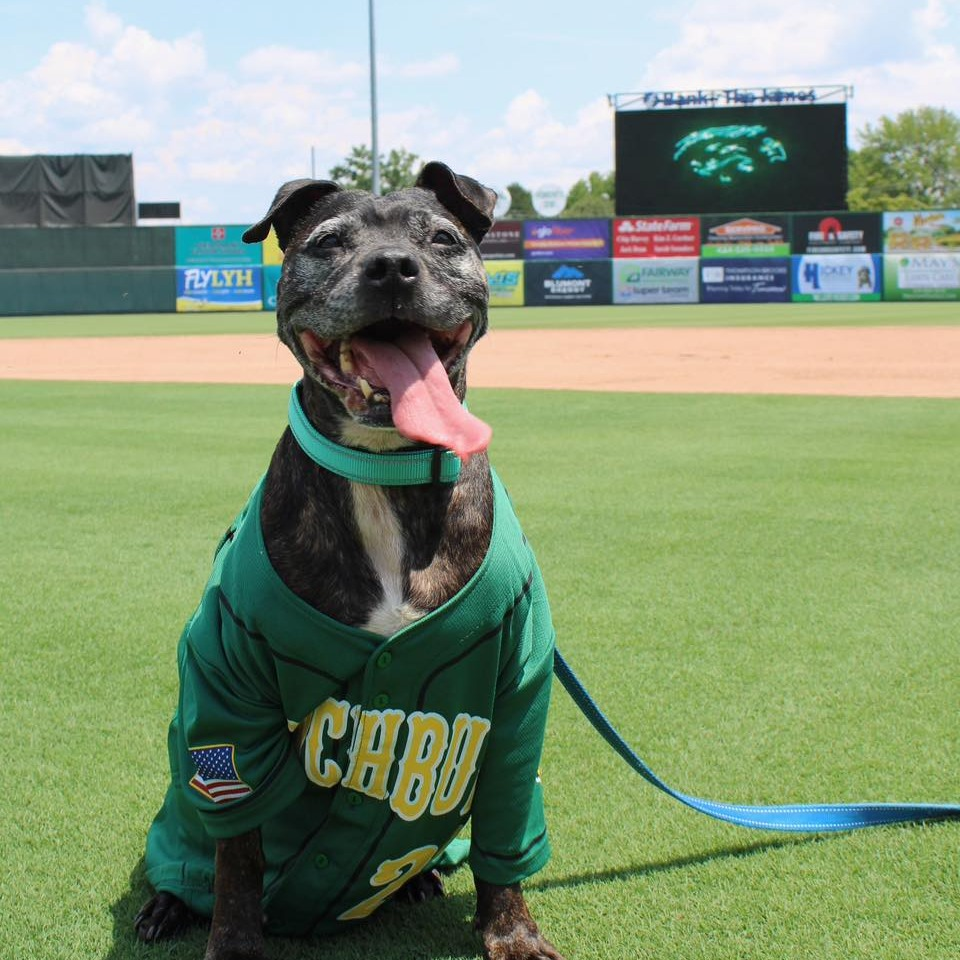
According to data released in January 2026, the euthanasia rate at the Danville shelter declined to 58% in 2025—an improvement from 65% in 2024 and a significant drop from nearly 80% in 2023. However, critics note this still far exceeds Virginia's overall average euthanasia rate of approximately 8.8% for dogs and cats. LHS also points out that DAHS has euthanized more than 9,000 pets over the last four years.
DAHS defends its practices by explaining it operates as an open-admission shelter, meaning it accepts all animals regardless of condition or circumstance, which places significant strain on capacity. But LHS counters that many open-admission shelters nationwide achieve save rates above 90%, arguing that leadership at DAHS has refused to adopt proven life-saving protocols.
State Sen. Bill Stanley, a prominent animal welfare advocate who previously played a key role in the 2022 closure of the Envigo beagle breeding facility, said he will work to shut down DAHS unless dramatic improvements are made. "They're out of chances," Stanley said publicly, calling for what he termed "drastic change" at the facility.
Where Things Stand Now: Latest Developments in the Eve Story
In response to the controversy, DAHS has announced several procedural changes. The shelter is adding a new intake question asking owners where an animal originally came from—a move aimed at preventing similar communication breakdowns in the future. The organization has also implemented increased security measures, including keeping shelter doors locked at all times, after staff received threatening messages amid the public backlash.
DAHS officials have acknowledged that the situation has been devastating for everyone involved. In a public statement, the organization said staff members were "sickened" upon learning that Eve's microchip had been registered through another company connected to LHS, and that a rescue partner had come forward after her death. The shelter emphasized that "animal shelters did not create the animal over-population but are tasked with doing the best they can with an immense, tragic problem."
The family of Eve has spoken out publicly, expressing heartbreak and anger. They say they surrendered Eve to DAHS believing she would be given a chance at adoption and were devastated to discover she had been euthanized instead. The family questioned why more was not done to find Eve a home, arguing that despite her age, someone would have welcomed her.
What Happens Next: The Road Ahead for Danville Area Humane Society
The controversy surrounding Eve's death shows no signs of abating. Sen. Stanley has indicated he and his staff are reviewing records and documents concerning DAHS operations, with the goal of introducing legislation or taking administrative action to force changes at the shelter. Online discussions are already referring to potential "Eve's Law" legislation that would mandate microchip checks and require shelters to contact previous owners or originating shelters before euthanizing a surrendered animal.
Meanwhile, emotions surrounding Eve's story continue to intensify online, with supporters on both sides debating overcrowding, shelter funding, euthanasia practices, and the broader animal overpopulation crisis facing shelters across Virginia. For animal advocates, Eve has become a symbol of what can go wrong when communication fails and systemic issues remain unaddressed.
The Bottom Line: Key Points to Remember
- Eve, a 12-year-old pit bull mix, was euthanized by DAHS on April 28, 2026, after being surrendered by her family who believed she would be adopted.
- The Lynchburg Humane Society says it was never contacted despite Eve being microchipped to them, leading to accusations of negligence.
- DAHS maintains it tried to find Eve a home but received no adoption applications, and says the microchip initially appeared unregistered.
- DAHS's euthanasia rate of 58% in 2025 is dramatically higher than Virginia's average of approximately 8.8%.
- State Sen. Bill Stanley has threatened to shut down the Danville shelter, and procedural changes are already being implemented.
- A rescue partner contacted DAHS shortly after Eve was euthanized, offering to take her—adding another layer of tragedy to the case.