

Bringing home a new puppy is one of life's most exciting moments, but for first-time owners, the reality of puppy parenthood can come as a surprise. Recent research highlighted by National Geographic reveals that many new puppy owners underestimate the time, energy, and financial commitment required, leading to preventable struggles during those crucial first weeks. Whether you're preparing for your first puppy or looking to improve your approach, 2025 brings updated expert guidance on everything from the first 24 hours to long-term training success.
Preparing Your Home: The Foundation for Success
Before your puppy even steps paw into your home, preparation is essential. The PDSA (People's Dispensary for Sick Animals) recommends starting with the basics: choose a designated bed and chill-out area where your puppy can feel safe and have alone time. This space should be respected by all family members as the puppy's personal zone.
Set up a consistent food and water station near their quiet area, and most importantly, establish house rules before arrival. Will the puppy be allowed on the sofa? Are there off-limits rooms? Consistency from day one prevents confusion later. "Imagine how confusing it will be for your puppy if they're sometimes allowed to sit on the sofa but other times not," PDSA vets explain. "Just like for us, it's much harder for your puppy to break a habit than make a new one."
Puppy-proofing your home is non-negotiable. Remove accessible hazards, secure electrical cords, and consider baby gates to restrict access to stairs and certain rooms until your puppy is ready to handle them.
The First 24 Hours: What to Expect
The first day home sets the tone for your entire relationship. When you arrive, take your puppy straight to their designated toilet area, especially after a long car journey. Puppies need frequent bathroom breaks, and immediate positive reinforcement when they go in the right place builds good habits from the start.
Keep introductions slow and calm. Limit your puppy's access to one or two rooms initially, and avoid overwhelming them with visitors for the first few days. "Too much too soon can get them over-excited or stressed," caution the experts at PDSA. Your puppy has just left their mother and littermates, making this a deeply disorienting experience that requires patience and gentle guidance.
Establish a routine immediately. Stick to the puppy's normal feeding schedule from their breeder or rescue center, offer frequent toilet breaks (especially after meals and naps), and keep play sessions short. Puppies need an astonishing 18-20 hours of sleep per day, so don't worry if your new friend seems to nap constantly.
Timeline: The Critical First Weeks
Weeks 8-10: First veterinary visit for initial vaccinations (DHPP), general health check, and deworming. Start crate training and begin gentle handling exercises. Introduce your puppy to their new home environment slowly.
Weeks 10-12: Second DHPP vaccination. Begin puppy socialization classes if available. Introduce basic cues like "sit" and "come" using positive reinforcement. Start short, positive car rides and handling exercises (paws, ears, mouth).
Weeks 12-16: Third DHPP vaccination and first rabies vaccination. The critical socialization window begins to close, making this the most important time for positive exposures. Puppy kindergarten classes are ideal during this period.
Weeks 16-20: Final DHPP booster. Puppy can begin walking in public spaces once fully vaccinated (typically 1-2 weeks after final shots). Continue socialization and introduce more advanced training concepts.
Training Philosophy: Positive Reinforcement in 2025
The dog training world in 2025 has fully embraced force-free, reward-based methods. As Zigzag's 2025 dog trends report highlights, positive reinforcement training remains the gold standard. This means rewarding desired behaviors with treats, praise, or play rather than punishing unwanted ones.
One of the most common mistakes new owners make is assuming their puppy "knows better." As USA Dog Behavior experts note, dogs don't understand right and wrong in human terms — they repeat behaviors that are rewarding. If your puppy jumps up and gets attention (even negative attention like being pushed away), the behavior is being reinforced.
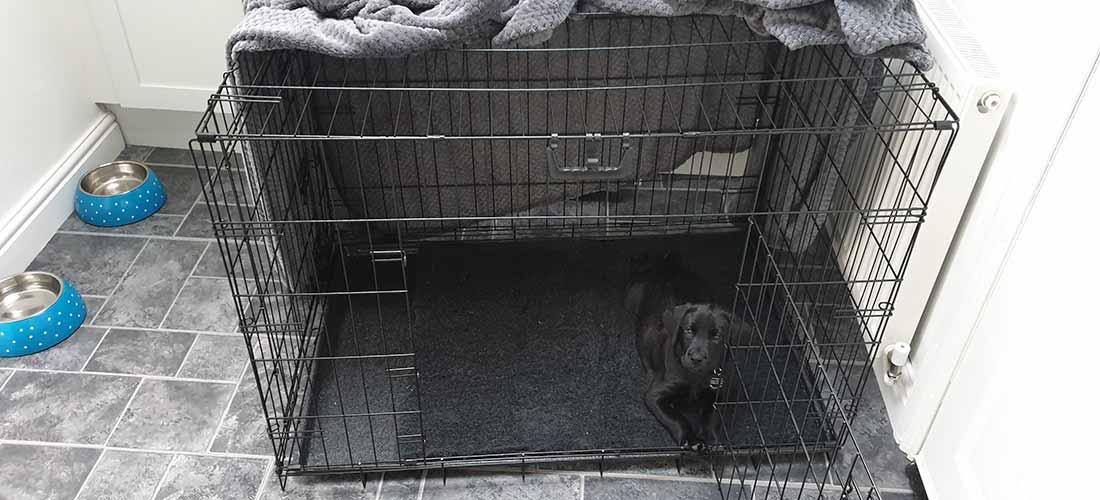
Crate training deserves special attention. When introduced properly, a crate becomes your puppy's safe den, not a prison. Start by making the crate inviting with treats and toys, keeping the door open initially. The AKC recommends preparing for at least six months of crate training, noting that "there will be ups and downs since dogs aren't linear learners."
Socialization: The Window You Can't Afford to Miss
The puppy socialization window — roughly 3 to 16 weeks of age — is the most critical learning period in your dog's life. During this time, puppies are naturally curious and less fearful, making it the ideal opportunity to introduce them to the wide world.
According to AKC experts, socialization isn't just about meeting other dogs. It's about exposing your puppy to different people, surfaces, sounds, sights, and experiences in a controlled, positive way. "Don't force interactions; instead, let your puppy approach new things at their own pace to help build trust and confidence," advises Chewy's comprehensive puppy socialization guide.
Socialization DOs: Introduce one new experience at a time, pair new things with high-value treats, invite calm, vaccinated adult dogs for supervised playdates, expose your puppy to different floor textures, sounds (vacuum cleaners, doorbells), and handling by different people.
Socialization DON'Ts: Force your puppy into scary situations, overwhelm them with too many new things at once, allow negative or frightening experiences (these can create lasting phobias), or skip socialization because your puppy isn't fully vaccinated yet — safe alternatives like puppy classes and carrying your puppy in public places work well.

Health Care: Vaccinations and Veterinary Visits
A proper vaccination schedule is essential for protecting your puppy from preventable diseases. The American Veterinary Medical Association recommends starting vaccinations at 6-8 weeks of age. Core vaccines include DHPP (distemper, hepatitis, parainfluenza, parvovirus) given every 2-4 weeks until 16 weeks, and rabies at 12-16 weeks.
Beyond vaccinations, your veterinarian will perform wellness exams, check for congenital issues, provide deworming treatment, and discuss parasite prevention. PetMD notes that your vet will also assess your puppy's overall development and can answer questions about nutrition, behavior, and growth.
Financially, new owners should budget for these initial veterinary costs. Trupanion's survey of puppy owners found that not budgeting for puppy expenses ranks among the top mistakes new owners make. Beyond vet visits, costs include quality puppy food, crate, bedding, toys, training classes, and pet insurance.
Where Things Stand Now: Current Puppy Care Trends
As of late 2025, several key trends are shaping how we raise puppies. Virtual training consultations have become mainstream, making professional guidance more accessible than ever. There's also growing awareness around puppy mental health and the importance of enrichment activities beyond basic obedience.
Nutrition continues to evolve, with veterinary experts at Borash Veterinary Clinic emphasizing species-appropriate, high-quality diets tailored to your puppy's breed size and growth stage. Large breed puppies, for instance, require specifically formulated food to support controlled growth and prevent joint issues.
Perhaps most importantly, the conversation around puppy ownership has shifted toward honesty about the challenges. As the 3 Lost Dogs blog puts it, the first week is "uncomfortably honest yet reassuring" — acknowledging that puppies are hard work, but that the struggles are temporary and worth it.
What Happens Next: Setting Realistic Expectations
The first few months with a puppy are intense. You'll likely experience sleep deprivation, frustration over potty accidents, and moments of genuine doubt. This is normal. The puppy blues — feelings of anxiety, regret, or overwhelm — are a real phenomenon experienced by many new owners.
Experts advise focusing on small victories. Did your puppy go to the door when they needed out? Celebrate. Did they settle in their crate for 10 minutes without crying? That's progress. Puppy raising is a marathon, not a sprint, and consistency will pay off enormously.

The Bottom Line: Key Points to Remember
- Preparation is everything — puppy-proof your home, gather supplies, and set house rules before your puppy arrives.
- The first 24 hours matter — keep calm, establish a routine, and introduce your puppy to their new home slowly.
- Positive reinforcement works — reward good behavior rather than punishing mistakes; force-free training is the 2025 standard.
- Socialize early and often — the 3-16 week window is critical; use gradual, positive exposures to build a confident adult dog.
- Invest in veterinary care — follow the recommended vaccination schedule and budget for ongoing health expenses.
- Be patient with yourself — puppy raising is challenging, but with consistency and love, you'll build an unbreakable bond with your new best friend.