
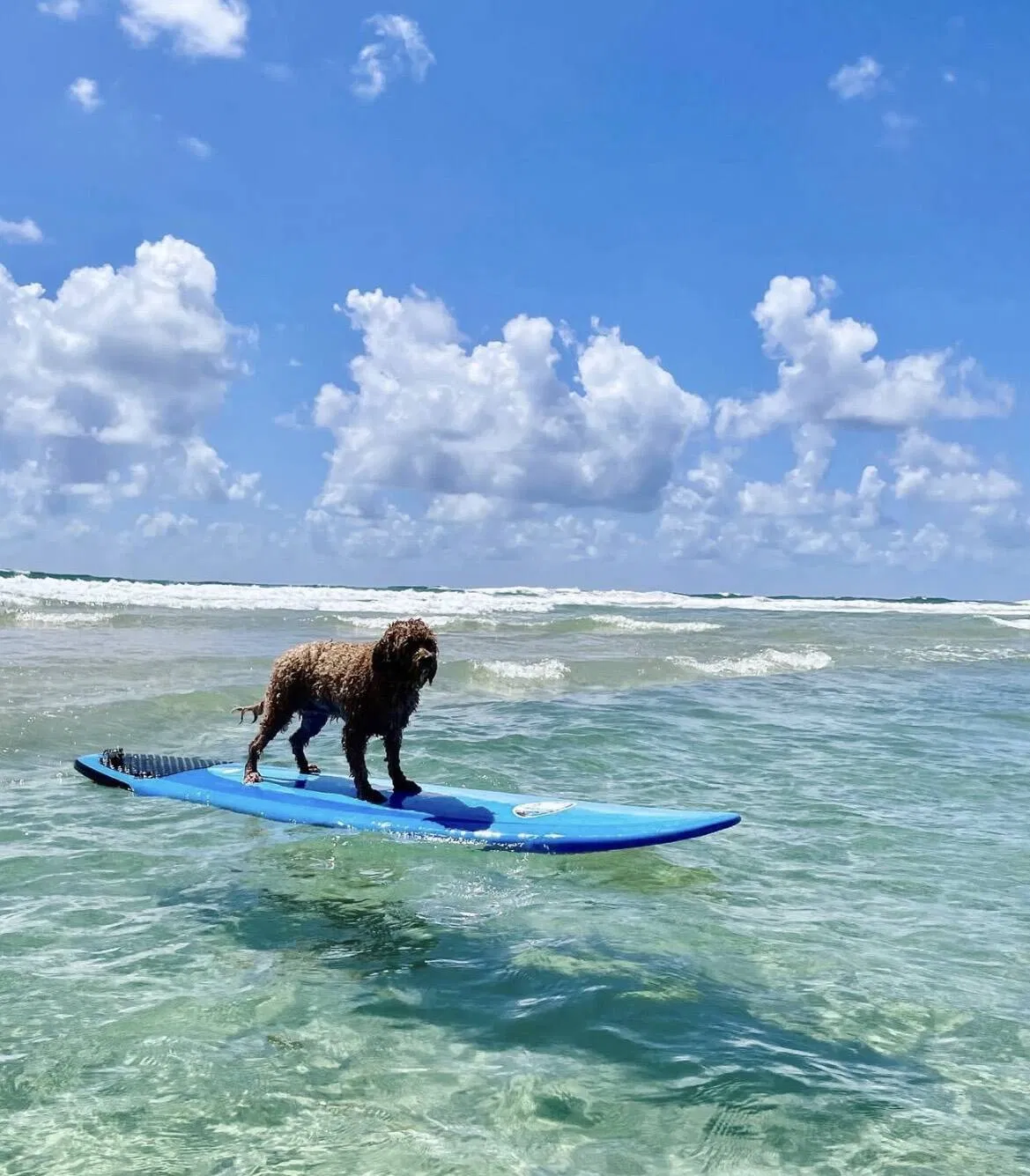
Australia's love affair with the Cavoodle has reached new heights, with the adorable crossbreed officially crowned the nation's most popular dog for 2025. But just as the Cavoodle celebrates its top-dog status, groundbreaking research from the Royal Veterinary College reveals that designer crossbreeds like Cavoodles, Cockapoos, and Labradoodles may come with more behavioral challenges than their purebred counterparts. This surprising dual narrative—soaring popularity paired with emerging concerns—has pet owners and experts alike rethinking what it means to bring home one of these trendy 'doodle' dogs.
According to Pet Insurance Australia's latest data, the Cavoodle has claimed the number one spot across the country, topping breeder waitlists and insurance policies nationwide. Meanwhile, a study published in PLOS One found that these fashionable crossbreeds display significantly more undesirable behaviors than the purebred parents they're derived from. With over 9,400 dogs surveyed, the research provides the most comprehensive look yet at the behavioral profile of designer dogs that have taken the pet world by storm.
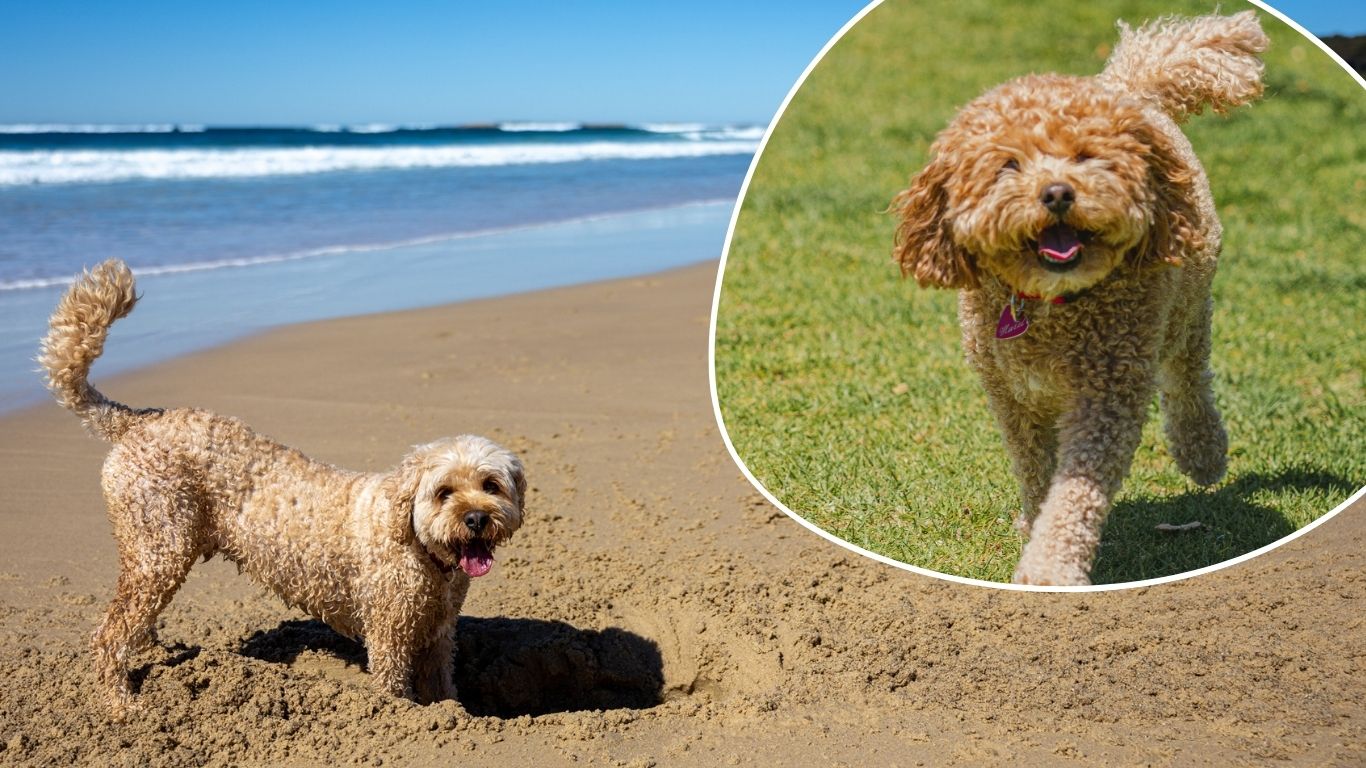
How the Cavoodle Conquered Australia: The Rise of a Designer Dog
The Cavoodle's ascent to Australia's favorite dog breed is no accident. Combining the gentle temperament of the Cavalier King Charles Spaniel with the intelligence and low-shedding coat of the Poodle, this crossbreed has become the ideal urban companion. According to data from Pet Insurance Australia, the Cavoodle now leads the pack in every state, with New South Wales showing particularly strong adoption rates.
Nadia Crighton from Pet Insurance Australia notes, "Australia is a nation of dog lovers, and every year, the list of most popular breeds shifts to reflect trends in pet ownership. From the ever-popular Cavoodle to the growing fascination with doodle breeds, certain preferences stand out across different states." She adds, "The Cavoodle remains Australia's favourite dog, combining the best of the Cavalier King Charles Spaniel and Poodle."
The national top 10 list for 2025 reveals the Cavoodle at number one, followed by French Bulldog, Golden Retriever, Border Collie, Groodle, Miniature Dachshund, German Shepherd, Labrador, Maltese, and Poodle. In NSW, the ranking shifts slightly, with Poodle and Cavalier King Charles Spaniel breaking into the top ten, reflecting regional preferences for hypoallergenic and smaller breeds.
The Behavior Study That's Making Owners Think Twice
While Cavoodles continue to win hearts, a landmark study published in PLOS One presents a more nuanced picture. Researchers from the Royal Veterinary College surveyed 9,402 UK owners of Cavapoos, Cockapoos, and Labradoodles, using the standardized Canine Behavioral Assessment and Research Questionnaire (C-BARQ). The results challenge common assumptions about these designer dogs.
The study found that in over 44% of comparisons, crossbreeds exhibited more undesirable behaviors than their purebred progenitors. These behaviors included excessive barking, separation anxiety, owner-directed aggression, and excitability. Cockapoos scored worst, showing more problems in 16 out of 24 behavioral categories. Cavapoos came next with 11 out of 24, while Labradoodles fared relatively better, scoring worse in only five areas but actually improving in six others.

Andrew Paul, staff writer at Popular Science, summarizes the findings: "Designer crossbreed dogs are increasingly popular pets... But according to a study published today in the journal PLOS One, at least three trendy designer breeds—labradoodles, cavapoos, and cockapoos—display more problematic traits than at least one of their origin breeds." The research indicates that while these dogs are beloved for their appearance and perceived hypoallergenic qualities, potential owners should be prepared for possible behavioral challenges.
Health vs. Hype: What the RVC's Landmark Research Reveals
Beyond behavior, the Royal Veterinary College has conducted the world's largest study into the health of designer crossbreed dogs, surveying the same 9,402 UK owners. The research specifically examined 57 common disorders across Cockapoos, Labradoodles, and Cavapoos compared to their parent breeds.
The results debunk a widespread belief that designer crossbreeds are inherently healthier due to hybrid vigor. In 86.6% of disorder comparisons, there was no significant difference in risk between crossbreeds and purebreds. Where differences did exist, they were almost equally split: crossbreeds had higher risk for 7.0% of disorders and lower risk for 6.4%.
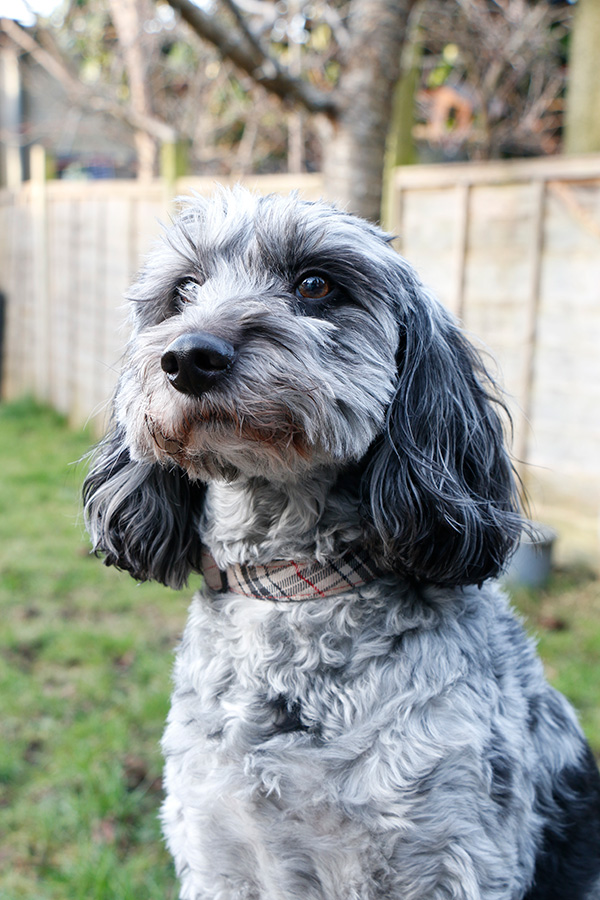
Dr. Dan O'Neill, Associate Professor in Companion Animal Epidemiology at the RVC and co-author of the study, explains: "These findings debunk common public beliefs about the superior health of these designer crossbreed dogs and provide vital information to assist potential dog owners when deciding which type of dog to acquire." The study emphasizes that while designer crossbreeds aren't necessarily less healthy, they're not the health panacea many breeders and owners have assumed.
Timeline: From Pandemic Puppies to Behavioral Breakthroughs
The rise of designer dogs like the Cavoodle follows a clear trajectory. During the COVID-19 pandemic, demand for companion animals surged globally, with many families seeking hypoallergenic, family-friendly breeds. This period saw a dramatic increase in 'doodle' popularity, with breeders struggling to keep up with waitlists.
By 2023, Cockapoos had become more numerous in the UK than either of their parent breeds—Cocker Spaniels and Poodles—with over 653,000 registered. In Australia, Pet Insurance Australia began tracking breed popularity in 2024, with Cavoodles consistently ranking near the top. The September 2025 Animal Medicines Australia survey confirmed the trend, showing Australians increasingly treating pets as family members, leaving TVs on for them and taking time off work for their care.
March 2026 marked a turning point with the publication of the PLOS One behavioral study and the RVC health research, providing the first large-scale scientific assessment of these popular crossbreeds. Within days, major news outlets from the BBC to The Guardian covered the findings, sparking conversations among veterinarians, breeders, and owners worldwide.
Why Australians Keep Choosing Cavoodles Despite the Findings
Even with emerging research about potential behavioral and health considerations, Cavoodles continue to dominate Australian pet preferences. Several factors explain this enduring popularity. First, their low-shedding, hypoallergenic coats make them ideal for allergy sufferers and clean-conscious households. Second, their small to medium size (typically 5-12 kg) suits both apartments and suburban homes.
Perhaps most importantly, Cavoodles are celebrated for their temperament. As The Senior's feature on surfing cavoodle Humphrey illustrates, these dogs are often described as "affectionate, friendly, and cute-as-a-button." Owners like Lisa and Steve Corbett of Byron Bay share stories of their Cavoodles' adaptability and love of adventure, from beach outings to casual surf sessions.
Nadia Crighton observes, "The ongoing trend of designer breeds, particularly those with hypoallergenic coats, has contributed to the popularity of doodles like the Groodle and Labradoodle." This suggests that despite new scientific insights, the practical and emotional benefits of Cavoodles continue to outweigh concerns for many Australian families.
What This Means for Current and Future Dog Owners
For current Cavoodle owners, the new research doesn't necessarily mean cause for alarm. Rather, it provides valuable insights for understanding and addressing potential behavioral issues. Early training, socialization, and consistent routines can mitigate many of the problems identified in the studies.
Prospective owners should approach designer crossbreeds with realistic expectations. While Cavoodles make wonderful companions, they may require more behavioral training than some purebreds. The RVC research also suggests that health considerations shouldn't be overlooked—prospective owners should ask breeders for health clearances and genetic testing, just as they would with any purebred dog.
Veterinarians recommend that anyone considering a Cavoodle or similar crossbreed spend time with the breed beforehand, talk to multiple owners, and consult with a reputable breeder who prioritizes temperament and health over appearance and trends.
The Bottom Line: Key Takeaways for Pet Lovers
The Cavoodle's position as Australia's favorite dog breed reflects deeper trends in pet ownership—the search for hypoallergenic, family-friendly companions that fit modern lifestyles. Simultaneously, groundbreaking research reminds us that all dogs, regardless of pedigree or popularity, come with individual needs and challenges.
Key points to remember:
- Cavoodles are officially Australia's most popular dog breed for 2025, leading insurance and adoption statistics nationwide.
- Designer crossbreeds like Cavoodles may exhibit more behavioral issues than their purebred parents, particularly in areas like excitability and separation anxiety.
- Health-wise, designer crossbreeds are neither significantly better nor worse than purebreds—the "hybrid vigor" advantage appears overstated.
- Informed ownership, including proper training, socialization, and healthcare, remains crucial for any dog, regardless of breed or crossbreed status.
As Australia's pet landscape continues to evolve, the Cavoodle's story offers a compelling case study in how popularity, perception, and science intersect in our relationships with our four-legged friends.