
The news hit the hunting world hard last week: Ernie Dosio, a 75-year-old California vineyard owner and millionaire big-game hunter, was killed during a hunting expedition in Gabon's Lope-Okanda rainforest. Dosio and his party, which included local trackers and a team of hunting dogs, startled a herd of five female elephants and a calf while tracking yellow-backed duiker antelope. The elephants charged, fatally trampling Dosio and seriously wounding his guide.
While the tragedy has dominated headlines globally, it also shines a powerful spotlight on the often-unsung heroes of hunting expeditions around the world: the hunting dogs who work alongside their human counterparts. These remarkable animals—spanning breeds from Labrador Retrievers to German Shorthaired Pointers—lead dual lives as relentless working partners in the field and affectionate companions at home.
The Hounds Behind the Hunt: Man's Best Partner in the Field
In the dense forests of Gabon, where visibility can drop to just a few feet, hunting dogs play an irreplaceable role. As reported by multiple outlets covering the Dosio incident, local trackers and packs of hunting dogs are integral to navigating the challenging terrain of Central Africa's rainforests. These dogs help locate game, alert hunters to hidden dangers, and track wounded animals through thick vegetation.
But the relationship between hunters and their dogs isn't unique to Africa. Across the United States, millions of hunting dogs work alongside their owners in fields, forests, and wetlands—then return home to curl up on the living room couch. The AKC's Sporting Group, which includes pointers, retrievers, setters, and spaniels, comprises breeds specifically developed for this dual role. These dogs possess the unique ability to toggle between high-drive working mode and calm household companion—provided they receive the right training and care.
Timeline: Understanding the Tragic Chain of Events
The sequence of events that led to Dosio's death unfolded rapidly in the dense Gabonese rainforest. On April 17, 2026, Dosio—accompanied by local trackers, hunting dogs, and a professional guide—was pursuing a yellow-backed duiker, a rare antelope species, in the Lope-Okanda UNESCO World Heritage site. The hunting party unexpectedly encountered a small herd of forest elephants: five females and a calf. Startled by the sudden proximity, the elephants charged. Despite the hunting dogs and trackers attempting to divert the animals, Dosio was caught and fatally trampled. His guide sustained serious injuries but survived.
Dosio, who led Pacific AgriLands Inc. and was a member of the Sacramento Safari Club, had reportedly booked the hunt under strict licensed conservation culling regulations. The incident has sparked heated debate about the ethics of trophy hunting, but also underscores the ever-present risks faced by both humans and animals in these environments.
Why Hunting Dogs Matter: Breeds Built for the Field and the Home
The hunting dogs that accompany hunters like Dosio are a far cry from the average household pet. These are animals with generations of specialized breeding behind them. According to the AKC, the Sporting Group includes four basic types: spaniels, pointers, retrievers, and setters. Each type was developed for specific tasks in the field, but today many of these same breeds are among America's most beloved family dogs.
Labrador Retriever: Consistently ranked as America's most popular dog breed, Labs are natural retrievers with a gentle temperament that makes them exceptional with children. They require significant daily exercise—at least an hour of vigorous activity—and thrive on having a job to do.
German Shorthaired Pointer: These energetic, intelligent dogs are the ultimate versatile hunting companion. They hunt everything from upland birds to raccoons. As pets, they need extensive exercise and mental stimulation. Without it, they can become destructive.
English Pointer: Known for their iconic pointing stance, these dogs are sweet-tempered and easy-going indoors—provided their exercise needs are met. They require over two hours of exercise daily and excel in canine sports like agility.
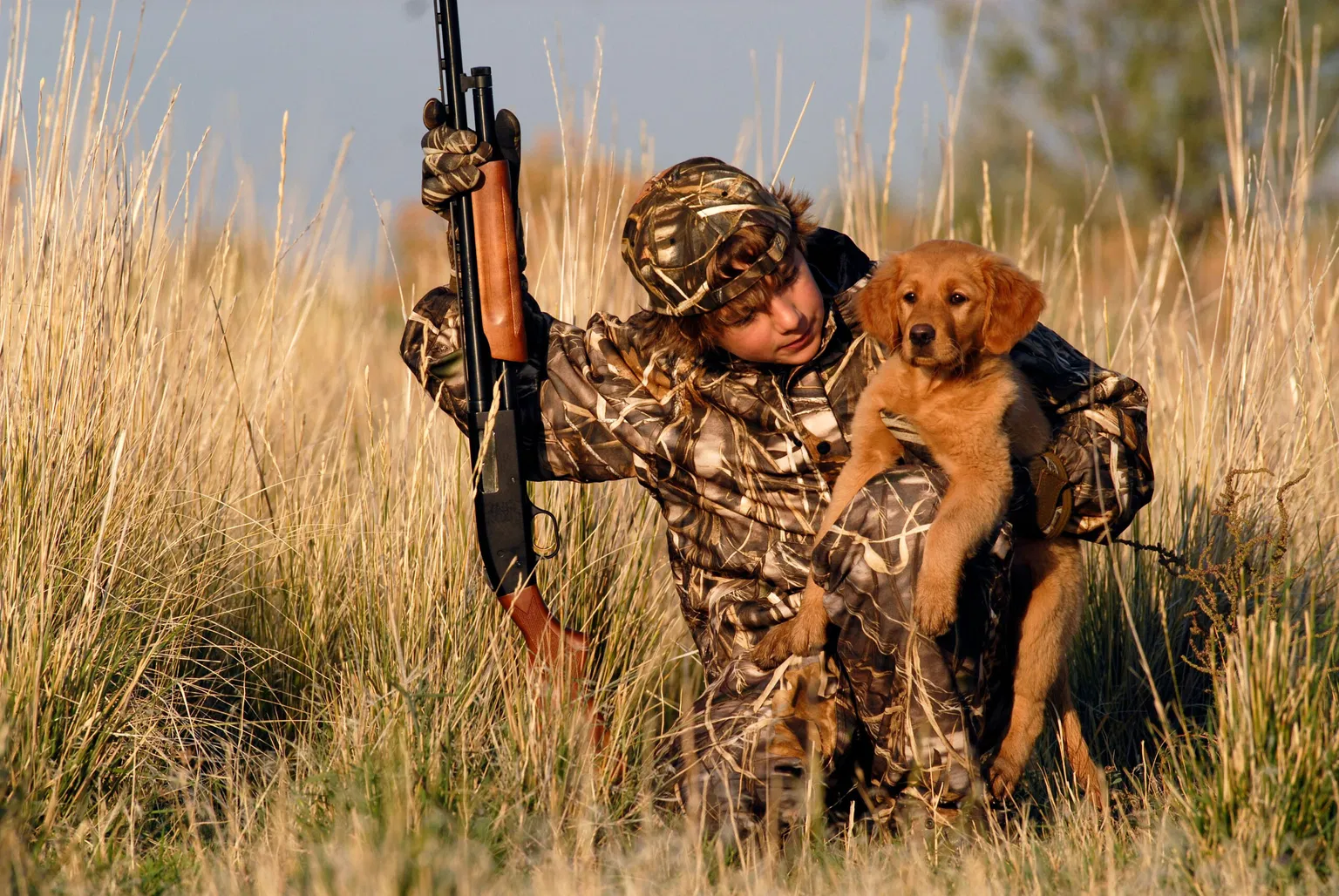
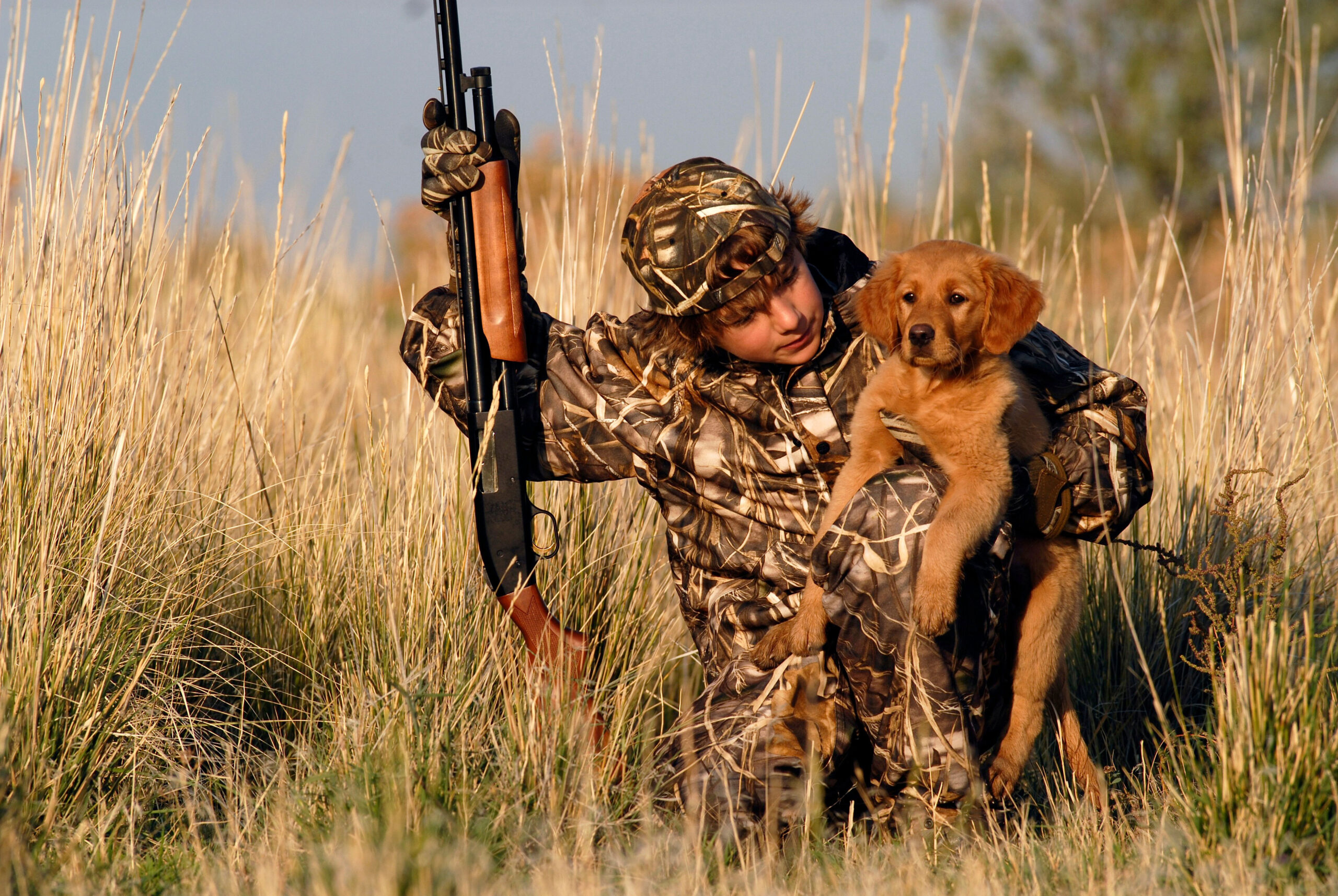
Golden Retriever: The Golden is both a premier hunting retriever and one of the most popular family dogs. Their intelligence, patience, and eagerness to please make them highly trainable for both field work and household life.

Training the Dual-Purpose Dog: From Field to Family Room
Expert dog trainers emphasize that a successful hunting dog requires intensive training that begins in puppyhood. According to resources from North Dakota Game and Fish and VCA Animal Hospitals, preparing a hunting dog involves several critical steps:
Start Early: Basic obedience training should begin at 8 weeks of age. Core commands like sit, stay, come, and heel form the foundation for all future hunting training.
Socialization Is Key: Puppies must be exposed to gunshots, water, different terrains, and other animals from a young age. This prevents fear-based reactions in the field.
Physical Conditioning: Hunting dogs require exceptional stamina. Regular swimming, running, and retrieving exercises build the endurance needed for long days in the field.
Nutrition: The VCA notes that hunting dogs need high-protein, high-fat diets to sustain their energy levels. Many owners switch to performance formulas during hunting season.
Health Maintenance: Beyond standard vaccinations, hunting dogs require rigorous tick and parasite control, as they frequently work in areas where these pests are prevalent.
Where Things Stand Now: The Legacy of a Hunter and His Dogs
Dosio's family has spoken publicly about their shock and grief, telling People magazine: "It's a huge shock. He was a big-time hunter, and it shouldn't have happened." The incident has reignited global discussions about the ethics of big-game hunting, with animal welfare organizations pointing to the inherent dangers of pursuing wild animals in their natural habitats.
Meanwhile, the hunting dogs that accompanied Dosio's expedition survived the encounter. Their role in such expeditions—tracking game through some of the world's most dangerous terrain—highlights the remarkable capabilities of these specially bred canines. Across the Atlantic, the conversation has also turned to the safety protocols for both human and canine members of hunting parties.
What Happens Next: The Future of Hunting Dogs as Family Pets
As interest in hunting dogs continues to grow, more pet owners are discovering that breeds traditionally used for hunting can make exceptional family companions. The key is understanding their needs: extensive daily exercise, mental stimulation through training and games, and a clear job or purpose.
For families considering a hunting breed as a pet, experts recommend researching the specific needs of each breed. Pointers need wide-open spaces to run, retrievers need regular swimming opportunities, and spaniels thrive on interactive play. When these needs are met, hunting dogs often become the most loyal, well-adjusted, and loving family pets imaginable.
Key Takeaways
- Ernie Dosio's tragic death in Gabon highlights both the dangers of big-game hunting and the irreplaceable role of hunting dogs in tracking expeditions
- Popular hunting breeds like Labrador Retrievers, German Shorthaired Pointers, and Golden Retrievers successfully transition between working in the field and living as family pets
- Hunting dogs require early training, extensive exercise (2+ hours daily), high-protein diets, and regular veterinary care to thrive in both roles
- With proper care and training, hunting dog breeds make exceptional family companions, bringing loyalty, intelligence, and energy to their homes