
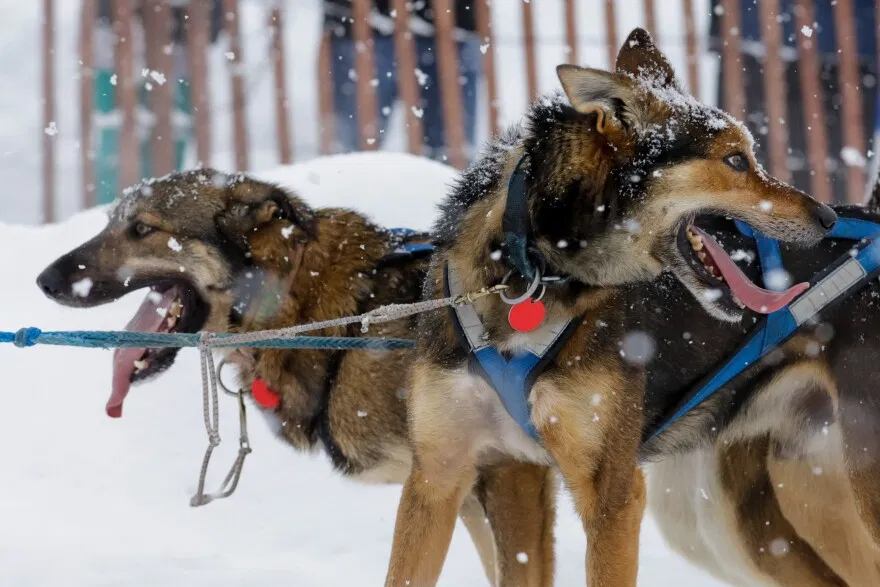
The 2026 Iditarod Trail Sled Dog Race kicked off Saturday, March 7, with thousands packing downtown Anchorage for the ceremonial start, but this year's race is unfolding amid unprecedented controversies, record-low participation, and heightened focus on animal welfare. As 37 mushers and their dog teams embark on the 1,000-mile journey to Nome, the event faces simultaneous celebration and scrutiny, balancing tradition with modern ethical concerns about sled dog care.
How the 2026 Iditarod Unfolded: A Race Like No Other
This year's Iditarod features the second-smallest field in race history with just 37 mushers (23 veterans and 14 rookies), continuing a troubling decline from the 85 teams that competed a decade ago. Only 34 teams are actually competing to win, while three participants are part of the controversial new "Expedition Class" that allows outside assistance prohibited for other mushers. The class includes Norwegian billionaire Kjell Røkke, Canadian entrepreneur Steve Curtis, and 2020 champion Thomas Waerner.
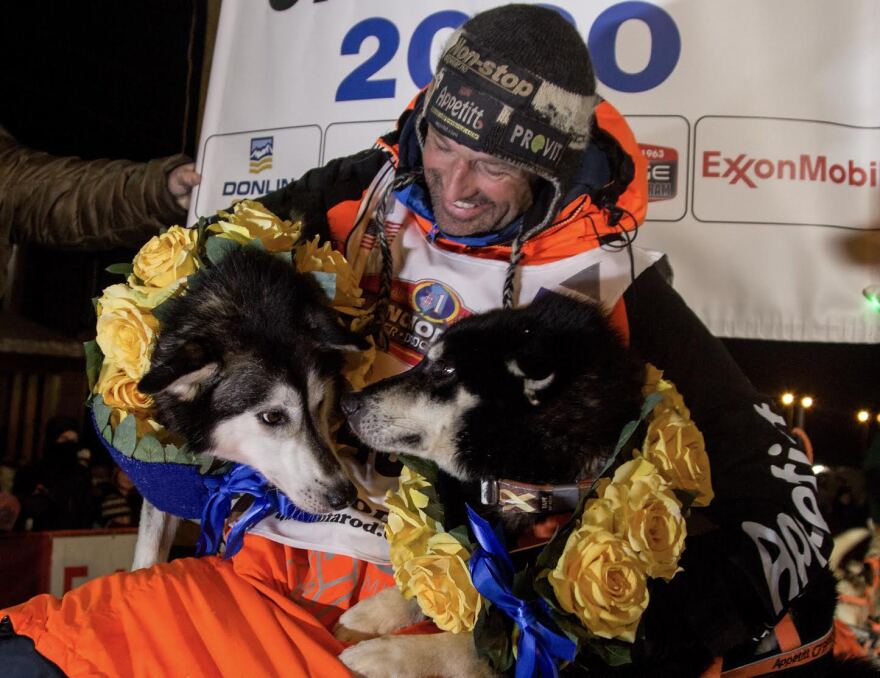
Røkke has already contributed over $300,000 to lower entry fees, boost the race purse to at least $650,000 (up $100,000 from last year), and fund pediatric dental care for rural Alaska communities. His participation, along with Curtis's, has drawn mixed reactions from traditional mushers who see it as changing the race's fundamental character. Meanwhile, defending champion Jessie Holmes seeks to become one of the few mushers to win consecutive Iditarods, while six-time champion Dallas Seavey is notably absent from this year's competition.
Timeline: Key Moments Leading to the 2026 Start
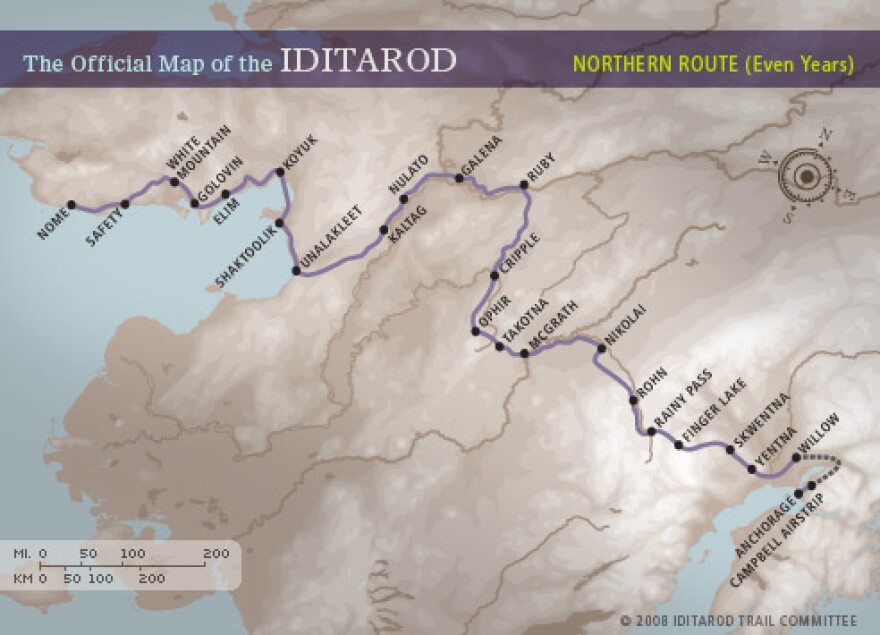
The road to the 2026 Iditarod has been marked by significant developments over the past year. In June 2025, Røkke was announced as the first Expedition Class musher, followed by Curtis's surprise addition in March 2026. Three veteran mushers—Josh McNeal, Connor McMahon, and Nicolas Petit—withdrew in February due to injuries, while perennial contenders like Matthew Failor and the Berington sisters also opted out. The race returns to its traditional northern route out of Willow after last year's Fairbanks start necessitated by low snow conditions, a decision race director Mark Nordman described as "almost breaking me" due to logistical challenges.
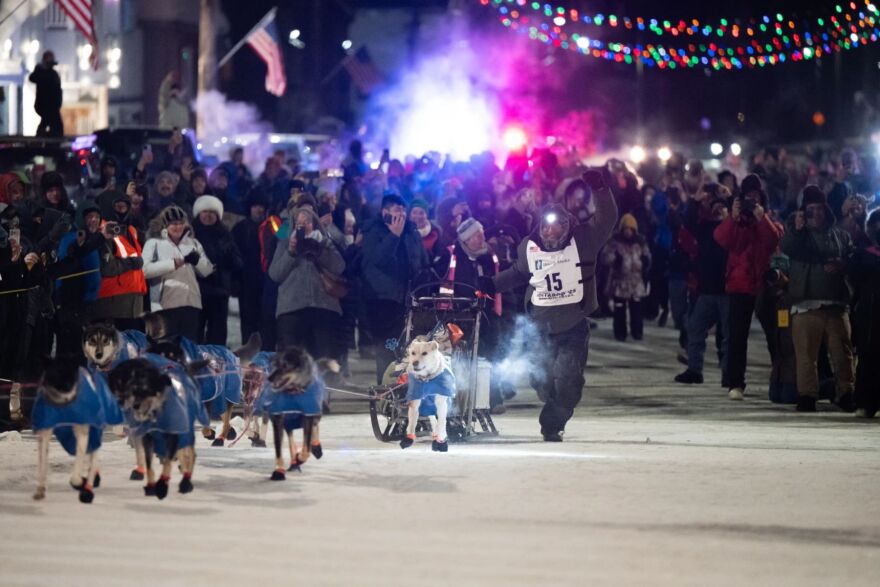
The ceremonial start honored Mary Shields, the first woman to finish the Iditarod, who passed away in 2025. Her sled was driven by four-time Jr. Iditarod champion Emily Robinson, followed by her 14-year-old brother Stanley Robinson, who recently won the 2026 Jr. Iditarod. Following Saturday's 11-mile parade through Anchorage, the competitive race officially began with a restart at 2 p.m. Sunday on Willow Lake, where teams embarked on the full 1,000-mile trail to Nome.
Animal Welfare in Focus: PETA Protests and Veterinary Care
As the race began, animal rights activists intensified their decades-long campaign against the Iditarod. PETA supporters dressed as Grim Reapers carrying scythes demonstrated at the mushers' banquet, with the organization declaring that "the Iditarod's death toll will continue to climb until this race is canceled." The protest highlighted ongoing concerns about dog deaths and injuries during the grueling race, with PETA claiming more than 100 dogs have died in Iditarod history.

Meanwhile, race organizers emphasize their commitment to dog health and safety. Each musher carries a veterinarian notebook signed at every checkpoint after thorough team assessments. Mandatory gear includes cold-weather sleeping bags, axes, dog booties, cooking supplies, and jackets for each dog. A Loudoun County, Virginia veterinarian, Erika Friedrich, is leading dog health care operations this year, representing the race's ongoing efforts to prioritize canine welfare. "During the race, well over 10,000 routine checkpoint veterinary examinations take place," according to Iditarod officials.
Current Standings and Race Progress
As teams progress along the northern route, early standings show competitive racing among veteran mushers. Defending champion Jessie Holmes is among the favorites, along with past winners Ryan Redington and Pete Kaiser. The Expedition Class participants are being supported by veteran mushers on snowmachines, including four-time champion Jeff King, three-time competitor Jessica Klejka, and 2018 finisher Andy Pohl. While they won't compete for the traditional victory, their progress is being closely watched as a potential model for future participation.
Mushers face varying trail conditions as they move through checkpoints like Skwentna, Finger Lake, and Rainy Pass before reaching the Alaska Range. The race's return to the northern route after last year's Fairbanks detour has been welcomed by competitors, with Holmes noting that "it's kind of a foolish thing to say that it's going to be easy, but let's say it's going to be easier, mentally, just to know that we don't have to go extra miles."
What's Next for the Iditarod and Sled Dog Sports
The 2026 Iditarod represents a potential turning point for the historic race. The introduction of the Expedition Class and billionaire participation could signal a new funding model for the financially struggling event, while also raising questions about preserving the race's traditional character. Animal welfare concerns continue to mount, with increasing pressure from activists and some sponsors withdrawing support. Meanwhile, the declining number of competitive mushers highlights ongoing challenges in sustaining the sport's participant base.
For sled dogs themselves, advancements in veterinary care and increased scrutiny of treatment standards represent both progress and ongoing debate. The Iditarod's future may depend on balancing its historic traditions with evolving expectations about animal welfare and participant diversity. As Holmes reflects on his connection to the race: "I'm very driven to be able to have the opportunity to do something so special with my life that brings others joy, to see my success. I don't want to ever take that for granted."
Key Takeaways for Pet Owners
Beyond the race itself, the 2026 Iditarod offers important insights for all dog owners:
- Extreme weather preparedness: Iditarod dogs wear custom jackets and booties, reminding owners to protect pets in harsh conditions
- Regular health monitoring: The race's checkpoint veterinary system emphasizes the importance of consistent health checks
- Breed-specific considerations: Sled dogs represent specialized breeds with unique needs that differ from household pets
- Ethical participation: The controversy highlights ongoing discussions about animals in sports and entertainment
- Financial realities: The high cost of maintaining competitive dog teams ($300,000+ annually for some kennels) underscores the economics of specialized pet care
As the 2026 Iditarod continues toward Nome, where the first finishers are expected in approximately eight days, the race remains both a celebration of Alaska's heritage and a flashpoint for larger conversations about animal welfare, sporting traditions, and the evolving relationship between humans and their canine companions.