
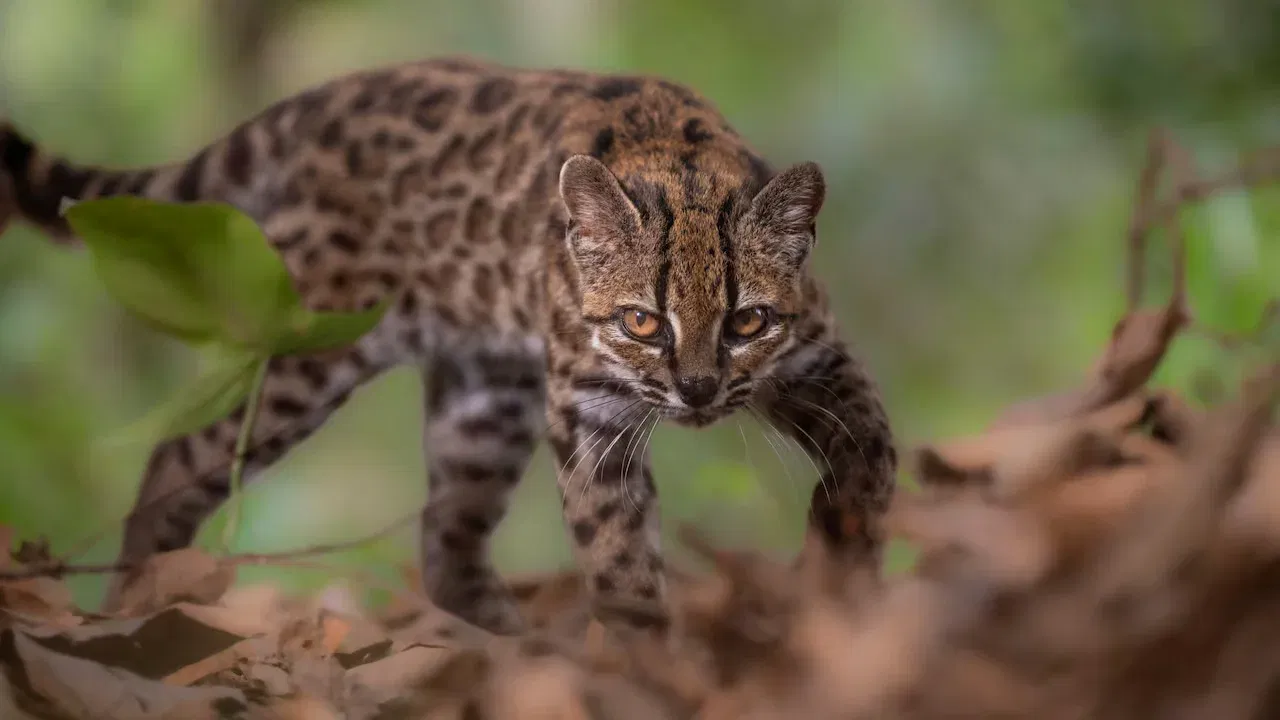
Scientists have identified a new cat species for the first time in more than a century, and it is a tiny one. The tilcayo tiger cat (Leopardus tilcayo), a roughly three-pound wildcat covered in leopard-like rosettes, was formally named and described in September 2026 after genetic testing confirmed it is distinct from every other cat in the Americas. Found only in the misty cloud forests of Bolivia's Yungas region, this so-called "mini leopard" is the first living feline species recognized by science since 1923. The discovery, published in the journal Current Biology, also revealed that the small spotted cats known as tiger cats are not one or two species but five — a milestone that reshapes how we understand one of the world's most elusive felines.
Meet the Tilcayo Tiger Cat, a "Mini Leopard" of the Cloud Forest
The tilcayo is a local name for a pint-sized predator that weighs no more than about three pounds (roughly 1.5 kilograms) and measures around 18 inches long. Its spotted, rosette-patterned coat is what earned it comparisons to a miniature leopard, and its home is Bolivia's Yungas, a rugged band of humid mountain forest that clings to the eastern slopes of the Andes.
Tiger cats are a group of small, spotted wildcats that roam forests and grasslands from Central America down through the Andes and into Brazil. For decades, scientists lumped them together under a single name. That began to change in 2013, when the group was split into the northern tiger cat (Leopardus tigrinus) and the southern tiger cat (Leopardus guttulus). A 2024 study added a third species, the clouded tiger cat (Leopardus pardinoides) of high-altitude cloud forests. The new work goes further still, revealing five distinct species in total.
The discovery was led by Paola Nogales Ascarrunz, a National Geographic explorer, working with an international team that included co-author Lescroart and senior author Eduardo Eizirik, an evolutionary biologist at the Pontifical Catholic University of Rio Grande do Sul in Brazil.
What triggered the investigation was a simple mismatch. "Observing the Bolivian cat drew interest because its characteristics did not match the descriptions, most of them based on Brazilian cats," Nogales Ascarrunz said. "This made us wonder: What tiger cat do we actually have in Bolivia?"
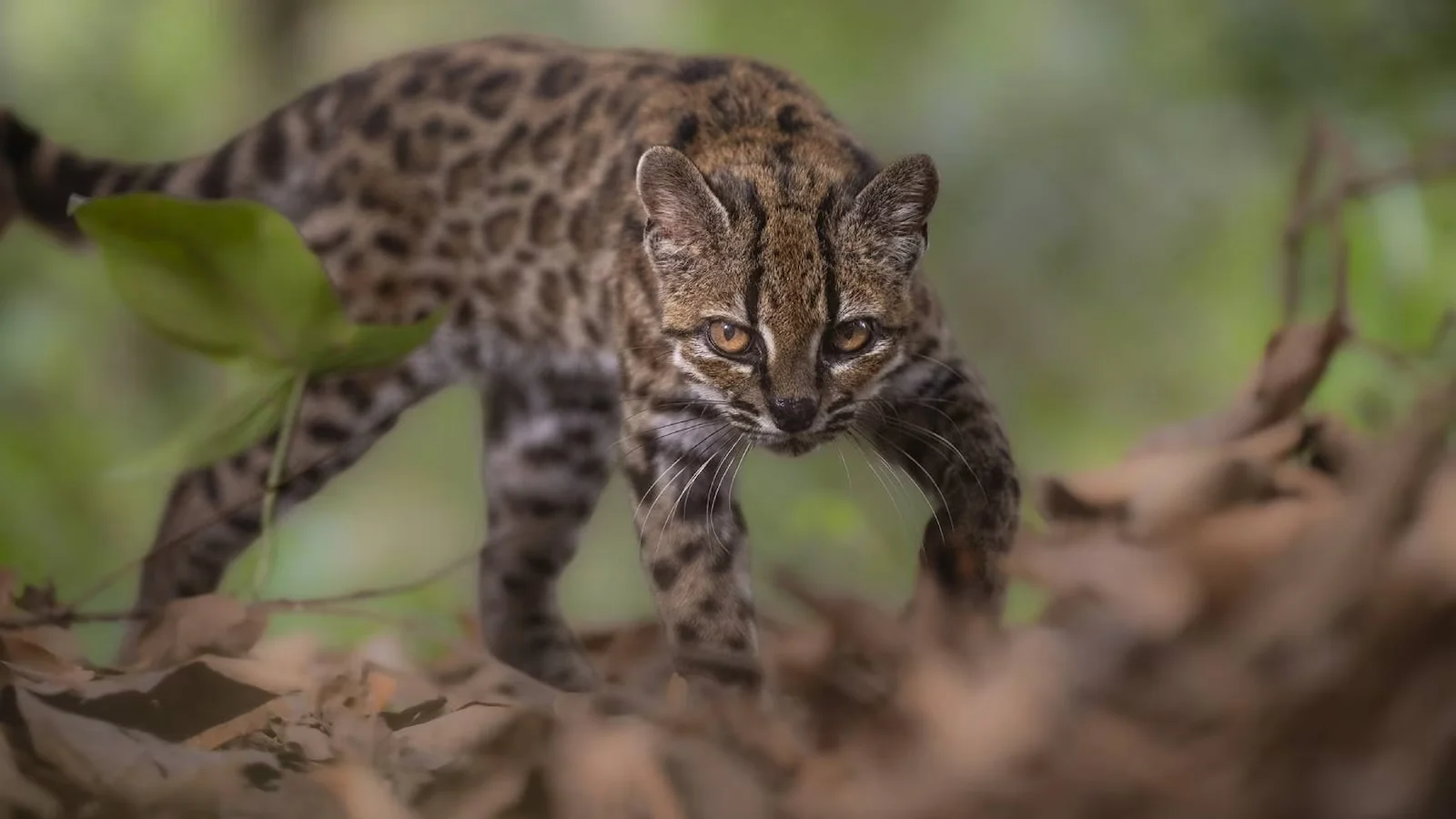
The answer surprised even the people who study cats for a living. "We never expected this Bolivian tiger cat to be a separate species, and no one had ever proposed it as a different animal — subspecies or otherwise," Lescroart said.
From Family Pet to Scientific Breakthrough
The road to recognition began, in part, with a house pet. According to ABC News, the leopard-spotted "kitten" that would eventually be recognized as the tilcayo was initially kept as a family pet before researchers realized exactly what it was.
To settle the question, the team analyzed DNA from 38 cats sampled across several South American countries, including eight museum specimens — a technique called "museomics" that lets scientists pull genetic material from historical collections. The results were unambiguous: tiger cats, long treated as a single species (and, after a 2013 revision, as two), are in fact five genetically distinct species.
The tilcayo lineage, the analysis showed, split from its tiger cat relatives roughly 1.4 million years ago. "The more differences in their DNA, the longer the time that we estimate those lineages to have been physically separated," Lescroart said, adding that such a gap is generally considered a species-level divide in cats.
Alongside the new species, the team also described a new subspecies in Peru's Yungas — Leopardus tigrinus antisuyo — named after Antisuyu, the region of the old Inca Empire that included the area it inhabits.
Why the Tilcayo Matters for Cat Conservation
Beyond the thrill of a "new" cat, the finding carries real stakes for conservation. The International Union for Conservation of Nature (IUCN), which tracks species' status worldwide, currently treats tiger cats as two "vulnerable" species with declining populations.
The researchers have shared their findings with the IUCN, whose upcoming review will assess the five lineages separately. That could paint a far more accurate picture of risk — and the tilcayo, when evaluated on its own, could potentially be classified as endangered, Lescroart said.
The urgency is especially acute in the Yungas, one of the region's most threatened ecosystems. The mountain forests face growing pressure from deforestation, agricultural expansion, human-caused fires and mining, according to Nogales Ascarrunz. She said restoring forest patches damaged by fires, protecting remaining native forest and maintaining habitat connections are urgent priorities.
Small wild cats are among the least studied of the world's felines, and their resemblance to one another — combined with their secretive, largely nocturnal habits — has long masked their true diversity. The tilcayo's story shows how modern genetics, paired with old museum collections, can crack open that hidden diversity.
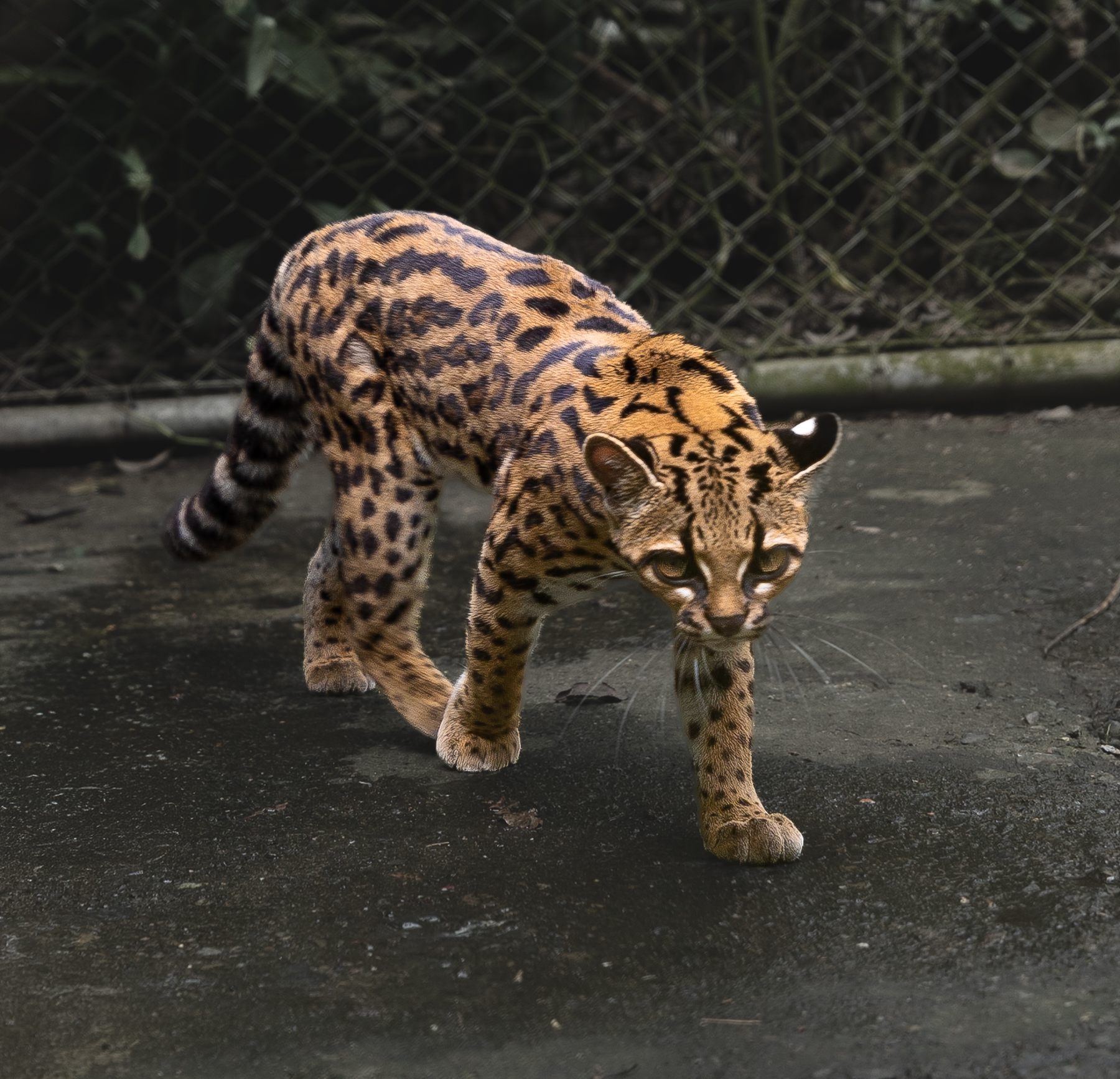
For Eizirik, the discovery carries a broader message. "Showing the general public that even in a flagship group such as cats … there are still new species to be discovered may transmit an important message," he said. "There are many undiscovered species out there in the world, and they are at risk of disappearing before we even discover them."
Where Things Stand Now
As of September 2026, the tilcayo has been formally described and entered into the scientific record, and the study has been shared with conservation authorities. The IUCN's forthcoming review will determine whether the five tiger cat lineages receive separate status classifications — a decision that could unlock targeted protections for the Bolivian cloud-forest cat.
The tilcayo's known range is limited to Bolivia's Yungas, and its populations, like those of its tiger cat relatives, are believed to be declining under mounting habitat pressure.
What Happens Next for the Tilcayo Tiger Cat
In the coming months, conservationists will watch the IUCN review closely. If the tilcayo is recognized as endangered, it could spur funding and legal protections for its shrinking cloud-forest home. Researchers also hope the finding will fuel further surveys of the Yungas, where the newly named cat's full range and population size remain uncertain.
For now, the tilcayo stands as a reminder that even among the world's most beloved and well-studied animals — cats — there are still secrets hiding in the fog.
The Bottom Line: Key Points to Remember
- The tilcayo tiger cat (Leopardus tilcayo) is the first new living cat species formally named in more than a century.
- It is a tiny "mini leopard," weighing about three pounds, found only in Bolivia's Yungas cloud forest.
- DNA from 38 cats, including eight museum specimens, revealed tiger cats are actually five distinct species.
- The tilcayo lineage split from other tiger cats about 1.4 million years ago.
- The discovery could lead to an "endangered" listing and stronger protections for the threatened Yungas ecosystem.