
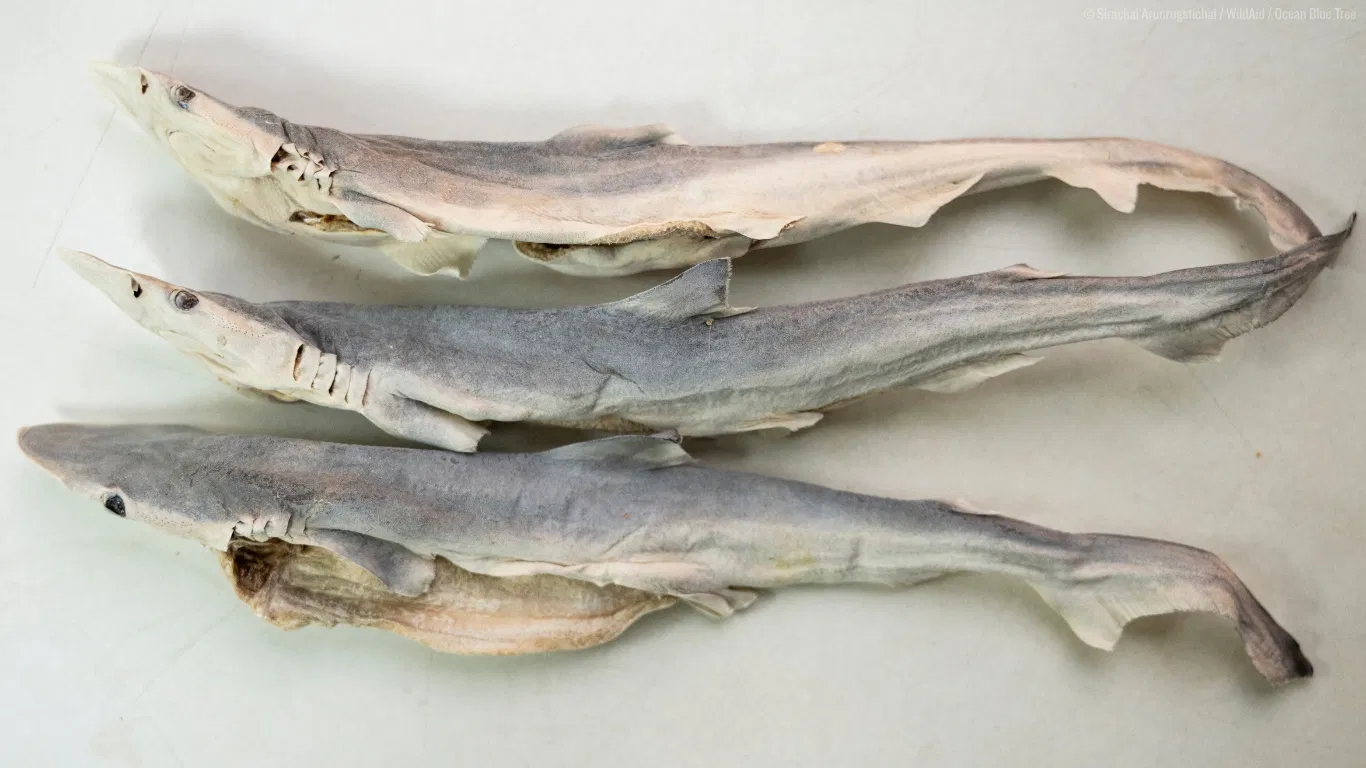
A new toxicology study conducted in Thailand has revealed alarming findings about shark-based pet treats, with half of whole dried shark samples tested containing unsafe levels of arsenic. The research, published in November 2025, raises significant health concerns for pets as shark-based snacks grow in popularity across Asian markets and beyond. According to the study, these pet dental treats—often marketed for joint support and dental care—may pose unexpected risks to companion animals.
How the Arsenic Discovery Unfolded: Inside the Thailand Study
The research was conducted by a collaborative team from King Mongkut's Institute of Technology Ladkrabang (KMITL), WildAid, and Ocean Blue Tree. Scientists analyzed whole dried shark products sold specifically as pet treats in Thailand's rapidly growing pet market. Using advanced toxicology methods, they found that 50% of the samples exceeded safe arsenic thresholds established for animal consumption.
"This is particularly concerning because these products are marketed as healthy treats for pets," said one researcher involved in the study. "Pet owners are unknowingly exposing their animals to potential heavy metal toxicity." The study represents the first comprehensive analysis of arsenic levels in shark-based pet products, filling a critical gap in pet food safety research.
Timeline: How Shark-Based Pet Snacks Became a Growing Trend
The rise of shark-based pet treats follows a clear trajectory over the past several years. According to market data from Petfoodindustry.com, the number of online shark-based pet snack vendors in Thailand grew from 122 in early 2024 to 149 by mid-2025—a 22% increase in just over a year. Sales volume similarly expanded as these products gained popularity among pet owners seeking "natural" and "wild-caught" alternatives.
The trend emerged around 2020 as pet humanization increased across Asia, particularly in Thailand where the pet market has been growing at double-digit rates. Shark cartilage and whole-dried shark products were promoted for their purported health benefits, including joint support and dental cleaning properties, despite limited scientific evidence supporting these claims.
Why This Matters: Expert Analysis and Conservation Impact
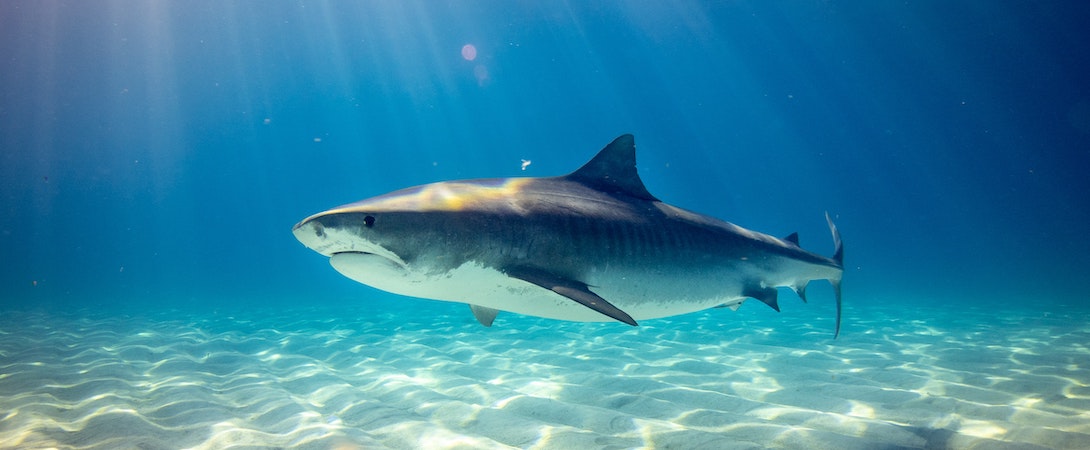
The implications of these findings extend beyond pet health to critical conservation concerns. A separate study published in Biological Conservation in 2026 revealed that DNA barcoding of shark-based pet treats identified eight different shark species, many of which are classified as near threatened or vulnerable. This suggests that the growing pet treat market may be contributing to pressure on already vulnerable shark populations.
"What makes this particularly troubling is the double impact," explains marine conservation specialist Dr. Petch Manopawitr. "Not only are pets potentially being exposed to harmful toxins, but the demand for these products may be driving unsustainable fishing practices that threaten shark populations already facing significant pressures from overfishing and habitat loss."
The Bigger Picture: Endangered Sharks in Conventional Pet Food
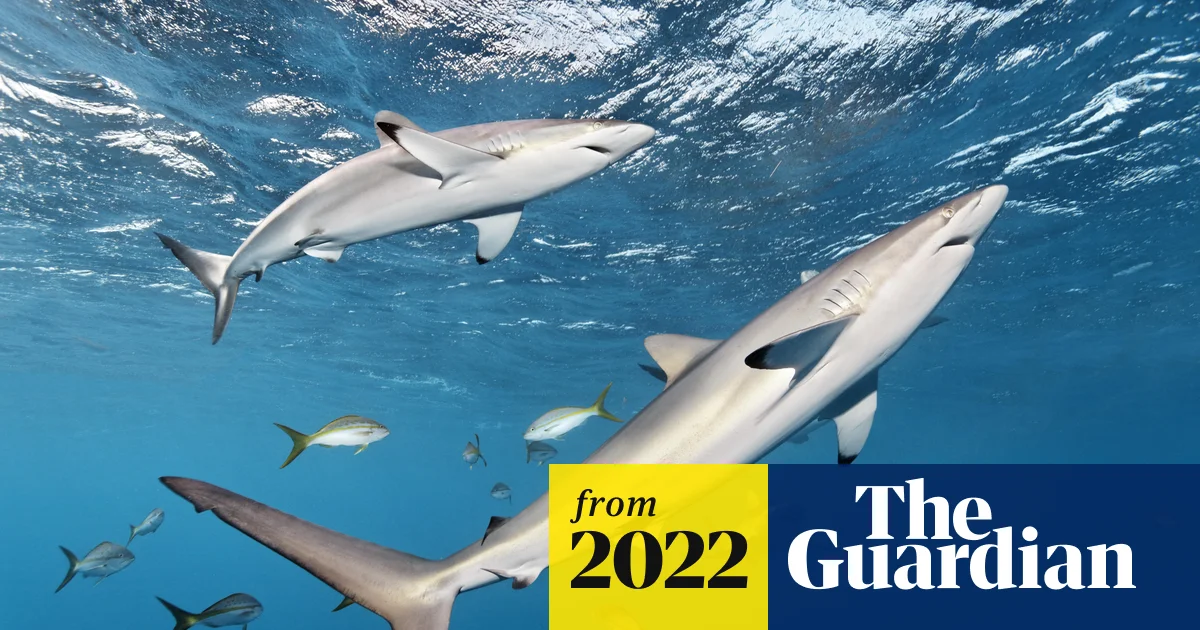
This isn't the first time sharks have been found in unexpected places in the pet food supply chain. A 2022 study published in Frontiers in Marine Science used DNA barcoding to analyze pet food products sold in Singapore and found that 31% of samples contained shark DNA. Even more concerning, many of these products contained DNA from threatened shark species, including the silky shark and the blue shark, both listed as vulnerable by the International Union for Conservation of Nature (IUCN).
"The labeling of these ingredients as 'ocean fish' or 'white fish' means pet owners are completely unaware they're feeding their animals endangered species," noted Hannah Devlin, science correspondent for The Guardian, in her coverage of the 2022 findings. This practice of ambiguous labeling continues to obscure the true contents of many pet food products.
Where Things Stand Now: Regulatory Landscape and Market Response
Currently, regulations governing shark products in pet food vary widely by region. In Thailand, where much of the shark-based pet treat market is concentrated, there are no specific regulations addressing heavy metal contamination in pet snacks. However, the recent study findings have prompted calls for stricter oversight from both conservation organizations and veterinary associations.
Several major pet food retailers in Southeast Asia have begun reviewing their product lines in response to the research. "We're taking these findings very seriously and are conducting our own testing," said a representative from a regional pet store chain. Meanwhile, wildlife organizations like WildAid are launching consumer awareness campaigns to educate pet owners about the potential risks associated with shark-based products.
What Happens Next: The Road Ahead for Pet Treat Safety
Looking forward, several developments are likely to shape the future of shark-based pet products. First, increased scientific scrutiny is expected as more researchers turn their attention to this previously overlooked area of pet food safety. Second, regulatory bodies may begin establishing specific limits for heavy metals in pet treats, similar to those that exist for human food products.
Third, consumer awareness campaigns led by conservation groups could significantly impact market demand. "When pet owners understand both the health risks to their animals and the conservation implications, they tend to make different choices," says a WildAid spokesperson. Finally, the pet food industry may respond by developing clearer labeling standards and seeking alternative ingredients that don't carry the same risks.
The Bottom Line: Key Points for Pet Owners
For pet owners concerned about these findings, several key takeaways emerge from the research:
- Read labels carefully: Look beyond generic terms like "ocean fish" and seek products with specific, transparent ingredient lists.
- Consider alternatives: Many safe, sustainable alternatives exist for dental treats and joint supplements.
- Consult your veterinarian: Discuss any concerns about your pet's treats or diet with a veterinary professional.
- Support transparent brands: Choose companies that clearly disclose their ingredient sources and conduct regular safety testing.
- Stay informed: As research in this area continues to develop, new information may emerge about product safety.
The discovery of unsafe arsenic levels in shark-based pet treats represents a significant development in pet food safety and conservation. As the pet industry continues to expand globally, ensuring both animal welfare and environmental sustainability will require increased scrutiny, better regulations, and more informed consumer choices.