
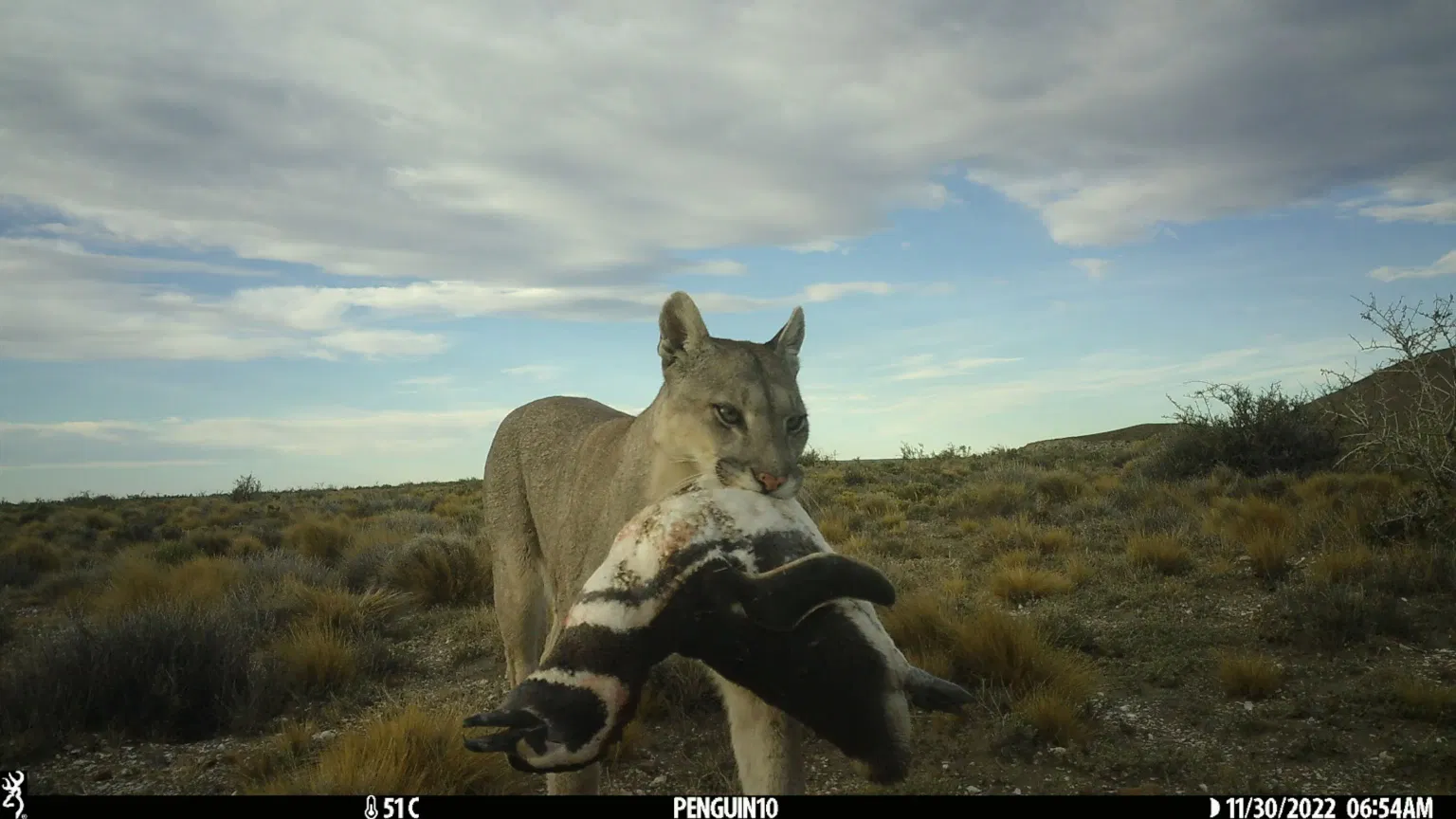
In a surprising ecological twist that's challenging everything scientists thought they knew about predator behavior, pumas in Argentine Patagonia have started hunting penguins—and it's fundamentally changing how these normally solitary big cats interact with each other. A groundbreaking study published December 17, 2025 in the journal Proceedings of the Royal Society B reveals that pumas returning to Monte León National Park after decades of absence have discovered an abundant new food source: Magellanic penguin colonies numbering over 40,000 breeding pairs. What researchers didn't expect was that this unusual predator-prey relationship would transform the social lives of these famously independent cats, making them more tolerant and less aggressive toward each other.
How Penguins Are Changing Puma Social Lives in Patagonia
The research team, led by ecologist Mitchell Serota, initially set out to study general wildlife restoration in former ranchlands, not expecting penguins to play a central role. "I went down to Patagonia to understand restoration outcomes broadly. The penguins weren't the original focus at all," Serota told National Geographic. But when the team installed 32 camera traps and fitted 14 adult pumas with GPS collars between 2019 and 2023, they discovered something extraordinary: pumas were regularly hunting penguins, and this dietary shift was reshaping their behavior in fundamental ways.
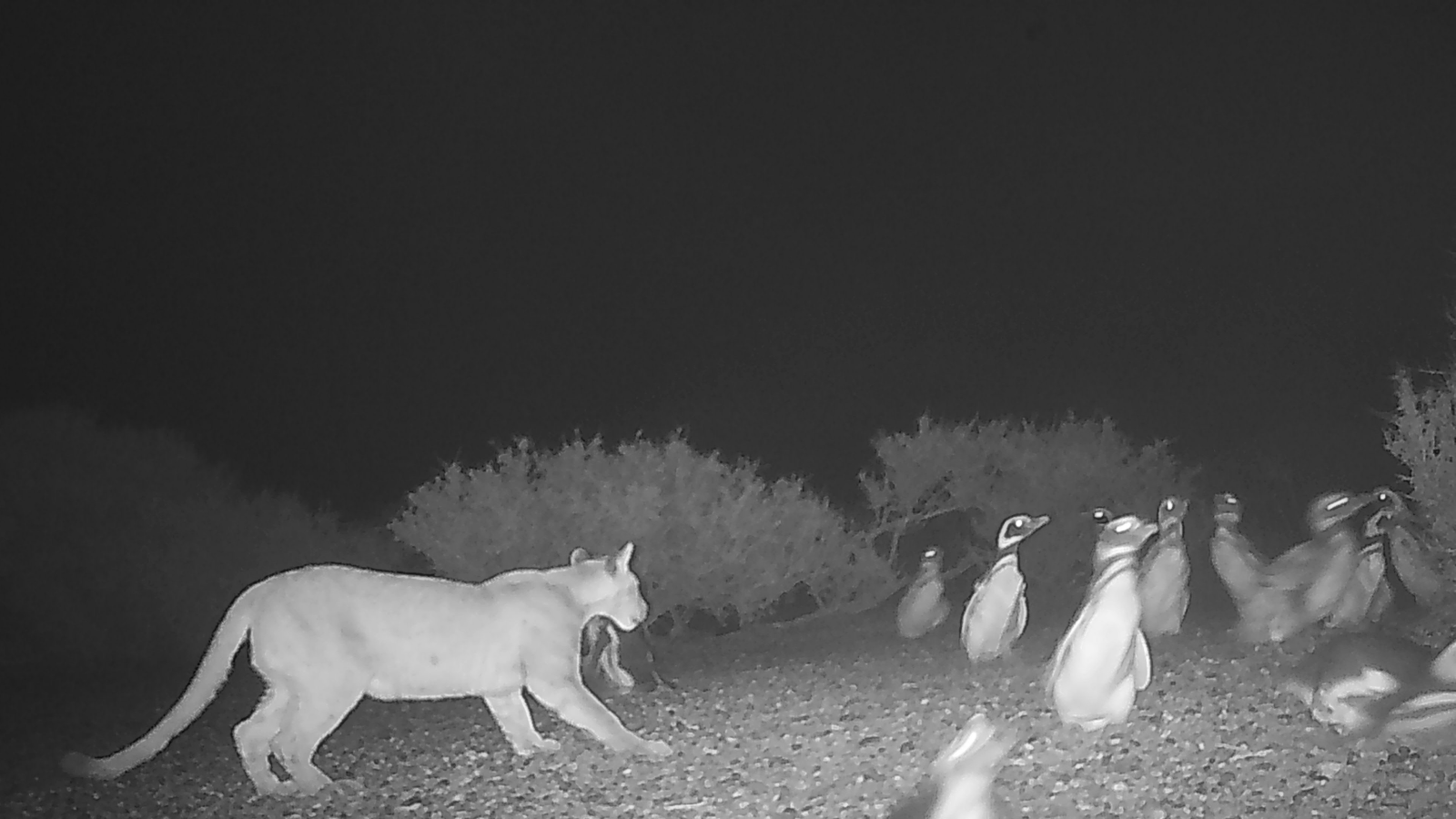
Penguin-eating pumas displayed remarkable social tolerance compared to their counterparts that stuck to traditional prey like guanacos (llama relatives) and hares. The study documented 254 encounters between penguin-eating pumas, but only four encounters between pumas that didn't eat penguins. Most of these interactions occurred within just 0.6 miles of the penguin colony, suggesting the abundant, concentrated food source was reducing competition and aggression. "In other words, penguin-eating pumas were quite tolerant of the presence of one another," said study co-author Emiliano Donadio, science director at Fundación Rewilding Argentina.
From Sheep Ranches to Penguin Colonies: The 100-Year Transformation
To understand why this unusual predator-prey relationship exists, scientists had to look back a century. In the early 20th century, sheep farmers arrived in coastal Argentine Patagonia and systematically eradicated pumas and other predators to protect their flocks. This elimination of terrestrial predators, combined with reduced marine predators from whaling and the fur trade, created perfect conditions for penguin colonies to expand from offshore islands to mainland beaches.
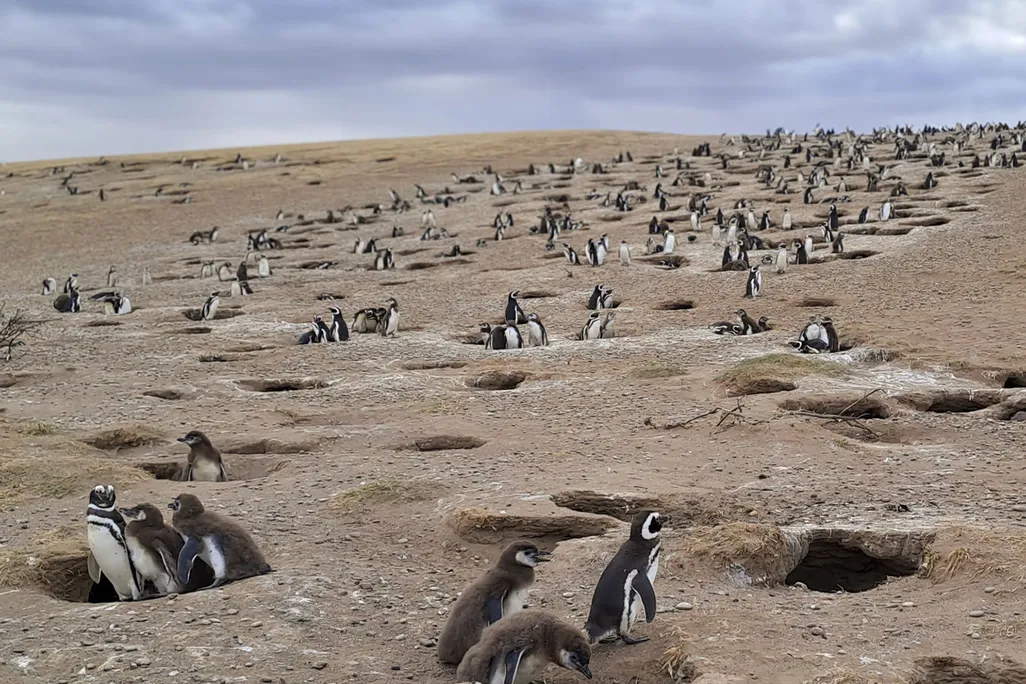
"The farmer poisoning to kill pumas never would have thought he'd have an effect on the larger marine ecosystem," explained Javier Ciancio, a marine biologist with Argentina's National Scientific and Technical Research Council, in Smithsonian Magazine. By the 1990s, many sheep farmers had left as soil degradation made ranching unsustainable, and conservation efforts began. Monte León National Park was established in 2004, and as expected, pumas started returning. What nobody anticipated was that they'd return to find massive penguin colonies now calling the mainland home.
Why Solitary Cats Became Social: The Science Behind the Behavior Shift
The behavioral changes observed in penguin-eating pumas challenge long-held assumptions about these big cats. Pumas (also called mountain lions or cougars) are typically solitary animals that establish large territories to ensure enough prey. They're known for being aggressive toward other pumas to protect their hunting grounds. But the penguin colony at Monte León presents an entirely different ecological scenario: an extremely abundant food source concentrated in a very small area, available only during penguin breeding season (September through April).
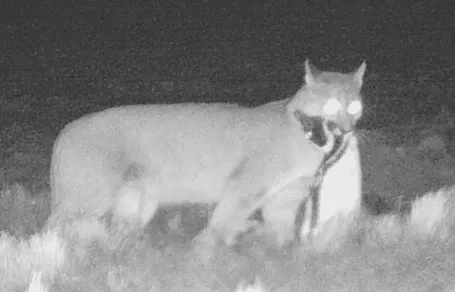
"We tend to think of pumas as extremely aggressive and intolerant," Donadio said. "But when food is abundant and concentrated, there's no need to defend it. They become more socially tolerant." The GPS tracking data revealed that penguin-eating pumas have seasonal range changes: they stay close to the colony during penguin breeding season but range about twice as far when the birds migrate offshore. Despite these behavioral adaptations, the overall puma density in the park remained stable at around 13 cats per 100 square kilometers, whether penguins were present or not.
Jim Williams, a biologist who worked for decades with Montana Fish, Wildlife and Parks and wrote about the relationship in his book "Path of the Puma," noted that from an ecological perspective, this makes sense. "Big cats—lions, panthers, cougars, pumas—always prey on the most abundant and vulnerable food sources available," he told National Geographic. "That's not shocking from an ecological point of view or a natural behavior, but it is for people who don't know that penguins and pumas overlap."
Where Conservation Stands Today: Balancing Protection for Both Species
The current situation presents a complex conservation dilemma. Monte León National Park was created, in part, to protect the large penguin colony that features prominently on the park's logo. Yet now park managers face the challenge of protecting penguins from native predators that have returned through successful conservation efforts. In 2007, just three years after the park's establishment, a female puma and her cubs killed thousands of penguins over several nesting seasons, prompting wildlife managers to intervene.
"They finally decided to sacrifice these animals to protect penguins," Ciancio recalled of that difficult decision. The new research suggests such predation events likely occurred historically before human intervention eliminated pumas. The question now is how to balance protection for both species in an ecosystem reshaped by human activities.
Understanding these dynamics is crucial for conservation planning, according to Juan Ignacio Zanon Martinez, a population ecologist at Argentina's National Scientific and Technical Research Council who was not involved in the study. "It allows managers to design management strategies that are grounded in how ecosystems actually function today, not how we assume they should function based on the past," he wrote in an email to Live Science.
Future Research and Conservation Dilemmas
Several important questions remain unanswered. Researchers still don't know exactly how many penguins individual pumas kill, making it difficult to assess the long-term impact on the colony—though current surveys suggest penguin numbers at Monte León remain stable or are even increasing. Scientists also need to understand how penguin-driven changes in puma behavior ripple through the rest of the ecosystem, particularly affecting the pumas' traditional prey like guanacos.
Serota's team plans to investigate how the puma-penguin relationship affects these other species. There's also the broader question of whether high puma densities near penguin colonies represent a temporary adjustment or a long-term feature of this rewilded ecosystem. "We know that the penguin colony has changed where, when, and how pumas obtain their food," Serota said, "but the next step is to understand the ecological implications of that change."
The research highlights a fundamental truth about ecosystem restoration: "Restoration doesn't mean going back to some historical snapshot," Serota emphasized. "Species are returning to ecosystems that have changed dramatically. That can create entirely new interactions." As Donadio put it: "When we start to rewild the land, the species that are coming back might find a system that is a bit different from the one that they used to inhabit 100 years ago—and they adapt to it."
Key Insights from the Patagonian Predator Study
- Pumas in Patagonia have adapted to hunt Magellanic penguins, an unusual prey for terrestrial big cats
- Penguin-eating pumas show increased social tolerance, challenging their solitary reputation
- Human activities in the early 20th century (sheep farming) eliminated pumas, allowing penguin colonies to expand on mainland South America
- Conservation success in returning pumas to protected areas has created novel predator-prey dynamics
- The study demonstrates that ecosystem restoration doesn't rewind to historical states but creates new ecological relationships
- Wildlife managers face complex decisions balancing protection for both predators and prey in rewilded ecosystems
This remarkable case study from Patagonia offers important lessons for conservation efforts worldwide, showing how restored ecosystems can develop in unexpected ways and how species can adapt to new ecological realities created by human history.