
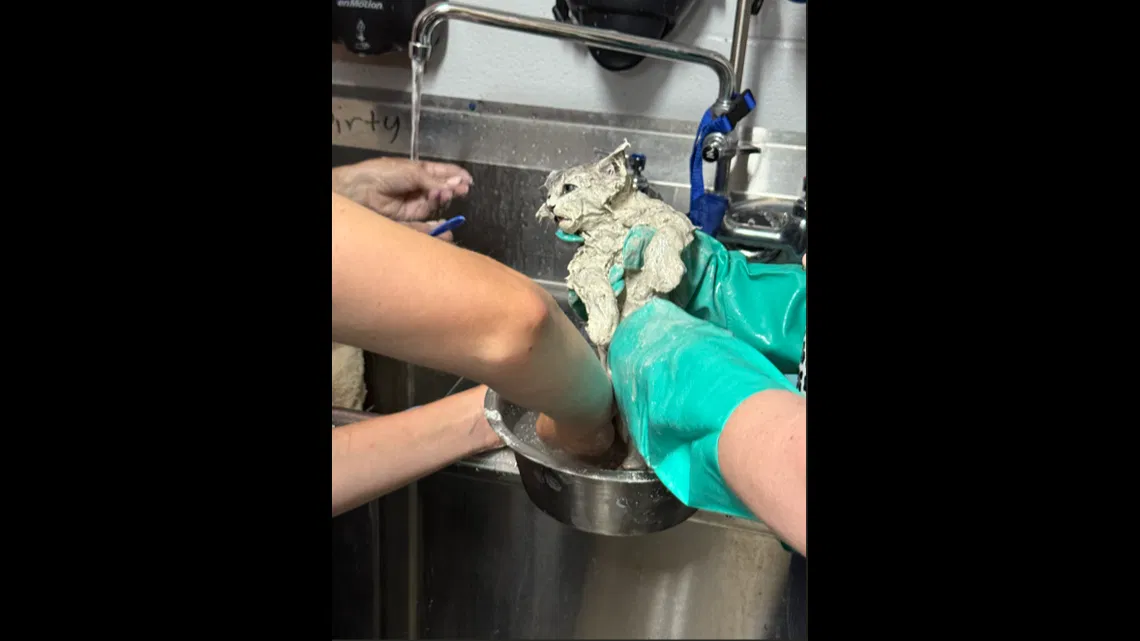
A tiny 6-week-old kitten named Elmer is making a miraculous recovery after being rescued from a bucket of industrial glue in a heartwarming story that has captured national attention. The kitten, now named Elmer after the famous glue brand, was found completely submerged in industrial adhesive and brought to the Humane Society of North Texas by a Good Samaritan who discovered the helpless animal. Covered "from ear to tail" in thick glue that had begun to harden around his eyes, nose, and ears, Elmer couldn't eat, drink, or groom himself—but thanks to a dedicated rescue team and an innovative four-hour removal process using canola oil, this resilient kitten is now on the road to recovery in a foster home.
How a Good Samaritan Saved Elmer from Certain Death
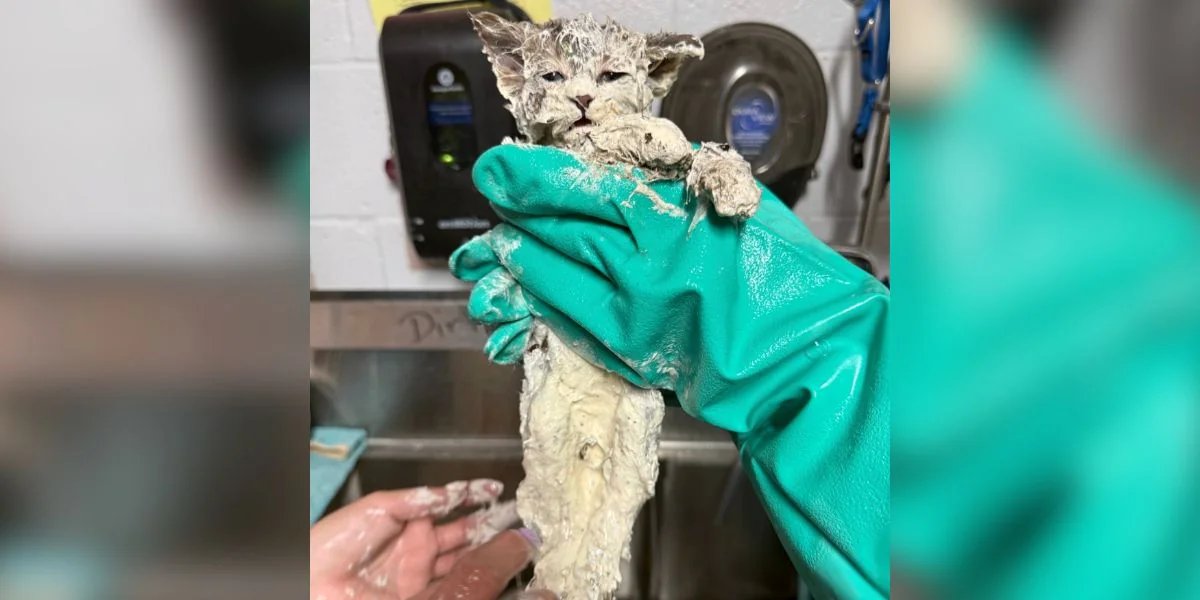
The rescue story began when an unidentified Good Samaritan discovered the tiny tabby kitten trapped in a bucket of industrial-strength adhesive at an industrial site in North Texas. Recognizing the immediate danger, the individual carefully transported the kitten to the Humane Society of North Texas (HSNT), where emergency medical staff sprang into action. "When Elmer first arrived at the Humane Society of North Texas, the little kitten was in rough shape," reported The Dodo. "Poor Elmer was covered 'from ear to tail' in thick industrial adhesive."
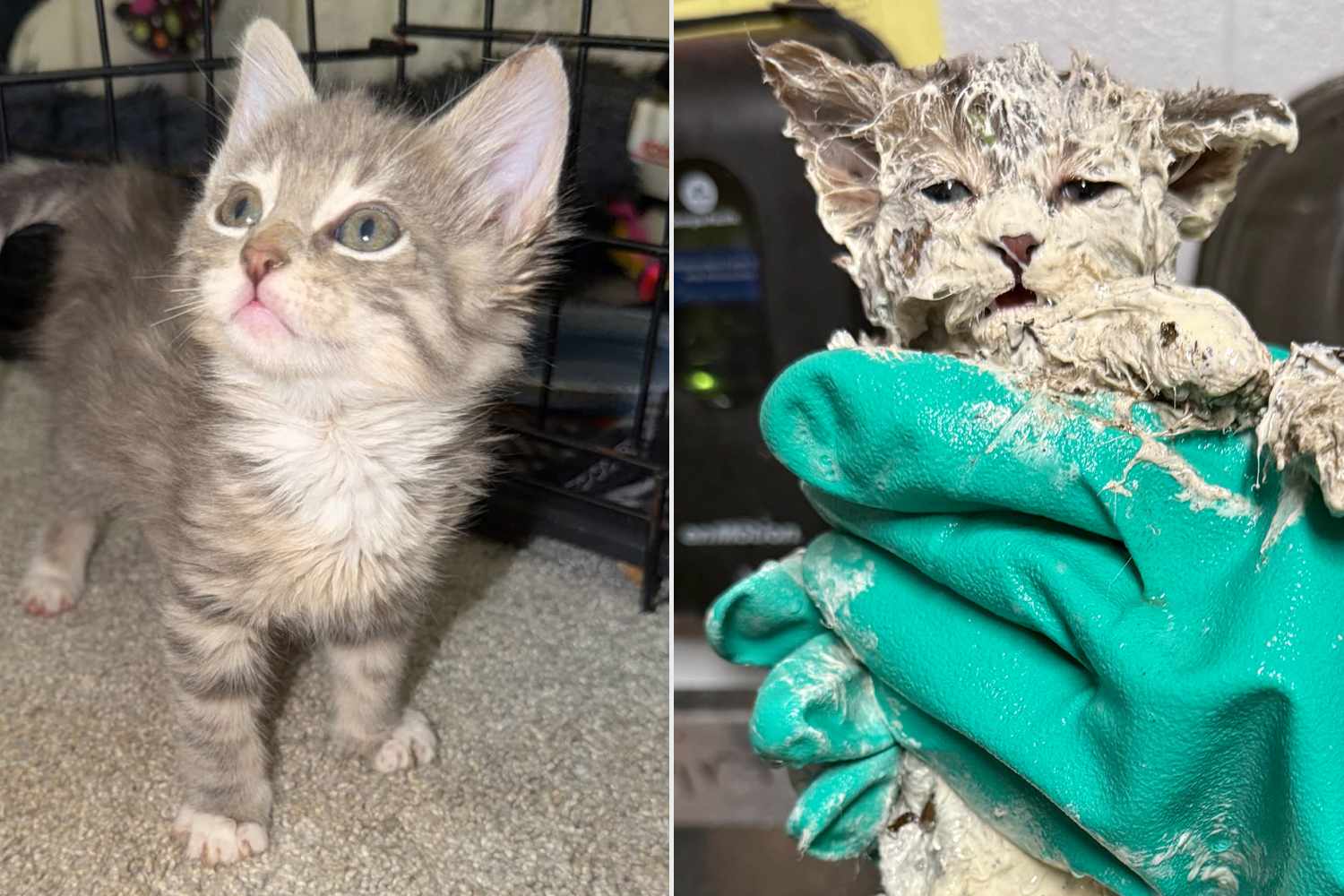
Veterinary staff immediately recognized the severity of Elmer's condition. The industrial adhesive had not only matted his fur but had begun to harden around his sensitive facial features, potentially obstructing his airways and vision. According to People magazine, "Elmer the kitten is recovering at the Humane Society of North Texas after undergoing a 4-hour glue-removal process to remove an adhesive that had begun to harden around the cat's eyes, nose, and ears." The situation was dire—industrial adhesives can cause severe skin irritation, respiratory issues, and even poisoning if ingested during grooming attempts.
From Glue Bucket to Foster Home: Elmer's Rescue Timeline
The rescue operation unfolded with precise timing and specialized techniques. Here's how Elmer's journey from crisis to recovery developed:
Day 1: Good Samaritan discovers Elmer in industrial glue bucket and transports him to HSNT. Emergency assessment reveals severe dehydration and adhesive coverage over 90% of his body.
Day 1-2: Veterinary team begins gentle removal process using food-grade canola oil. The oil helps break down the adhesive without harming Elmer's sensitive skin. Staff work in shifts for 4-7 hours, carefully massaging the oil into his fur.
Day 3: Most of the adhesive removed. Elmer receives subcutaneous fluids for dehydration and nutritional support. He begins to show signs of improved mobility and appetite.
Week 1: Elmer transferred to a foster home for continued recovery. He receives regular oil baths to remove residual glue and begins to regain strength.
Present Day: Elmer continues to recover in foster care, showing increased energy and beginning to exhibit normal kitten behaviors like playing and grooming.
Why Industrial Glue Presents Unique Dangers for Animals
Industrial adhesives pose particular hazards for animals that household glues don't. These substances are designed to bond materials permanently and often contain chemicals that can be toxic when absorbed through the skin or ingested. For a kitten like Elmer, the glue created multiple life-threatening situations simultaneously.
First, the physical barrier prevented essential behaviors: "Unable to eat, drink or groom himself, Elmer tried his best to hold on," reported The Dodo. The adhesive acted as a full-body restraint, limiting movement and making basic survival activities impossible. Second, as the glue hardened around his facial features, it risked obstructing airways and eyesight. Third, the chemicals in industrial adhesives can cause severe dermatological reactions and systemic toxicity.
The Humane Society of North Texas team faced a delicate balancing act: removing the adhesive quickly to prevent further health complications while doing so gently enough to avoid causing additional trauma to Elmer's fragile body. Their solution—using food-grade canola oil—demonstrated both innovation and compassion. The oil safely breaks down many types of adhesives without the harsh chemicals found in commercial removers, making it ideal for use on animals.
Elmer's Recovery Progress: Where He Stands Today
As of the latest updates, Elmer is making remarkable progress in his foster home. The Fort Worth Star-Telegram reported that "Elmer is now recovering in a foster home and slowly regaining his strength." His transformation has been nothing short of miraculous—from a glue-covered, immobile kitten to an active, curious young cat beginning to explore his surroundings.
Medical staff report that Elmer's dehydration has been resolved, and he's eating regularly. The residual glue continues to be managed with regular oil baths, but his fur is growing back fluffy and clean. Perhaps most importantly, Elmer is beginning to display normal kitten behaviors: he's playing with toys, responding to human interaction, and learning to groom himself properly.
"Today, Elmer is recovering safely in foster care, finally able to rest, gain strength, and experience comfort without pain," stated the Humane Society of North Texas in a social media update. His resilient spirit has inspired the staff and volunteers who have worked with him, and his story has generated an outpouring of support from the community.
The Road to Adoption: What's Next for Elmer
While Elmer still has some recovery ahead, the Humane Society of North Texas is optimistic about his future. Once he reaches full health and receives all necessary vaccinations, he will be available for adoption. Given the national attention his story has received, shelter staff anticipate significant interest in providing Elmer with a permanent home.
The adoption process will follow HSNT's standard procedures, which include screening potential adopters to ensure they can provide a safe, loving environment for Elmer's continued development. Given his traumatic start in life, his future family will need to be patient and understanding of any residual behavioral or medical needs.
Shelter officials emphasize that while Elmer's case is particularly dramatic, it highlights the ongoing need for rescue resources and community support. "Every day, pets in crisis arrive at the Humane Society of North Texas," the organization noted, relying on donations and volunteer support to continue their life-saving work.
Key Takeaways from Elmer's Remarkable Rescue Story
Elmer's journey from glue bucket to recovery offers several important lessons for pet owners and animal lovers:
1. Good Samaritan actions save lives: The individual who found Elmer and brought him to professionals made all the difference between life and death.
2. Specialized rescue knowledge matters: The HSNT team's use of canola oil rather than harsh chemicals demonstrated how animal-specific rescue techniques differ from standard approaches.
3. Industrial sites pose hidden dangers: Animals can become trapped in substances not typically considered hazardous in domestic settings.
4. Resilience in young animals is remarkable: Despite his traumatic experience, Elmer's rapid recovery shows how resilient kittens can be with proper care.
5. Community support enables rescue work: Organizations like HSNT depend on donations and volunteer support to handle emergency cases like Elmer's.
Elmer's story continues to unfold, but one thing is already clear: this tiny kitten's fight for survival has touched hearts across the country and demonstrated the incredible difference that compassionate intervention and expert care can make in the life of an animal in crisis.