
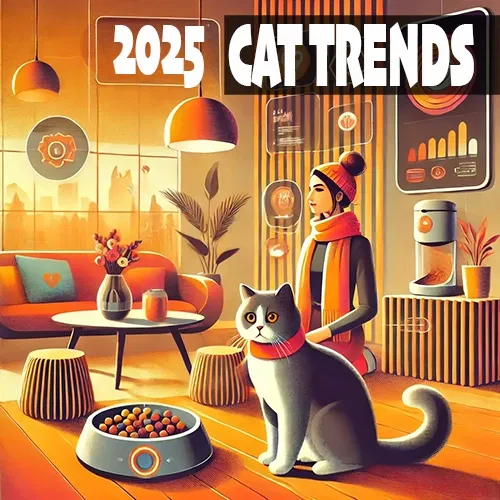
The cat world is experiencing a historic transformation in 2025. With the U.S. pet industry hitting an unprecedented $158 billion and cat ownership rates climbing to 27.3% of households—up sharply from 23.6% in 2019—felines have never been more central to family life. The American Pet Products Association reports that 53% of U.S. households now own a pet, translating to approximately 71 million homes, and cats are driving much of that growth. Across the Atlantic, the UK's CATS Report 2025 confirms around 10.2 million owned cats residing in nearly one in four households. So what's behind this feline renaissance, and what does it mean for cat owners?
How Smart Technology Is Revolutionizing Cat Care
Perhaps the biggest headline in 2025 is the explosion of smart pet technology designed specifically for cats. At the Global Pet Expo 2025, industry experts noted that tech-driven products dominated the show floor. From AI-powered feeders that scan microchips to ensure each cat gets the right meal, to GPS-enabled health trackers that monitor activity levels and sleep patterns, technology is making cat parenting smarter than ever. Interactive cameras with treat-tossing capabilities, automatic litter boxes with health-monitoring sensors, and app-controlled environmental enrichment toys are no longer niche luxuries—they're becoming household staples. These devices not only offer convenience but also provide early warning signs for health issues, giving owners and veterinarians data they never had before.

Timeline: How Feline Care Evolved Through 2025
The year has been marked by several defining developments. In March, Hill's Pet Nutrition premiered its "2025 World of the Cat Report," providing veterinary professionals with deep insights into feline health trends. April saw the Global Pet Expo in Orlando reveal that cat ownership growth is outpacing dogs in several key markets. By June, the APPA released its landmark 2025 Dog & Cat Report, confirming a 9% decrease in single-cat households—meaning more owners are welcoming multiple felines into their homes. The summer months brought SUPERZOO 2025, where smart feeders and AI-driven wellness products took center stage. As the year progressed, premium cat food purchases surged, with 38% of owners now selecting high-end nutrition options, a 9% jump from 2023 levels.
Why Premium Nutrition and Personalized Wellness Matter Now More Than Ever
The shift toward viewing cats as genuine family members—particularly among younger generations—is reshaping the entire pet food industry. A striking 72% of Gen Z pet owners consider their cats family, compared to 58% of millennials, according to recent surveys. This emotional connection translates directly into purchasing behavior. Functional health benefits now drive buying decisions for 46% of cat owners, who seek out foods targeting joint health, digestion, urinary tract support, and immunity. Ingredients like kelp, activated charcoal, and manuka honey are appearing in premium cat treats and foods. The premiumization trend extends beyond diet: cat owners are investing in calming pheromone diffusers, stress-reducing environmental enrichment, and even feline-specific wellness services. The Packaged Facts report found that 74% of cat and dog owners are willing to pay more for products with proven health and wellness benefits.
Where Things Stand Now: The State of Feline Care in Late 2025
As of late 2025, the cat care landscape is more dynamic than ever. Multi-cat households are on the rise as owners expand their feline families. The UK's CATS Report highlights growing pressures on cat welfare even as ownership numbers remain robust, emphasizing the need for responsible pet parenting. Veterinary visits attributed to cats now account for roughly one-quarter of all pet checkups in the United States, reflecting the species' growing medical footprint. Smart feeder adoption continues to accelerate, and the trend toward sustainable, eco-friendly cat products—from biodegradable litter to toys made from recycled materials—is gaining serious momentum. The pet industry is projected to reach $300 billion globally by 2030, with cats accounting for a growing share of that spending.
What Happens Next: The Future of Cat Ownership
Looking ahead, industry analysts predict that AI integration in pet care will deepen significantly. Expect more sophisticated health monitoring through collars and litter boxes, personalized meal plans generated by algorithms based on your cat's unique biometrics, and telemedicine services becoming standard for routine veterinary consultations. The humanization trend—treating cats with the same care and consideration we give ourselves—will continue driving product innovation. Younger owners are rewriting the rules, demanding transparency, sustainability, and wellness-focused products. For cat owners, this means more choices than ever to provide the best possible care for their companions.
Key Takeaways: Everything You Need to Know About Cat Trends in 2025
- Record ownership: 27.3% of households now own cats, with the U.S. pet industry valued at $158 billion
- Tech takeover: AI-powered feeders, GPS trackers, and smart health monitors are becoming essential tools for cat owners
- Premium nutrition surge: 38% of owners choose premium food; 46% prioritize functional health benefits
- Multi-cat households rising: Single-cat homes decreased by 9% as owners expand their feline families
- Gen Z driving change: 72% of Gen Z owners see cats as family, fueling demand for premium, sustainable products
- Wellness first: Calming pheromones, stress reduction, and proactive health monitoring are the new standards in feline care