
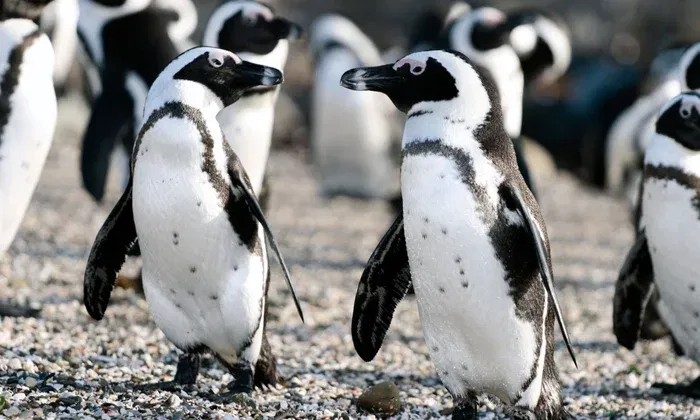
In a critical moment for one of the world's most beloved seabirds, African penguins are facing a perfect storm of threats that could push them to extinction within a decade. With the wild population having plummeted by 97% since the early 20th century, conservationists are racing against time to implement emergency measures—from no-fishing zones off South Africa's coast to intensive breeding programs at aquariums worldwide. The recent hatching of four African penguin chicks at Mystic Aquarium during a January snowstorm offers a glimmer of hope, but experts warn that without immediate action, this iconic species could disappear from the wild by 2035.
How the African Penguin Crisis Unfolded
The African penguin (Spheniscus demersus), once numbering in the millions along the southwestern coast of Africa, has seen its population collapse due to overfishing, habitat disturbance, and climate change. In 2023, the global population fell below 10,000 breeding pairs for the first time, prompting the International Union for Conservation of Nature (IUCN) to list the species as critically endangered in 2024. Now, a new threat has emerged: a highly pathogenic avian influenza (HPAI) outbreak that has infected 23 African penguins since September 2025, causing at least nine confirmed deaths in wild populations according to the Southern African Foundation for the Conservation of Coastal Birds (SANCCOB).
"For a population under immense pressure, the loss of even a few individuals is significant," SANCCOB stated during a Penguin Awareness Day event in January 2026. The organization emphasized that a large-scale outbreak within a breeding colony would be devastating for the rapidly declining African penguin population. Meanwhile, conservationists scored a major victory in March 2025 when the South African government agreed to establish no-fishing zones around Robben Island and Bird Island for ten years, protecting critical feeding grounds for the penguins after years of debate between the fishing industry and environmental groups.
Timeline: The Race Against Extinction
The African penguin's path to the brink has been decades in the making, but recent years have seen both alarming declines and crucial interventions:
- 2023: Global population falls below 10,000 breeding pairs for the first time.
- 2024: IUCN upgrades African penguin to critically endangered status.
- March 2025: South Africa establishes 10-year no-fishing zones around Robben Island and Bird Island.
- June 2025: SANCCOB warns that at current decline rates, African penguins could be extinct in the wild by 2035.
- September 2025: Bird flu outbreak begins affecting African penguins, with 23 confirmed cases by January 2026.
- January 2026: Mystic Aquarium announces the hatching of four African penguin chicks during a winter snowstorm.
Why This Conservation Battle Matters for Pet and Aquarium Enthusiasts
While African penguins are not traditional pets, their plight highlights the vital role that aquariums and zoos play in species conservation. Institutions like Mystic Aquarium participate in coordinated breeding programs that maintain genetically diverse populations as insurance against extinction. The recent successful hatching of four chicks—the offspring of first-time parent pairs—demonstrates how advanced husbandry techniques developed in aquarium settings can contribute directly to species survival.
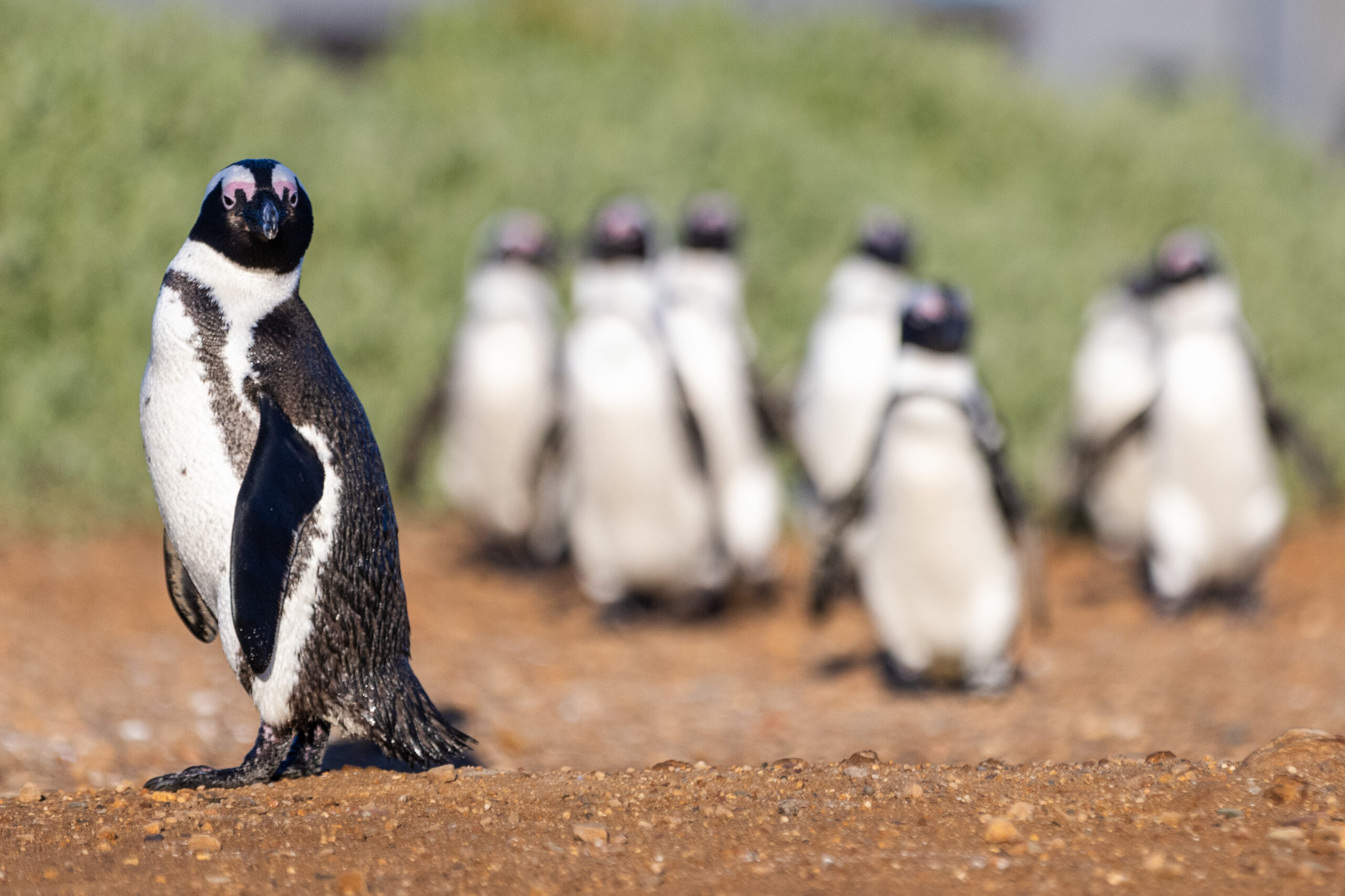
"These hatchings are especially important because African penguins are critically endangered, with the wild population declining by 97% worldwide," Mystic Aquarium noted in their announcement. For pet owners and animal enthusiasts, the African penguin story underscores how proper care, nutrition, and medical attention—similar to what responsible pet owners provide—can make life-or-death differences for endangered species. It also illustrates how public support for conservation organizations can translate directly into saving animals from extinction.
Where Things Stand Now: Current Status and Threats
As of early 2026, the African penguin population continues to decline at approximately 7.9% per year. Beyond bird flu, the species faces multiple overlapping threats: reduced availability of sardines and anchovies due to overfishing, climate change altering ocean currents and fish distribution, pollution, and habitat degradation. Conservationists estimate that fewer than 19,800 mature individuals remain in the wild. SANCCOB reports that over 1,000 African penguins have died from bird flu since 2018, with 26 suspected cases reported since July 2025 alone.
What Happens Next: The Road Ahead for African Penguins
The next few years will determine whether African penguins can be pulled back from the brink. Key initiatives include expanding protected fishing areas, enhancing disease monitoring and response, and increasing support for captive breeding programs. Public awareness and responsible tourism—such as choosing eco-friendly penguin viewing operations—can also contribute to conservation funding. Researchers are exploring innovative solutions like artificial nesting sites and supplemental feeding programs to boost breeding success in wild colonies.
The Bottom Line: Key Points to Remember
- African penguins have experienced a 97% population decline and face extinction in the wild by 2035 if current trends continue.
- Recent threats include a dangerous bird flu outbreak that has already killed multiple penguins.
- Conservation victories include new no-fishing zones and successful aquarium breeding programs.
- Aquariums play a crucial role in preserving genetic diversity through carefully managed breeding initiatives.
- Public support for conservation organizations and responsible tourism can directly help save this iconic species.