
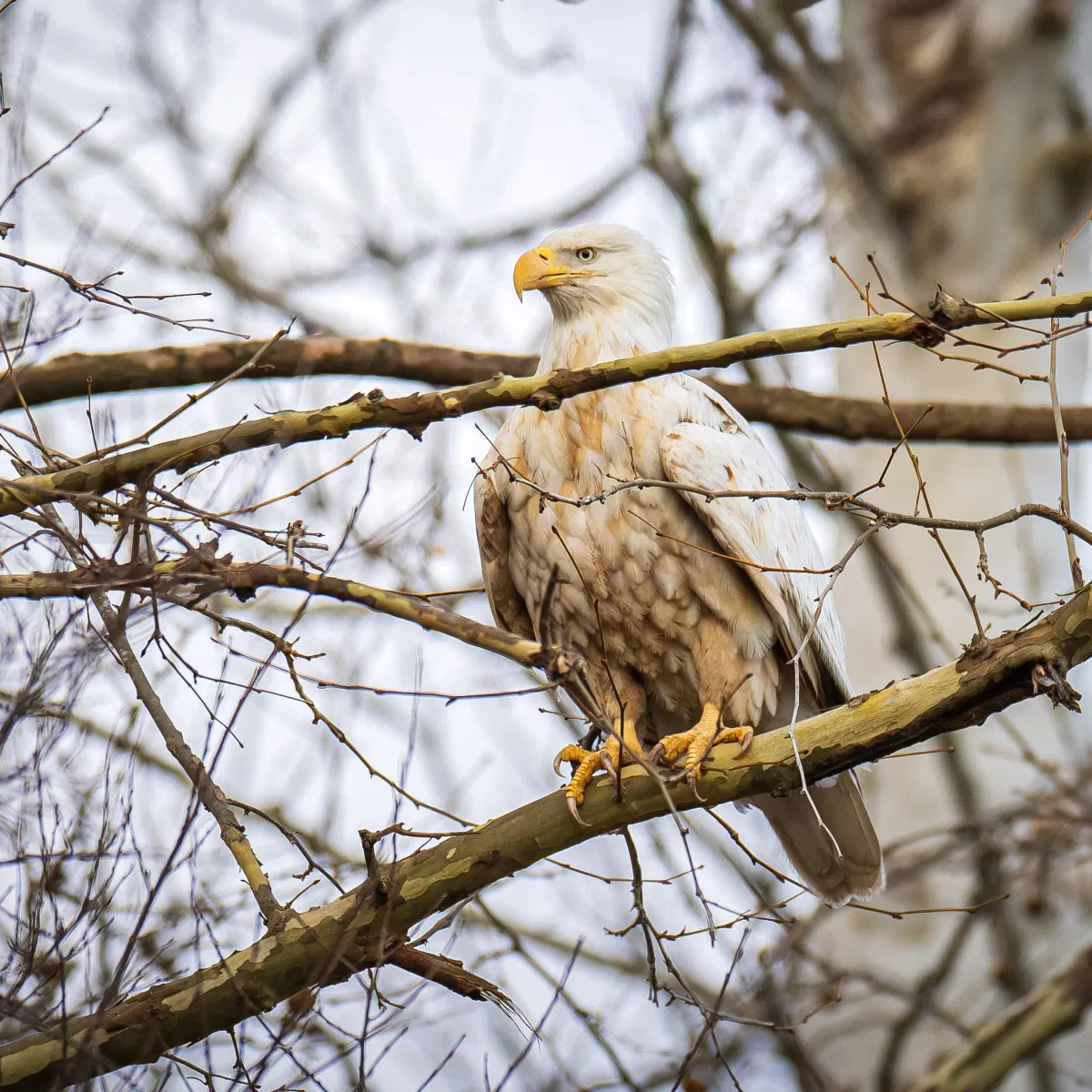
A rare white bald eagle has captivated bird enthusiasts and wildlife photographers across the nation after stunning images of the leucistic bird emerged from Missouri. Wildlife photographer Terry Nunn spent eight hours patiently waiting to capture the extraordinary photographs of the eagle, which exhibits a genetic condition called leucism that gives it a striking white plumage. For pet bird owners and avian enthusiasts, this remarkable sighting offers a fascinating glimpse into the world of color mutations and genetic variations that can occur in birds, both wild and domesticated.
How a Photographer's Patience Captured a Once-in-a-Lifetime Shot
Terry Nunn, a dedicated wildlife photographer, invested eight hours of careful observation and waiting to photograph the rare leucistic bald eagle in Stella, Missouri. According to reports from People and Parade, Nunn considers these images some of his proudest work, noting that their value comes not just from the subject's rarity but from the dedication required to capture them. The eagle's unique appearance—nearly all-white feathers with normal-colored eyes and beak—immediately identifies it as leucistic rather than albino.
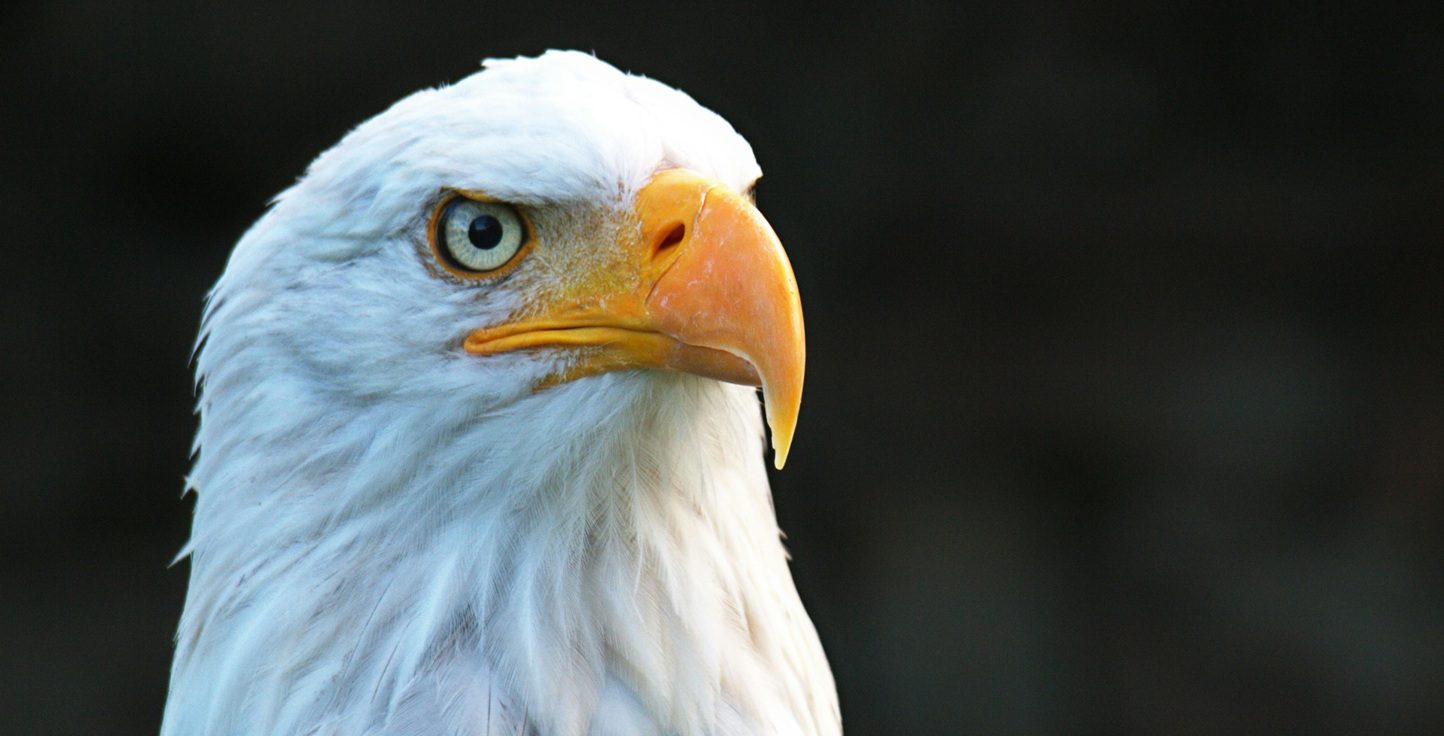
Local residents Betty Daniel and her husband Ron also photographed the same eagle, sharing their images with the Missouri Department of Conservation. The department has been promoting "Eagle Days" events throughout the state, coinciding with peak eagle-watching season. Social media platforms have been flooded with shares of Nunn's photographs, with many users expressing awe at the bird's unique appearance and the photographer's perseverance.
Timeline: From Discovery to Viral Sensation
The story of this rare eagle unfolded over several weeks in early 2026. According to Ozarks First, the initial sightings occurred in Stella, Missouri, approximately an hour and a half southwest of Springfield. Terry Nunn made multiple trips to the area, hoping to encounter the bird again after hearing reports from other wildlife observers. His successful photography session took place in mid-March, after which he shared the images on his professional platforms.
Within days, major publications including People, Parade, and AOL picked up the story, spreading the images to national audiences. The Missouri Department of Conservation used the opportunity to highlight their eagle conservation efforts and upcoming Eagle Days events. By the third week of March, the leucistic bald eagle had become a viral sensation, with birding communities worldwide discussing the rarity of such sightings.
Understanding Leucism: What Pet Bird Owners Need to Know
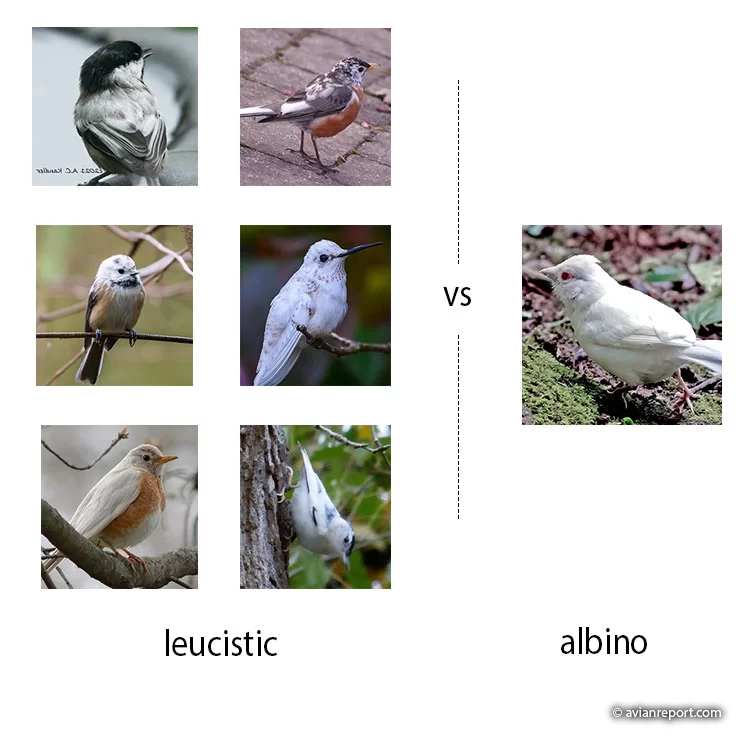
Leucism is a genetic condition that affects pigment cells during development, resulting in reduced pigmentation in feathers, fur, or skin. Unlike albinism, which completely eliminates melanin production and affects eye color, leucistic animals retain normal eye, beak, and foot coloration. According to Avian Report, leucism is significantly more common than albinism in birds—survey data suggests that of 100 birds showing abnormal plumage, approximately 82 are leucistic while only three are truly albino.
For pet bird owners, understanding leucism and other color mutations is important for several reasons. First, these genetic variations can occur in captive-bred birds just as they do in wild populations. Second, some color mutations in pet birds have been associated with specific health considerations. According to avian experts, while leucism itself doesn't typically cause health problems, the underlying genetic factors might sometimes correlate with other conditions that require special attention from bird owners.
All About Birds explains that leucism results from defects in pigment cells rather than a specific genetic mutation. This means the condition can manifest differently in individual birds—some may have completely white plumage, while others show partial leucism with white patches or diluted colors. In the wild, leucistic birds may face challenges with camouflage and sun sensitivity, but in captivity, these issues can be managed with proper care.
Where the White Bald Eagle Story Stands Today
As of March 2026, the leucistic bald eagle continues to be spotted in southwest Missouri, drawing birdwatchers and photographers to the region. The Missouri Department of Conservation has reported increased interest in their eagle conservation programs and viewing events. Terry Nunn's photographs remain among the most shared wildlife images on social media, raising awareness about both the beauty of bald eagles and the fascinating genetic variations that can occur in nature.
Conservation officials emphasize that while the white eagle is a spectacular sight, all bald eagles remain protected under federal law. The Bald and Golden Eagle Protection Act prohibits disturbing or harming eagles, their nests, or eggs. Bird enthusiasts hoping to catch a glimpse of the leucistic eagle are encouraged to participate in organized viewing events or observe from a respectful distance that doesn't stress the bird.
What This Means for Bird Enthusiasts and Conservation
The discovery of this rare leucistic bald eagle serves as a reminder of nature's incredible diversity and the importance of conservation efforts that protect wild bird populations. For pet bird owners, the story offers valuable insights into genetic variations that can appear in avian species. Responsible breeding practices, proper veterinary care, and understanding of genetic conditions are all essential components of good bird ownership.
Avian veterinarians note that while color mutations like leucism are fascinating, bird owners should prioritize overall health and welfare over specific color traits. Some deliberately bred color mutations in pet birds have been linked to health issues, making it crucial to work with reputable breeders who prioritize genetic diversity and health screening. The wild leucistic eagle serves as a natural example of genetic variation that occurs without human intervention, reminding us to appreciate birds in all their natural diversity.
Key Takeaways for Bird Lovers
The rare white bald eagle photographed in Missouri represents both a spectacular wildlife sighting and an educational opportunity for bird enthusiasts. Key points to remember include: leucism is a genetic condition that reduces feather pigmentation while preserving normal eye color; such natural variations occur in approximately 1 in 30,000 bald eagles; understanding color mutations can help pet bird owners provide better care for their avian companions; and conservation efforts remain vital for protecting wild bird populations and their genetic diversity. Whether observing eagles in the wild or caring for pet birds at home, this remarkable story highlights the beauty and complexity of avian life.