
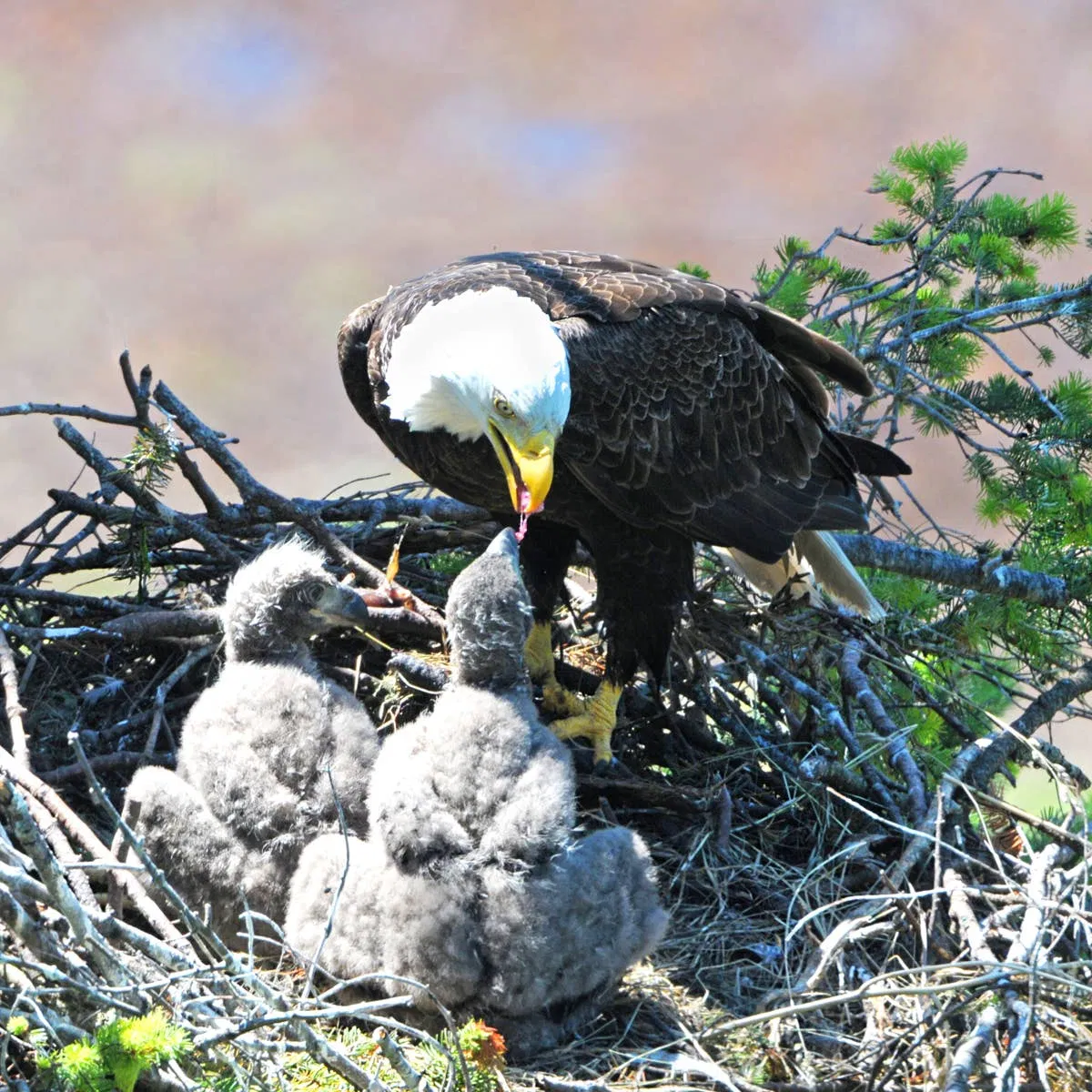
The recent heartbreaking story of two bald eaglets euthanized after being swept from their nest in an Alabama storm has captured national attention and raised important questions about wildlife rescue, veterinary ethics, and what pet bird owners can learn from such tragedies. As the details emerged from Gulf State Park, where severe March thunderstorms tore through the coastal area, the fate of these young birds highlighted both the compassionate efforts of wildlife rehabilitators and the difficult decisions that sometimes must be made in animal care.
How the Eaglets' Tragedy Unfolded: Inside the Rescue Effort
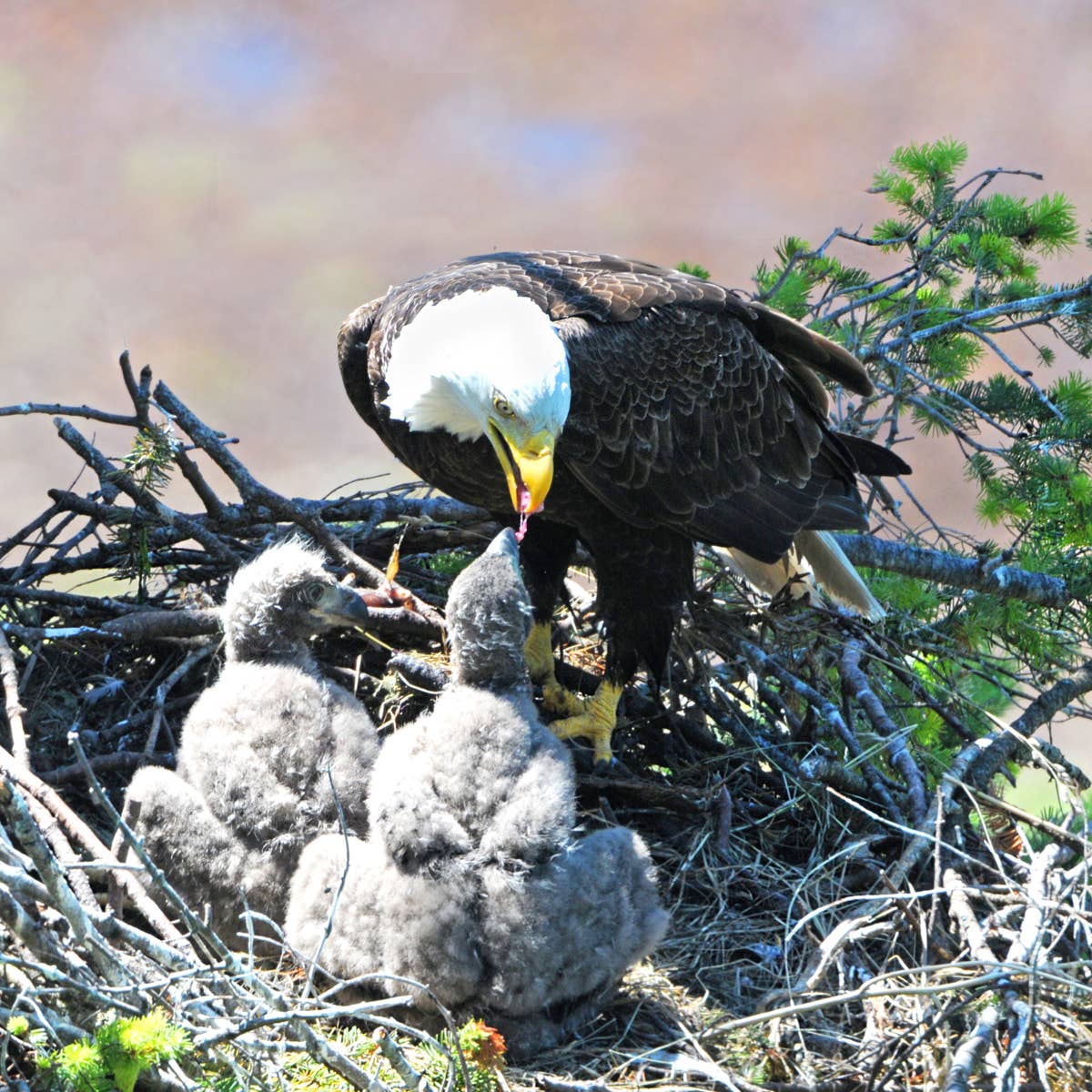
In mid-March 2026, a line of powerful thunderstorms battered Gulf State Park in southern Alabama, creating conditions that would prove disastrous for a local bald eagle family. The fierce winds and torrential rain dislodged the nest containing two eaglets—baby bald eagles—sending them plummeting to the ground below. Park visitors and wildlife officials quickly located the injured birds and initiated a rescue operation that would ultimately involve multiple agencies and specialists.
The eaglets were transported to the Auburn University Raptor Center (AURC), one of the Southeast's premier facilities for bird of prey rehabilitation. Upon examination, veterinary teams discovered extensive injuries that painted a grim picture of their survival chances. According to reports from the center, one eaglet had suffered severe tissue damage and developed an infection from a fishing lure embedded in its foot—a hazard all too common in coastal areas. Both birds showed signs of significant eye trauma and wing fractures, injuries that severely compromised their ability to survive in the wild even with intensive medical intervention.
Timeline: How the Rescue Developed Over Critical Days
The sequence of events followed a pattern familiar to wildlife rehabilitators but heartbreaking to the public following the story. Immediately after the March storm, park officials secured the injured eaglets and arranged emergency transport to the raptor center. For several weeks, veterinary teams provided round-the-clock care, including surgical interventions, antibiotic treatments, and supportive therapy aimed at giving the young birds a fighting chance.
Despite what the Auburn University Raptor Center described as "extensive medical intervention," the injuries proved too severe for recovery. By early April, the veterinary team made the difficult determination that the eaglets' suffering could not be alleviated and their prospects for returning to wild survival were nonexistent. On April 15, 2026, the center announced that both birds had been humanely euthanized—a decision made, they emphasized, "due to the severity of the injuries they sustained before rescue."
Why This Tragedy Matters for Pet Bird Owners
While this story involves wild bald eagles rather than domestic pet birds, the ethical considerations and medical challenges parallel situations that pet bird owners may face. The decision-making process used by the Auburn University Raptor Center veterinarians mirrors discussions that occur in avian veterinary clinics nationwide when companion birds suffer severe trauma or illness.
"The primary objective when euthanizing a bird is to make its final conscious moments as stress-free as possible," notes a 2025 review article on avian euthanasia in LafeberVet, a leading resource for exotic animal veterinary professionals. This principle applies equally to wildlife rehabilitation and companion animal medicine. The article further explains that euthanasia may be considered when an animal's suffering cannot be adequately controlled or when their quality of life is irreparably compromised—exactly the considerations that guided the eaglets' care team.
For pet bird owners, understanding these ethical frameworks can provide guidance when facing difficult decisions about a beloved companion's care. While no owner wants to contemplate euthanasia, being informed about the criteria veterinary professionals use can help in making compassionate choices when necessary.
Emergency Preparedness: Lessons from Wildlife Rescue
The eaglets' story also underscores the importance of emergency preparedness for all bird owners. Wildlife rehabilitators operate with specialized protocols and equipment that have direct parallels in pet bird care. According to PetMD's guide to avian first aid, every bird owner should maintain a well-stocked emergency kit that includes essential supplies for stabilizing an injured bird before veterinary care.
Key items recommended by avian veterinarians include: sterile gauze pads for controlling bleeding, blunt-ended scissors for cutting bandages, styptic powder for nail bleeding, a small carrier for safe transport, and emergency contact information for your avian veterinarian. Just as wildlife rescuers had to act quickly to stabilize the eaglets after their fall, pet bird owners may face situations requiring immediate intervention before professional help arrives.
"Setting up a hospital cage where food and water can be easily accessed is crucial for injured birds," advises the Exotic Veterinary Clinic's emergency care guidelines. "Remove perches and add padding to prevent further injury during recovery." These same principles apply whether caring for a wild raptor or a domestic parrot recovering from trauma.
Current Status: Public Reaction and Ongoing Conversations
Since the announcement of the eaglets' euthanasia, public reaction has reflected both grief and understanding. Social media platforms have seen extensive discussion about the ethics of wildlife rehabilitation decisions, with many commenters expressing appreciation for the difficult work performed by facilities like the Auburn University Raptor Center.
Wildlife professionals have used the attention to educate the public about the realities of animal rescue. "One of the hardest parts of a wildlife rehabilitator's job is determining when the kindest option is humane euthanasia," noted a representative from a bird sanctuary in related discussions. "When animals are critically injured or unable to recover, providing humane euthanasia can be a merciful choice."
For the Gulf State Park eagle population, monitoring continues of the adult birds and any future nesting attempts. Bald eagles, once endangered but now recovered in many regions, typically mate for life and often return to nesting territories year after year. Wildlife officials hope the adult eagles from this pair will successfully raise future broods, though the loss of this year's eaglets represents a setback for local conservation efforts.
Looking Forward: How Pet Bird Care Continues to Evolve
The ethical considerations highlighted by the eaglets' story come at a time of evolving standards in both wildlife rehabilitation and companion bird medicine. The Association of Avian Veterinarians has developed increasingly sophisticated guidelines for euthanasia procedures that minimize stress and discomfort, while wildlife rehabilitation networks have established clearer protocols for making difficult release-versus-euthanasia decisions.
For pet bird owners, several key developments are worth noting. First, access to specialized avian veterinarians has expanded in many regions, providing more options for advanced care. Second, educational resources about bird first aid and emergency preparedness have become more widely available through veterinary websites, pet care organizations, and bird enthusiast groups. Finally, increased awareness of bird-specific pain management and quality-of-life assessment tools helps owners and veterinarians make more informed decisions about ongoing care.
The Bottom Line: Key Points for Bird Enthusiasts
The story of the Gulf State Park eaglets, while tragic, offers valuable insights for anyone who cares for birds—whether wild or domesticated. First, emergency preparedness matters: having basic first aid supplies and knowing how to stabilize an injured bird can make a critical difference. Second, specialized veterinary care is essential for serious avian injuries or illnesses, just as the eaglets required the expertise of a raptor rehabilitation center.
Third, ethical decisions about euthanasia, while difficult, are sometimes the most compassionate choice when an animal's suffering cannot be adequately relieved. And finally, public support for wildlife rehabilitation centers and avian veterinary research helps advance care standards for all birds. By learning from stories like these and applying their lessons to our own bird care practices, we honor both the wild creatures who capture our hearts and the companion animals who share our homes.