
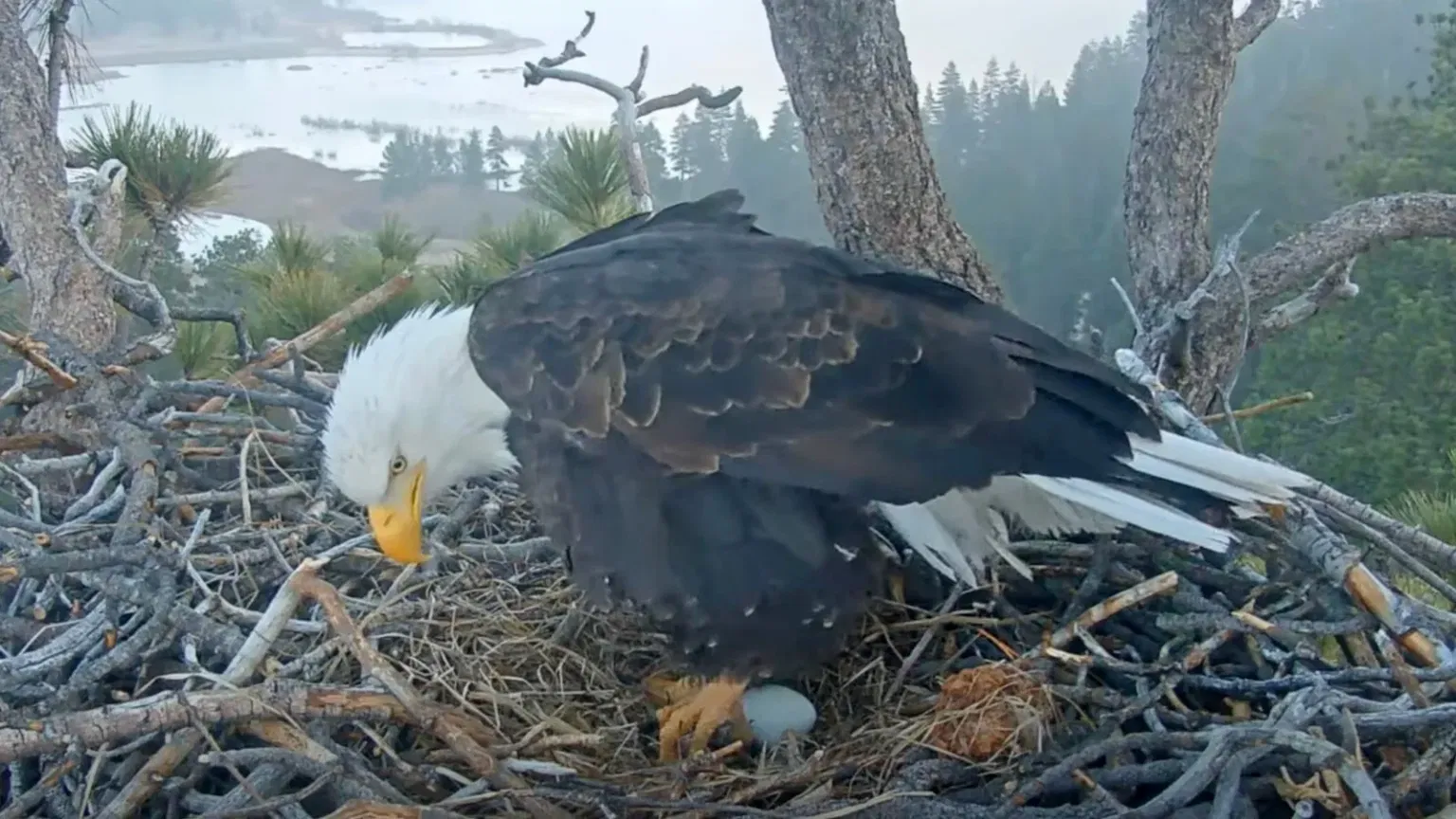
America's most famous bald eagle pair has just given wildlife enthusiasts and bird lovers an early gift this year. Jackie and Shadow, the beloved bald eagles of Big Bear Valley in California, have laid their first two eggs of the 2026 nesting season, sparking excitement among millions of viewers who follow their lives via live stream. The first egg arrived on January 23, followed by a second egg just three days later on January 26, marking the start of what promises to be another fascinating chapter in the lives of these iconic birds.
How Jackie and Shadow Captured the World's Attention
For years, Jackie and Shadow have been the stars of the Big Bear eagle cam, a live stream operated by the nonprofit Friends of Big Bear Valley. The camera, installed in 2015, offers an intimate look into the daily lives of these wild bald eagles, from courtship rituals to parenting duties. What started as a local conservation effort has grown into a global phenomenon, with viewers from around the world tuning in to watch the eagles' natural behaviors unfold in real time.
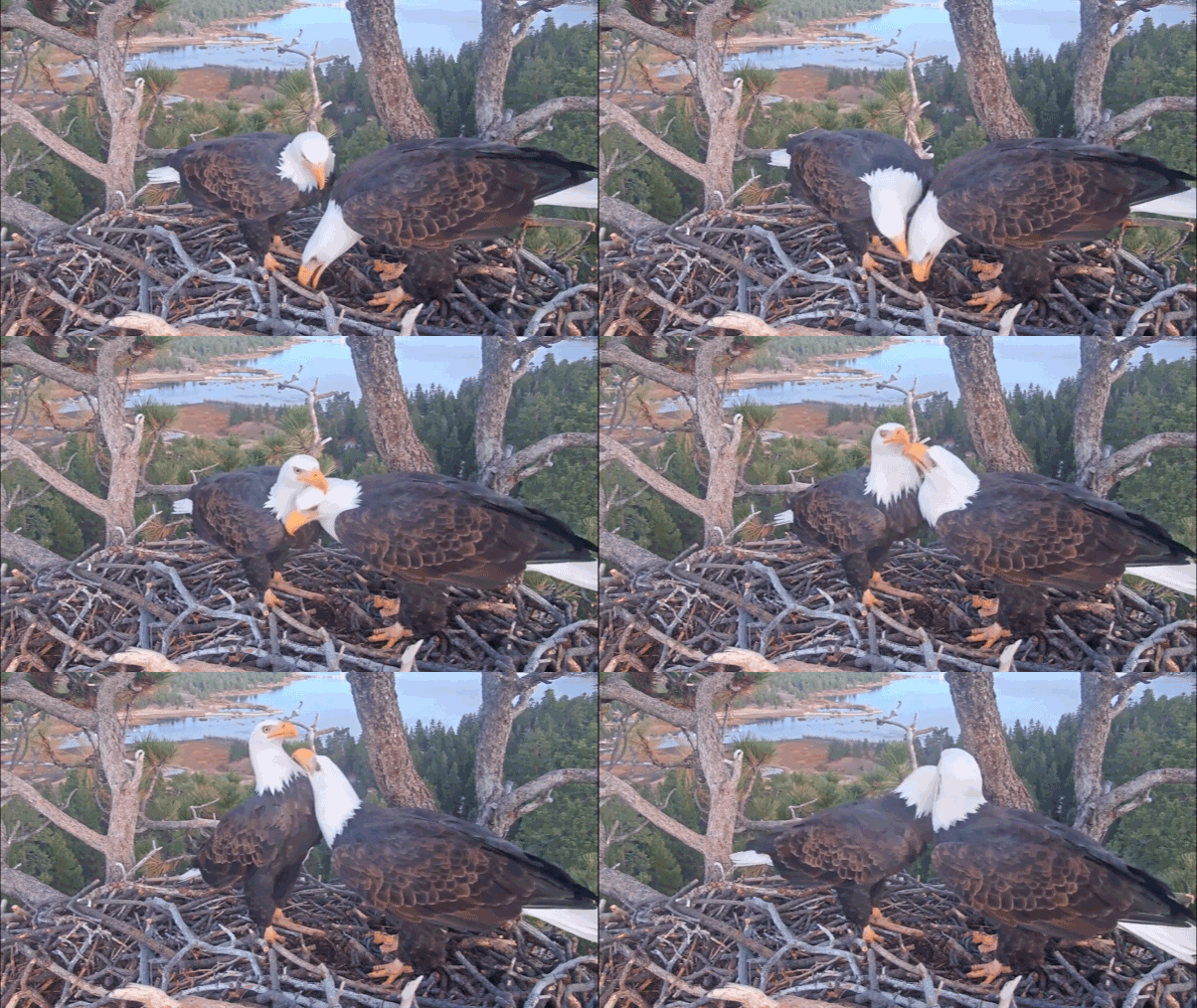
According to multiple news reports, Jackie laid her first egg of the season on Friday, January 23, with the second egg arriving on Monday, January 26. Friends of Big Bear Valley documented the precise timing of both events, noting that Jackie showed signs of labor at 16:22 cam time before successfully laying the first egg. The organization reported that Shadow, her mate, was present and attentive throughout the process, demonstrating the strong partnership that has made this pair so beloved.
Timeline: The 2026 Nesting Season Unfolds
The arrival of these eggs follows a predictable pattern for this experienced eagle pair. Jackie typically lays eggs three days apart, and this year's schedule aligns with previous nesting seasons. The first egg appeared exactly when experts predicted based on her behavior and the calendar, while the second egg's timely arrival confirms that both eagles are in excellent health and following their natural rhythms.
This timeline matters not just for eagle enthusiasts but for anyone interested in bird behavior. The consistency in Jackie's egg-laying schedule provides valuable insights into avian reproductive patterns—knowledge that can be particularly useful for pet bird owners who may be breeding their own birds or simply want to understand seasonal behaviors better.
Why This Eagle Cam Matters for Bird Enthusiasts
While Jackie and Shadow are wild animals, their story resonates deeply with pet bird owners and avian enthusiasts. The live stream offers an unprecedented opportunity to observe natural bird behaviors that are often hidden from human view. From nest-building techniques to incubation routines, viewers can learn about avian parenting strategies that can inform how we care for our own pet birds.
"What makes the Big Bear eagle cam so special is its educational value," says wildlife experts quoted in various reports. "People get to see authentic bird behavior 24/7, which helps foster a deeper appreciation for avian life and can even improve how we approach pet bird care." For instance, observing how Jackie and Shadow share incubation duties can teach bird owners about the importance of providing adequate rest periods for breeding pairs.
Where Things Stand Now: The Incubation Period Begins
As of late January 2026, both eggs are being carefully incubated by the eagle parents. Bald eagle eggs typically require about 35 days of incubation before hatching, which means viewers can expect potential hatchings around late February or early March. During this period, Jackie and Shadow will take turns keeping the eggs warm and protected, with one eagle always present at the nest while the other hunts for food.
The Friends of Big Bear Valley continue to monitor the nest around the clock, providing updates through their social media channels and website. Their careful documentation of this nesting season adds to years of data that help researchers understand bald eagle reproduction and behavior—information that ultimately contributes to conservation efforts for this once-endangered species.
What Happens Next: From Eggs to Eaglets
If all goes well, the next few weeks will see the eggs develop and eventually hatch, bringing new eaglets into the world. The hatching process itself can take 24-48 hours per egg, as the chicks work to break free from their shells. Once hatched, the eaglets will be completely dependent on their parents for food and protection for the first several weeks of life.
For pet bird owners, this stage offers particularly valuable lessons. Watching how Jackie and Shadow feed their young, keep the nest clean, and protect their offspring from predators and weather can provide insights into proper chick care for those breeding pet birds. Even casual bird watchers can gain a new appreciation for the challenges and rewards of avian parenting.
The Bottom Line: What Bird Lovers Should Know
The story of Jackie and Shadow's 2026 eggs is more than just wildlife news—it's a living lesson in avian biology that anyone who loves birds can appreciate. Whether you're a pet bird owner, a backyard bird watcher, or simply someone who enjoys nature, the Big Bear eagle cam offers a unique window into the world of birds that can enrich your understanding and appreciation of these remarkable creatures.
As the nesting season continues, millions will be watching to see what happens next. For those interested in tuning in, the live stream is available 24/7 on the Friends of Big Bear Valley YouTube channel and website, free of charge and advertisements. It's a remarkable opportunity to witness nature unfold in real time—and perhaps learn something that will make you a better caretaker of the birds in your own life.