
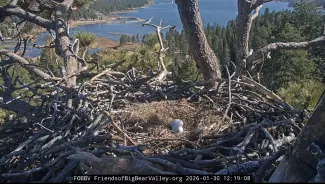
The beloved Big Bear bald eagles Jackie and Shadow, whose nest livestream has captivated millions worldwide, suffered a heartbreaking loss this week when both of their eggs were breached by ravens. The incident, which occurred on January 30, 2026, has left the eagle-watching community devastated and raised important questions about nest protection and wildlife conservation.
How the Raven Attack Unfolded: Inside the Tragic Loss
According to the Friends of Big Bear Valley, the tragedy began just before noon when Shadow left the nest and Jackie did not arrive for her shift. For reasons that may never be known, both eagles remained away from the nest for several hours—an unusual departure from their dedicated incubation routine. During this absence, observers noticed one egg appeared damaged, and camera zoom confirmed a breach.
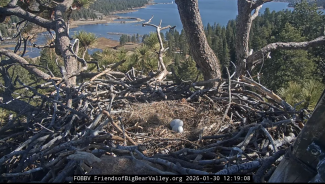
Later in the afternoon, ravens arrived at the unprotected nest and breached both eggs. Jackie returned soon after and was observed continuing to incubate one of the damaged eggs—a behavior that highlights the strong parental instincts of these magnificent birds. The non-profit organization confirmed the loss with a statement saying, "It is with great sadness to report that both of Jackie & Shadow’s eggs were breached by ravens earlier today."
Timeline: From Egg Laying to Raven Attack
The couple's breeding season began with hope and excitement among their global audience. Jackie laid her first egg on January 23, followed by a second egg on January 26—a typical three-day interval for bald eagles. The pair had been practicing delayed incubation, a natural strategy that slows development of the first egg so eaglets hatch closer together, giving all offspring a better survival chance.
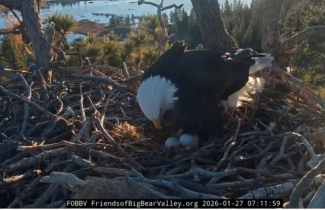
In the days leading up to the attack, Jackie and Shadow maintained their careful incubation routine, with Shadow taking regular shifts and even bringing fish gifts to his mate. Their coordination was remarkable, with shadow tracking small birds around the nest while Jackie arranged nesting material. The normalcy of their behavior makes the sudden abandonment on January 30 particularly puzzling to experts.
Why Nest Protection Matters: Expert Insights and Conservation Tips
The raven attack on Jackie and Shadow's nest underscores the constant threats wild birds face during nesting season. While bald eagles are apex predators, their eggs and young remain vulnerable to other predators like ravens, raccoons, and even other eagles. Conservation organizations emphasize several key strategies for protecting nesting birds:
- Maintain Safe Distances: Human disturbance is a major cause of nest abandonment. The U.S. Fish and Wildlife Service recommends maintaining at least 330 feet from active eagle nests.
- Protect Habitat: Preserving mature trees and buffer zones around nests is crucial. Forestry companies like Rayonier implement specific protocols to identify and protect eagle nests during timber operations.
- Reduce Food Sources for Predators: Proper trash management and removing carrion can help reduce raven and crow populations near sensitive nesting areas.
- Support Monitoring Programs: Organizations like Friends of Big Bear Valley rely on public support to maintain nest cameras and conservation efforts.
According to the National Bald Eagle Management Guidelines, "Protect and preserve potential roost and nest sites by retaining mature trees and snags within 330 feet of the nest tree." These measures become increasingly important as human development encroaches on wildlife habitats.
Where Things Stand Now: Jackie and Shadow's Next Steps
Following the loss, Jackie and Shadow have remained in their territory near Big Bear Lake. The couple continues to visit their nest, though they are no longer incubating. Experts from Friends of Big Bear Valley note that there is a possibility Jackie may lay a second clutch since the eggs were lost early in the breeding season. However, they caution that it typically takes about a month for a female eagle's body to recover and be ready to lay eggs again.
The organization has asked viewers to be kind and patient as the eagle community processes this loss. They are not sharing video of the attack out of respect for the animals and their audience, but they continue to maintain their 24/7 livestream for those who wish to observe the eagles' recovery.
What Happens Next: Possibility of a Second Clutch
Bald eagles have been known to re-nest after early season failures, particularly when the loss occurs during the incubation period rather than after hatching. The Big Bear pair still has time in the current breeding season, which typically extends through March in Southern California. If Jackie does produce a second clutch, eagle enthusiasts could see new eggs as early as late February or early March.
However, success is not guaranteed. The stress of the attack, combined with the energy demands of producing new eggs, means the couple faces significant challenges. Wildlife biologists will be monitoring their behavior closely for signs of re-nesting activity while continuing to document their story for research and educational purposes.
Key Takeaways for Bird Lovers and Wildlife Enthusiasts
The story of Jackie and Shadow serves as both a poignant reminder of nature's fragility and an inspiring example of wildlife conservation in action. For those who follow bird nests—whether through live streams or in their own backyards—several important lessons emerge:
- Nature can be unpredictable, and even the most dedicated animal parents face challenges beyond their control.
- Nest monitoring technology has revolutionized our understanding of wildlife while creating new opportunities for public engagement with conservation.
- Supporting organizations that protect habitats and monitor species is more important than ever as climate change and human development increase pressures on wildlife.
- Respecting wildlife boundaries and following viewing guidelines helps ensure animals can carry out their natural behaviors without additional stress.
As the global community of eagle watchers mourns this loss alongside Jackie and Shadow, their story continues to highlight the beauty, resilience, and vulnerability of our natural world—and the importance of protecting it for generations to come.