
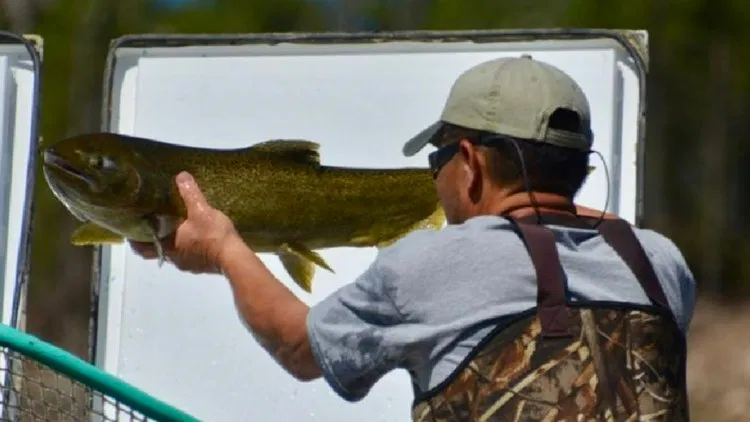
A catastrophic equipment failure at one of Idaho's most important fish hatcheries has resulted in the loss of 1.2 million juvenile Chinook salmon, dealing a significant blow to future fishing seasons and highlighting critical vulnerabilities in hatchery operations. The incident at the Rapid River Fish Hatchery near Riggins, operated by Idaho Fish and Game, occurred when both an oxygen pump and its backup alarm system failed simultaneously during a routine facility check on November 18, 2025.
The Perfect Storm: How Pump and Alarm Failures Created a Hatchery Disaster
During what should have been a standard inspection, hatchery staff discovered that a pump responsible for supplying oxygenated water to the early rearing and incubation building had malfunctioned. Even more concerning, the alarm system designed to alert workers to such failures had also stopped working. According to Idaho Fish and Game's official release, staff immediately activated a secondary pump, but the temporary interruption in water flow proved fatal for approximately 1.2 million newly hatched Chinook salmon.
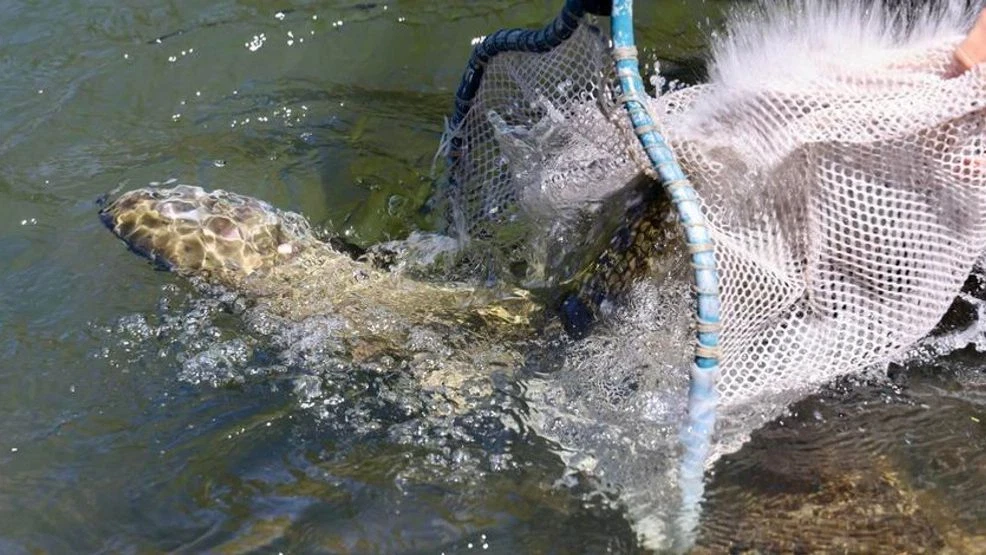
The inch-long salmon represented about one-third of the hatchery's annual production. These fish were part of a carefully managed program to replenish Idaho's salmon populations, with planned release in spring 2027 and expected returns to spawn from 2028 through 2030. The Rapid River facility is the largest spring Chinook salmon collecting, spawning, and rearing operation in Idaho, making this loss particularly devastating for both sport fishing and tribal fisheries throughout the Columbia River system.
Timeline: From Routine Check to Catastrophic Loss
The sequence of events began on Tuesday, November 18, when hatchery staff conducted their regular facility inspection. They discovered the pump failure and non-functional alarm system, immediately switching to backup equipment. Despite their rapid response, the damage was already done. By November 24, Idaho Fish and Game had issued a public news release detailing the incident, and by November 25-28, regional news outlets across Idaho and Washington had picked up the story, bringing national attention to hatchery vulnerability.
Why This Hatchery Failure Matters Beyond Idaho's Rivers
For aquarium enthusiasts and fish hobbyists, this incident serves as a stark reminder of how critical proper equipment maintenance and redundant systems are in any aquatic environment. The simultaneous failure of both primary pump and alarm system demonstrates what experts call a "single point of failure" scenario—something every fish keeper should guard against in their own setups.
"What happened at Rapid River is every hatchery manager's worst nightmare," explains Lance Hebdon, Fisheries Bureau Chief for Idaho Fish and Game. "We design these systems with multiple layers of protection, but when two critical components fail at once, the results can be devastating." The hatchery, owned by Idaho Power and operated by Idaho Fish and Game, plays a crucial role in mitigating fisheries lost after construction of the Hells Canyon Complex of dams on the Snake River.
Current Status: Investigation and Round-the-Clock Monitoring
As of late November 2025, hatchery staff are working in shifts to monitor pumps 24 hours a day while investigators work to determine the exact cause of both the pump and alarm failures. The department has confirmed that repairs have been made to secure adequate water flow to the remaining fish at the facility, but the investigation into why both systems failed simultaneously continues.
Fisheries managers face particular challenges because genetics play a crucial role in salmon returns. Different strains of salmon return to specific river systems at particular times, making simple transfers between hatcheries complicated. However, Rapid River Hatchery shares the same strain of spring Chinook with hatcheries on the Clearwater River, creating potential opportunities for backfilling some of the lost production.
Looking Ahead: How Fisheries Managers Plan to Recover
Idaho Fish and Game hatchery managers are now working with other facilities to assess whether production from other locations can help offset the losses at Rapid River. According to Becky Johnson, production director for the Nez Perce Tribe's Department of Fisheries Resources, hatcheries on the Clearwater River system operate on slightly different schedules and may have capacity to contribute fish. However, production levels at all hatcheries are governed by long-standing legal agreements dating back to the 1969 U.S. v. Oregon court case.
"We will look at all options," Johnson told regional media. "Everybody is well aware that this is a really important hatchery on the Snake and Columbia that actually provides a lot of harvest from the Columbia all the way back to Nez Perce Country." The collaboration between state, tribal, and federal fisheries managers will be crucial in determining how to minimize impacts on future fishing seasons.
Key Takeaways for Fish Enthusiasts and Conservationists
This incident underscores several important lessons for anyone involved in fish care, from professional hatchery managers to home aquarium keepers. First, redundant systems are not optional luxuries but essential safeguards. Second, regular testing of alarm and monitoring equipment is as important as maintaining primary systems. Third, even well-managed facilities can experience catastrophic failures, emphasizing the need for emergency response plans. Finally, the interconnected nature of fisheries means that losses in one location can ripple through entire ecosystems and fishing communities for years to come.
As Idaho Fish and Game continues its investigation and recovery efforts, the fishing community will be watching closely. The 1.2 million lost Chinook represent more than just numbers—they represent future fishing trips, tribal traditions, and the continued survival of a species that has faced decades of challenges. For fish enthusiasts everywhere, the Rapid River incident serves as both a cautionary tale and a call to prioritize the systems that keep our aquatic ecosystems thriving.